Featured Fused Silica & Quartz Components
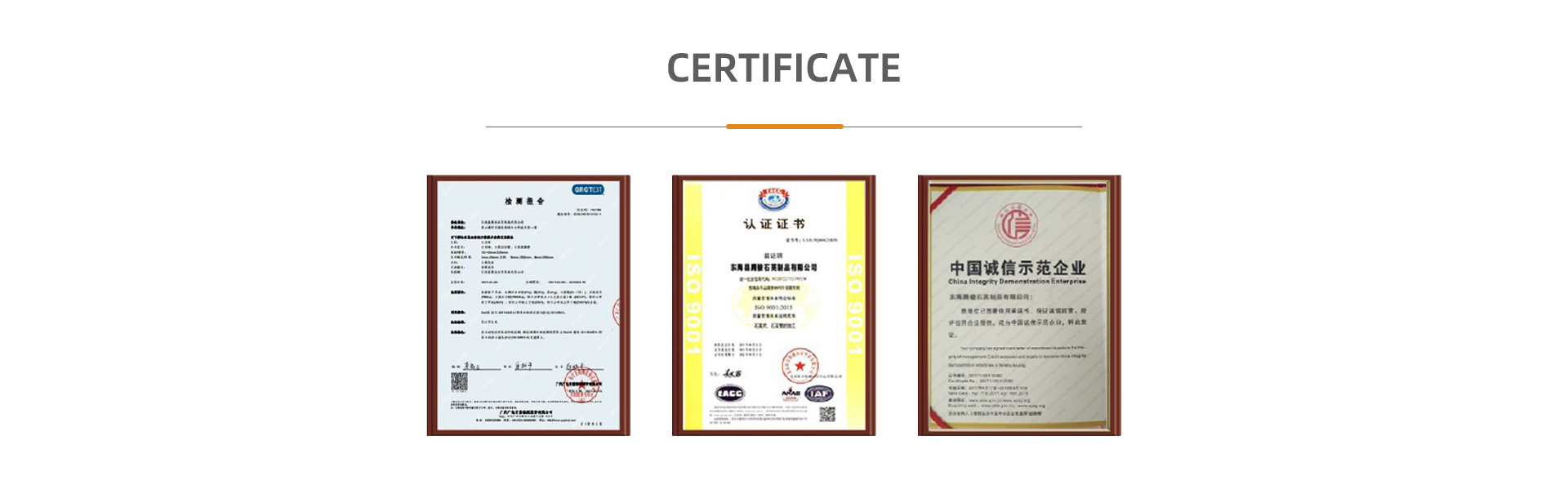
Direct factory supply adhering strictly to international CE directives, RoHS environmental safety, and ultra-high chemical purity standards.
 Ozone-Free
Quartz Tube for Ozone Generator High Purity Fused Silica Ozone Free
- Spectral cutoff: <200nm filtered
- Continuous temp: 1,100°C
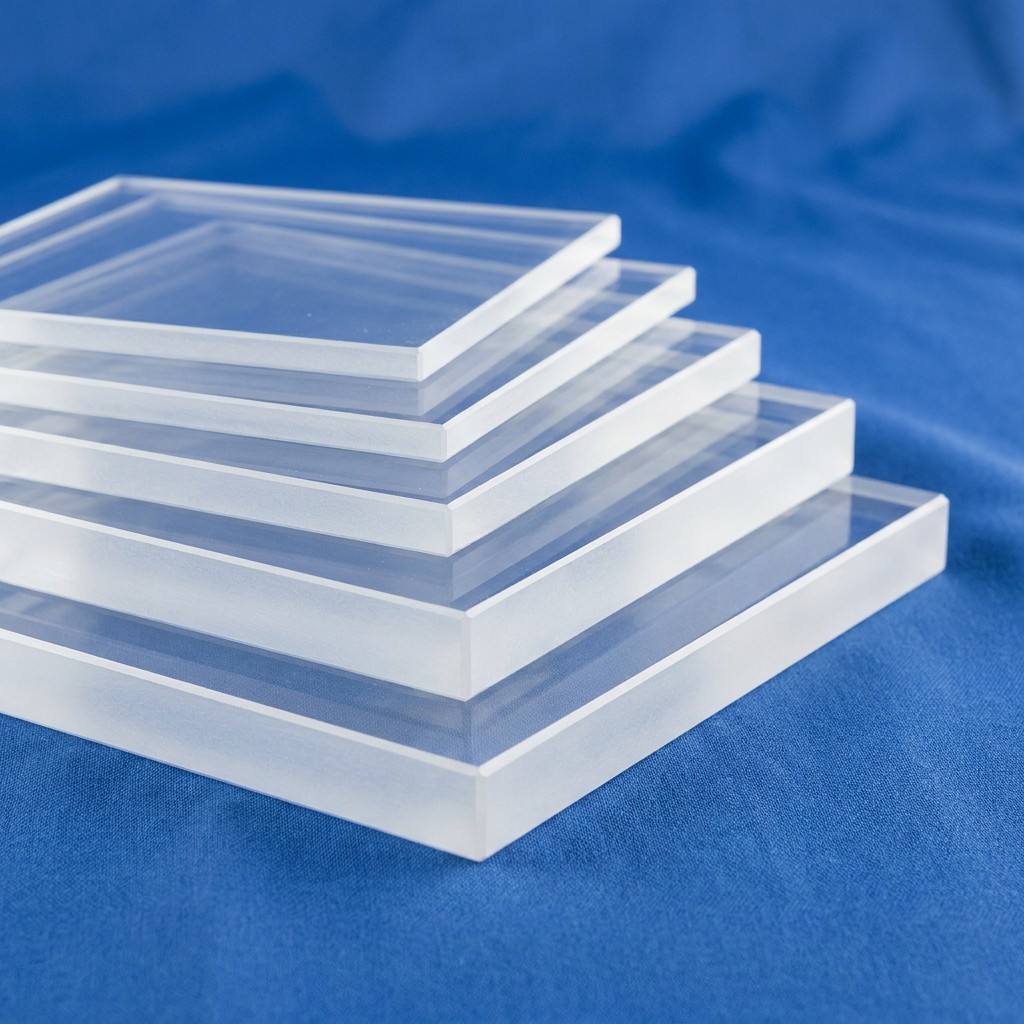 Thermal Grade
Quartz Fireplace Viewing Glass Plate Heat Resistant Fused Silica
- Thermal shock: ΔT >1000°C
- Linear expansion: 5.5×10⁻⁷/°C
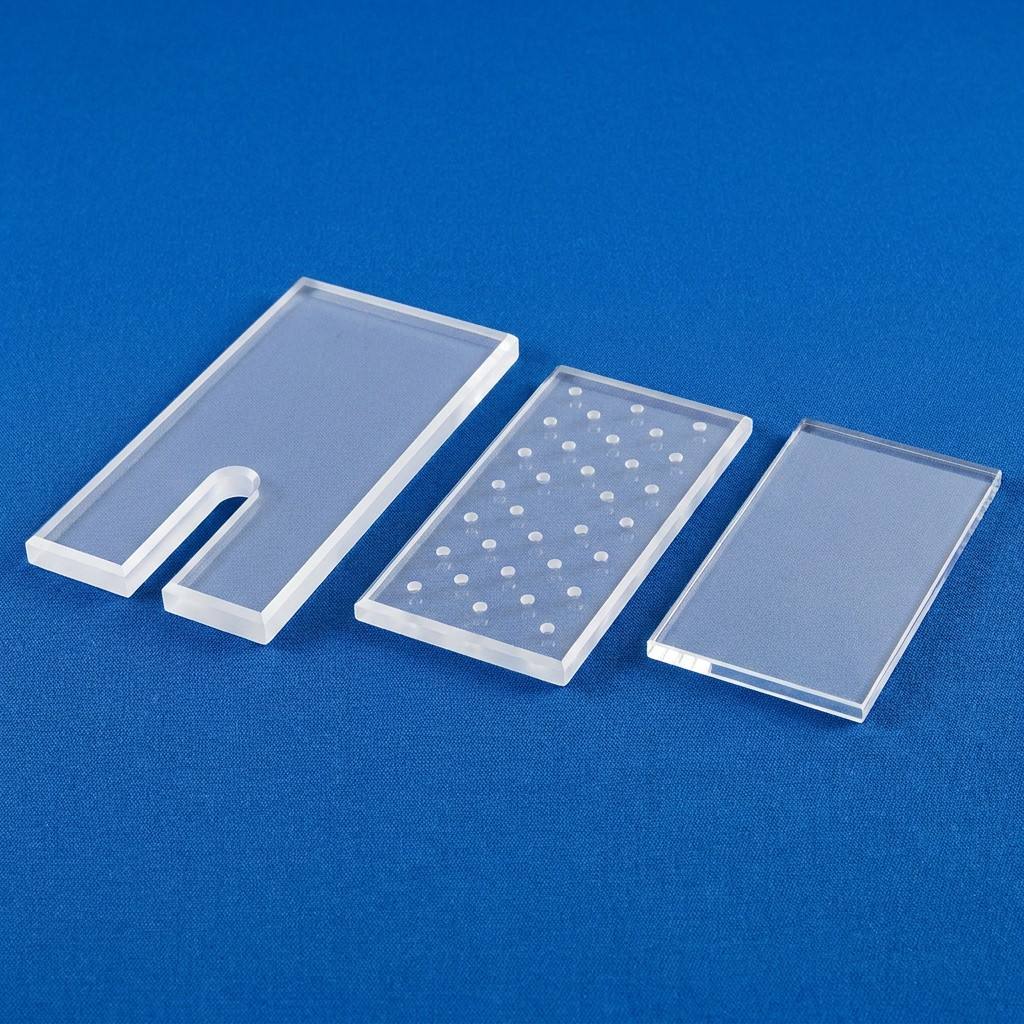 Sight Glass
Quartz Oil Level Sight Glass Plate Fused Silica Clear Custom Size
- Pressure rating: up to 15 MPa
- Chemical inertness: Acid resistant
 Precision Polished
Square Quartz Plate Fused Silica Sheet Beveled Edge Polished Custom Size
- Surface roughness: Ra < 0.5 nm
- CNC chamfer: C0.2 to C2.0 mm
 UHV Compatible
Quartz Viewport Glass Plate Vacuum Chamber Fused Silica Custom Size
- Helium leak rate: <1×10⁻¹⁰ mbar·l/s
- Flange fit: CF / ISO-K standards
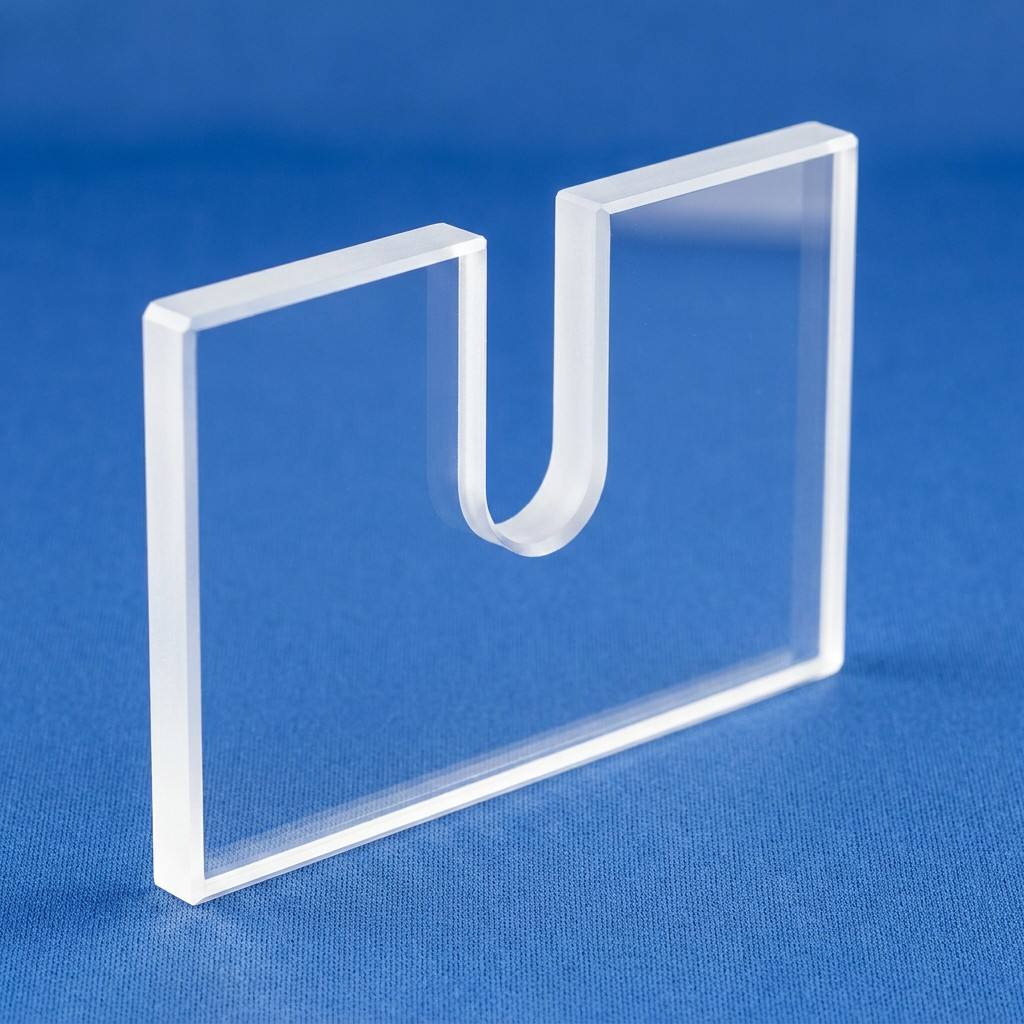 Optical Grade
Quartz Viewport Glass Quartz Window Plate Optical Window Quartz High Pressure
- Wavefront error: λ/4 to λ/10
- Scratch-Dig: 20/10 MIL-PRF
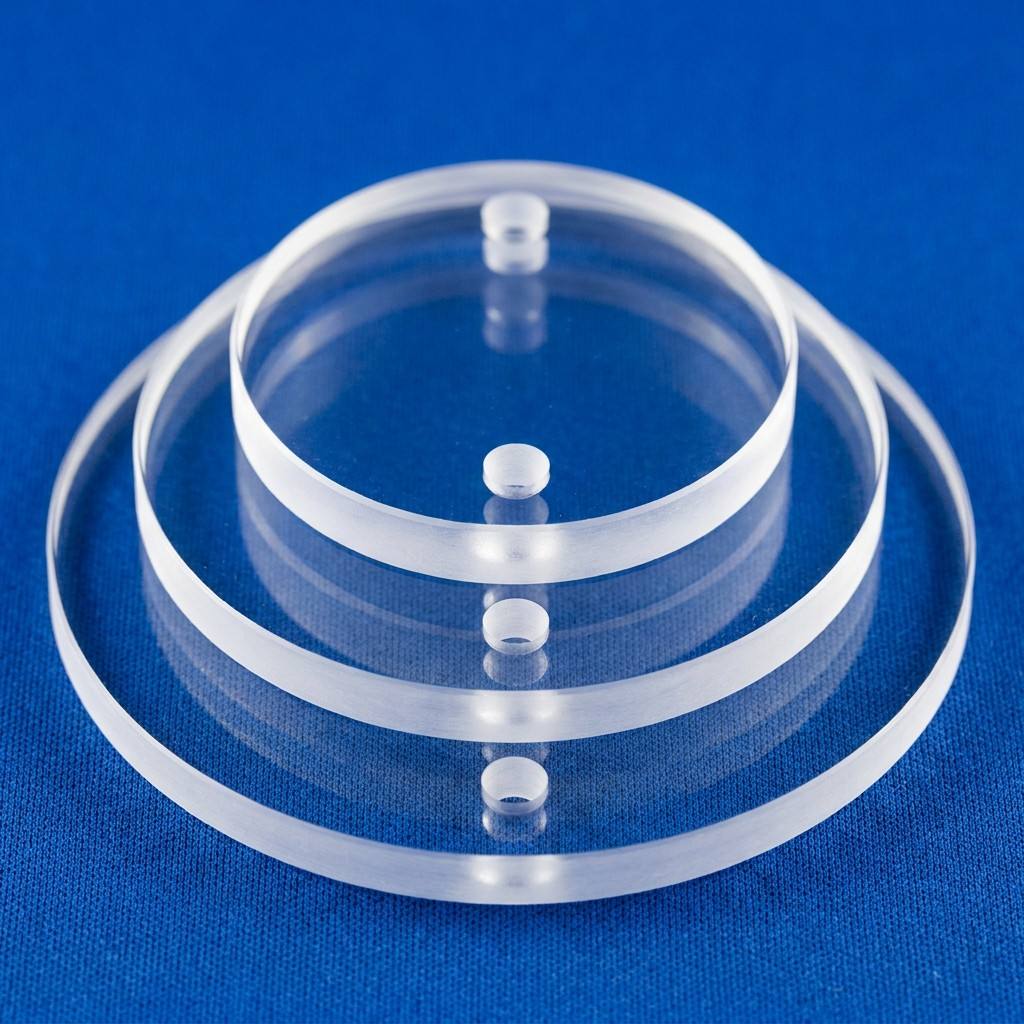 DIN 7081 / CE
Quartz Plate for Boiler Sight Glass Fused Silica Heat Resistant
- High alkaline/acid resistivity
- Safe working limit: 300 bar rating
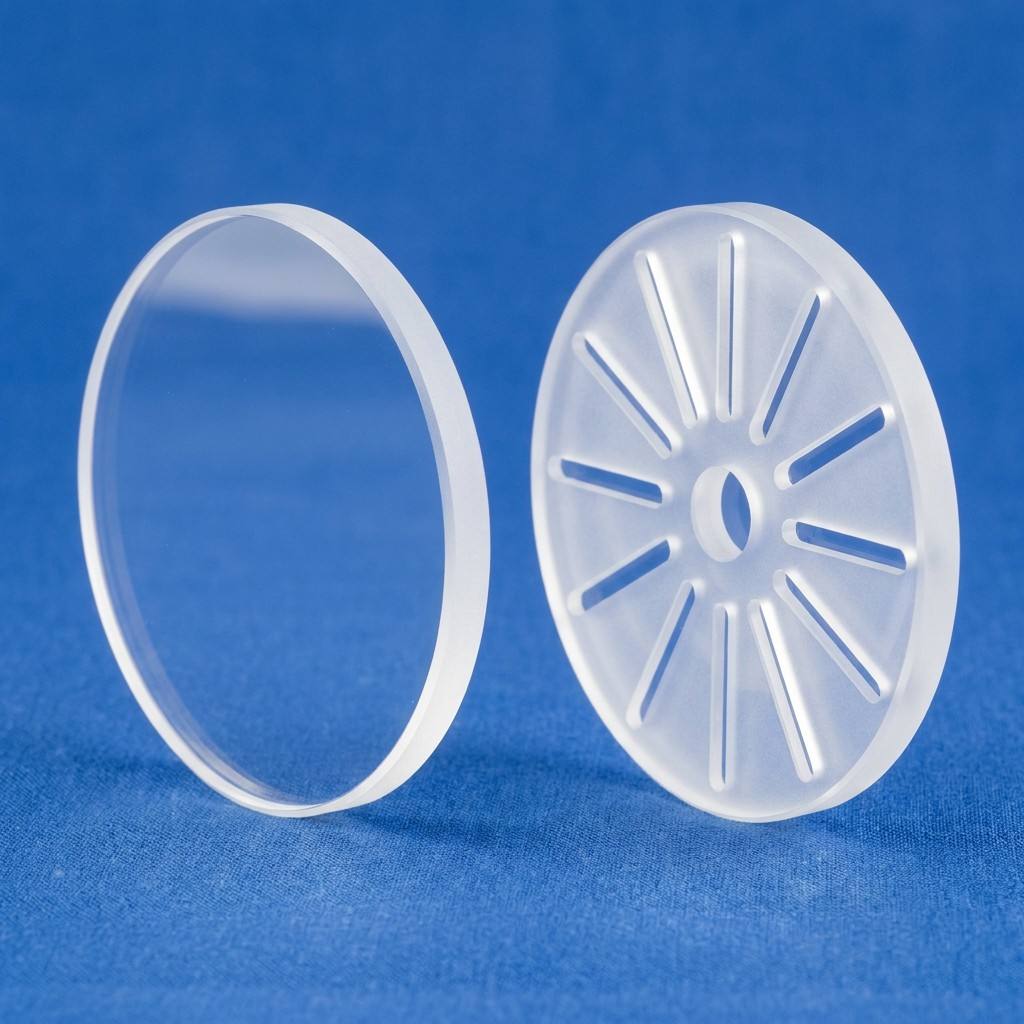 Ultra-Thin Series
Ultra Thin Quartz Plate 0.3mm 0.5mm Fused Silica Optical Grade Clear
- Thickness tolerance: ±0.01 mm
- Deep UV transmission: >90% @193nm
CE Certified Fused Silica Plates: Material Science & Global Compliance
Understanding European Conformity (CE) requirements, optical classification codes (JGS1, JGS2, JGS3), and thermal stability mechanisms in advanced industrial environments.
Procuring CE certified fused silica plates is paramount for engineering contractors, scientific instrument developers, and furnace manufacturers exporting equipment into the European Economic Area (EEA) and stringent worldwide markets. The European Conformity mark on fused silica and industrial sight glass is not merely an ornamental badge; it verifies that the component conforms strictly with structural safety, non-toxicity, and pressurized container requirements under the Pressure Equipment Directive (PED 2014/68/EU), Low Voltage Directive (LVD 2014/35/EU) for electro-thermal installations, and the RoHS Directive (2011/65/EU) governing hazardous substances.
Unlike soda-lime or borosilicate substrates, high-purity fused silica (SiO₂ ≥ 99.99%) features a completely non-crystalline (amorphous) glass structure with near-zero network modifiers. This unique molecular architecture yields an ultra-low coefficient of thermal expansion (α = 5.5 × 10⁻⁷ /°C between 20°C and 320°C), making it the premier choice for zero-distortion optical windows, high-energy laser transmission substrates, and boiler sight glasses subjected to instantaneous heat shock exceeding 1,000°C.
When sourcing from certified suppliers, international procurement directors must distinguish between Synthetic Fused Silica and Fused Quartz. The following engineering comparison outlines the essential chemical, thermal, and optical parameters required when submitting technical tenders:
| Material Parameter | Synthetic Fused Silica (JGS1 / Suprasil) | Optical Grade Fused Quartz (JGS2) | Full-Spectrum / IR Quartz (JGS3 / Infrasil) | Engineering Significance |
|---|---|---|---|---|
| Raw Material Source | SiCl₄ Gas Synthesized Precursor | High-Purity Natural Quartz Sand (≤20ppm) | Vacuum-Fused Natural Crystal | Dictates trace bubble density and metal impurities |
| SiO₂ Purity | ≥ 99.999% | ≥ 99.99% | ≥ 99.98% | Zero background fluorescence, plasma inertness |
| Spectral Transmission Band | 185 nm – 2,500 nm (Deep DUV) | 220 nm – 2,500 nm (Standard UV-Vis) | 260 nm – 3,500 nm (Infrared Enhanced) | Critical for excimer lasers and optical viewports |
| Hydroxyl (OH⁻) Content | High (600–1200 ppm) or Low (<1 ppm) | Typical (150–200 ppm) | Ultra-Low (≤ 5 ppm) | Controls IR absorption dips around 2.73 μm |
| Thermal Expansion (α) | 5.5 × 10⁻⁷ /°C | 5.5 × 10⁻⁷ /°C | 5.4 × 10⁻⁷ /°C | Resists thermal shattering under water quenching |
| Max Service Temperature | 1,100°C continuous / 1,250°C peak | 1,100°C continuous / 1,200°C peak | 1,150°C continuous / 1,300°C peak | Determines annealing and devitrification lifecycle |
| Birefringence / Stress Class | Grade 1–2 (≤5 nm/cm) | Grade 3 (≤10 nm/cm) | Grade 3–4 (≤15 nm/cm) | Polarization preservation in precision optics |
Future Procurement Trends in Fused Silica Substrates
Anticipating technological advancements, supply-chain localization, and quality parameters reshaping international demand through 2026–2030.
Sub-Nanometer Roughness for EUV/DUV
As semiconductor lithography migrates beyond 3nm nodes and high-numerical-aperture (High-NA) EUV architectures, the demand for fused silica photomask blanks and wafer handling plates requires surface roughness parameters of Ra < 0.2 nm with surface flatness below λ/10 per 100mm diameter. Double-sided planetary chemical mechanical polishing (CMP) has become mandatory for leading exporters.
High-Pressure Sight Glass Certification
In the transition toward decarbonized energy—specifically supercritical CO₂ power cycles, green hydrogen electrolyzers, and pressurized oxy-fuel combustion—procurement teams are mandating compliance with DIN 7080 and DIN 7081. Standard tempered borosilicate is yielding ground to high-strength fused silica plates capable of withstanding operating pressures exceeding 250 bar at temperatures >450°C.
Microfluidics & Bio-Sensing Thin Wafers
Next-generation DNA sequencers, point-of-care lab-on-a-chip assemblies, and quantum photonics are driving explosive demand for ultra-thin fused silica sheets (down to 0.1 mm, 0.3 mm, and 0.5 mm thickness). Buyers require defect-free laser slicing, edge chamfering without micro-cracks, and pristine surface cleanliness packaged in Class 100 cleanroom environments.
Raw Material Upstream Traceability
Supply chain security concerns have placed high-purity quartz sand sourcing under technical audit. Global buyers favor manufacturers integrated within natural crystal centers like Donghai County, where total metallic impurity profiles are kept below ≤20 ppm directly from source purification, mitigating risks associated with supply disruption and inconsistent melt homogeny.
Laser Damage Threshold (LIDT) Criteria
With industrial multi-kilowatt fiber lasers and picosecond micromachining expanding rapidly, optical window procurement has moved away from generic bulk specifications to strictly measured LIDT standards (>10 J/cm² at 1064nm, 10ns pulse). Fused silica plates must maintain negligible bubble class (DIN 58927 Class 0/1) to prevent thermal blooming and catastrophic dielectric breakdown.
Full Lifecycle CE & ESG Traceability
European purchasers now require complete Material Test Reports (MTR) according to EN 10204 3.1, coupled with verifiable carbon footprint metrics. Fused silica suppliers utilizing electric-arc melting rather than hydro-carbon burning furnaces are capturing significant preferences in EU-bound tenders, aligning with the EU Carbon Border Adjustment Mechanism (CBAM).
Engineered in China's Quartz Capital with Provincial S&T Recognition
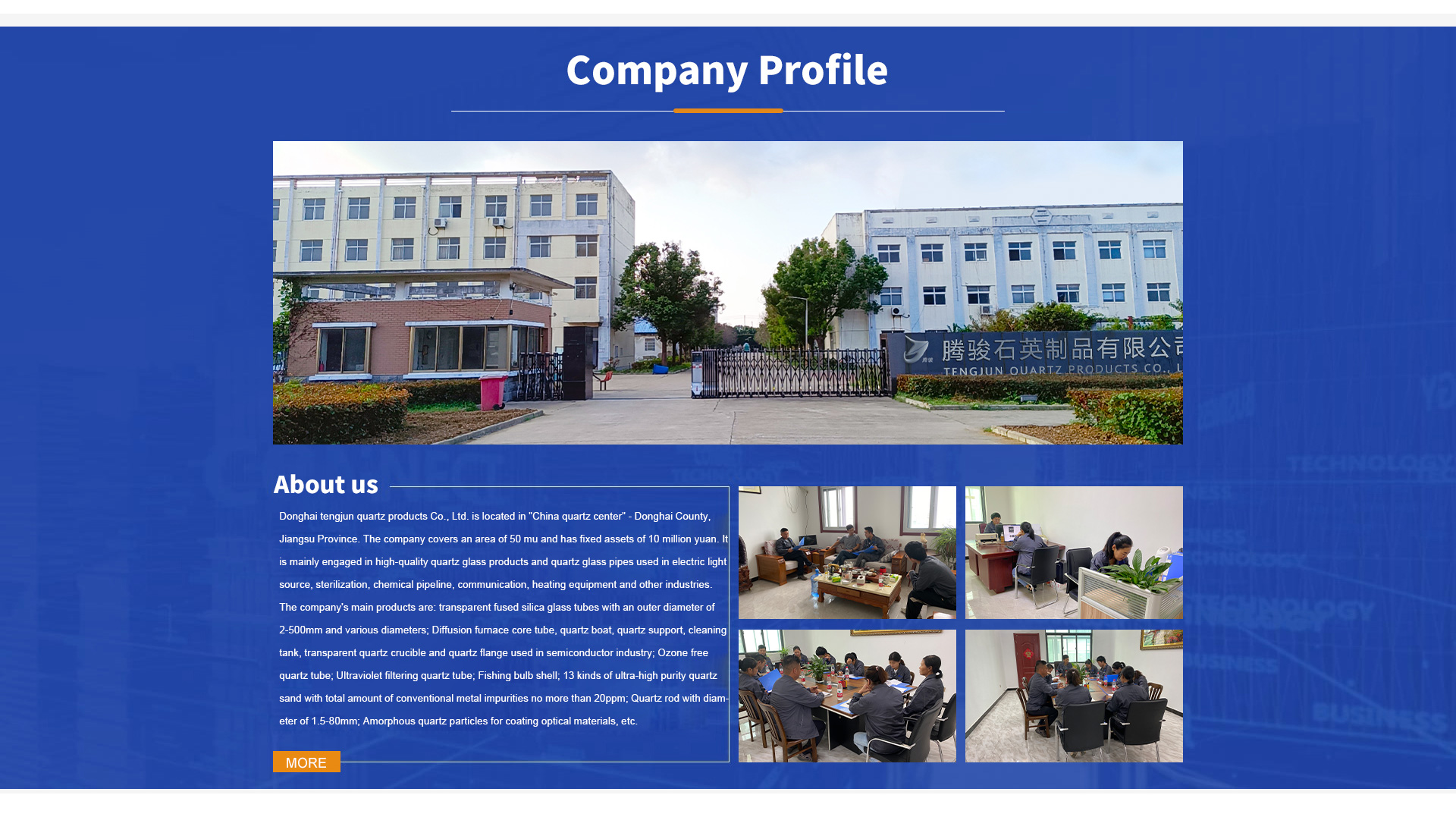
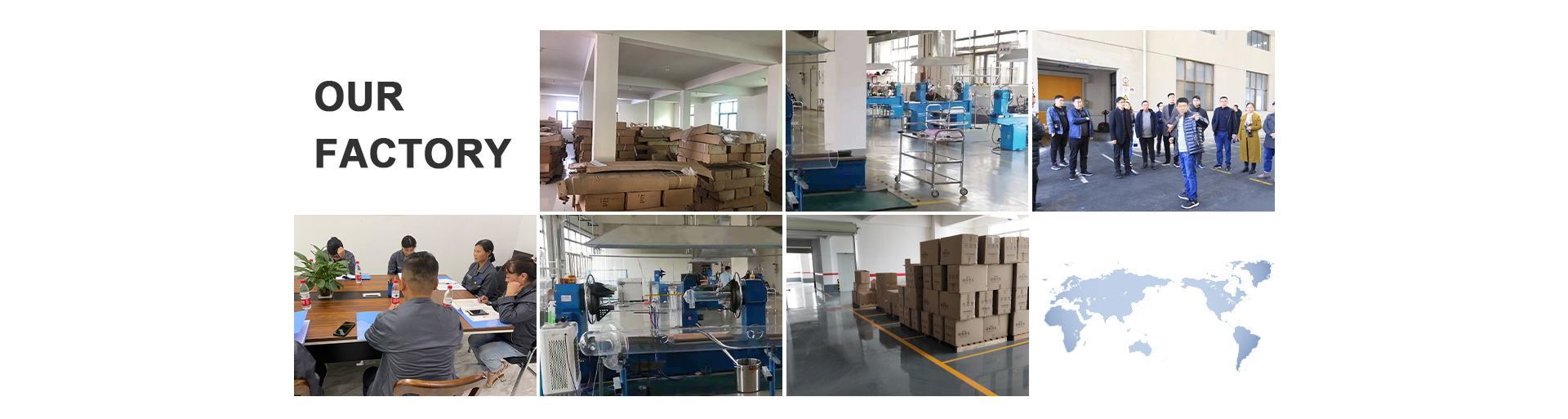
Headquartered in Donghai County, Jiangsu Province—globally renowned as China's crystal and quartz manufacturing epicenter—VEZLO Quartz Products Co., Ltd. represents a synthesis of localized raw material supremacy and cutting-edge industrial processing. Operating across a modernized 50-mu (≈33,000 m²) production complex backed by RMB 10 million in fixed assets, our facility specializes in the precision thermal forming, CNC optical machining, and vacuum fusion of fused silica plates, rods, and high-purity tubes.
Our commitment to advanced materials research is underscored by our execution of the Jiangsu Provincial Science & Technology Support (Industrial) Project, successfully developing high-purity 320 mm quartz components for large-scale integrated circuits (VLSI). Furthermore, our proprietary 520 mm large-diameter high-purity quartz series has achieved national preliminary new product accreditation, reflecting annual R&D investments surpassing RMB 5 million.
From 13 tailored grades of ultra-high-purity quartz sand (≤20 ppm total metallic impurities) to complex diamond-ground viewing plates and vacuum chamber viewports, every component undergoes strict Zygo laser interferometry, coordinate measuring machine (CMM) dimensional verification, and thermal shock stress profiling before dispatch.

5-Point Procurement Checklist for Fused Silica Plates
Eliminate RFQ ambiguities, prevent field failures, and streamline export compliance by specifying these key technical variables.
1. Dimensional Geometry & Chamfers
State exact length, width, or outer diameter along with thickness tolerances (±0.05 mm is standard; ±0.01 mm for precision optics). Specify edge conditions: coarse ground, fine ground, polished, or protective edge chamfering (45° beveled C0.5 to prevent edge chipping during installation under high torque).
2. Optical Surface Quality
Define surface roughness using either ISO 10110 standards or U.S. MIL-PRF-13830B. Common industrial sight glasses use 80/50 scratch-dig; analytical instrumentation demands 60/40; high-energy laser viewports require 20/10 or 10/5 scratch-dig with transmitted wavefront distortion < λ/4.
3. Thermal Shock & Operating Pressures
Identify peak operating temperature, maximum continuous soak duration, cycle rates (°C/min), and operating pressures (positive bar or high vacuum). For sight glass boilers, calculate required minimum thickness using the DIN 7080 formula based on unsupported aperture diameter and safety factor ≥ 5.
4. Spectral Bandwidth & Anti-Reflective Coating
State if raw transmission (≈92% due to Fresnel reflection) is acceptable or if single-wavelength (V-coat) or broadband anti-reflective (BBAR) thin-film coating is required. Specify spectral band: UV (254nm / 365nm), Visible (400–700nm), or NIR (1064nm / 1550nm) to select JGS1, JGS2, or JGS3 material.
5. Export Cleanroom Packaging
Fragile optical glass requires bespoke packaging architectures. Ensure your supplier provides individual double-vacuum bagging, dust-free lintless interleaving paper, shock-dampening high-density pearl cotton (EPE), and fumigation-free wooden export crates engineered for ocean or air courier transit.
6. Mandatory Certificate of Conformance
Require complete documentation including raw material batch spectroscopic analysis, dimensional inspection reports, RoHS 2.0 directive compliance, and CE conformity declarations with each shipment to avoid custom clearance holds across European and North American ports of entry.
Frequently Asked Questions: Sourcing Fused Silica Plates
Clear, authoritative technical answers addressing common questions raised by procurement managers, process engineers, and quality assurance inspectors.
What European Directives govern CE certification for fused silica plates?
How do I calculate the safe thickness for a fused silica boiler sight glass?
t = d × √((p × C) / (10 × σ_b))Where t is the minimum plate thickness in mm, d is the unsupported diameter (clear sight diameter) in mm, p is the maximum design pressure in bar, σ_b is the nominal bending strength of fused silica (≈ 50 N/mm²), and C is an empirical safety coefficient (typically set to ≥ 5 for industrial steam boilers). Fused silica provides roughly triple the thermal shock safety threshold compared to standard borosilicate sight glass, allowing continuous operation at 1,100°C without mechanical degradation.
What is the exact distinction between JGS1, JGS2, and JGS3 grades?
JGS2 is fused quartz manufactured from high-purity natural crystalline quartz sand. It transmits across 220–2500 nm, providing the most cost-effective solution for standard optical windows, fireplace viewports, and laboratory observation plates.
JGS3 is vacuum-melted natural quartz characterized by negligible hydroxyl (OH⁻ ≤ 5 ppm) content, eliminating the major infrared absorption band at 2.73 μm and ensuring optimal transmission up to 3500 nm.
Can fused silica plates withstand immersion in corrosive acids?
What dimensional tolerances and edge profiles can VEZLO achieve?
What is the typical export lead time and sample testing policy?
Accelerate Your Sourcing with Verified Quartz Exporters
Whether you require millimeter-thin synthetic fused silica substrates for microfluidics, heavy-duty boiler sight glasses certified to European safety codes, or high-purity furnace windows, VEZLO Quartz provides factory-direct precision from Donghai.