
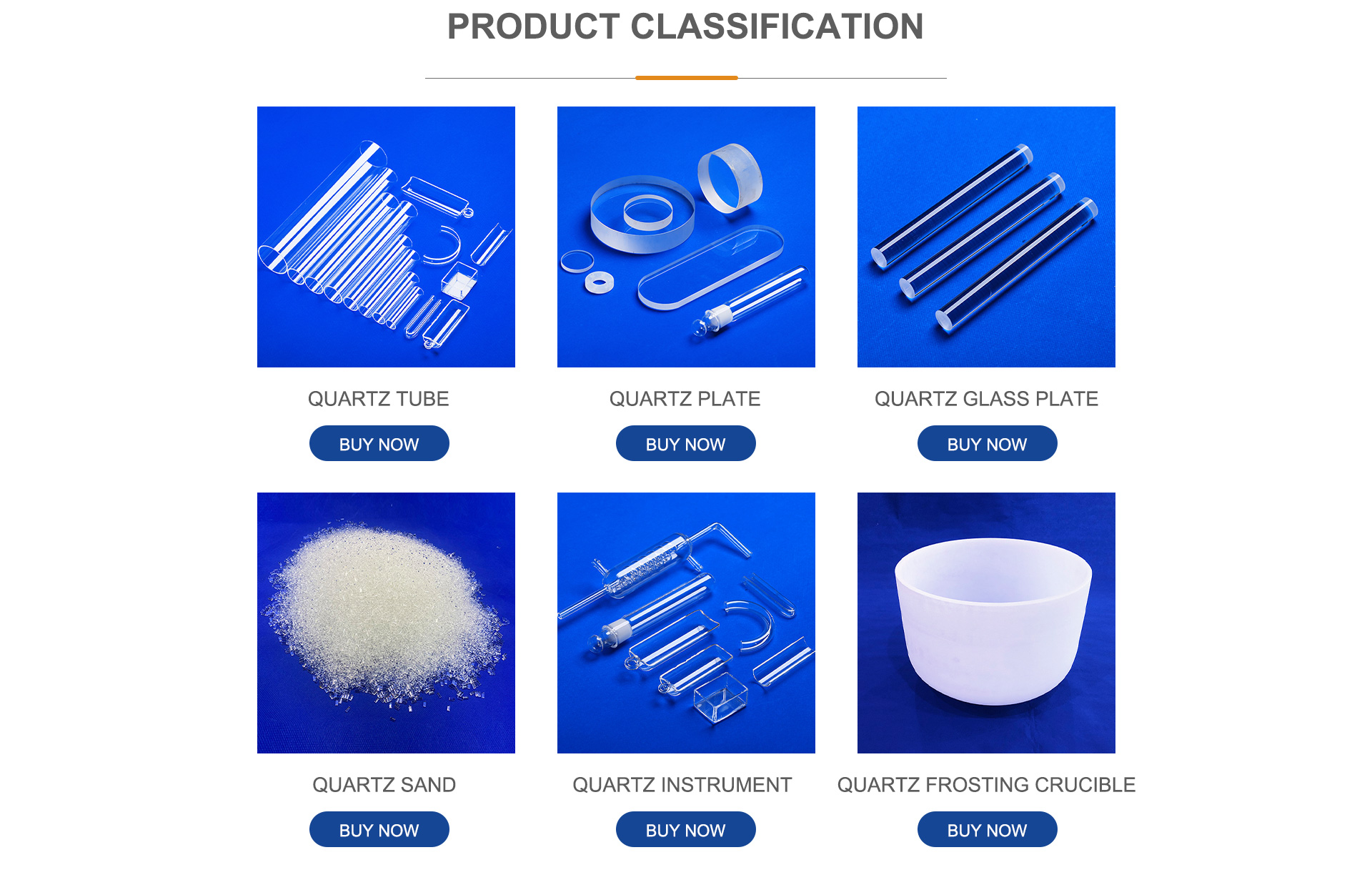
Grade VZ-SC01: Semi Inner Crucible
Ultra-low alkali (Li+Na+K < 0.15 ppm) and Al < 8 ppm. Prevents micro-bubble coalescence and crystalline dislocation during 28nm–7nm Czochralski silicon ingot pulling.
Inquire Now A definitive engineering breakdown on how trace elemental thresholds (Al, Ti, Fe, Li, Na, K), thermal devitrification parameters, and synthetic substitution curves govern procurement decisions for semiconductor crucibles, photovoltaic solar ingots, and high-temperature fused silica optics.
Total conventional metallic impurities across 13 certified grades
SiO₂ matrix purity refined via advanced acid leaching & calcination
Dedicated quartz manufacturing campus in Donghai "China Quartz Center"
Rapid engineering response time for global RFQs & custom specifications
Understanding the critical threshold where commodity industrial sand transitions into mission-critical High Purity Quartz (HPQ) granulate.
In global advanced material supply chains, High Purity Quartz Sand (HPQ) is not merely cleaned silica; it represents an engineered chemical compound where SiO₂ concentration exceeds 99.99% (4N) to 99.998% (4N8+), and cumulative transition metals and alkali impurities are strictly contained beneath 20 ppm. For semiconductor fabs pulling monocrystalline silicon via the Czochralski (CZ) process and photovoltaic gigafactories fabricating N-type TOPCon/HJT wafers, HPQ is the indispensable raw material for fused quartz crucibles and thermal diffusion tubes.
At VEZLO Quartz Products Co., Ltd., situated in the heart of Donghai County—internationally recognized as "China's Quartz Center"—we refine 13 distinct grades of ultra-high purity quartz sand. Each grade is tailored to resolve specific failure points: preventing inner-wall bubble blistering during high-temperature pulls, halting crystalline phase transition (cristobalite devitrification) at 1450°C, and eliminating toxic metal diffusion into electronic crystal lattices.
The Critical Distinction in HPQ Metallurgy:
Bulk chemical assays tell only half the story. High-end procurement requires evaluating structural hydroxyl (OH-) content, fluid inclusions, and whether trace elements like Aluminum (Al) and Titanium (Ti) reside on particle surfaces or are locked within the crystal lattice matrix.
Fused from VEZLO sand: Withstands prolonged continuous service at 1,100°C–1,450°C without thermal sagging.
Engineered particle size distributions (40–140 mesh) and certified maximum impurity profiles for critical thermal and electronic applications.
Ultra-low alkali (Li+Na+K < 0.15 ppm) and Al < 8 ppm. Prevents micro-bubble coalescence and crystalline dislocation during 28nm–7nm Czochralski silicon ingot pulling.
Inquire Now
Optimized for thermal shock resistance and continuous electric drawing of furnace core tubes up to OD 520 mm. Tight control over hydroxyl content and heavy metals.
Inquire Now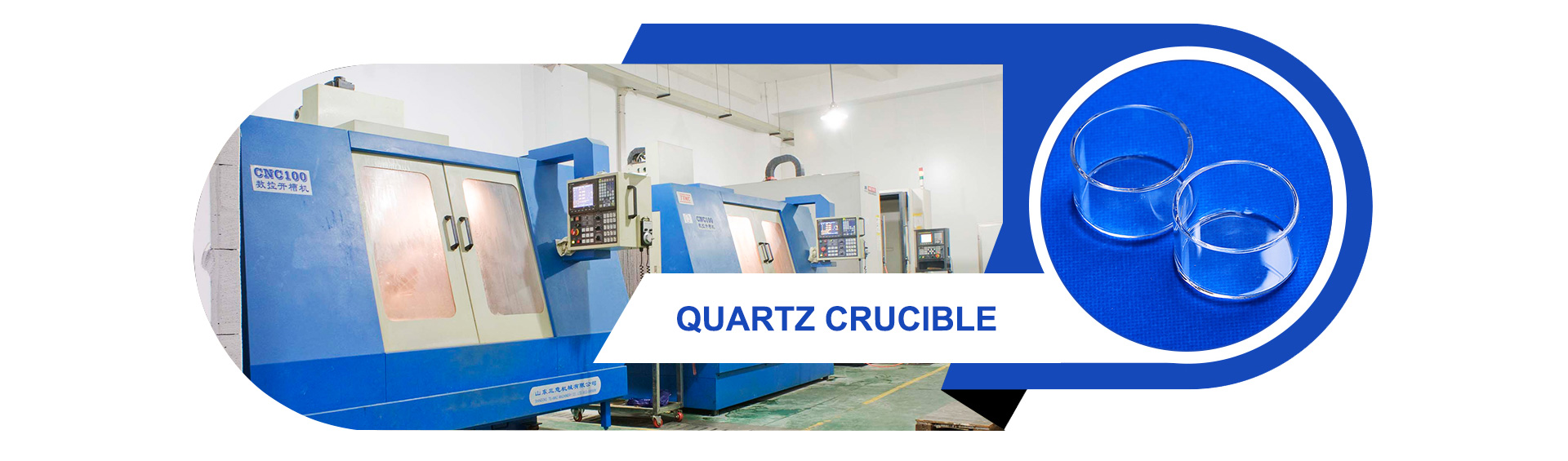
Formulated for middle and outer layers of N-type photovoltaic crucibles. Provides exceptional mechanical creep resistance and cost efficiency across 400+ hour melt cycles.
Inquire Now| Element (Analyte) | VZ-SC01 (Semi Inner) | VZ-TF02 (Furnace Tube) | VZ-PV03 (Solar CZ Grade) | Technical Impact on Final Quartz Matrix |
|---|---|---|---|---|
| Aluminum (Al) | ≤ 6.50 ppm | ≤ 12.00 ppm | ≤ 14.50 ppm | Controls high-temperature viscosity and limits devitrification rates. |
| Iron (Fe) | ≤ 0.15 ppm | ≤ 0.35 ppm | ≤ 0.65 ppm | Maintains UV/IR spectral transmission; eliminates coloration. |
| Titanium (Ti) | ≤ 0.90 ppm | ≤ 1.40 ppm | ≤ 1.80 ppm | Prevents optical absorption bands in telecom and lamp envelopes. |
| Alkali Metals (Li+Na+K) | ≤ 0.20 ppm | ≤ 0.80 ppm | ≤ 1.20 ppm | Critical network network-modifiers; trigger devitrification if >1.5 ppm. |
| Alkaline Earths (Ca+Mg) | ≤ 0.35 ppm | ≤ 0.70 ppm | ≤ 1.10 ppm | Induces micro-crystallite nucleation during prolonged thermal cycles. |
| Heavy Metals (Cr+Cu+Ni) | ≤ 0.05 ppm | ≤ 0.10 ppm | ≤ 0.20 ppm | Prevents minority carrier lifetime degradation in silicon ingots. |
| Boron & Phosphorus (B+P) | ≤ 0.10 ppm | ≤ 0.25 ppm | ≤ 0.40 ppm | Prevents parasitic electrical doping inside photovoltaic crystal melts. |
| Total Metallic Impurities | ≤ 8.25 ppm | ≤ 15.60 ppm | ≤ 19.85 ppm | Strictly bounded below 20 ppm ceiling across all 13 proprietary grades. |
Lot-specific Certificate of Analysis (COA) confirmed via GDMS (Glow Discharge Mass Spectrometry) and ICP-MS available upon order placement.
Anticipating supply bottlenecks, geopolitical diversification, and technical standards through 2026–2030.
Historically, global HPQ markets relied heavily on pegmatite deposits from Spruce Pine, North Carolina. Geopolitical risks, supply chain shocks, and soaring freight tariffs have catalyzed procurement directors in North America, Europe, and Japan to qualify verified, vertically integrated refiners in China's quartz capital (Donghai). Establishing dual-sourcing strategies is now mandatory for Tier-1 crucible and optical fabricators.
The solar industry's decisive shift from P-type PERC to N-type TOPCon and Heterojunction (HJT) cells demands silicon ingot pulling durations exceeding 450 to 550 hours. Conventional crucible sand degrades rapidly under extended exposure to 1450°C silicon melts. Procurement managers are prioritizing high-purity natural quartz sand with lower structural hydroxyl and reduced gas-liquid inclusion counts to avoid inner-wall flaking.
With high-purity quartz classified as a critical raw material across the EU, US, and East Asia, spot market purchasing has become too volatile. Enterprise buyers are pivoting toward 12- to 36-month offtake commitments with built-in quality auditing clauses, pegging supply directly to certified refiners possessing domestic mineral reserves and proprietary chemical processing facilities like VEZLO.
How multi-stage purification and synthetic chemistry are redefining the performance envelope of quartz glass.
Refining natural quartz ore into 4N8+ grade requires eliminating micro-inclusions that standard flotation cannot reach. Modern high-end processing centers around four metallurgical steps:
While synthetic fused silica (derived from SiCl₄ gas hydrolysis) achieves 6N purity (total metals < 0.5 ppm), its high structural OH- content (up to 1,000 ppm) drastically reduces its glass viscosity and softening point (1580°C vs. 1683°C for natural HPQ).
Crucial Engineering Insight: Large-scale semiconductor crucibles cannot be fabricated solely from synthetic silica because it warps under the intense heat and mechanical weight of 300mm/450mm silicon charges. The industry consensus is a composite architecture: natural HPQ sand forms the rigid mechanical structural bulk (outer/middle layers), while a thin synthetic or 5N natural sand coating lines the molten silicon contact layer.
VEZLO leverages its proprietary refining line to supply both pure natural high-purity granulates and specialized amorphous quartz coating particles for advanced vapor deposition.

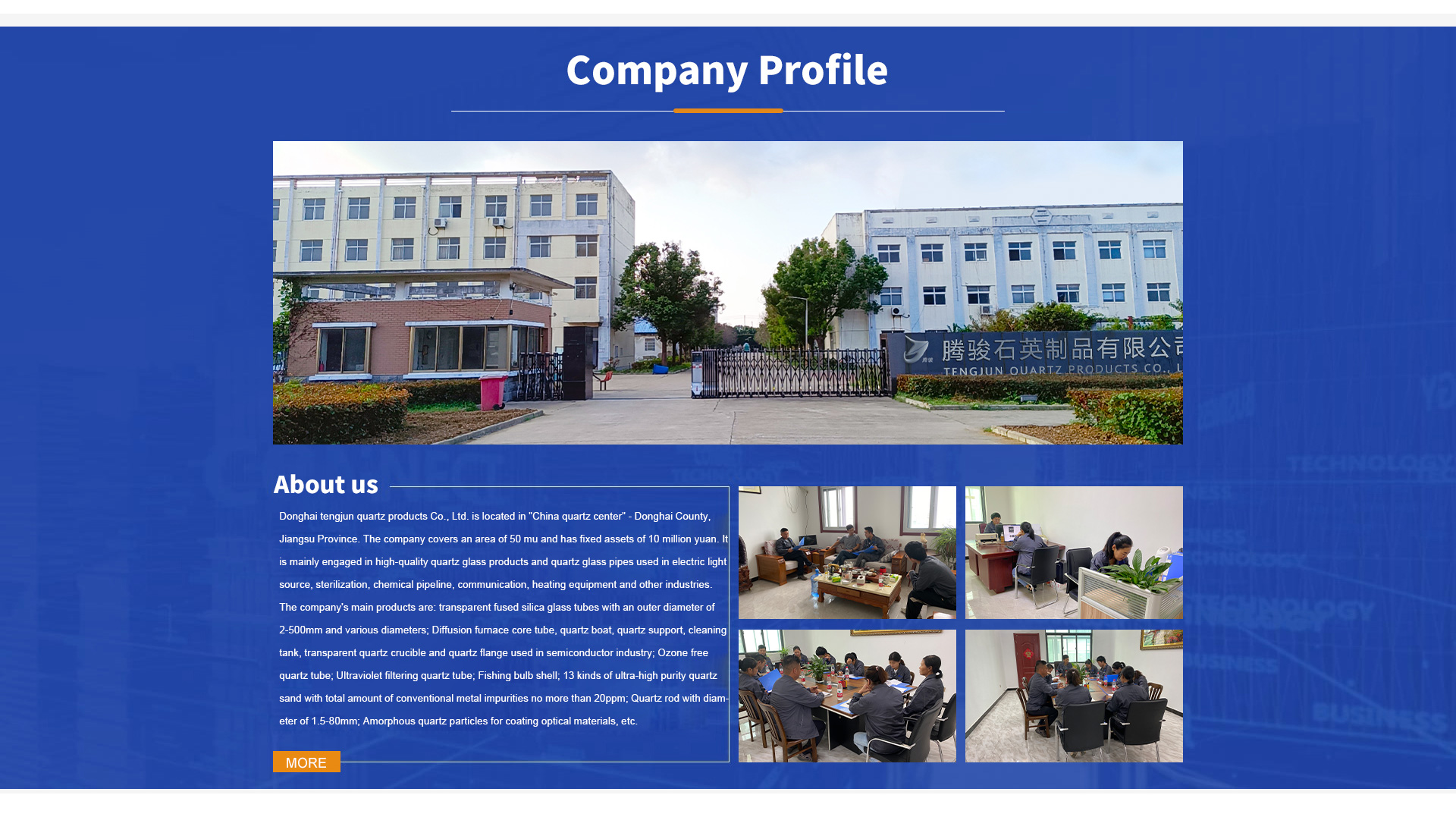
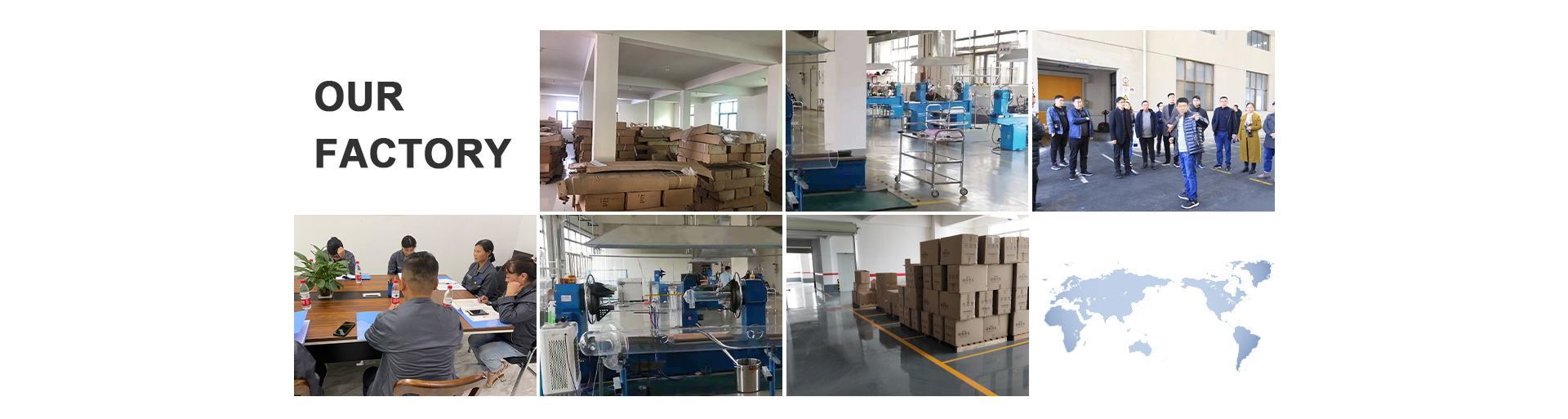
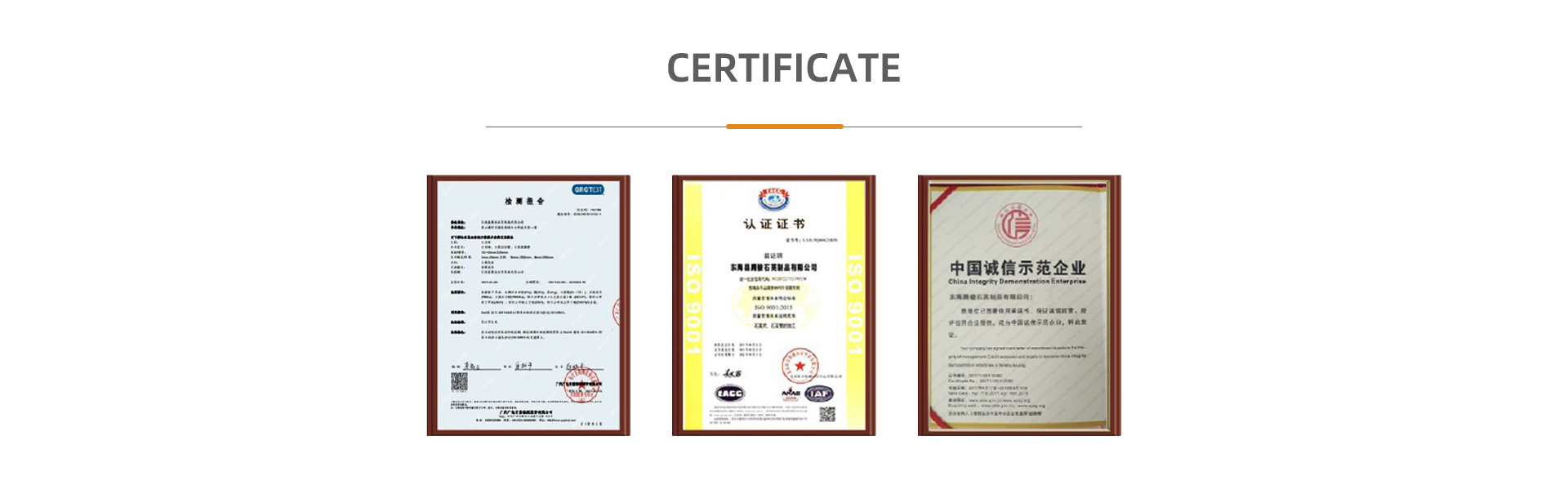
VEZLO Quartz Products Co., Ltd. operates an expansive 50-mu production complex backed by over RMB 10 million in fixed assets in Donghai County, Jiangsu Province—globally acknowledged as "China's Quartz Center". Our geographical proximity gives us privileged access to premium mineral sorting, complete industrial gas infrastructures, and the world's most concentrated thermal silica supply chain.
Unlike broker intermediaries, VEZLO reinvests no less than RMB 5 million every single year into scientific and technological innovation. Our technical prowess in high-purity silica enabled us to spearhead the Jiangsu Provincial Science and Technology Support (Industrial) Project, culminating in the breakthrough 320 mm diameter high-purity quartz tube for large-scale integrated circuits, and our newly engineered 520 mm diameter large-format quartz pipe, which has officially passed the preliminary review of National New Products. We are actively developing large-diameter furnace components for wafer oxidation (diffusion) furnaces exceeding 14 inches.
Direct technical answers addressing purity benchmarks, particle sizes, testing protocols, and export logistics.
Whether you require sample lots of 4N8 crucible inner-layer sand, tube-drawing granulate, or customized particle size distributions, our materials engineers provide complete chemical validation and competitive export pricing within 2 hours.