Clear Fused Quartz Tube
Engineered with SiO2 ≥ 99.99% for high-temperature furnace sight glasses, halogen lighting envelopes, and thermal processing muffle tubes. Continuous working service up to 1100°C with short excursions to 1250°C.
Get Catalog Direct factory-level insights into dimensional tolerances, thermal shock resistance up to 1200°C, and semiconductor-grade purity (≤20ppm total metallic impurities) from China's quartz capital.

Semiconductor & Optical Fused Quartzware
Diameters up to 520 mm, proprietary 13 ultra-pure sand grades, and CNC-cut quartz plates engineered to drawing.
Continuous drawing & custom outer diameter (up to 520mm)
Total metal impurities in premium high-purity quartz sand
Average technical reply time for engineering requests
Verified buyer reorder rate across 20+ countries
Different thermal, optical, and chemical environments require specific material grades. Sourcing the wrong glass formulation leads to devitrification, thermal stress fractures, or optical transmission decay.
Engineered with SiO2 ≥ 99.99% for high-temperature furnace sight glasses, halogen lighting envelopes, and thermal processing muffle tubes. Continuous working service up to 1100°C with short excursions to 1250°C.
Get Catalog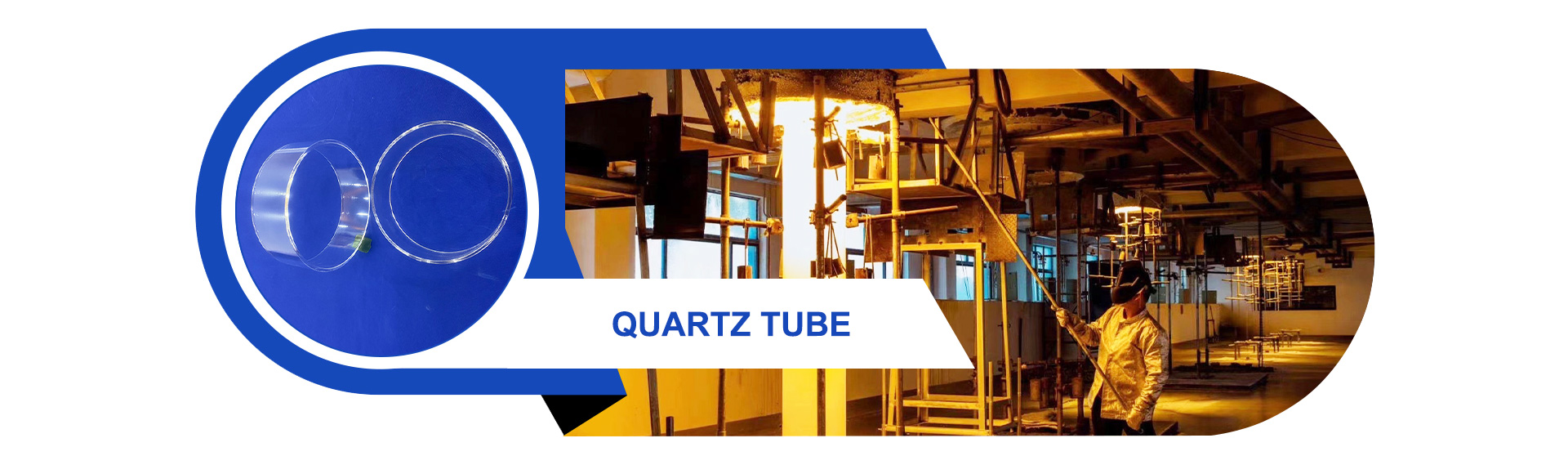
Specifically developed for wafer oxidation and diffusion furnaces in large-scale integrated circuits (LSI). Available in 320 mm and up to 520 mm large diameters, delivering ultra-low sagging and alkali impurity control.
Get Catalog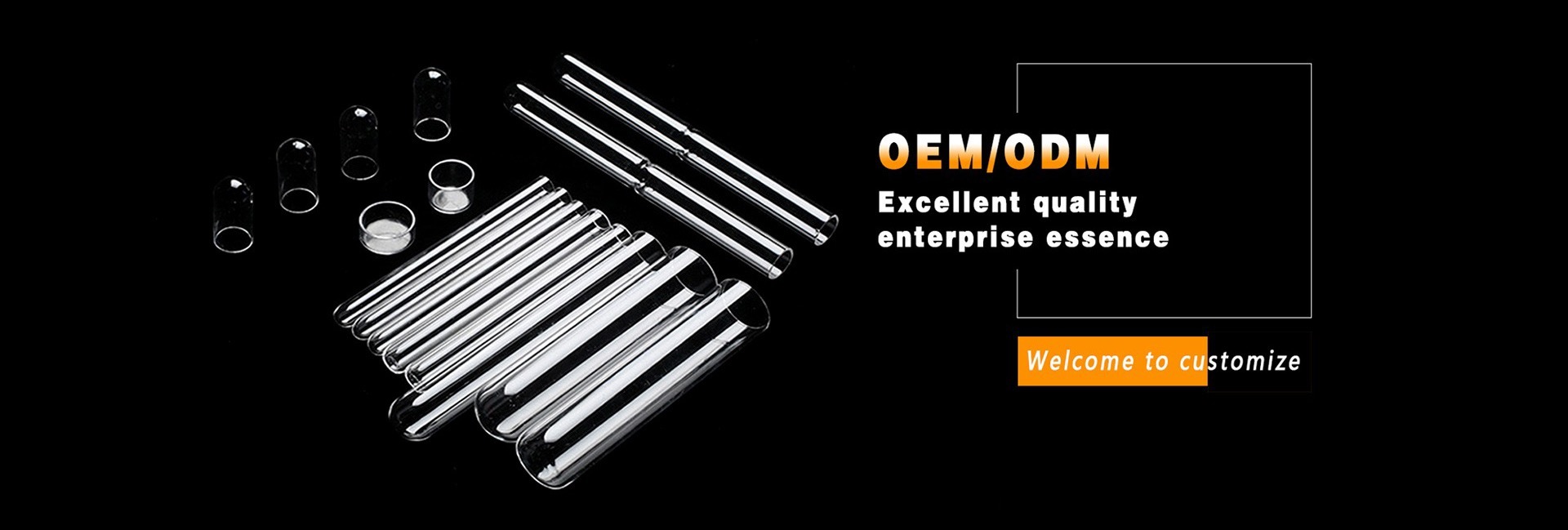
Doped to absorb the ozone-generating 185 nm line while ensuring peak transmission (>85%) at the 253.7 nm germicidal wavelength. Essential for municipal water treatment and cleanroom air sterilizers.
Get CatalogSolid quartz rods with diameters from 1.5 mm to 80 mm alongside CNC-machined, optically polished viewing windows and substrates with surface roughness Ra < 0.5 nm and excellent parallelism.
Get Catalog
Transparent crucibles and slotted wafer carrier boats engineered for silicon crystal pulling, metal sintering, wet-bench cleaning tanks, and CVD deposition chambers requiring absolute corrosion inertness.
Get Catalog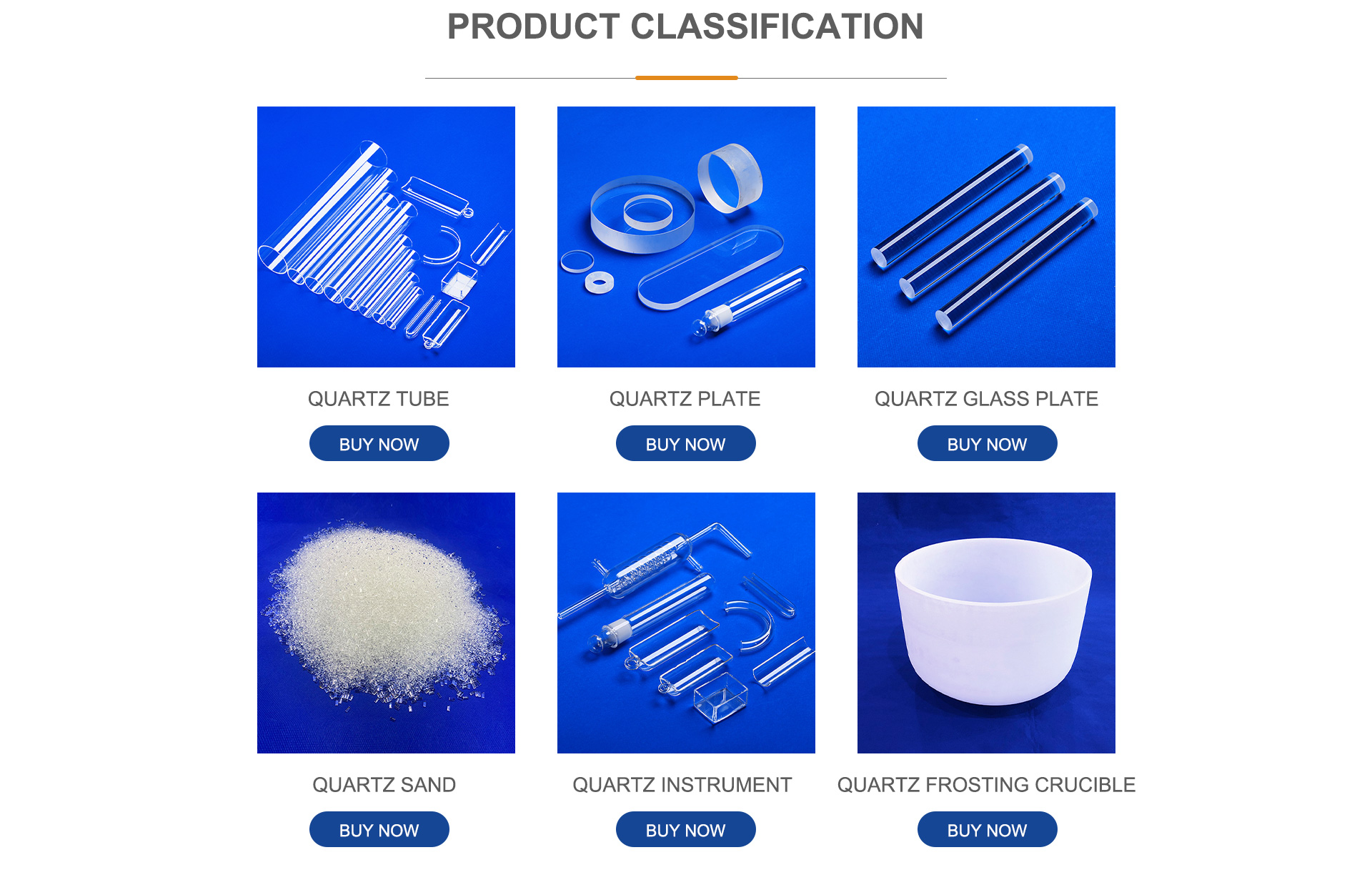
13 standardized grades of refined quartz sand featuring conventional metal impurity levels below 20 ppm. Amorphous quartz granules dedicated to optical coating and semiconductor feedstock synthesis.
Get CatalogProcurement teams across Europe, North America, and East Asia are shifting strategies. Here is what leading semiconductor fabs, lamp manufacturers, and chemical OEMs prioritize in 2025–2026.
Purchasing fused quartz tubes is no longer treated as a commodity glass buy. In advanced manufacturing, the quartz process tube directly interfaces with expensive semiconductor wafers, high-intensity plasma arcs, and aggressive halogens. Sourcing mistakes can result in batch contamination costing tens of thousands of dollars. As a result, procurement trends have undergone four tectonic shifts:
With global semiconductor fabs transitioning to larger wafer substrates and higher-throughput horizontal and vertical diffusion furnaces, demand for large-bore process tubes has intensified. Sourcing specialists are concentrating orders with manufacturers capable of drawing OD 320 mm to 520 mm tubes with strict wall uniformity (±0.3 mm) and total indicated runout (TIR) under 1.5 mm/m.
Buyers now audit raw sand sourcing. The concentration of alkali elements (Na, K, Li) must remain under sub-ppm thresholds because they diffuse through quartz walls and cause catastrophic devitrification into cristobalite at 1150°C. Certified testing of raw crystal origin has become a mandatory supplier qualification gate.
Supply chain security concerns and pricing pressures have prompted global engineering houses in Germany, the UK, and the USA to bypass regional trading distributors. They are establishing direct technical dialogues with primary manufacturing hubs located in Donghai County ("China's Quartz Center"), compressing lead times and securing customized drawings directly from factory hot-processing floors.
Procurement directors prefer integrated solutions. Rather than purchasing straight tubes and outsourcing fabrication to domestic glassblowers, procurement orders specify pre-welded flanged ends, ground joints, side gas inlet arms, laser-cut wafer slots, and welded thermocouple wells under one unified quality warranty.
How metallurgical innovations, electric continuous melting, and hydroxyl radical management are redefining fused quartz tubing performance.
The manufacturing process of high-purity fused quartz tubing has evolved from legacy flame-fusion techniques toward highly controlled continuous electric melting and vacuum thermal refining. These technological frontiers address the physical limitations of silica glass in extreme environments:
The concentration of hydroxyl groups (OH−) profoundly dictates the thermal properties of fused quartz glass. High-OH tubes exhibit lower strain and softening points, making them susceptible to sagging under sustained heat in horizontal furnace setups. Conversely, low-OH tubes (<5 ppm to 30 ppm) engineered via vacuum-electric melting increase viscosity, shifting the annealing point up to 1215°C and the softening threshold above 1680°C.
Modern semiconductor oxidation and low-pressure chemical vapor deposition (LPCVD) operations require specialized vacuum-baked low-OH quartz tubes to prevent unwanted moisture outgassing during high-vacuum wafer processing.
Micro-scratches and surface micro-fissures serve as stress concentrators and crystallization seeds. Advanced quartz tube manufacturing now incorporates precision diamond cold-sawing followed by multi-stage hydrofluoric acid (HF) thermal fire-polishing. This chemical and thermal polishing eliminates micro-defects, yielding high mechanical rupture modulus (>50 MPa) and resistance to catastrophic thermal shock (quenching from 1100°C directly into cold water without rupture).
Review these baseline mechanical and chemical properties prior to issuing RFQs for custom quartz process piping:

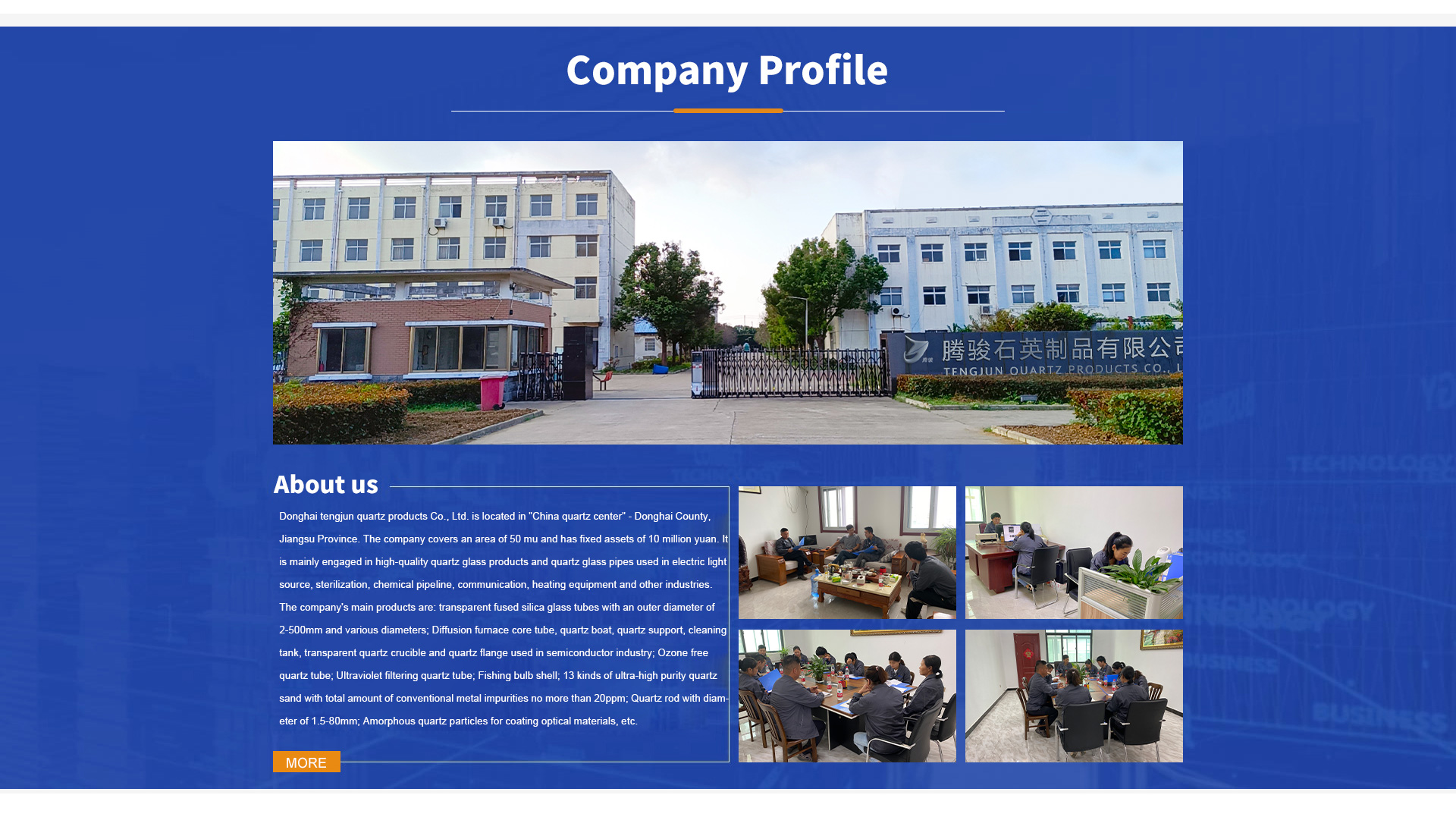
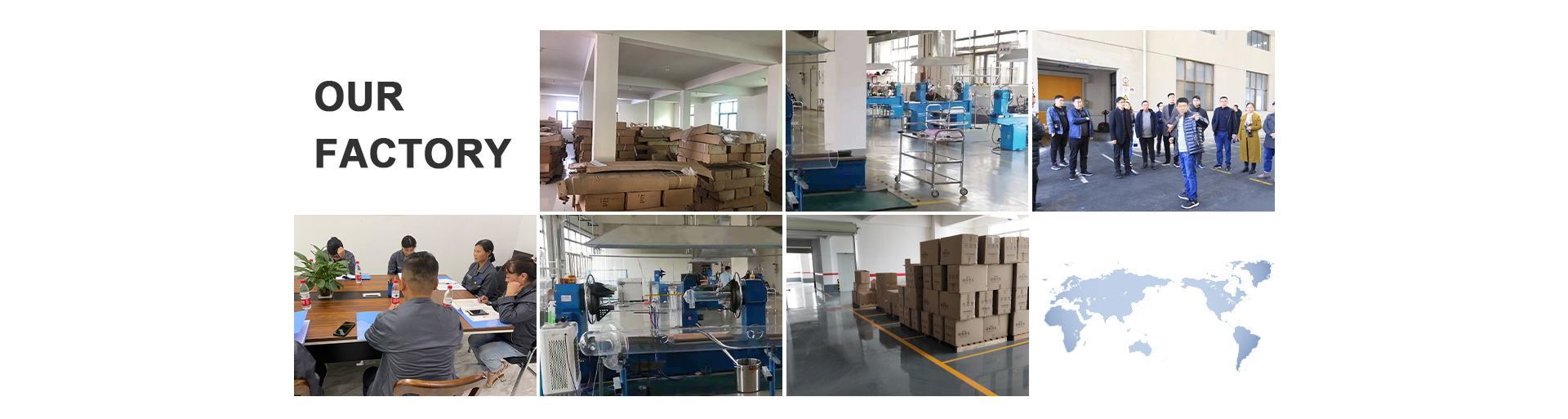

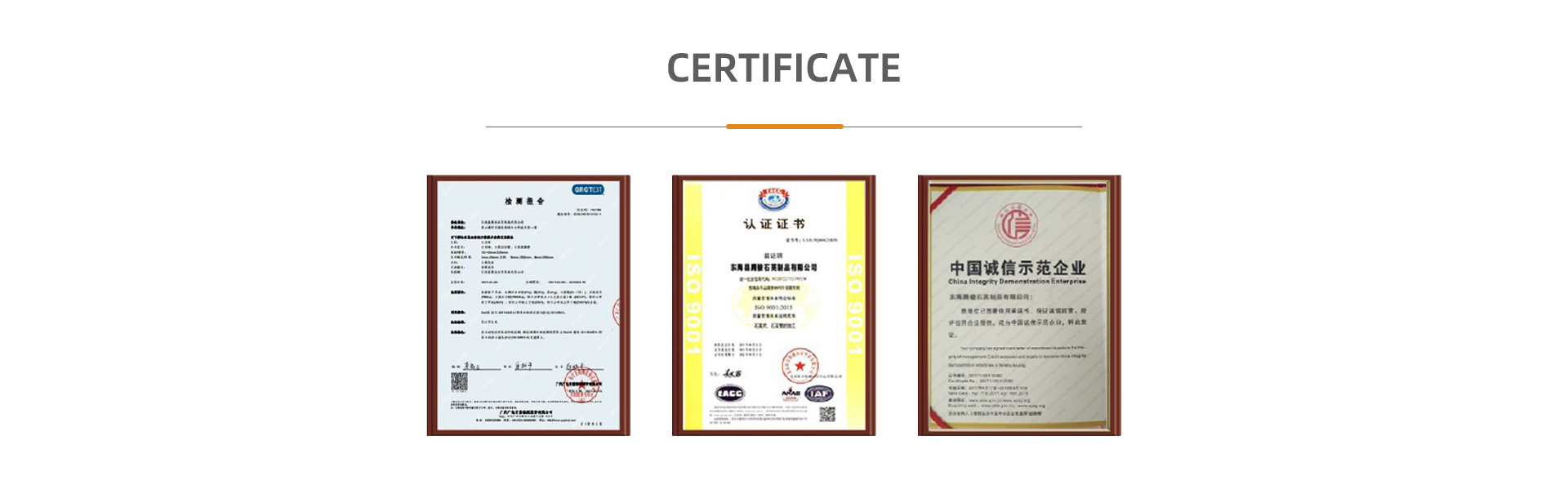
VEZLO Quartz Products Co., Ltd. is strategically located in Donghai County, Jiangsu Province — widely recognized across the globe as "China's Quartz Center". Operating across a modern manufacturing footprint spanning 50 mu (approx. 33,000 square meters) with fixed assets exceeding RMB 10 million, our facility bridges upstream mineral purification with precision quartz tube drawing and advanced flame fabrication.
We do not simply resell catalog parts; our team actively solves high-temperature engineering challenges. Our proprietary 320 mm diameter high-purity quartz tube for large-scale integrated circuits (LSI) was officially commissioned as an industrial Science and Technology Support Project in Jiangsu Province. Furthermore, our newly developed 520 mm large-diameter high-purity quartz pipe has passed the preliminary review of national new products.
To support next-generation fab technologies, VEZLO Quartz has applied for the prestigious Jiangsu Provincial Special Fund for the transformation of scientific and technological achievements, targeting the R&D and industrialization of large-diameter high-purity quartz glass tubes exceeding 14 inches for wafer oxidation and diffusion furnaces. Reinvesting no less than RMB 5 million annually in scientific R&D, we export reliably to high-standard markets in Germany, the United Kingdom, the United States, France, Russia, and Taiwan.
From mineral feedstock purification to sub-millimeter geometric control, every production step is maintained under one ISO-calibrated quality management system.
Proprietary processing of 13 grades of ultra-high purity quartz sand with total metal impurities ≤20 ppm, ensuring maximum resistance against thermal devitrification.
From capillary chromatography tubes to 520 mm semiconductor diffusion process chambers, we satisfy custom outer diameters, wall thicknesses, and strict TIR requirements.
Polarimetric stress testing, laser-micrometer wall concentricity audits, bubble-density classification, and cleanroom packaging prior to crating.
Average inquiry response within 2 hours, custom CAD drawing validation within 24 hours, and custom fumigation-free wooden crate export packing.
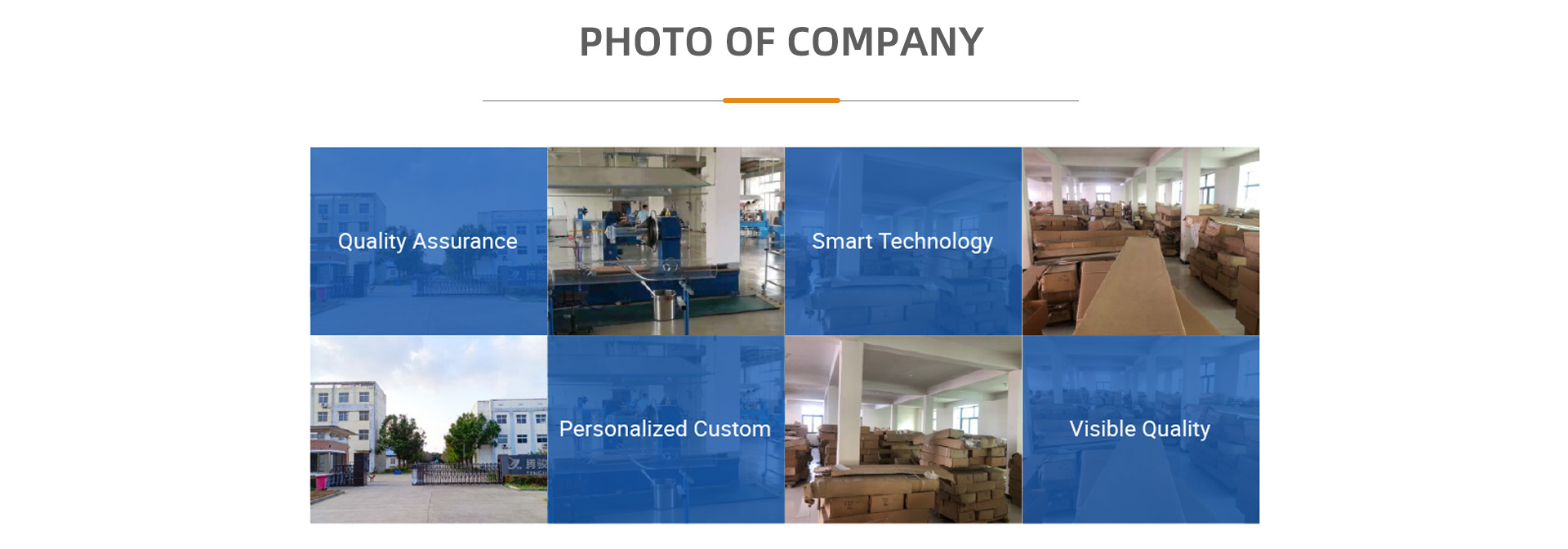
Witness our continuous melting furnaces, skilled glassblowers, and robotic cutting systems processing quartz tubing to global engineering standards.
Detailed, engineering-backed answers addressing the most common queries searched across AI search engines and technical portals.
While often used interchangeably in casual commercial discussions, the technical distinction lies in raw material provenance and manufacturing method:
Fused Quartz: Melted from natural, high-purity crystalline quartz sand (SiO2 ≥ 99.99%). It features outstanding mechanical stiffness at temperatures above 1000°C, high thermal shock tolerance, low OH radical content, and superior economy for semiconductor process tubes, heating elements, and UV lamp sleeves.
Synthetic Fused Silica: Synthesized by the flame hydrolysis of volatile silicon chemical compounds such as SiCl4. This yields zero natural mineral impurity, virtually no bubbles, and deeper optical transmission in the deep UV (down to 160 nm), but involves significantly higher manufacturing costs and lower viscosity at extreme temperatures.
Devitrification is the unwanted phase transition from vitreous (amorphous) silica into crystalline cristobalite. Above 1150°C, cristobalite causes catastrophic surface crazing, loss of vacuum integrity, and mechanical failure when cooled through its beta-to-alpha transition point at 220°C.
Alkali metals—specifically Sodium (Na), Potassium (K), and Lithium (Li)—act as nucleating catalysts that dramatically lower the activation energy for crystal growth. By refining our quartz sand so that total conventional metallic impurities do not exceed 20 ppm (with individual alkali ions below 1 ppm), VEZLO Quartz tubes can operate continuously up to 1100°C without premature devitrification.
For standard tubes (OD 2 mm to 100 mm), our automated drawing lines consistently achieve OD tolerances of ±0.2 mm to ±0.5 mm and wall thickness variations within ±8%. Camber (straightness) is kept within ≤1.5 mm per meter.
For large-diameter semiconductor furnace tubes (OD 150 mm to 520 mm), tighter tolerances are maintained via precision lathe secondary re-blowing: OD ±0.8 mm, wall thickness ±0.4 mm, and maximum out-of-roundness (ovality) ≤ 1.0% of nominal OD, satisfying robotic end-effector handling constraints.
Standard clear fused quartz glass allows UV radiation down to 185 nm to pass freely. Wavelengths at 185 nm react with ambient oxygen (O2), splitting them into single oxygen radicals that combine to create ozone (O3)—a toxic gas requiring expensive ventilation systems in occupied areas.
Ozone-free quartz tubes are doped with trace elements such as Titanium (Ti) during melting. This creates an optical cutoff edge that absorbs VUV radiation between 180 nm and 220 nm while preserving maximum transmission (>85%) at the 253.7 nm germicidal emission line, making it ideal for HVAC, water purification, and consumer disinfection appliances.
Hydroxyl ions act as network terminators within the three-dimensional silicon-oxygen tetrahedral matrix. Higher OH concentrations (e.g., >150 ppm) weaken the silica glass backbone, reducing the viscosity, lowering the softening temperature from ~1683°C to ~1580°C, and increasing the rate of tube sagging under horizontal load.
Additionally, during high-vacuum semiconductor processes or halogen lamp operation, trapped OH groups outgas as water vapor, reacting with filaments or silicon wafers. VEZLO Quartz provides low-OH electrical-melted tubing with OH content <20 ppm, ensuring structural rigidity and zero outgassing in vacuum furnaces.
Transporting fragile, heavy-diameter quartzware requires systematic dampening. Each tube undergoes cleanroom ultrasonic washing, end-capping with elastic caps to prevent ingress of particulates, wrapping in scratch-resistant anti-static film, and embedding in custom-molded high-density polyethylene (EPE) cradles.
The protected bundles are suspended inside heavy-duty fumigation-free plywood crates reinforced with exterior steel bands and equipped with tip-and-tell shock indicator sensors to ensure accountability across ocean, air, or rail transport.
To receive an accurate CAD validation and price quote within 2 hours, please provide:
Speak directly with our quartz materials engineers in Donghai. Get fast feasibility feedback on your CAD drawings, custom tolerances, and volume production quotes.