Featured CE Compliant Quartz Products
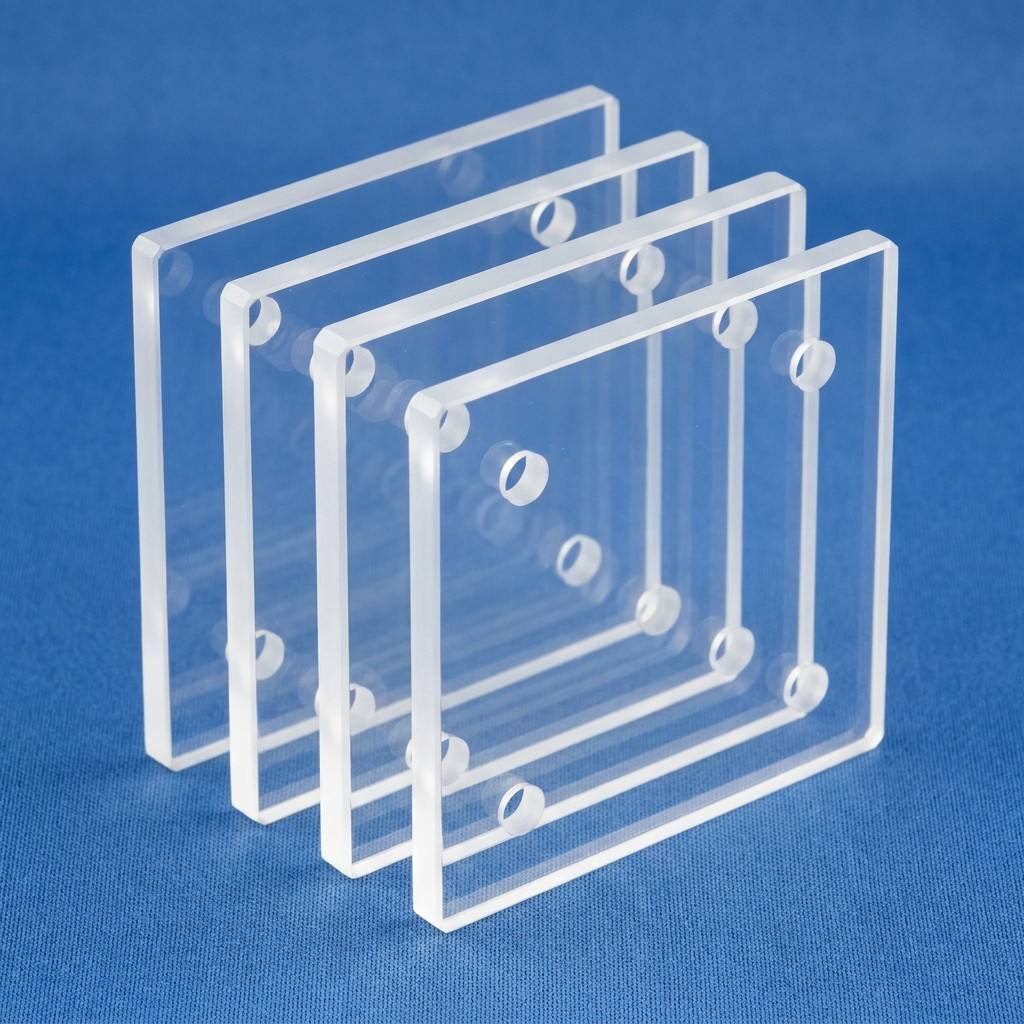
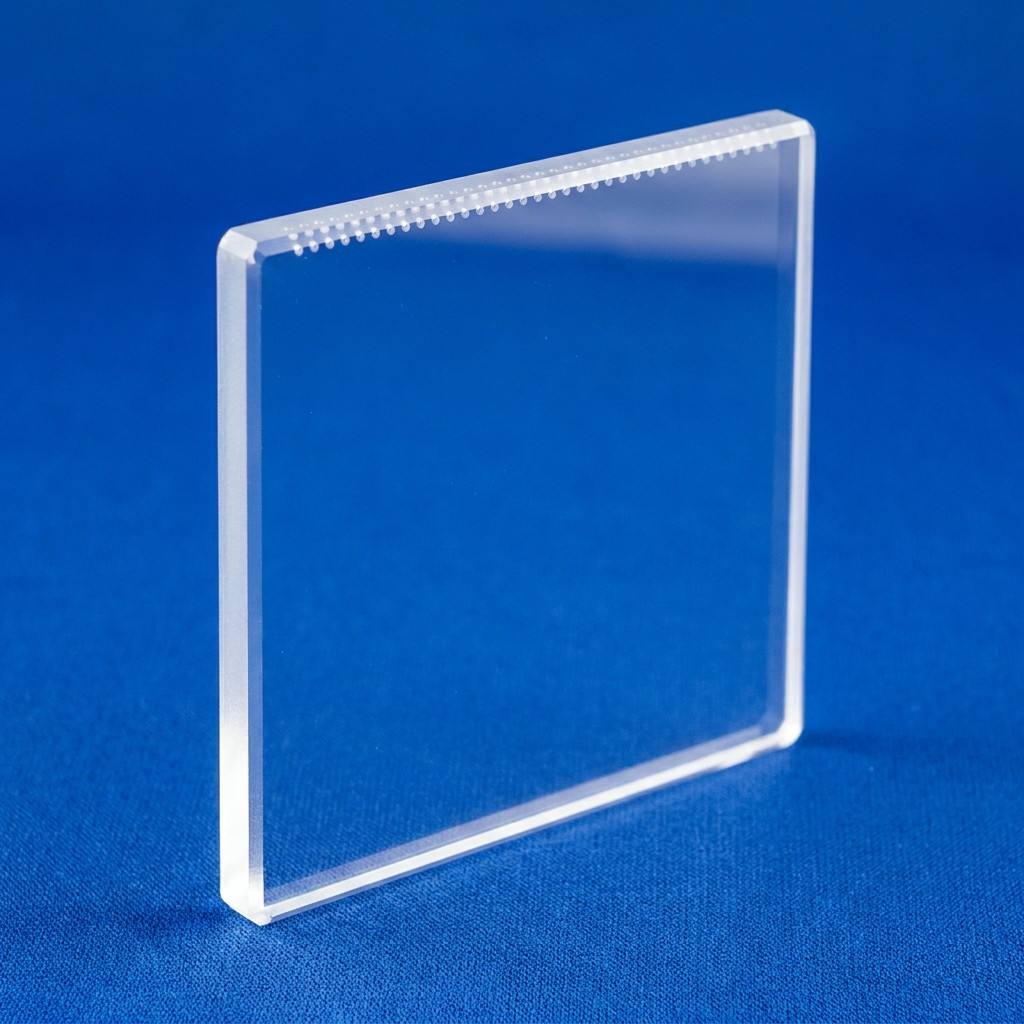
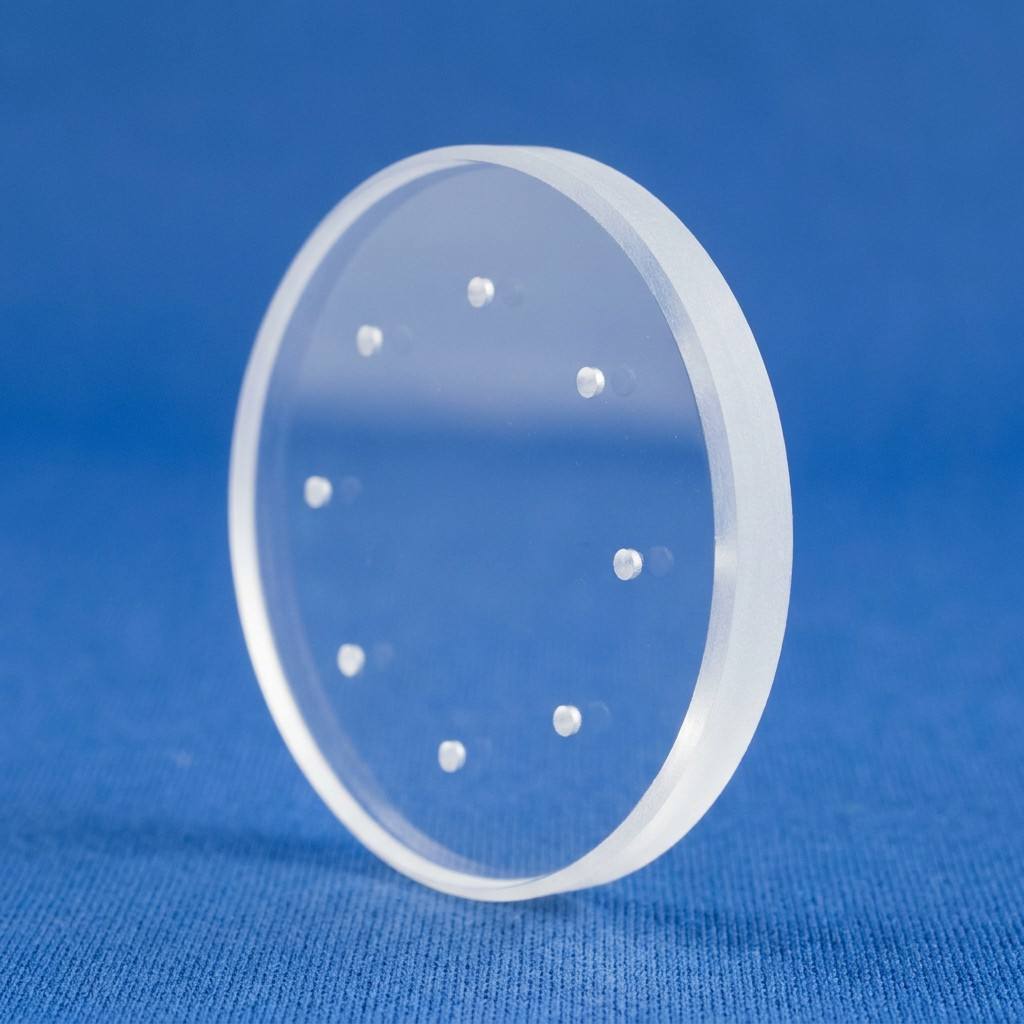
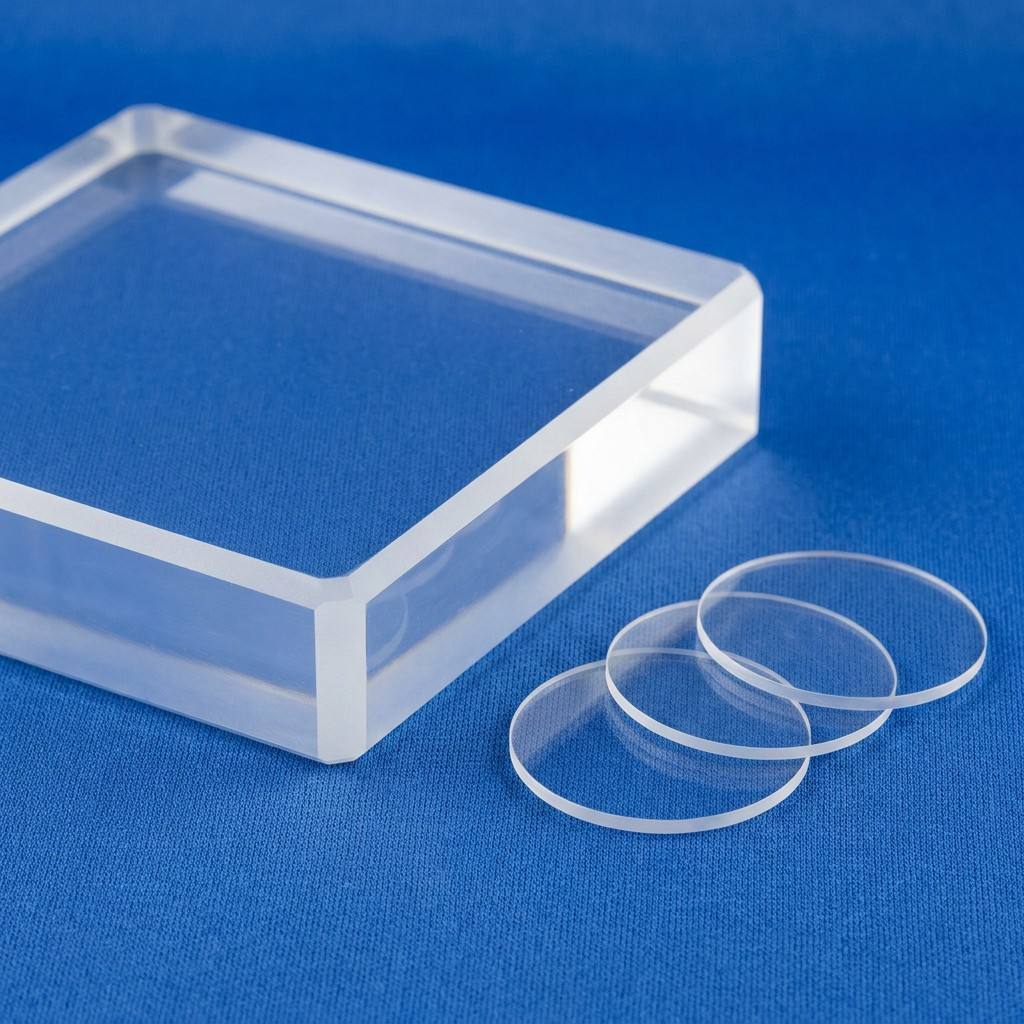
Direct from our Donghai melting and continuous tube drawing facilities. High optical clarity, extreme thermal resistance, and custom CNC geometry manufactured to your project drawings.

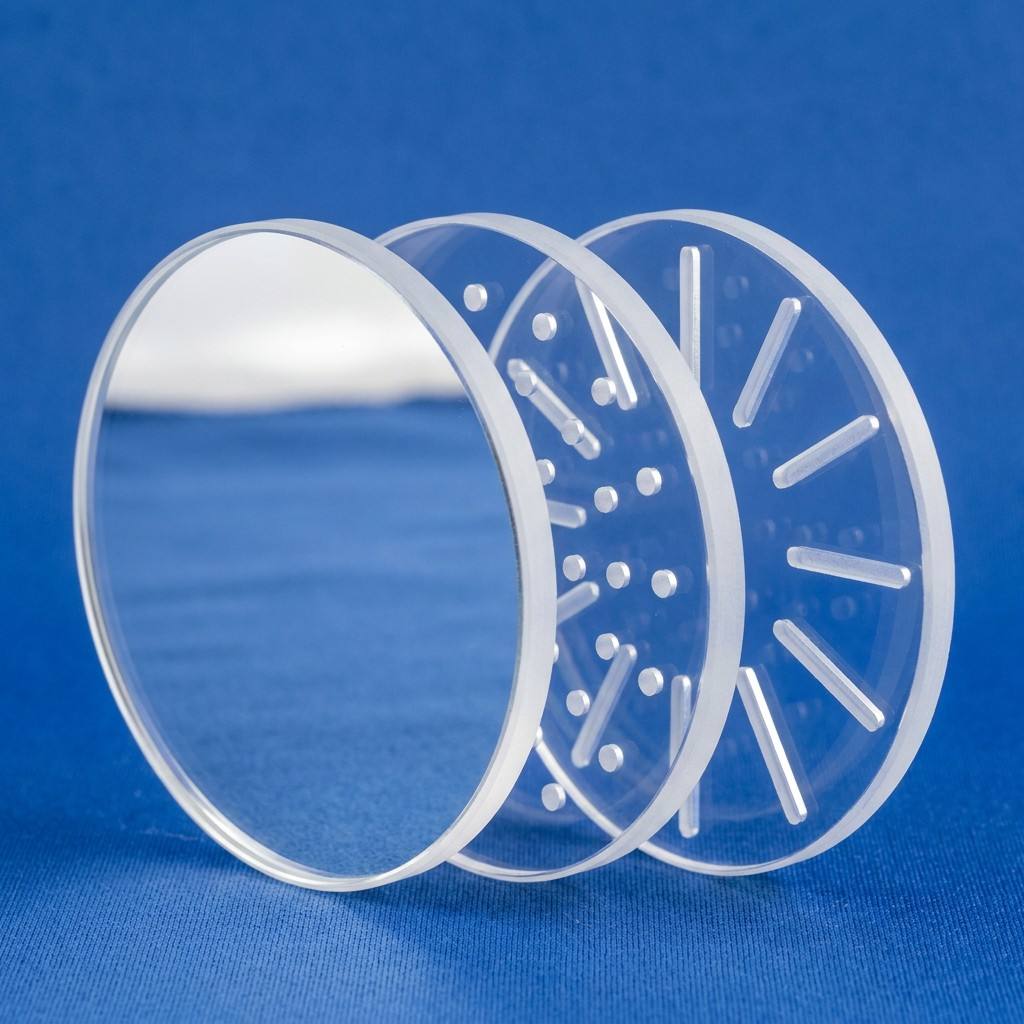
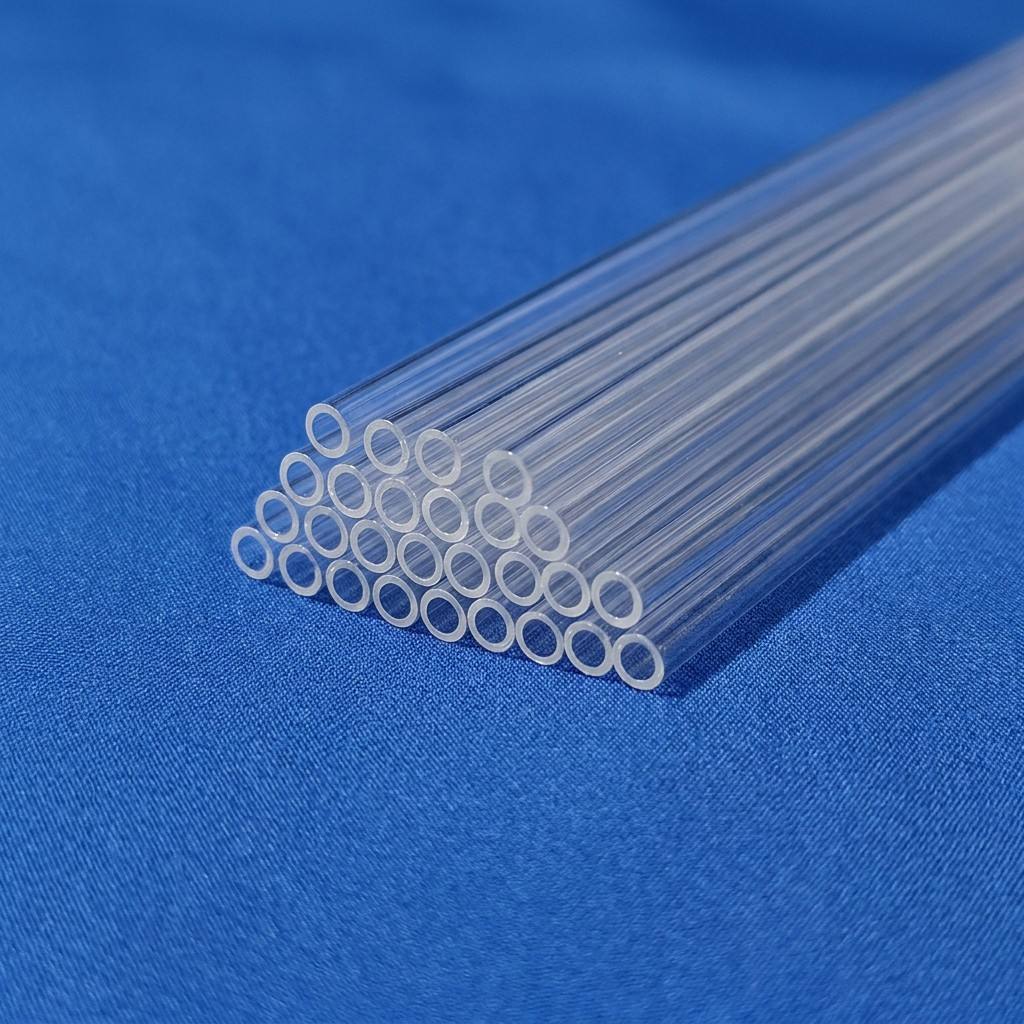

Engineering Metallurgy of CE Certified Quartz Glass Sleeves
In rigorous industrial thermodynamic and photochemical environments, a CE certified quartz glass sleeve serves as far more than an inert transparent barrier. It operates as a critical dielectric boundary, an optical bandpass filter, and an extreme thermal shield. Fused quartz manufactured from high-purity natural crystalline silica (≥ 99.99% SiO₂) delivers an ultra-low linear coefficient of thermal expansion of approximately 5.5 × 10⁻⁷ /°C. This exceptional thermodynamic property allows thin-walled and thick-walled sleeves to withstand severe thermal shocks—such as rapid quenching from 1,100°C into ambient cold water without mechanical fracturing or structural micro-cracking.
Meeting European CE conformity mandates—specifically alignment with the Low Voltage Directive (LVD 2014/35/EU), the Electromagnetic Compatibility Directive (EMC 2014/30/EU), and applicable Pressure Equipment Directive (PED 2014/68/EU) provisions—demands uncompromised control over glass microstructural consistency. Trace contamination from alkali metals such as Sodium (Na), Potassium (K), and Lithium (Li) acts as catalytic nucleation sites for cristobalite formation at temperatures above 1,000°C. Devitrification weakens structural yield stress, causes clouding, and dramatically impairs dielectric breakdown performance. By sourcing raw silica refining directly within Donghai County—China's recognized quartz epicenter—our metallurgical processes restrict total alkali metal content below 1.5 ppm, achieving total metallic impurity profiles ≤ 20 ppm across all continuous-draw furnace runs.
Technical Specification Matrix
Baseline physical, mechanical, and dielectric metrics for VEZLO fused quartz glass sleeves. Certified against ISO 9001 quality infrastructure and CE industrial directives.
| Physical / Chemical Property | Certified Value (Metric) | Testing Standard / Methodology | Industrial Design Significance |
|---|---|---|---|
| Silicon Dioxide (SiO₂) Purity | ≥ 99.99% (Optical: ≥ 99.999%) | ICP-OES / GD-MS Spectrometry | Prevents chemical leaching and thermal crystallization |
| Hydroxyl (OH⁻) Concentration | < 5 ppm (Dry) to 30 ppm (Standard) | FTIR Infrared Absorption (2.73 μm) | Reduces vacuum UV solarization; elevates annealing points |
| Continuous Service Temperature | 1,100 °C | Static Thermal Loading Testing | Withstands severe furnace, burner, and lamp environments |
| Peak Short-Term Temperature | 1,300 °C | Controlled Thermal Excursion Test | Accommodates acute system spikes without geometry loss |
| Softening Point (Log η = 7.6) | 1,683 °C | Dilatometric Viscosity Analysis | Defines upper mechanical boundary and flame-forming zone |
| Annealing Point (Log η = 13.0) | 1,215 °C | Beam Bending Viscometry (BBV) | Internal stress-relief threshold post flame-finishing |
| Dielectric Strength (20°C, 1MHz) | 25 – 40 kV/mm | ASTM D149 Dielectric Breakdown | High-voltage insulation for DBD ozone generators & corona |
| UV Transmission Spectrum (254 nm) | ≥ 88% – 92% (at 2.0 mm wall) | Spectrophotometric Transmission Scan | Maximizes germicidal irradiance in UV disinfection arrays |
| Refractive Index (nd at 589.3 nm) | 1.4585 | Abbe Refractometry | Low dispersion optical performance in laser shielding |
Strategic Sleeve Typologies & Procurement Recommendations
Selecting the correct quartz glass sleeve grade requires balancing spectral transmission curves, tube end-geometry modifications, wall concentricity, and thermal stress budgets.
UV Disinfection & Photochemical Sleeves
Engineered exclusively to protect low-pressure and medium-pressure UV amalgam lamps in municipal wastewater, ballast water treatment systems, and ultrapure pharmaceutical water loops. Available in standard clear fused quartz (transmitting both 185 nm and 254 nm) or doped ozone-free quartz, which incorporates trace titanium oxide dopants to absorb the 185 nm vacuum line while sustaining > 90% transmission at the primary 253.7 nm germicidal wavelength. End finishes include domed round bottom, flat bottom, open fire-polished cut, or precision-machined threads.
High-Voltage Dielectric Barrier Discharge (DBD) Sleeves
Designed for corona treatment stations and industrial ozone generation systems where uniform wall thickness and concentricity are mission-critical. Uneven wall thickness causes localized electric field concentration, prompting premature dielectric punch-through and catastrophic system shutdown. Our CNC-ground and precision-drawn DBD tubes guarantee concentricity within ± 0.05 mm and dielectric breakdown ratings up to 40 kV/mm, providing sustained resistance against aggressive atomic oxygen and nitrogen oxide corrosion.
Semiconductor Furnace & Thermal Sleeves
For horizontal/vertical diffusion, oxidation, and LPCVD processes. Scaled from standard bore dimensions up to large-format 520 mm outer diameter envelopes engineered to accommodate advanced wafer carriers and silicon carbide boats. Characterized by virtually zero bubble density (ISO Class 0/1), ultra-low heavy metal content (< 0.1 ppm Cu, Fe, Ni), and strict dimensional accuracy that mates seamlessly with water-cooled stainless steel vacuum flanges and O-ring assemblies.
Future Procurement Trends in Industrial Quartz
How evolving regulatory landscapes, advanced semiconductor nodes, and deep-UV purification requirements are transforming global procurement strategies through 2030.
Rise of Synthetic Silica Substitution
While natural fused quartz remains the cost-effective benchmark for standard UV and thermal barrier applications, next-generation semiconductor lithography, excimer curing (172 nm), and chemical synthesis are driving procurement shifts toward synthetic fused silica (SiCl₄ derived). Synthetic sleeves exhibit negligible metallic content (< 0.1 ppm total) and zero bubble inclusions, mitigating the risk of solarization under extreme gigawatt-level photonic exposures.
Tightening CE & ESG Traceability
European industrial buyers increasingly mandate end-to-end supply chain transparency under the Corporate Sustainability Due Diligence Directive (CSDDD). CE certification is no longer treated as a self-declared formality; enterprise procurement teams now demand full third-party batch test reports (ICP-OES metallic analysis), RoHs/REACH SVHC declaration sheets, and cradle-to-gate carbon intensity verification for continuous electric melting furnaces.
Sub-Millimeter Near-Net-Shape CNC Machining
Procurement trends reflect a decisive move away from purchasing raw stock tubes for off-site secondary processing. Modern engineering teams request near-net-shape components straight from the primary exporter: laser-cut slotted quartz sleeves, precision-beveled edges, flame-polished o-ring seating steps, and ultrasonically drilled sensor entry ports. Primary factory execution dramatically reduces breakages, thermal micro-cracks, and total landed product costs.
Rooted in Donghai: The Epicenter of Fused Quartz Glass
VEZLO Quartz Products Co., Ltd. operates an integrated 50-mu (≈ 33,000 m²) production complex in Donghai County, Jiangsu Province—globally renowned for rich silica deposits, deep mineral processing infrastructure, and concentrated glassblowing craftsmanship. Leveraging over RMB 10 million in fixed production assets, our integrated manufacturing lines manage every phase: from high-purity crystalline sand calcination, electric vacuum melting, and continuous horizontal/vertical tube drawing to precision CNC cold finishing and hot glass flame synthesis.
-
Provincial Science & Technology R&D Recognition:
Our large-scale 320 mm high-purity quartz tube project was selected and funded under the prestigious Jiangsu Provincial Science & Technology Support (Industrial) Project. Additionally, our breakthrough 520 mm large-diameter high-purity tube for 14-inch semiconductor diffusion furnaces has completed the preliminary review for national new products.
-
Proprietary High-Purity Raw Sand Control:
We refine and formulate 13 specialized grades of ultra-high-purity quartz sand with total metallic impurities strictly limited to ≤ 20 ppm. This upstream supply chain control prevents internal bubble lines, seed inclusions, and structural devitrification flaws before melting begins.
-
Rapid Engineering Verification & Verified Reorder Rate:
Supported by English-speaking application engineers, our inquiry desk guarantees an average response time of ≤ 2 hours. This engineering depth and dimensional consistency has produced a verified 50% repeat customer order rate across European, North American, and Asian industrial markets.
Manufacturing Verification
Independent onsite verification performed by Alibaba.com and third-party inspection agencies. Every production batch of quartz glass sleeves is certified for dimensional compliance, optical transmission, and annealing stress balance.
Frequently Asked Questions
Essential technical, compliance, and logistics questions addressed by our engineering and export compliance teams.
What specific standards govern the "CE Certification" of quartz glass sleeves?
+
How do you differentiate between ozone-free and standard ozone-generating quartz sleeves?
+
What dimensional tolerances can be maintained across large-diameter quartz sleeves?
+
Why is hydroxyl (OH⁻) content critical when ordering thermal barrier sleeves?
+
How are high-aspect-ratio fragile quartz sleeves protected during international sea and air freight?
+
Can VEZLO customize custom end geometry, domed ends, and mounting flanges to CAD drawings?
+
Initiate Your Custom Quartz Glass Sleeve RFQ
Direct factory consultation with Donghai's leading quartz manufacturer. Share your CAD drawings, dimensional limits, operating thermal envelopes, and annual volume requirements for a verified engineering assessment and competitive quotation within 2 hours.