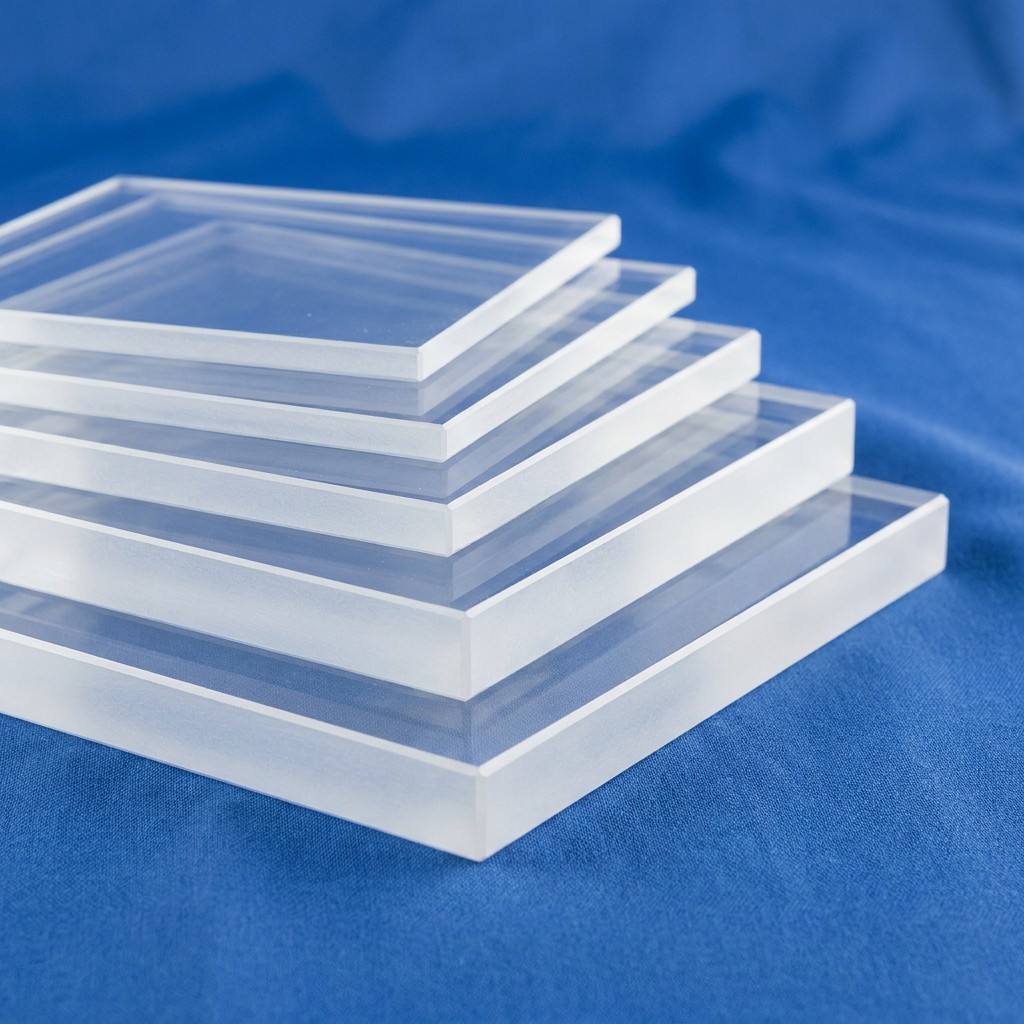
Quartz Fireplace Viewing Glass Plate Heat Resistant Fused Silica
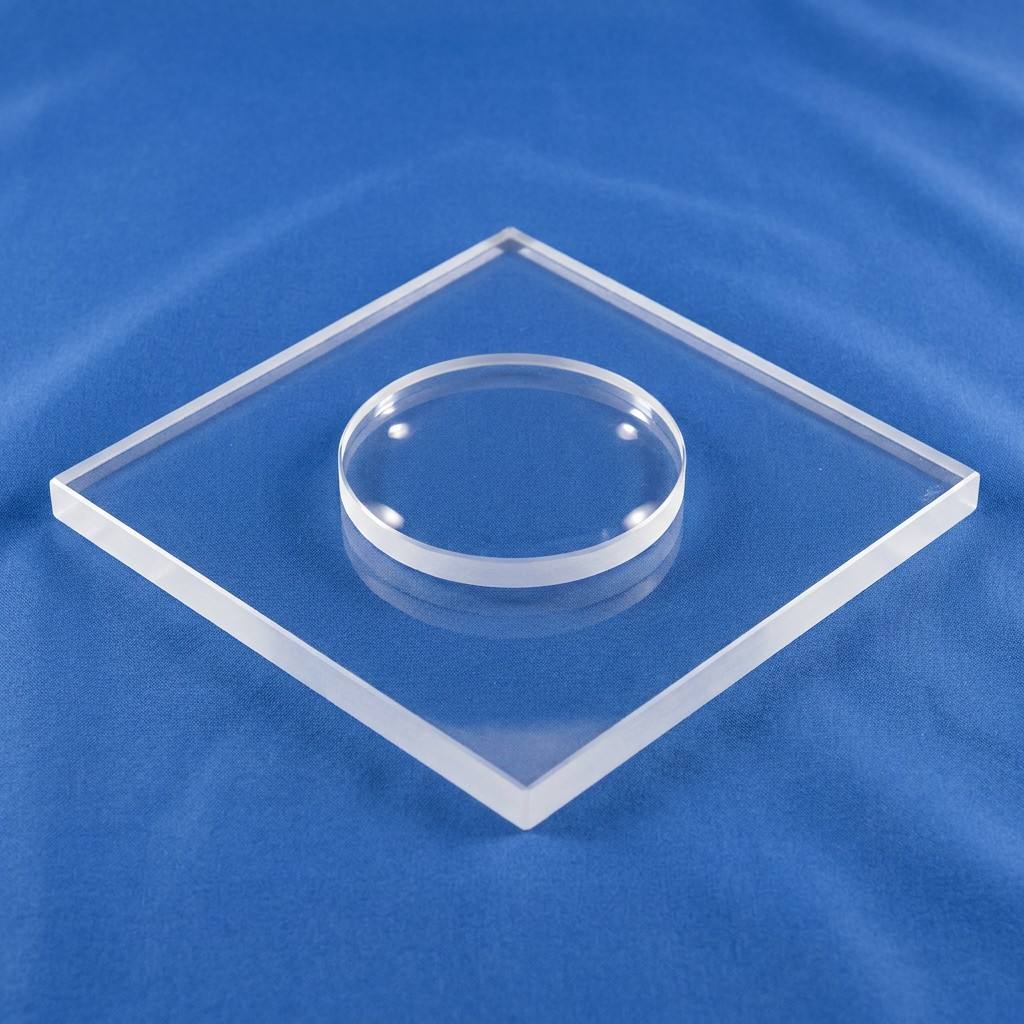
Ultra-low thermal expansion (5.5 × 10⁻⁷/°C) plate engineered for continuous 1100°C furnace observation and fireplace applications.
Explore SpecsEngineered from raw ultra-pure silica melt to micron-calibrated geometries. Discover our top-tier export items rigorously tested for elevated temperature durability, optical clarity, and chemical inertness.
Ultra-low thermal expansion (5.5 × 10⁻⁷/°C) plate engineered for continuous 1100°C furnace observation and fireplace applications.
Explore Specs
JGS1/JGS2 double-sided polished optical plates offering >92% deep UV-to-infrared light transmittance without distortion.
Explore Specs
Waterjet and ultrasonic diamond core-drilled plate designed for chemical sensor probes, feedthroughs, and reactor flanges.
Explore Specs
Dielectric barrier discharge (DBD) tubular envelope engineered with uniform concentricity for high-voltage ozone generators.
Explore Specs
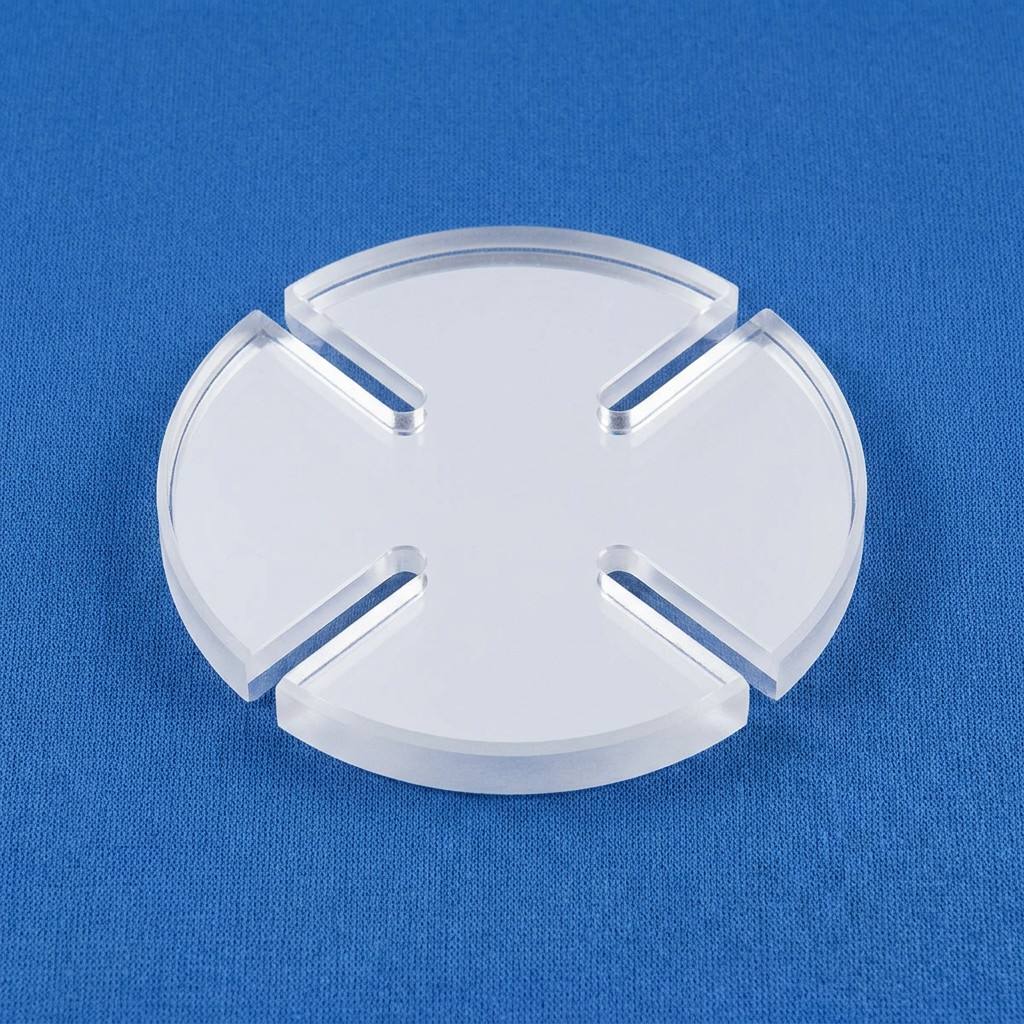
Precision lapped disc wafer serving as plasma etch chamber observation port, thin-film deposition base, or sight glass.
Explore Specs
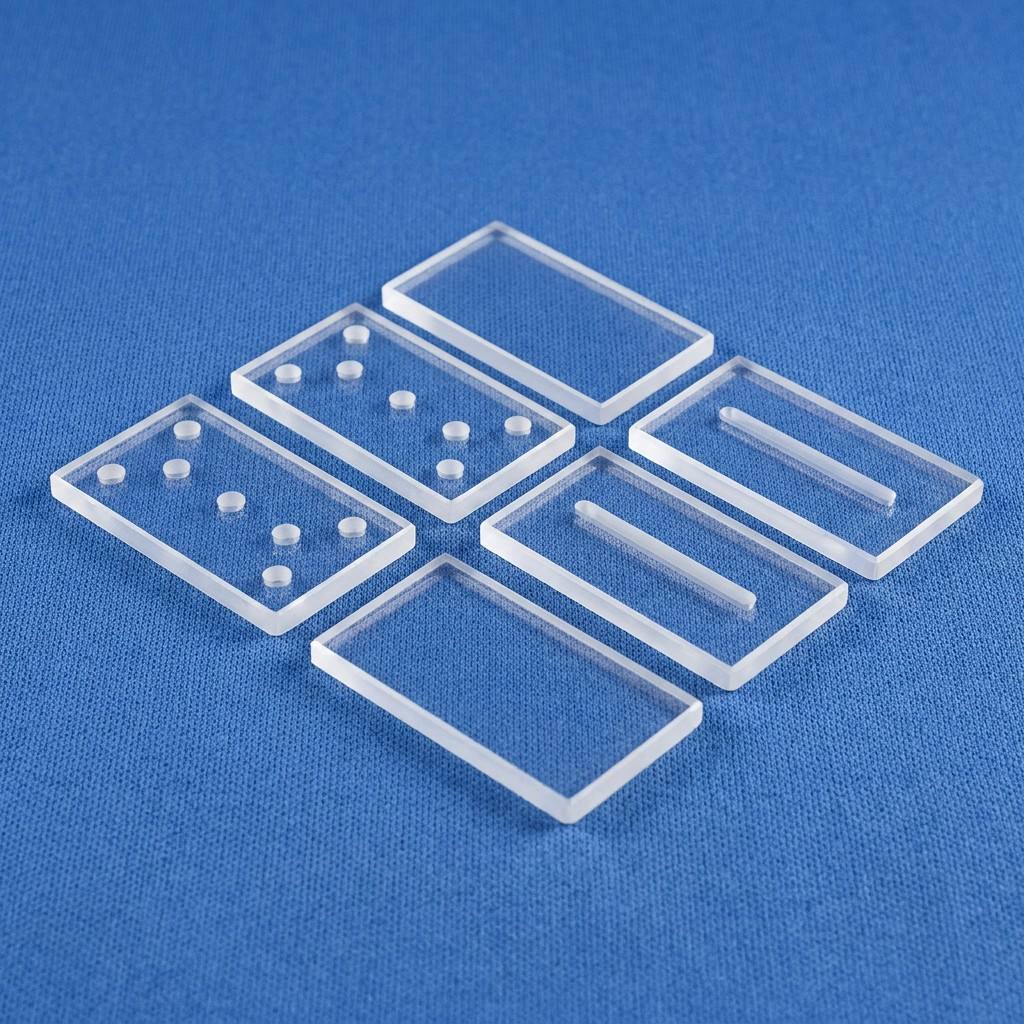
CNC micromachined precision grooved quartz boat guides and substrate carriers with micro-step tolerances under ±0.03 mm.
Explore Specs
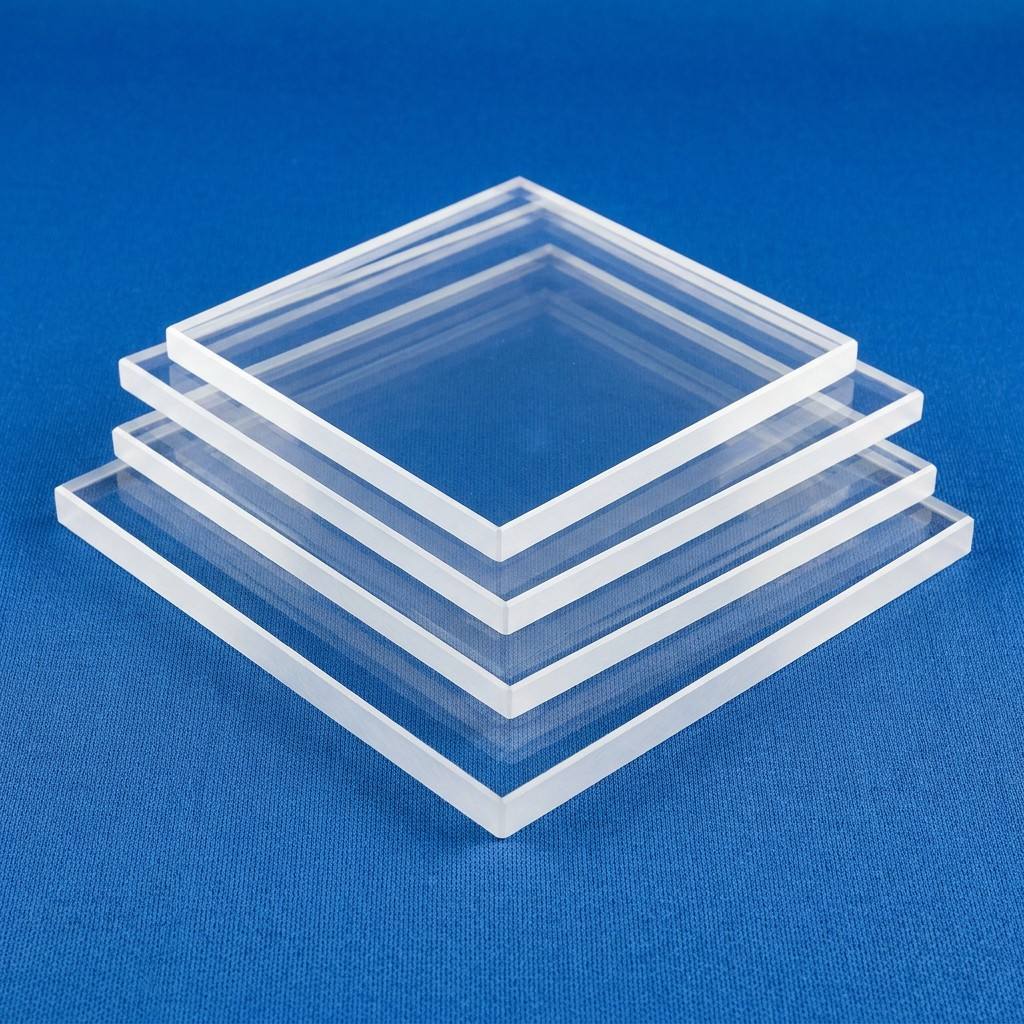
Structural thick quartz plates formulated for high-pressure autoclaves, metallographic windows, and aggressive acid baths.
Explore Specs
Ultra-thin, stress-annealed fused silica substrates offering superior surface flatness (λ/4) for microfluidics and UV sensors.
Explore SpecsEvaluating the thermomechanical mechanics, chemical purity dynamics, and glass-blowing precision required for next-generation industrial helical coil tubes.
In modern high-temperature process chemistry, semiconductor fabrication, and fluidics analytics, quartz coil tubes (also termed fused silica helical coils, spiral heat-exchange quartz tubes, and tubular induction envelopes) represent one of the most mechanically demanding forms of specialty glass manufacture. Unlike rectilinear quartz tubing, the creation of a helical quartz tube demands rigorous dynamic thermal balancing on multi-axis automated glass lathes. A continuous glass pipe must be brought to its plastic working temperature—typically between 1650°C and 1750°C—using hydrogen-oxygen or oxy-propane burner matrices while simultaneously winding around a precision-machined graphite mandrel or rotating free-air chuck.
The primary advantage of coiled quartz geometries is the immense heat-exchange surface area packed into an extremely compact volumetric envelope, paired with the inherent properties of fused silica (>99.99% SiO₂): virtually non-existent coefficient of thermal expansion, near-total immunity to thermal shock, high dielectric strength across extreme frequencies, and exceptional transmission in both ultraviolet and infrared spectral regimes. When transferring corrosive acids such as boiling hydrochloric, nitric, or sulfuric acids under severe thermal cycling, helical quartz tubes eliminate the catastrophic corrosion risks associated with tantalum, titanium, or hastelloy metal exchangers.
Procurement engineers evaluating Chinese quartz coil tube factories must examine physical metrics beyond superficial dimensions. Key parameters determining reliability include:
| Physical / Chemical Property | Nominal Value | Operational Significance for Coil Assemblies |
|---|---|---|
| SiO₂ Purity Grade | ≥ 99.99% (Semiconductor ≤20 ppm total metals) | Prevents devitrification (cristobalite phase transformation) at >1000°C and avoids batch contamination. |
| Coefficient of Thermal Expansion (CTE) | 5.5 × 10⁻⁷ / °C (20°C to 320°C) | Enables instant quenching from 1100°C into ice water without structural rupture or micro-cracking. |
| Continuous Maximum Operating Temp | 1100°C (Short term up to 1300°C) | Maintains mechanical creep resistance during rapid thermal annealing (RTA) and CVD furnace operations. |
| Hydroxyl [OH⁻] Content | < 5 ppm (Low-OH) to < 20 ppm (Standard) | Low hydroxyl content prevents IR wavelength absorption and preserves high-temperature dimensional stiffness. |
| Softening Point | ≈ 1683 °C | Sets the thermal threshold for flame-working, tube bending, flare flange joining, and tip sealing. |
| Dielectric Strength (20°C, 1MHz) | 25–40 kV/mm | Ensures arc-free operation in high-frequency RF plasma generators and high-voltage ozone generators. |
Combining natural geographic raw-material supremacy in Donghai with accredited national-level R&D breakthroughs and end-to-end export manufacturing.
Located in Donghai County, China's undisputed quartz capital, spanning a 50-mu (≈33,000 m²) production facility. We refine our own ultra-pure quartz sand with total conventional metallic impurities ≤20 ppm across 13 certified grades.
Pioneered the 320 mm high-purity quartz tube under the Jiangsu Provincial Science & Technology Support Project. Our proprietary 520 mm large-diameter tube has passed national new-product reviews for 14-inch semiconductor diffusion furnaces.
Backed by RMB 10 million in fixed assets and reinvesting over RMB 5 million annually into high-temperature forming lathes, computerized pitch-feed controls, and low-stress polariscope annealing verification systems.
Bilingual application engineering team with an average response time under 2 hours. Sustaining a verified 50% repeat procurement rate across clients in North America, Western Europe, Japan, and Southeast Asia.
How semiconductor evolution, green hydrogen infrastructure, and photochemistry reactors are transforming buyer requirements over the 2025–2030 horizon.
Traditional manual torch coiling is being superseded by CNC dual-axis synchronized quartz glass lathes. Procurement specifications are rapidly tightening pitch tolerances from ±1.5 mm down to ±0.15 mm to ensure uniform fluid flow dynamics and predictable heat-flux density in micro-reaction chemistry.
Fabs and laboratory buyers increasingly demand lot-by-lot ICP-MS (Inductively Coupled Plasma Mass Spectrometry) testing for transition metals (Fe, Cu, Ni, Cr) and alkali metals (Na, K, Li). Sourcing teams prioritize integrated factories that control the quartz grain directly from raw beneficiation.
Rather than ordering bare quartz coils and subcontracting glass joints locally, B2B buyers now procure fully integrated assemblies pre-fitted with ground ball/socket joints, ISO-KF quartz flanges, thread adapters, and graded Kovar seals to minimize assembly breakage risks.
Examining the structural upgrades within Chinese manufacturing centers: plasma melting, ozone-free doping chemistry, and oversized diffusion furnaces.
Chinese quartz fabricators are adopting high-frequency RF thermal plasma melting. This eliminates microscopic airline bubbles and internal micro-striae, yielding a void-free fused quartz body with bubble classes meeting DIN 58927 standards for critical laser and vacuum applications.
Through titanium (Ti) and cerium (Ce) micro-doping during raw powder fusion, modern quartz tubes selectively cut off ozone-generating vacuum-UV lines (185 nm) while transmitting 90%+ germicidal UVC (253.7 nm), or selectively block harmful UV in high-output flash lamps.
Driven by national initiatives such as VEZLO's 520 mm large-diameter tube program, China's export capability has expanded from standard laboratory diameters into massive furnace cores, wafer oxidation process liners, and heavy-walled mega-coils for chemical petrochemical pilot plants.
Direct answers to the most common engineering and commercial inquiries posed by international procurement managers.
For CNC-lathe coiled tubes, standard tolerances are Outer Diameter (OD) ±0.2 mm to ±0.5 mm, coil pitch pitch-to-pitch ±0.5 mm, and total helical height ±1.0 mm. For ultra-precision semiconductor cooling or optical immersion probes, fine-ground and fire-polished coils can achieve OD tolerances within ±0.08 mm upon request.
All custom quartz coils undergo an extensive computer-controlled annealing cycle in our high-vacuum electric furnaces. The pieces are held at their annealing point (≈1215°C) to relieve residual stresses induced by flame bending, then slowly ramped down through the strain point (≈1120°C). Stress birefringence is verified via dual-wavelength polariscopes.
Natural fused quartz is produced by melting high-purity natural silica sand (>99.99% SiO₂). It offers unmatched thermal stability, high softening points, and superior mechanical creep resistance at lower cost. Synthetic fused silica is synthesized from chemical precursors (SiCl₄), delivering zero bubble content and extreme UV transmission down to 190 nm, but at a 3x to 5x price premium.
Fragile helical coils undergo multi-tier protective isolation: internal structural core bracing using high-density EPE pearl cotton, individual shock-absorbing suspension chambers, moisture-barrier vacuum polybags, and heavy fumigation-free engineered plywood export crates reinforced with corner steel edging and shock-watch tilt sensors.
Yes. We specialize in complex coaxial double-spiral quartz condensers and jacketed coils where an inner helical coil is encapsulated within an outer transparent quartz tube with inlet and outlet hose barbs or standard taper joints, ideal for cryogenic liquid condensation and aggressive solvent refluxing.
We accept CAD technical drawings in PDF, DWG, DXF, or 3D STEP/IGES formats. Please indicate key dimensions: Tube OD & Wall Thickness, Coil Outer/Inner Diameter, Pitch (distance between adjacent turns), Number of active turns, End configurations (straight tail, bend, flared, flange), and operating environment parameters.
Connect directly with our senior quartz glass technical team in Donghai. Access our comprehensive engineering white paper, customized dimensional feasibility analysis, and instant volume quotations.