2–500mm
Continuous OD Tubing Range
≤20ppm
Ultra-Pure Total Metal Impurities
1,215°C
Annealing Point High-Thermal Threshold
50%
Verified Global Buyer Reorder Rate
≤2h
Engineering Feasibility Turnaround
Precision Fabrication Portfolio
High-Purity Fused Quartz & Silica Substrates
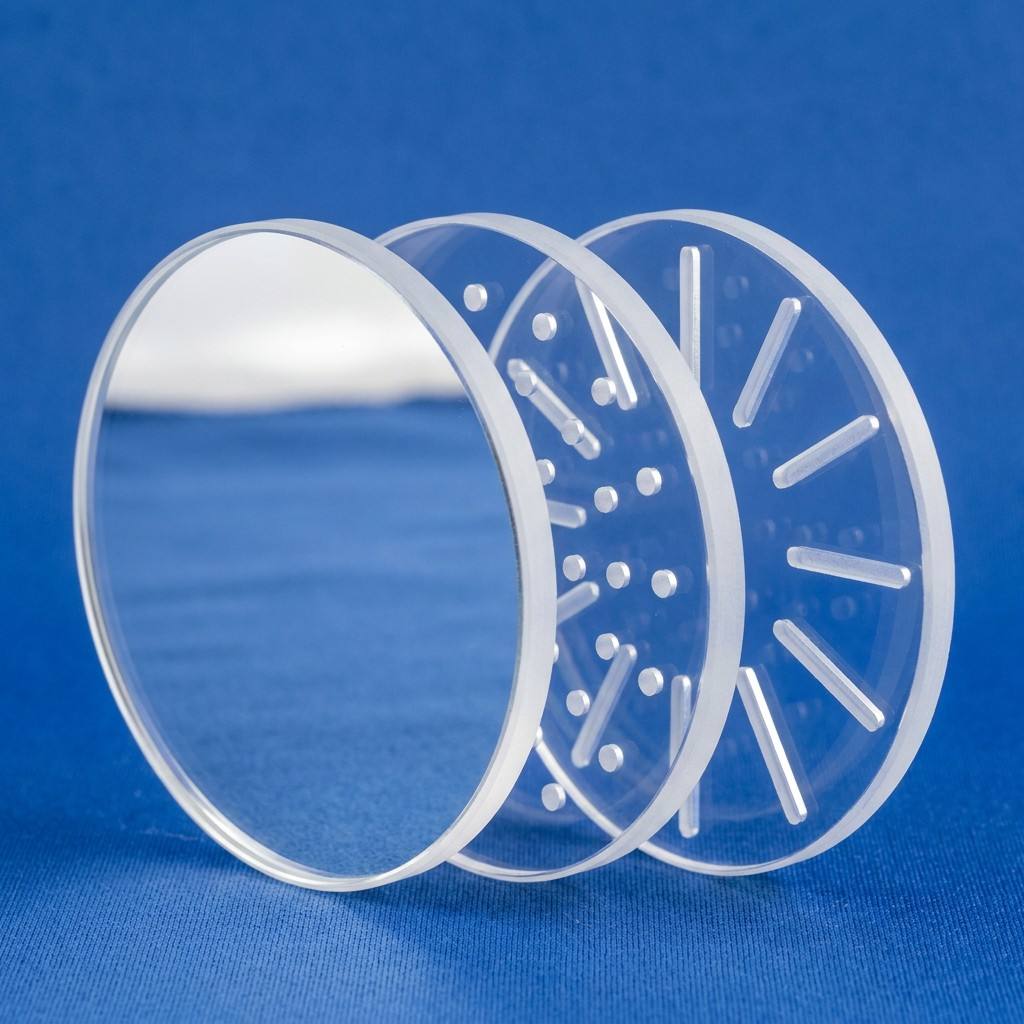
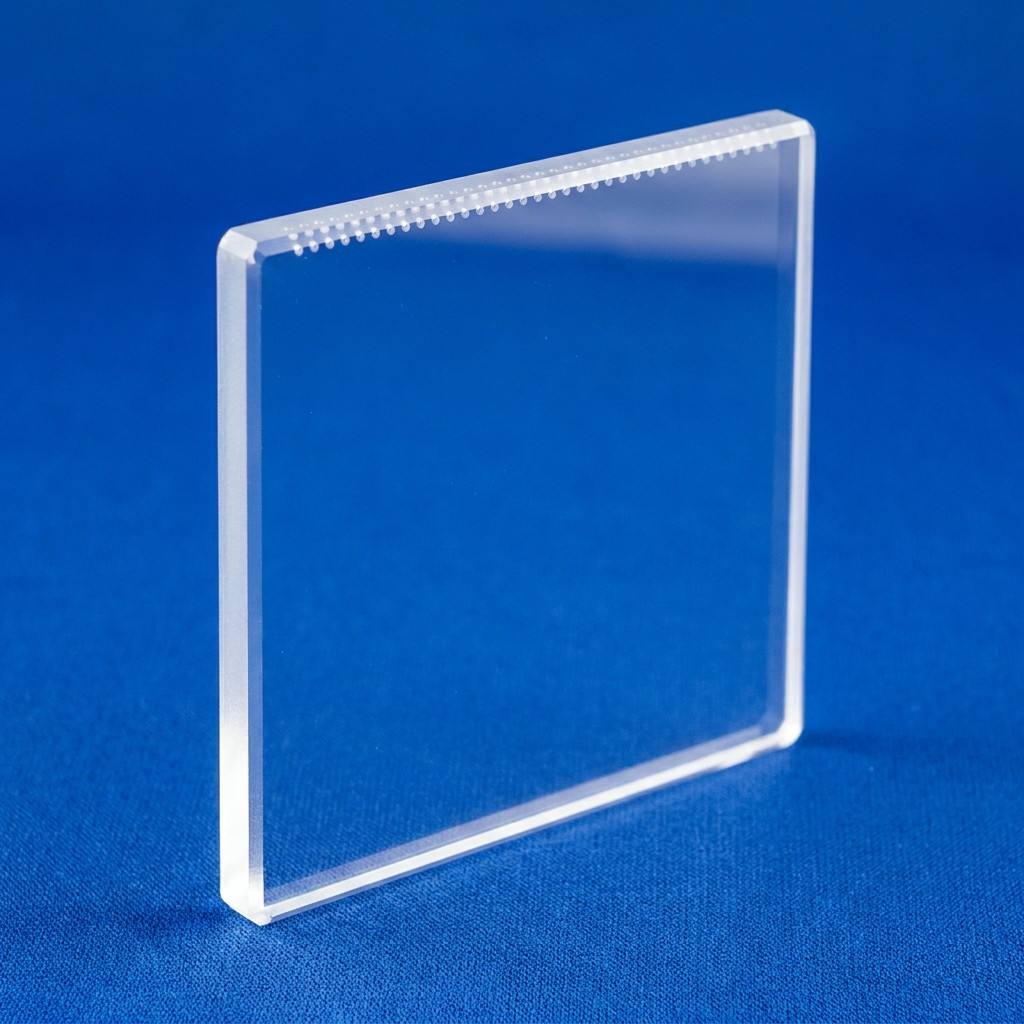
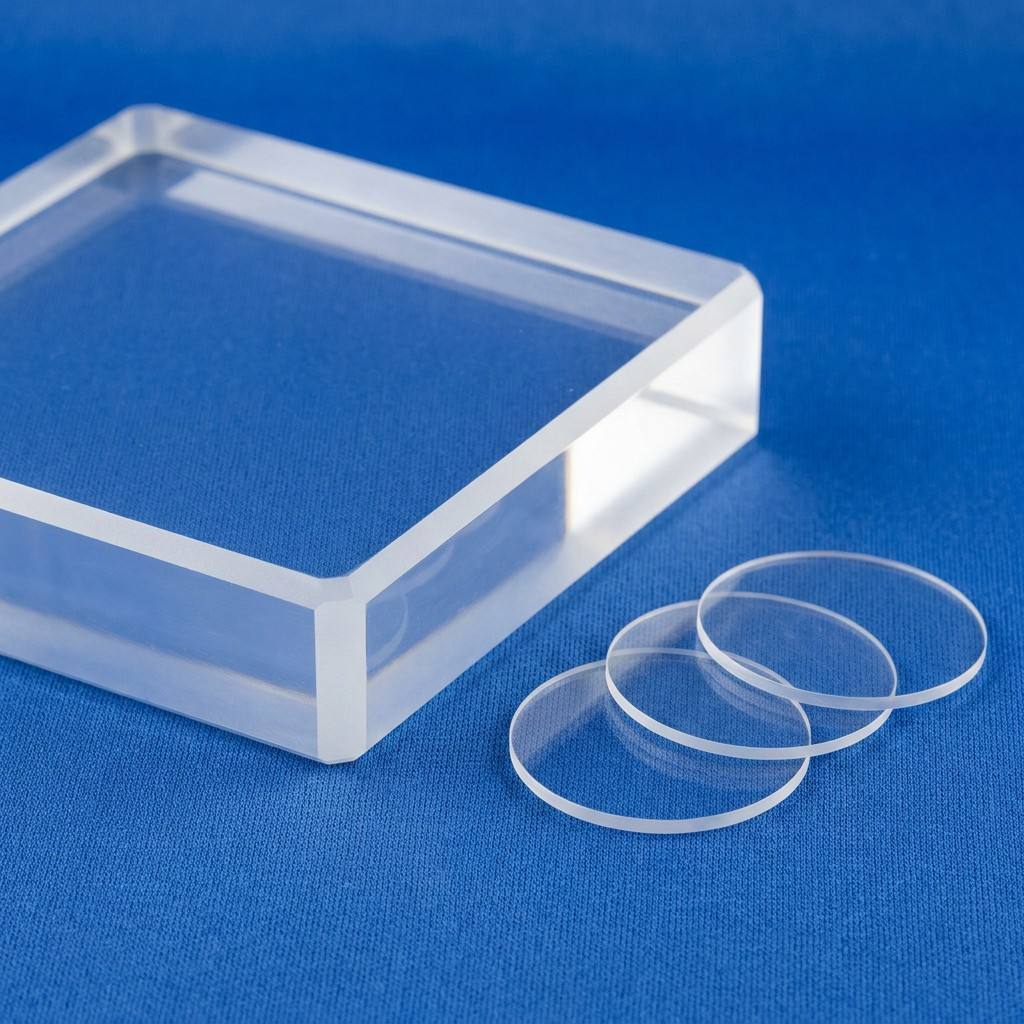
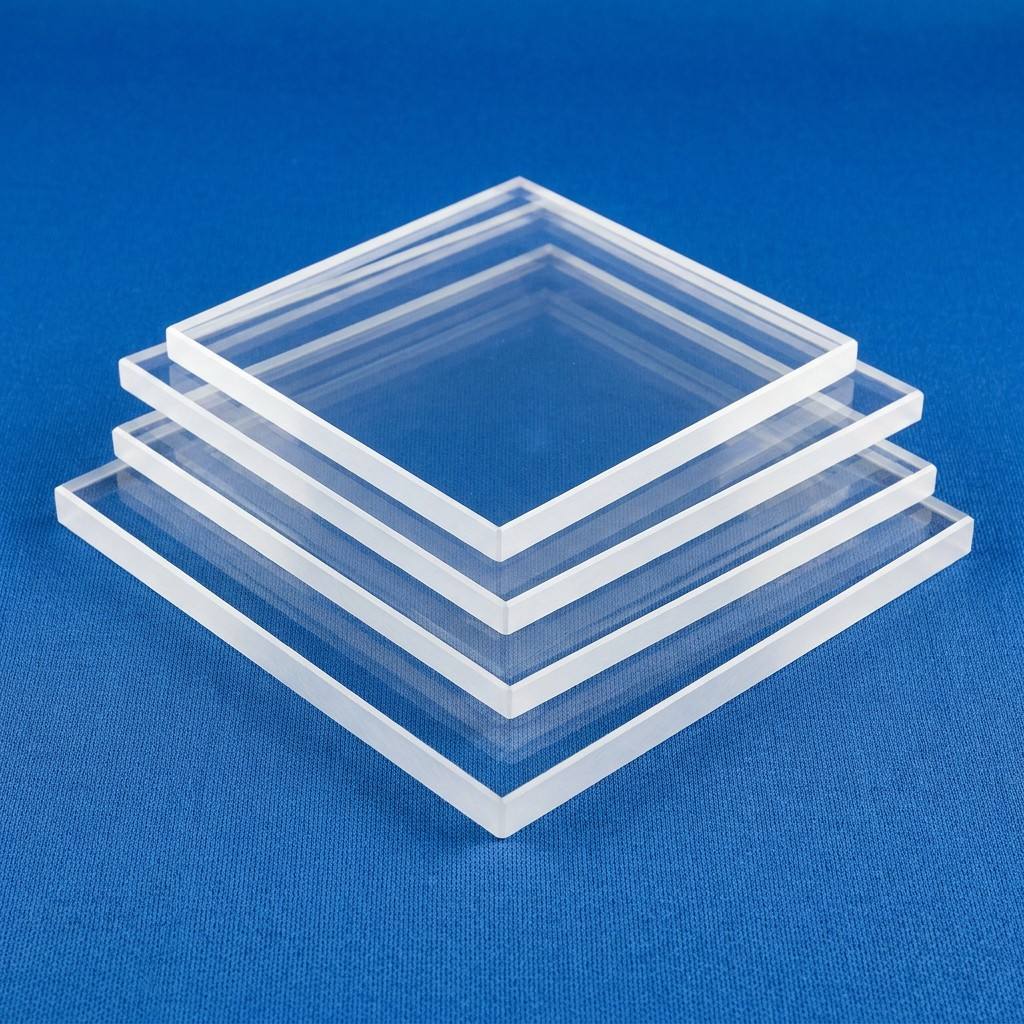
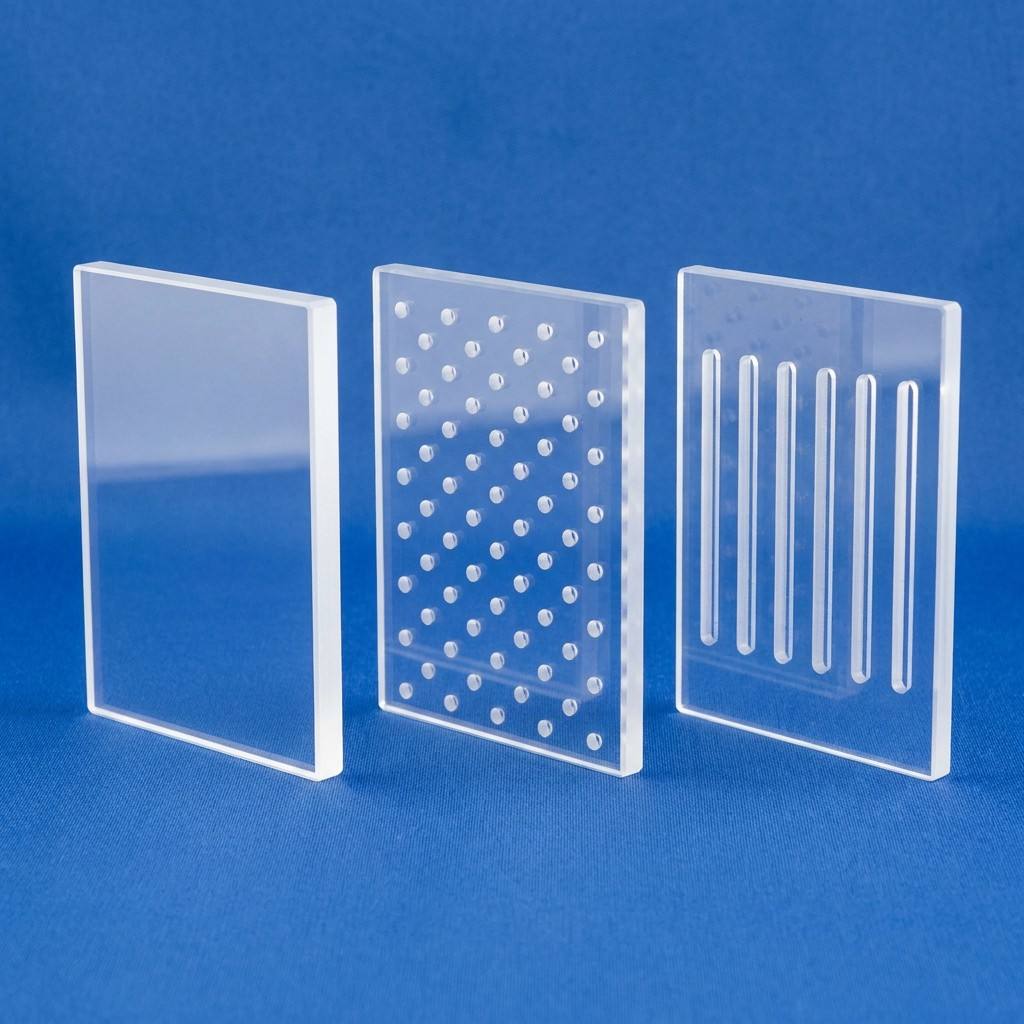
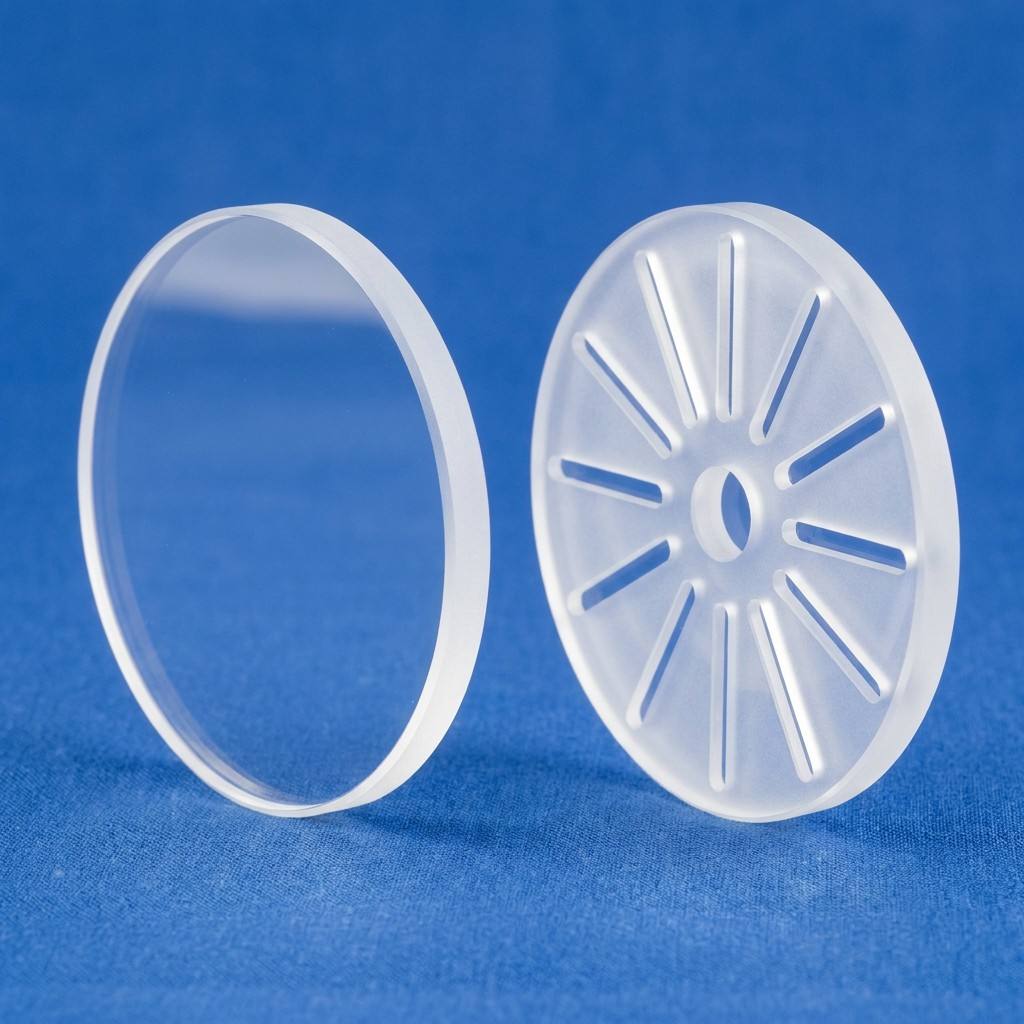
Engineered via advanced oxyhydrogen flame melting and CNC cold machining to satisfy the rigorous physical demands of semiconductor wafer processing, analytical spectroscopy, UV photochemical reactors, and high-temperature metallurgy.


Enterprise Credentials & Infrastructure
Integrated Manufacturing Infrastructure in Donghai
Combining Donghai County's irreplaceable high-purity natural quartz mineral reserves with provincial-level technical research, establishing an unshakeable benchmark for fused silica glass excellence.
China Quartz Capital Origin
Situated on a dedicated 50-mu (≈33,000 m²) modernized production campus in Donghai County, Jiangsu. We control vertical value chains from ultra-pure refined crystal sand (≤20 ppm total elemental metal impurities) directly through electric and flame fusion furnaces.
RMB 10M+ Dedicated Fixed AssetsProvincial Semiconductor R&D
Tasked with executing the official Jiangsu Provincial Science & Technology Support (Industrial) Project, our engineering group mastered the proprietary fusion of 320mm core diffusion furnace tubes. Our pioneering 520mm extra-large diameter quartz tube has passed national new product reviews.
14-Inch+ Wafer Oxidation CapabilityPrecision Fabrication & QA
Our workshop integrates continuous thermal drawing lines, multi-axis CNC cold diamond machining centers, and Class 100 cleanroom optical inspection stations. Full trace dimensional verifications, ultrasonic thickness mapping, and polarimetric stress measurements precede dispatch.
DIN ISO 2768 Precision AdherenceInternational Export Readiness
Delivering turn-key supply lines to tier-one laboratories and equipment integrators across North America, Germany, Japan, and the UK. Packaged in custom shock-absorbing molded polyethylene foam inside heavy-duty, fumigation-free wooden cases engineered for worldwide ocean and air transit.
Under 2-Hour Technical Response RateMaterial Engineering White Paper: Fused Quartz Tubing Synthesis & Crystallographic Physics
Transparent fused quartz (fused silica) stands as an irreplaceable pinnacle material across contemporary semiconductor manufacturing, deep-ultraviolet (DUV) photolithography, solar photovoltaics (PV), and high-temperature thermal processing systems. The material's unique performance stems from its non-crystalline, vitreous structure composed entirely of covalently bonded Silicon-Oxygen tetrahedra (SiO₄). Unlike soda-lime or borosilicate glasses, pure vitreous quartz exhibits an exceptionally low linear coefficient of thermal expansion (5.5 × 10⁻⁷ /°C from 20°C to 320°C), granting it thermal shock immunity that enables red-hot components (1,000°C+) to be repeatedly quenched directly into ice water without structural fracturing.
"The operational lifetime of high-temperature diffusion furnace quartzware is inversely proportional to trace alkali metal contamination. At temperatures exceeding 1,150°C, minute fractions of Sodium (Na) and Potassium (K) catalyze premature cristobalite devitrification, inducing micro-cracks and structural failure."
In high-temperature horizontal and vertical semiconductor diffusion furnaces, raw material purity is paramount. The presence of alkali elements (Na, K, Li) accelerates devitrification—the destructive phase transformation of amorphous fused silica into crystalline cristobalite. Cristobalite undergoes a rapid 5% volume contraction during cooling through its alpha-to-beta transition zone (≈220°C–270°C), resulting in spontaneous spalling and catastrophic chamber collapse. VEZLO combats this phenomenon through rigorous mineral refinement at our Donghai facility, stabilizing total alkali metal contents below 1.5 ppm, effectively increasing furnace operational cycles by over 30% relative to standard commercial glass grades.
| Physical / Chemical Property | Nominal Engineering Metric | Operational Significance for Procurement Engineers |
|---|---|---|
| SiO₂ Chemical Purity | ≥ 99.995% to 99.999% | Prevents trace heavy metal vapor cross-contamination during semiconductor wafer diffusion. |
| Hydroxyl Group ([OH⁻]) Fraction | Standard: <30 ppm | Low-OH: <5 ppm | Doped: >180 ppm | Controls NIR/IR thermal transmission spectra and governs vacuum sagging resistance at >1,100°C. |
| Strain Point | 1,120 °C | Upper boundary where internal mechanical stresses are permanently locked into the vitreous body. |
| Annealing Point | 1,215 °C | Standard soaking temperature for precision oven-relieving of flame-working stress patterns. |
| Softening Point | ≈ 1,683 °C | Viscosity baseline (10⁷.⁶ poise) determining automated mechanical hot drawing and glassblowing. |
| Dielectric Constant (ε) | 3.75 (at 20°C, 1 MHz) | Ultra-low RF loss tangent enables ideal transparent window performance for microwave and RF plasma generators. |
| Vickers Micro-Hardness | 8,800 MPa (≈ 900 kg/mm²) | Demands specialized diamond tooling for precision cutting, edging, hole-coring, and surface polishing. |
Furthermore, hydroxyl content ([OH⁻]) concentration serves as an essential specification parameter. High-OH synthetic fused silica (synthesized through chemical vapor deposition of SiCl₄) delivers superior vacuum ultraviolet (VUV) throughput down to 185nm without solarization, rendering it the standard for germicidal lamp tubes and excimer laser optics. Conversely, electrically fused natural quartz exhibits minimal hydroxyl content (<5–30 ppm), yielding maximum mechanical viscosity at high temperatures, preventing radial sagging or tube ovality deformation during protracted wafer manufacturing processes.
Industry Horizon
Technological Evolution & Manufacturing Trends
The global precision quartz industry is experiencing rapid manufacturing transformations driven by sub-nanometer semiconductor nodes, mega-scale solar ingot crystallization, and advanced green technologies.
01
Large-Bore Continuous Drawing (>500mm OD)
The progression of semiconductor logic and memory fabrication to 300mm (12-inch) and 450mm wafers requires massive quartz process chambers. Historical two-step centrifugal casting leaves internal air-line inclusions. VEZLO is pioneering continuous thermal draw tooling delivering outer diameters up to 520mm with consistent circularity and wall thickness tolerances within ±0.3mm.
02
Ozone-Free & Doped Spectral Selection
Modern disinfection technology demands selective ultraviolet transmission. Through micro-doping with titanium and cerium oxides, our smelting process eliminates the ozone-generating 185nm mercury emission line while preserving maximum transmission (>85%) at the 253.7nm germicidal peak. This eliminates secondary toxic ozone venting requirements in enclosed commercial water and air sterilization modules.
03
Sub-Nanometer Cold CNC & Laser Polishing
Moving beyond conventional artisan hand-torch flame-finishing, precision fabrication now centers on automated 5-axis CNC ultrasonic diamond milling. Coupled with chemical-mechanical polishing (CMP), this achieves ultra-smooth edge chamfers, sub-micron coordinate hole positioning, and surface roughness Ra < 0.2nm, mitigating micro-fissure propagation under cyclical thermal expansion.
04
Gas Phase Synthetics & Synthetic Cladding
To reduce dependence on scarce ultra-pure natural quartz lump sources, advanced production methods increasingly combine natural quartz core tubes with high-purity synthetic silica outer jackets. This dual-layer structure delivers the mechanical sagging resistance of natural quartz alongside the chemical barrier properties and low bubble levels of synthetic silica.
Procurement Strategy
Global Sourcing Trends & Supply Chain Resilience
Critical market shifts procurement officers, EPC engineering directors, and supply chain analysts must navigate when establishing strategic quartz partnerships.
A
Direct Factory Integration over Trading Middlemen
Global procurement teams are systematically auditing source factories to eliminate trading intermediary markups and communication latency. Direct engagement with manufacturers like VEZLO in Donghai provides raw sand purity traceability, rapid technical design changes, and direct access to production line scheduling.
B
Tighter Dimensional Tolerances on Continuous Runs
As automated robotic handling systems replace manual furnace loading in semiconductor and PV production, acceptable wall-thickness variation, camber, and out-of-roundness tolerances have contracted from ±1.0mm to ±0.2mm. Sourcing audits now emphasize real-time laser gauging and ultrasonic wall verification throughout the drawing process.
C
Pre-Annealed & Stress-Relieved Deliverables
International buyers increasingly reject raw, un-annealed fabricated quartzware. Inadequate thermal stress relief after cutting, welding, or flange flame-working leads to vacuum implosion during customer operation. Leading sourcing criteria mandate verified polarimetric optical birefringence inspections showing residual stress < 15 nm/cm.
D
Rigid Transit Packaging Protocols
The total delivered cost of specialized quartz tubing is dictated by safe transit. Buyers are formalizing transit packaging agreements requiring drop-tested molded EPE liners, nitrogen-purged moisture sealing, and integrated shock indicators (Drop/Tip (N) Tell) inside reinforced fumigated export crates.
Engineering Knowledge Base
Frequently Asked Procurement & Technical Questions
Authoritative, physics-backed clarifications for component engineers, sourcing managers, and thermal equipment designers.
What are the definitive dimensional boundaries for fused quartz tubing produced by VEZLO?
We manufacture clear transparent fused quartz tubes ranging from 2 mm outer diameter (OD) with 0.5 mm wall thickness up to 500 mm outer diameter. Furthermore, our proprietary continuous melting capacity extends to 520 mm large-diameter high-purity tubes specifically developed for 12-inch wafer semiconductor diffusion, oxidation, and LPCVD processes. Lengths are fully customizable up to 4,000 mm depending on OD geometry, with precision cuts, flared ends, domed closures, ground ball/socket joints, and ISO-standard vacuum flanges executed directly to client engineering CAD drawings.
How do fused quartz and synthetic fused silica differ in chemical origin and optical performance?
The core difference lies in precursor chemistry:
1. Fused Quartz: Produced by melting naturally occurring high-purity crystalline quartz sands. It features high thermal viscosity, lower hydroxyl content (<5–30 ppm), and superior structural resistance to high-temperature sagging at 1,100°C–1,200°C, making it the most cost-effective choice for diffusion furnaces, UV lamp sleeves, and labware.
2. Synthetic Fused Silica: Synthesized by pyrolyzing chemical volatile precursors (e.g., silicon tetrachloride, SiCl₄) in a hydrogen-oxygen flame. It yields absolute chemical purity with near-zero trace metals (<0.1 ppm total impurities) and high deep-UV transmission down to 185nm/193nm, but exhibits a lower softening point due to higher native OH⁻ concentrations.
What causes devitrification in quartz furnace tubes, and how can it be mitigated?
Devitrification is the phase transition from metastable amorphous glass back to crystalline beta-cristobalite. This process accelerates rapidly at temperatures above 1,150°C in the presence of surface contamination, particularly alkali ions (Na⁺, K⁺, Li⁺), alkaline earths (Ca²⁺), or airborne dust.
To prevent devitrification:
To prevent devitrification:
- Procure tubing refined with total alkali metal content < 1.5 ppm.
- Never handle quartz tubes with bare hands; skin oils deposit sodium, which etches nucleation sites during firing.
- Clean components using a 5% to 10% hydrofluoric (HF) acid wash followed by deionized (DI) water rinsing prior to furnace installation.
What is the optical difference between clear standard quartz and ozone-free quartz tubing?
Clear standard quartz transmits UV wavelengths down to roughly 180nm. When high-energy ultraviolet radiation below 200nm (specifically the 184.9 nm mercury resonance line) interacts with atmospheric oxygen (O₂), it splits oxygen molecules, generating toxic ozone (O₃).
Ozone-Free Quartz Tubing is modified via trace titanium doping during raw fusion. This dopant creates an optical cutoff edge that completely absorbs the 184.9nm band while permitting transmission of the essential 253.7 nm germicidal wavelength. This makes ozone-free quartz mandatory for commercial UV-C water treatment reactors, HVAC air sanitizers, and laboratory surface sterilizers operating in occupied spaces.
Ozone-Free Quartz Tubing is modified via trace titanium doping during raw fusion. This dopant creates an optical cutoff edge that completely absorbs the 184.9nm band while permitting transmission of the essential 253.7 nm germicidal wavelength. This makes ozone-free quartz mandatory for commercial UV-C water treatment reactors, HVAC air sanitizers, and laboratory surface sterilizers operating in occupied spaces.
What quality verification reports and material certifications accompany export shipments?
Every export shipment is backed by comprehensive traceability documentation:
• Inductively Coupled Plasma Mass Spectrometry (ICP-MS) chemical analysis report identifying 14 critical trace metal impurities.
• Spectrophotometric Transmission Curves covering DUV, Visible, and NIR spectrums (190 nm–3,500 nm).
• Dimensional CMM & Ultrasonic Verification certifying OD, ID, wall thickness uniformity, camber, and out-of-roundness.
• Polarimetric Annealing Certificate confirming residual thermal stress is within acceptable limits.
How does VEZLO guarantee zero-breakage ocean and air freight logistics for fragile quartz tubes?
We employ an engineered, multi-tier isolation packaging system:
1. Individual components are vacuum-sealed in anti-static PE sleeves to prevent particulate contamination.
2. Each tube is isolated inside high-density, custom-molded closed-cell Polyethylene (EPE) foam cradles that fully absorb rotational and vertical shock.
3. Foam units are suspended inside heavy-duty, moisture-sealed, fumigation-free composite plywood crates reinforced with exterior steel banding.
4. Shipments include external shock indicators (ShockWatch / TiltWatch) to monitor transit handling. Under this protocol, our historical export breakage rate remains strictly below 0.1%.
Request Custom Engineering Drawings & Quotations
Submit your component dimensions, tolerance parameters, and annual production volumes. Our Donghai senior glass engineering team will complete structural feasibility assessments within 2 hours.