
Engineered Quartz Components
Featured Industrial Quartz & Silica Solutions
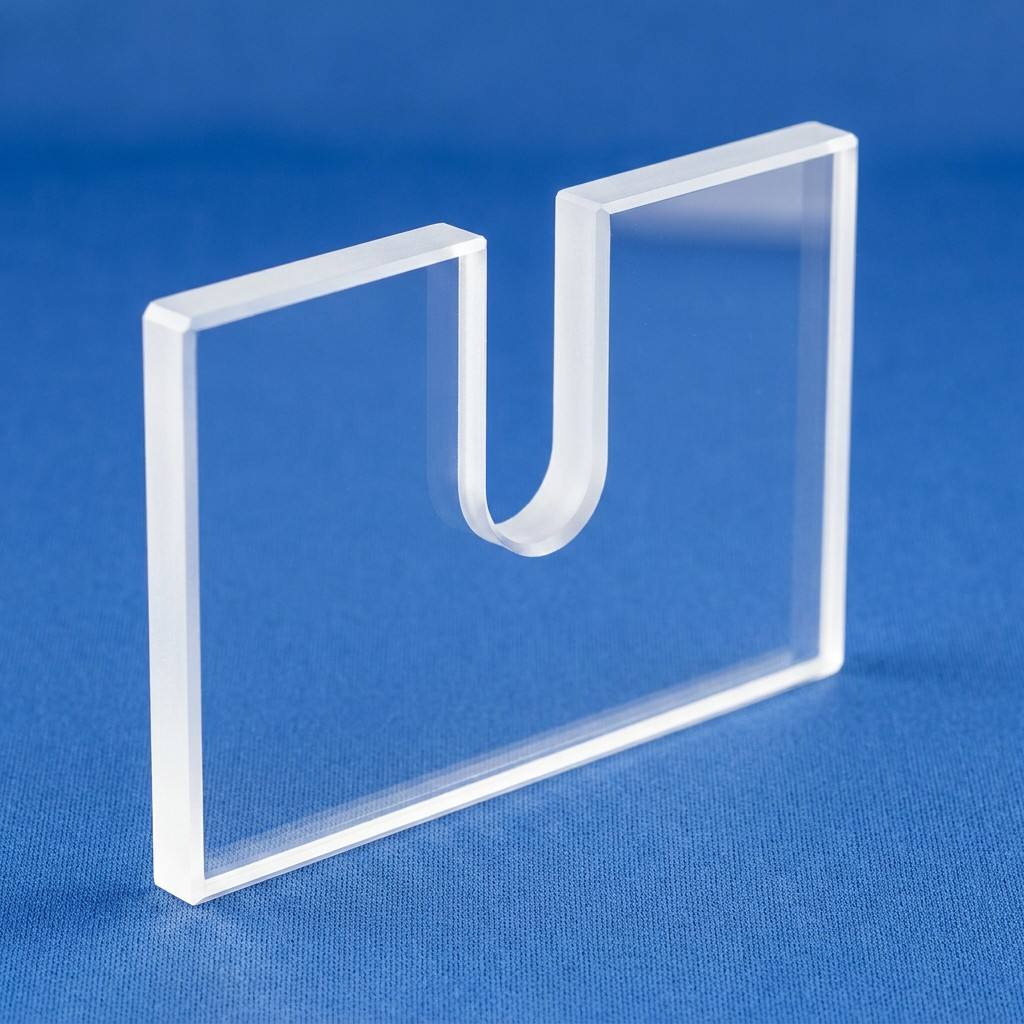
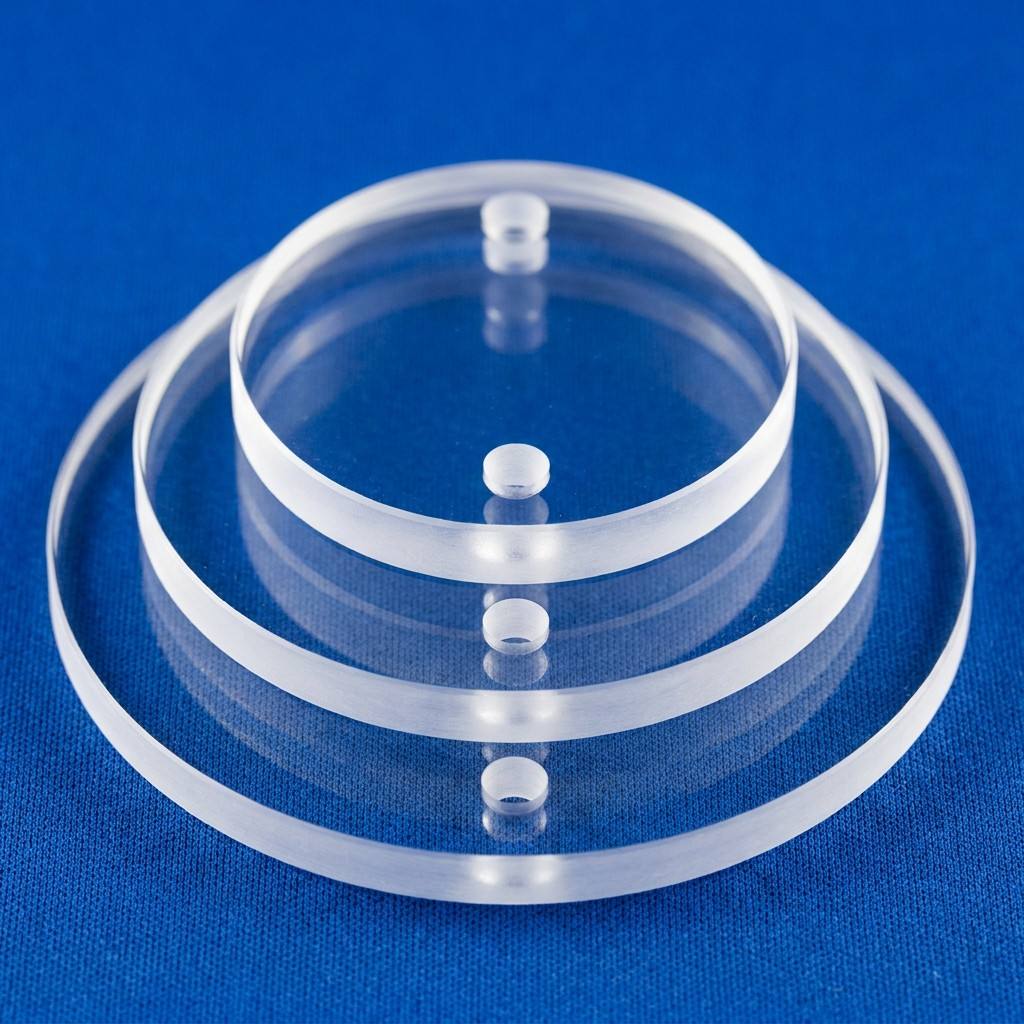
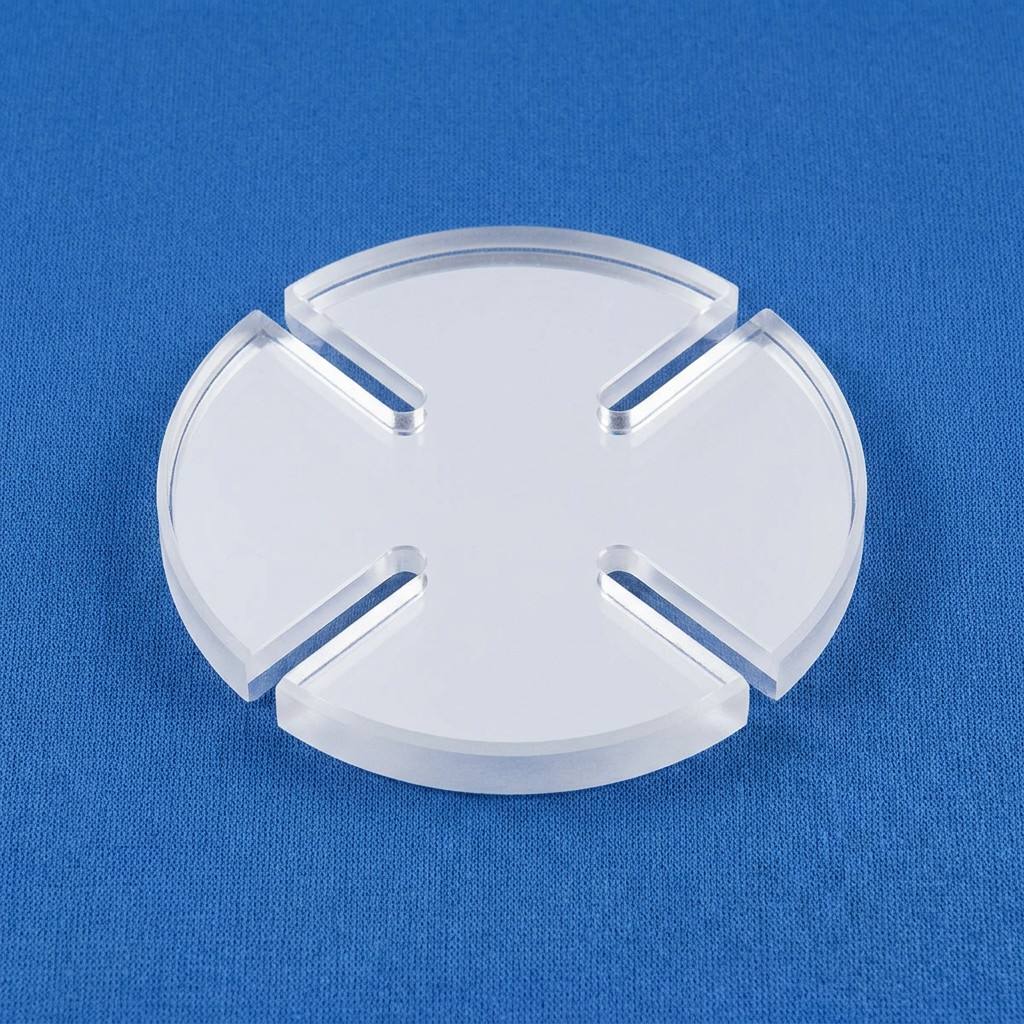
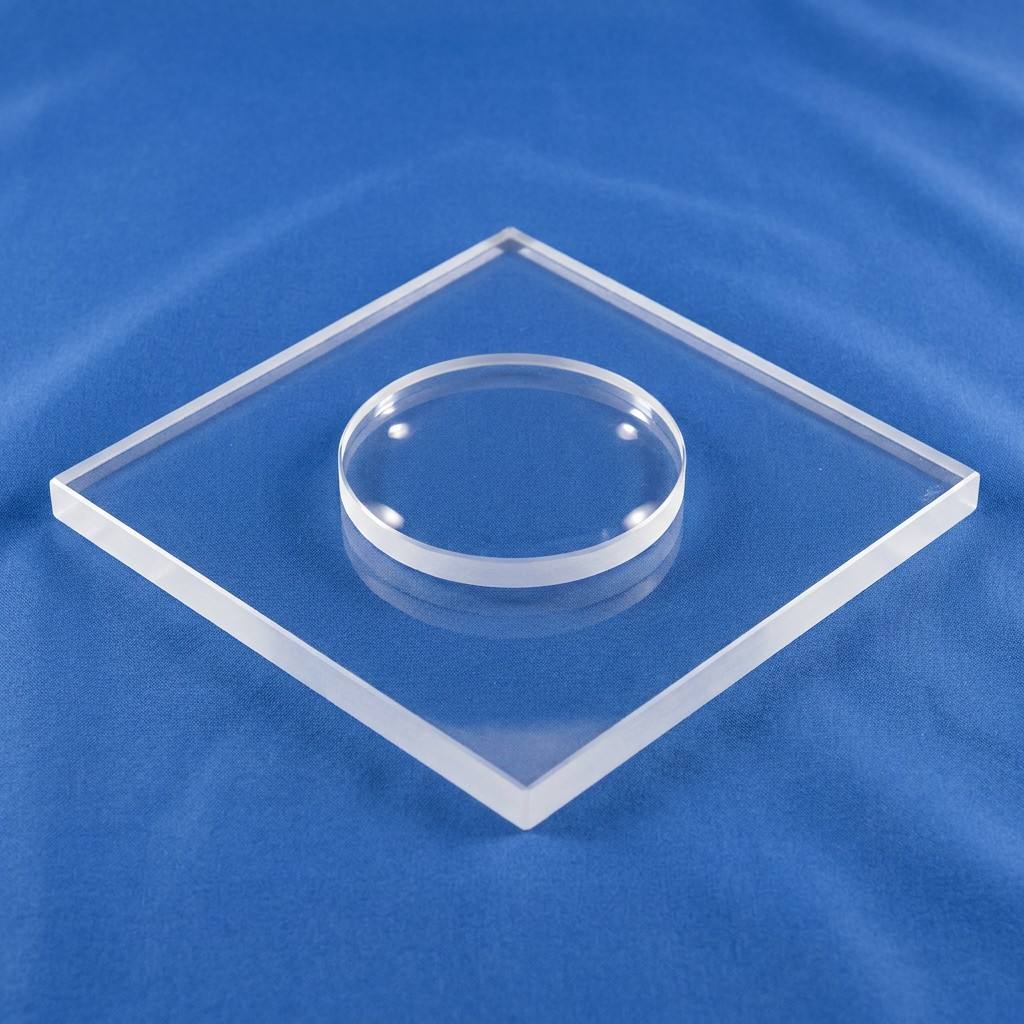
Direct factory manufacturing of precision quartz viewports, vacuum chamber plates, high-transmission discs, and heavy-wall tubes engineered from high-purity natural silica sand.


Comprehensive Engineering Guide
Technical Specification & Manufacturing Architecture of Fused Quartz Rods
Fused quartz rods, manufactured via high-temperature fusion of ultra-pure silicon dioxide (SiO&sub2;), represent a foundational engineering material across semiconductor lithography, chemical vapor deposition (CVD), fiber-optic preforms, and high-intensity discharge lighting. Sourcing solid quartz glass rods directly from certified Chinese manufacturers requires an understanding of raw material geology, thermal annealing schedules, hydroxyl (OH-) radical concentrations, and mechanical tolerance controls.
In industrial glass physics, the differentiation between natural fused quartz and synthetic fused silica dictates performance limits. Natural fused quartz is produced through electric arc fusion or oxy-hydrogen gas fusion of natural quartz crystals (pegmatite sand), yielding an amorphous glass with superior high-temperature mechanical creep resistance and low hydroxyl content. Synthetic fused silica, synthesized through the vapor-phase hydrolysis of silicon tetrachloride (SiCl&sub4;), offers near-perfect UV transmission but exhibits lower viscosity at temperatures exceeding 1,000°C. As China’s leading fused quartz rod supplier, our manufacturing hub in Donghai leverages regionally native natural crystal resources with total transition metal impurities controlled below 20 parts per million (ppm).
Material Grade Classification & Optical Transmission Standards
Procurement directors and optical engineers categorize fused quartz rods into standardized spectral grades based on transmission bands, bubble inclusion density, and refractive homogeneity:
| Optical Grade | Raw Material Basis | Spectral Transmission Range | Hydroxyl (OH⁻) Content | Primary Applications |
|---|---|---|---|---|
| JGS1 (Synthetic Silica) | SiCl&sub4; Hydrolysis | 185 nm – 2,500 nm (Deep UV) | ≈ 800 – 1,200 ppm | Excimer laser optics, lithography masks, UV sensor rods |
| JGS2 (Fused Quartz) | Refined Natural Crystal | 220 nm – 2,800 nm (Standard Optical) | < 30 – 150 ppm | Optical viewports, quartz apparatus, light guides, heaters |
| JGS3 (Infrared Silica) | Vacuum Fused Natural Quartz | 260 nm – 3,500 nm (Near to Far IR) | < 5 ppm | Infrared pyrometry windows, thermal furnace rods, aerospace |
| Semiconductor Grade | Low-Alkali Donghai Sand | Industrial / Structural Clear | ≤ 20 ppm Total Metals | Wafer carrier boats, push-rods, LPCVD paddles, thermocouples |
Mechanical, Thermal, and Dielectric Tolerances
Precision-drawn solid fused quartz rods are subject to extreme thermal shock and high voltage fields. Due to an ultra-low linear thermal expansion coefficient (α = 5.5 × 10⁻⁷ K⁻¹ between 20°C and 320°C), a heated quartz rod at 1,100°C can be repeatedly immersed into ice water without structural fracturing. Furthermore, the absence of interstitial mobile ions guarantees exceptional dielectric strength (> 25 kV/mm at 20°C), eliminating electrical leakage in high-frequency induction furnaces and semiconductor plasma chambers.
Our drawing towers maintain automated laser micrometer feedback loops to control outer diameter (OD) dimensional variance across solid rods ranging from Ø1.0 mm micro-capillaries up to Ø120 mm heavy structural ingots. Centerless diamond grinding and subsequent hydrogen-oxygen flame polishing ensure surface finishes free from micro-fissures, reducing the nucleation sites that cause premature thermal devitrification into cristobalite.
Market Intelligence & Strategic Sourcing
Future Procurement Trends for Industrial Quartz Rods
Global supply chains are re-evaluating risk, purity standards, and ESG factors. Review the key procurement trajectories driving the quartz glassware industry through 2030.
1. Purity Consolidation & Geothermal Upstream Security
International buyers are shifting away from intermediate traders toward vertically integrated manufacturers situated directly within mineral clusters. With high-purity natural silica sand (≤ 20 ppm metallic ions) representing an increasingly critical resource, factory-direct contracts in Donghai ensure stable ingot prices and uninterrupted production pipelines during global raw material shortages.
2. Tightened Geometry & CNC Grinding Tolerances
Next-generation semiconductor wafer handling and automated pick-and-place robotics demand tighter diameter tolerances on quartz rods (±0.02 mm or better) and strict total indicator runout (TIR < 0.1 mm/m). Procurement orders are migrating from rough hand-pulled cane to precision centerless-ground, CNC-machined, and laser-inspected rods ready for automated robotic integration.
3. Green Hydrogen & Clean Fuel Oxy-Hydrogen Fusion
Environmental and carbon footprint verification standards from European and American enterprises have made decarbonized thermal melting a procurement prerequisite. Chinese producers adopting water-electrolysis hydrogen generators for flame-working eliminate sulfur and hydrocarbon contamination while reducing Scope 1 carbon emission factors.
Engineering Advancements
Technological Frontiers in Fused Silica Engineering
Emerging thermal processing breakthroughs are elevating the structural boundaries of quartz materials in extreme applications.
Plasma-Assisted Ultra-Large Diameter Drawing
Traditional vertical drawing towers limited solid quartz rods to approximately 50 mm in diameter without introducing thermal stress veins. Utilizing automated continuous electrical induction furnaces and plasma torch conditioning, manufacturers can now draw structural rods exceeding 100 mm to 120 mm with uniform radial density and zero internal bubbles.
Controlled Dehydroxylation for High-Temp Stability
Hydroxyl radicals (OH-) weaken the three-dimensional silicon-oxygen tetrahedral network, lowering the glass softening point from 1,683°C to below 1,550°C. High-vacuum thermal annealing protocols reduce residual hydroxyl content to below 5 ppm, dramatically suppressing sag and deformation when rods serve as diffusion furnace supports.
Nano-Scale Surface Roughness Finishing (Ra < 0.2 nm)
Magnetorheological finishing (MRF) and pitch chemical-mechanical polishing (CMP) techniques now allow cylindrical quartz rods and guiding cylinders to achieve laser-grade surface quality. This prevents light scattering in high-power fiber optic cladding and prevents particulate trapping in corrosive wet-etch semiconductor cleaning benches.
Enterprise Advantage
Why Industry Leaders Source from VEZLO Quartz
Combining Donghai’s natural crystal deposits with provincial-level scientific engineering to supply verified fused silica products worldwide.
Strategic Donghai Footprint
Operating across a 50-mu (≈33,000 m²) manufacturing facility with RMB 10 million in fixed assets at the center of China’s quartz capital, guaranteeing end-to-end material provenance.
Government R&D Recognition
Pioneered the 320 mm high-purity quartz tube for integrated circuits under the Jiangsu Provincial S&T Project, alongside national new product recognition for our 520 mm large-bore furnace tubes.
Purity & Quality Rigor
Strict trace element management across 13 grades of high-purity quartz sand with total conventional metallic impurities below 20 ppm, ensuring minimal devitrification and long service life.
Export Reliability & Rapid SLA
Multilingual engineering support providing quotation turnaround within 2 hours, reinforced fumigation-free export crating, and an established 50% international repeat order rate.
Procurement FAQ
Frequently Asked Technical & Sourcing Questions
Answers to critical technical queries encountered by procurement officers, mechanical designers, and quality assurance inspectors.
✔
What dimensional tolerances and standard diameters are available for fused quartz rods?
We manufacture solid clear quartz rods from Ø1.0 mm up to Ø120 mm outer diameter. Standard commercial drawing tolerances range from ±0.1 mm to ±0.3 mm depending on gauge size. For precision semiconductor, optical light guide, or sensor assemblies, we offer centerless precision grinding and cylindrical polishing down to ±0.01 mm to ±0.05 mm, with custom cut lengths up to 3,000 mm.
✔
How do fused quartz rods behave under elevated operating temperatures?
Fused quartz features an extraordinarily high softening point around 1,683°C, an annealing point near 1,215°C, and a strain point of 1,120°C. It is rated for continuous long-term service at 1,100°C and short-duration peak exposure up to 1,300°C. To prevent devitrification (crystallization into cristobalite), parts operating above 1,000°C must remain free of surface alkali contamination (e.g., finger oils, sodium salts).
✔
What is the difference between bubble-free optical quartz rods and commercial grades?
Standard commercial quartz rods may contain occasional micro-bubbles or fine airlines caused by trapped gas during continuous electric melting, which does not impair structural or heating applications. In contrast, optical-grade rods (conforming to DIN 58927 / ISO 12123 class 0 or class 1) undergo vacuum fusion or secondary plasma remelting to completely eliminate inclusions, ensuring zero beam deflection, zero scatter, and high tensile uniformity.
✔
Can you produce custom end fabrications, threading, and flame-worked joints?
Yes. Our workshop provides end-finishing options including laser optical cutting, chamfering, flat edge grinding, high-temperature flame glazing/polishing, spherical lens doming, CNC slotting, precision hole drilling, and custom quartz-to-quartz welding for thermocouple wells, boat paddles, and laboratory apparatus.
✔
How are brittle quartz rods protected against breakage during transoceanic shipping?
Export shipments comply with rigorous drop-tested international packaging protocols. Individual rods are sheathed in protective PE sleeves, wrapped in shock-absorbing pearl cotton (EPE), suspended inside heavy-duty multi-layer corrugated cartons, and then secured inside customized fumigation-free plywood export crates with internal foam cushioning. Shipments are fully insured under international cargo terms.
Request an Engineering Quotation for Custom Quartz Rods
Provide your required diameter, length, optical grade (JGS1/JGS2/JGS3), surface finish, and volume requirements. Our engineering team reviews technical drawings and provides factory-direct quotes with full material test certifications within 2 hours.
Send an Inquiry