Specialty Quartz Glass & Optical Substrates
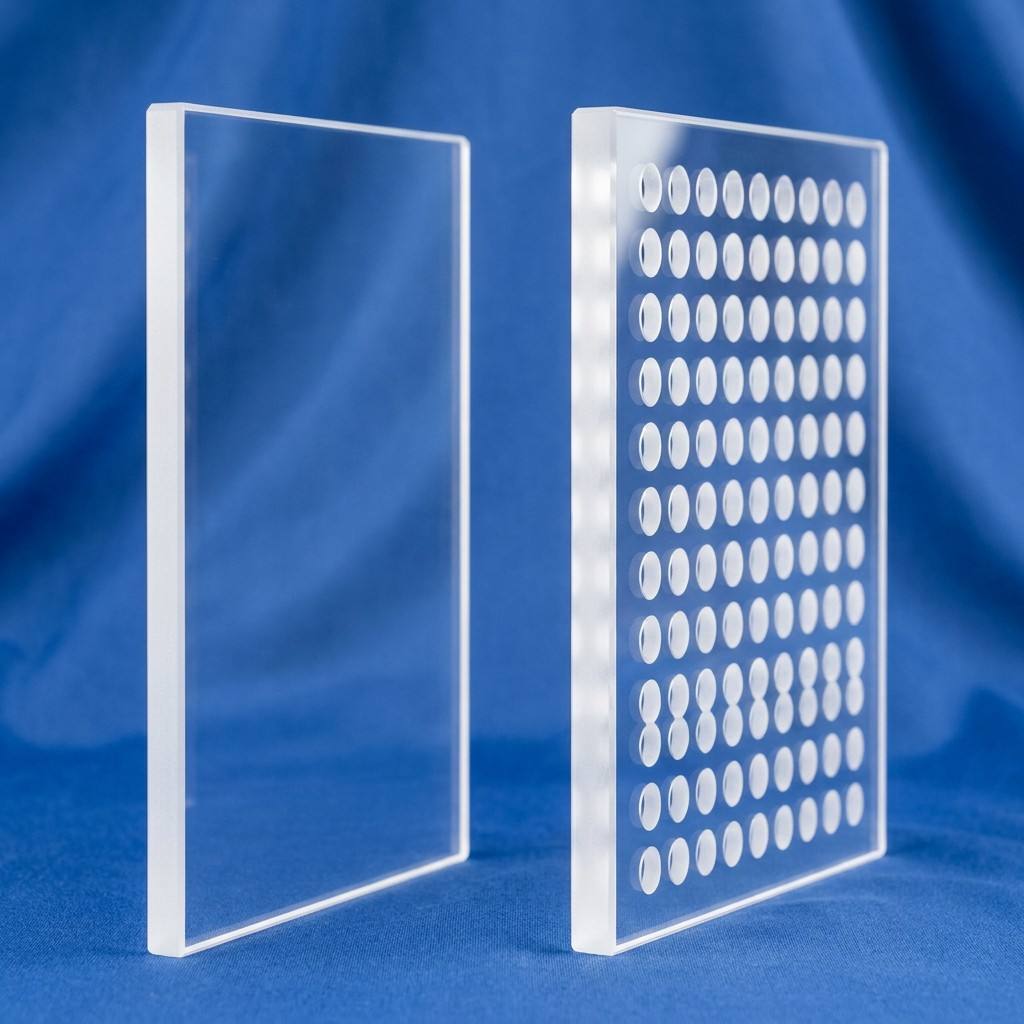
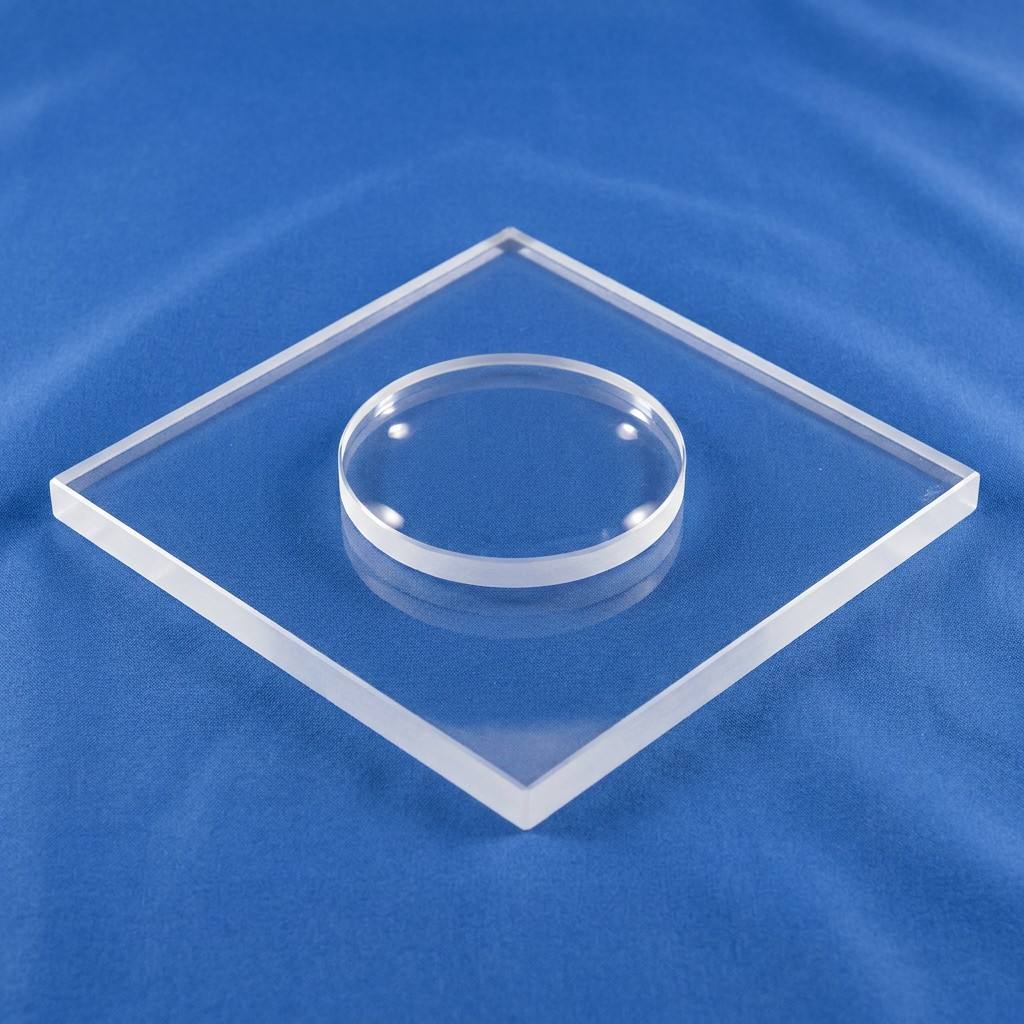
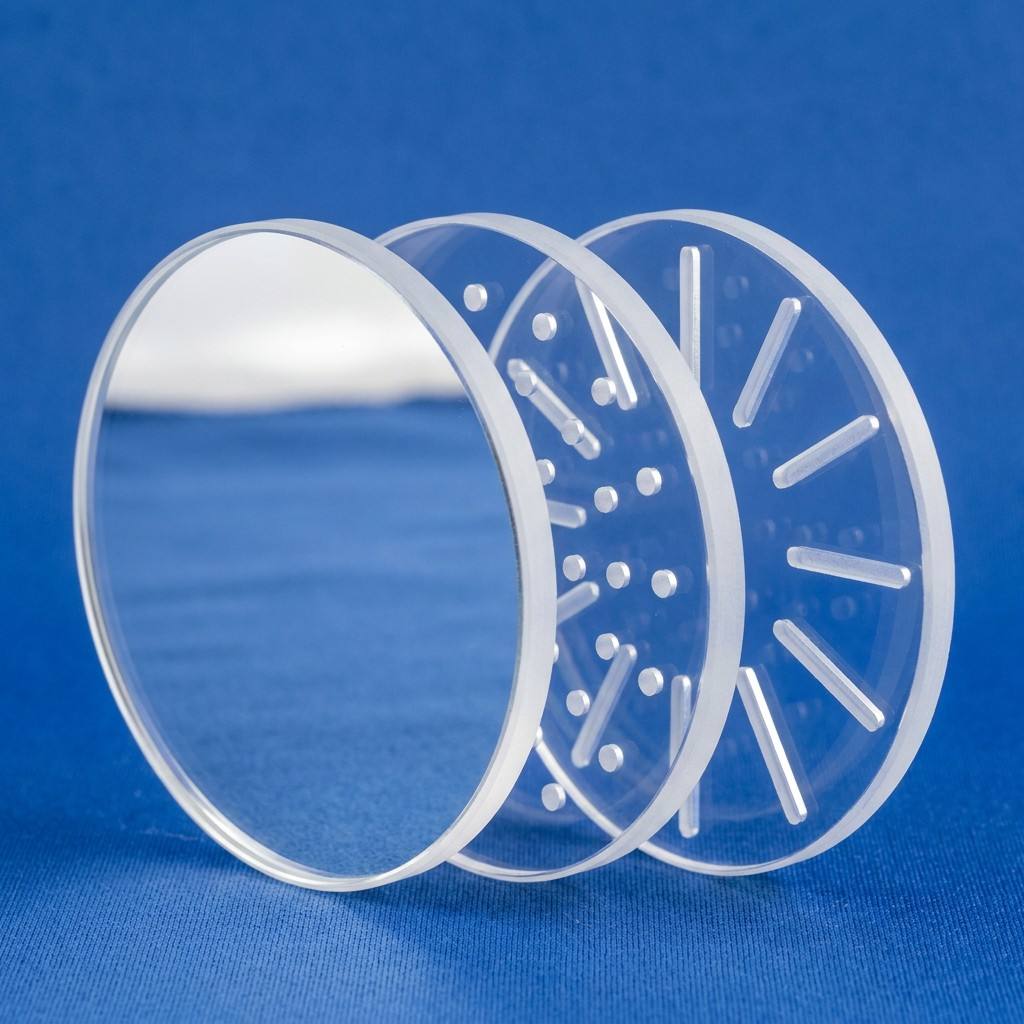
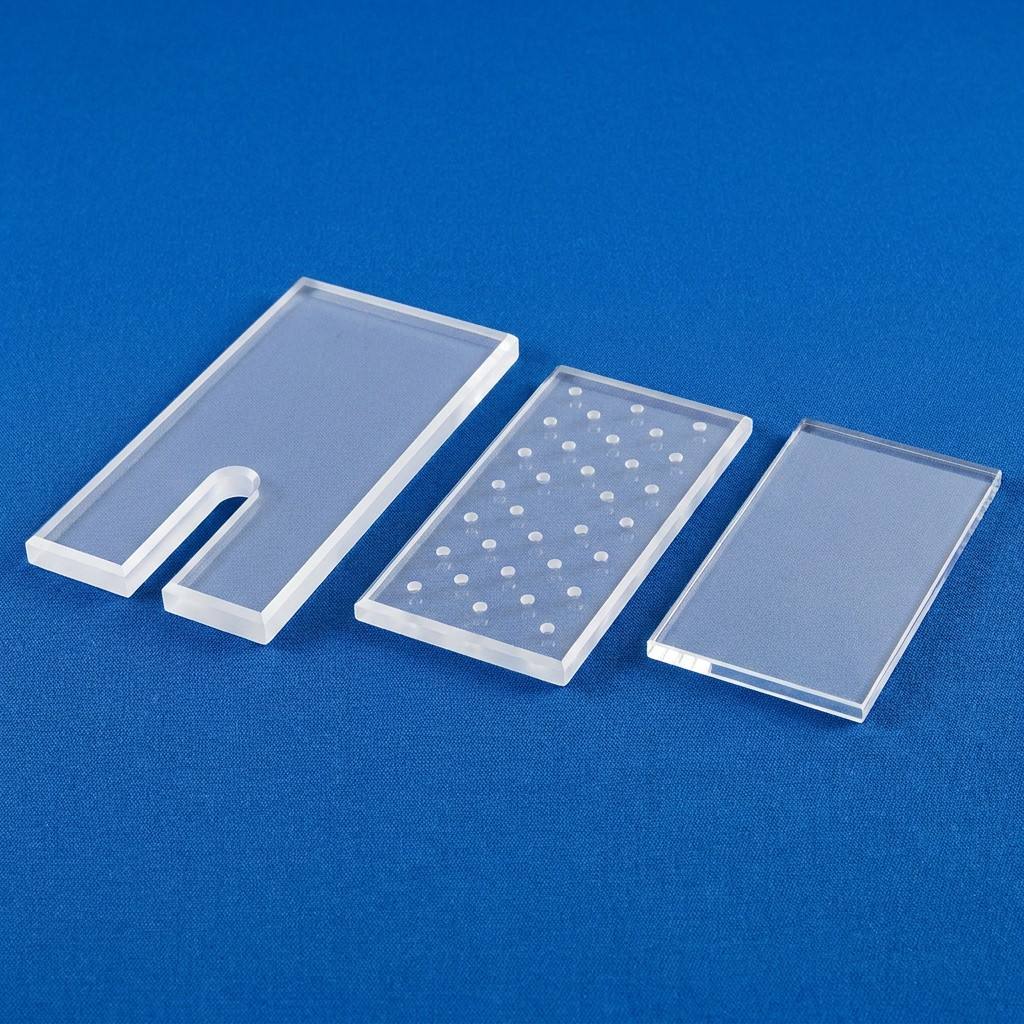
Engineered alongside our premier capillary drawing lines, our semiconductor-grade fused silica plates, sight viewports, and custom substrates maintain defect-free microstructures for extreme-temperature and high-vacuum industrial applications.



Engineered Quartz Capillary Rod & Micro-Tubing Architecture
A comparative technical analysis of manufacturing paradigms: Why tight geometric tolerances, ultra-low hydroxyl (OH⁻) content, and pristine amorphous microstructures dictate system performance in fiber-optic ferrule, biophotonic cell, and chromatographic applications.
Micro-Bore Geometric Uniformity
Precision-drawn capillary rods and hollow microtubes demand zero ovality and constant inner diameter (ID) ratios across multi-meter pulls. Using laser-monitored vertical draw towers, our production guarantees internal bore variation within ±0.002 mm, preventing fluid velocity fluctuations in HPLC capillary columns and signal skewing in fiber pigtails.
Deep UV-to-NIR Transmission
Synthetic fused silica and naturally refined crystalline quartz precursors dictate optical attenuation bands. Natural quartz rods retain structural rigidity up to 1,200°C, while our high-purity synthetic capillary tubes eliminate 248 nm solarization degradation and minimize 1,383 nm water-peak absorption, empowering high-throughput spectrophotometry.
Extreme Thermal & Chemical Inertness
With a minimal thermal expansion coefficient of 5.5 × 10⁻⁷ /°C, quartz capillary rods withstand rapid cycling from 1,100°C to ice-bath quenches without micro-fracturing. Inert to all aggressive acids (except hydrofluoric and boiling phosphoric), these microstructures preserve ultra-pure reagent integrity without leaching ionic contaminants.
| Physical & Chemical Parameter | Semiconductor Natural Fused Quartz | Synthetic Fused Silica (VAD/CVD) | Engineering Impact on Capillary Application |
|---|---|---|---|
| SiO₂ Purity (Base Matrix) | ≥ 99.995% | ≥ 99.9999% | Mitigates device cross-contamination in wafer processing and capillary electrophoresis. |
| Hydroxyl (OH⁻) Concentration | ≤ 5 – 30 ppm (Electrically Fused) | ≤ 1 – 1,200 ppm (Grade Tunable) | Low-OH prevents optical attenuation in NIR; High-OH optimizes UV transmittance down to 190 nm. |
| Coefficient of Thermal Expansion (CTE) | 5.5 × 10⁻⁷ / °C (20°C – 320°C) | 5.2 × 10⁻⁷ / °C (20°C – 320°C) | Near-zero thermal drift prevents misalignment in laser colocation and optical arrays. |
| Softening Point & Annealing Point | Softening: 1,683°C | Anneal: 1,215°C | Softening: 1,600°C | Anneal: 1,140°C | High mechanical stability prevents capillary bore collapse during localized laser or flame sealing. |
| Refractive Index (nd @ 589.3 nm) | 1.4585 | 1.4584 | Ensures predictable total internal reflection for clad capillary light guides and flow cells. |
Future Strategic Sourcing Trends for Quartz Capillary Rods
Analyzing the macroeconomic and micro-engineering shifts influencing B2B component sourcing through 2026–2030 across North American, European, and Asian advanced manufacturing corridors.
1. Transition to Multi-Lumen & Micro-Fluidic Monoliths
Procurement officers are shifting from simple single-bore capillary tubes to complex multi-lumen profiles (2-bore, 4-bore, and customized matrix internal geometries). Modern biopharmaceutical analysis and DNA sequencer platforms require simultaneous delivery of multiple reagents, alongside laser-induced fluorescence interrogation inside a single capillary monolith. OEM drawing-to-spec capabilities with multi-axis CNC drilling and preform draw controls now serve as the primary supplier filter.
2. Stringent Impurity Traceability in Semiconductor Nodes
As lithography nodes migrate below 3nm, quartz consumables within diffusion, dry etching, and atomic layer deposition (ALD) chambers encounter zero tolerance for trace heavy metals (Al, Fe, Na, K, Li, Cu). Modern procurement audits require full GD-MS (Glow Discharge Mass Spectrometry) or ICP-MS analytical reporting verifying total conventional metal contents below ≤20 ppm, ensuring zero ion diffusion into fragile semiconductor crystal lattices.
3. Automated Micro-Machining & Fire-Polished Surface Texturing
Traditional hand-torched capillary fabrication is rapidly being replaced by multi-axis CNC laser cutting, ultrasonically assisted grinding, and automated micro-flame polishing. Buyers prioritize vendors capable of delivering custom outer chamfers, conical tips, micro-ground taper ends, and scratch-dig specifications of 20/10 or better, eliminating sub-surface micro-cracks that cause vacuum breaches under elevated operating pressures.
4. Supply Chain Regionalization & Cluster Integration
Global geopolitical volatility and logistics costs have made vertical cluster integration essential. Procurement teams are reducing lead times by partnering directly with manufacturers situated within concentrated raw material belts—such as Donghai County, China—where high-purity quartz refining, smelting, redraw operations, and precision metrology coexist within a unified manufacturing ecosystem.
Why Industrial Leaders Partner with VEZLO Quartz
Combining natural regional quartz capital advantages with advanced industrial R&D to deliver high-performance quartz glassware directly to global OEMs.
Raw Mineral Cluster Advantage
Located on a 50-mu (≈33,000 m²) facility in Donghai County—globally recognized as "China's Quartz Center"—VEZLO exercises vertical control over 13 grades of high-purity quartz sand with conventional metallic contaminants strictly below ≤20 ppm. This ensures high structural clarity, zero visible bubbles, and superior devitrification resistance.
Provincial & National R&D Recognition
Backed by RMB 10 million in fixed assets and an annual R&D commitment exceeding RMB 5 million, our industrial capabilities have powered prestigious projects including the Jiangsu Provincial Science & Technology Support Project for 320 mm semiconductor tubes and national recognition for our ultra-large 520 mm diffusion furnace quartz cores.
Rapid Turnaround & High Repeat Rate
With an average technical inquiry response time under 2 hours and an engineering team fluent in CAD/SolidWorks design interpretations, we maintain a 50% reorder rate among tier-1 semiconductor, photonics, and chemical research buyers across the United States, Germany, the UK, France, and Japan.
Frequently Asked Questions for Quartz Capillary Sourcing
Addressing key mechanical, optical, tolerancing, and commercial logistics inquiries routinely handled by our senior technical sales staff.
What are the standard outer diameter (OD) and inner diameter (ID) capabilities for VEZLO quartz capillaries?
How do I choose between synthetic fused silica and natural fused quartz for capillary rods?
What edge finishing and micro-machining options can be applied to custom capillary orders?
What quality assurance documentation accompanies export shipments?
How does VEZLO guarantee the safe international shipment of micro-thin, fragile quartz products?
What is the standard production lead time for prototype vs. high-volume OEM capillary runs?
Accelerate Your Precision Quartz Project Today
Whether you require micro-bore capillary rods for analytical instruments, optical ferrule tubes, or high-purity semiconductor furnace ware, our engineering team in Donghai provides rapid design validation, tolerance verification, and factory-direct pricing within 2 hours.