Precision Quartz Components & Process Tubes
Engineered to strict dimensional tolerances from raw Donghai crystalline silica, tailored for extreme-temperature thermal processing, deep-UV semiconductor lithography, and heavy-duty industrial vacuum chambers.


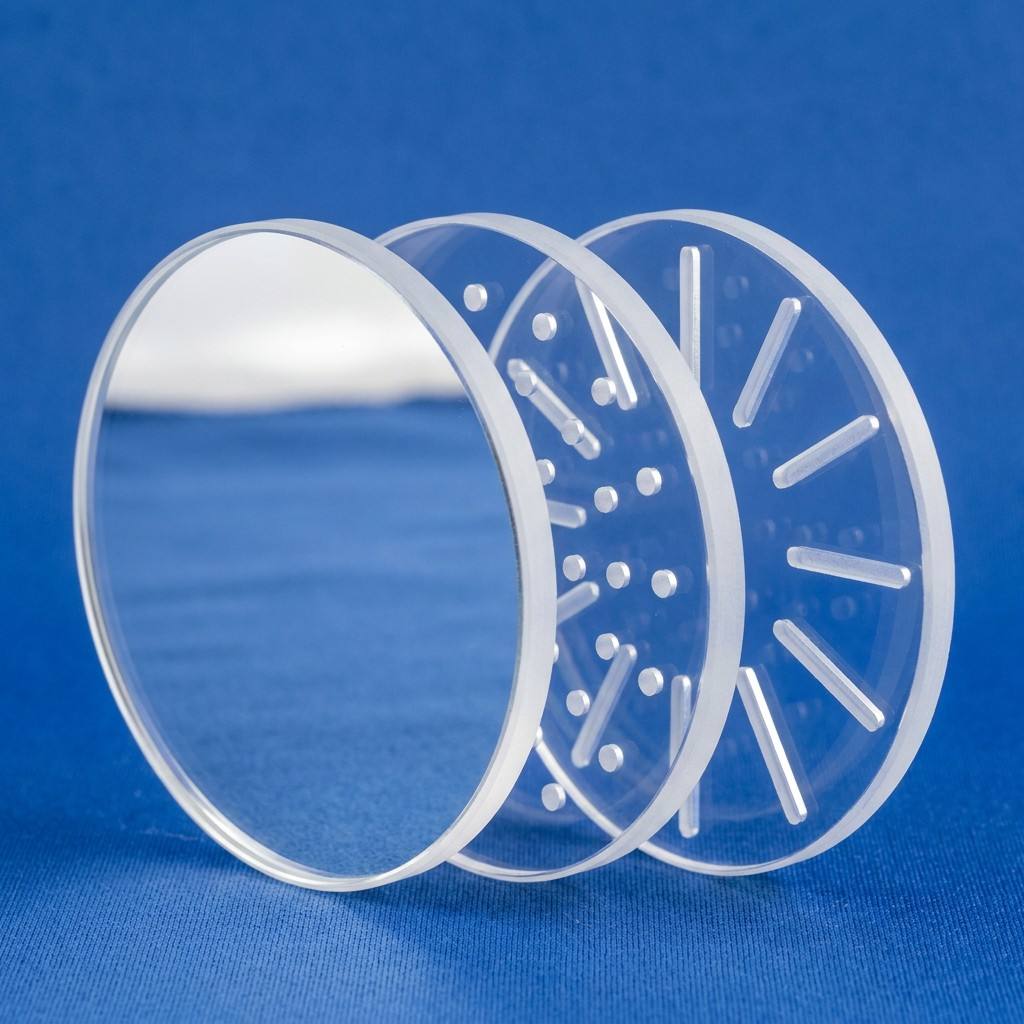
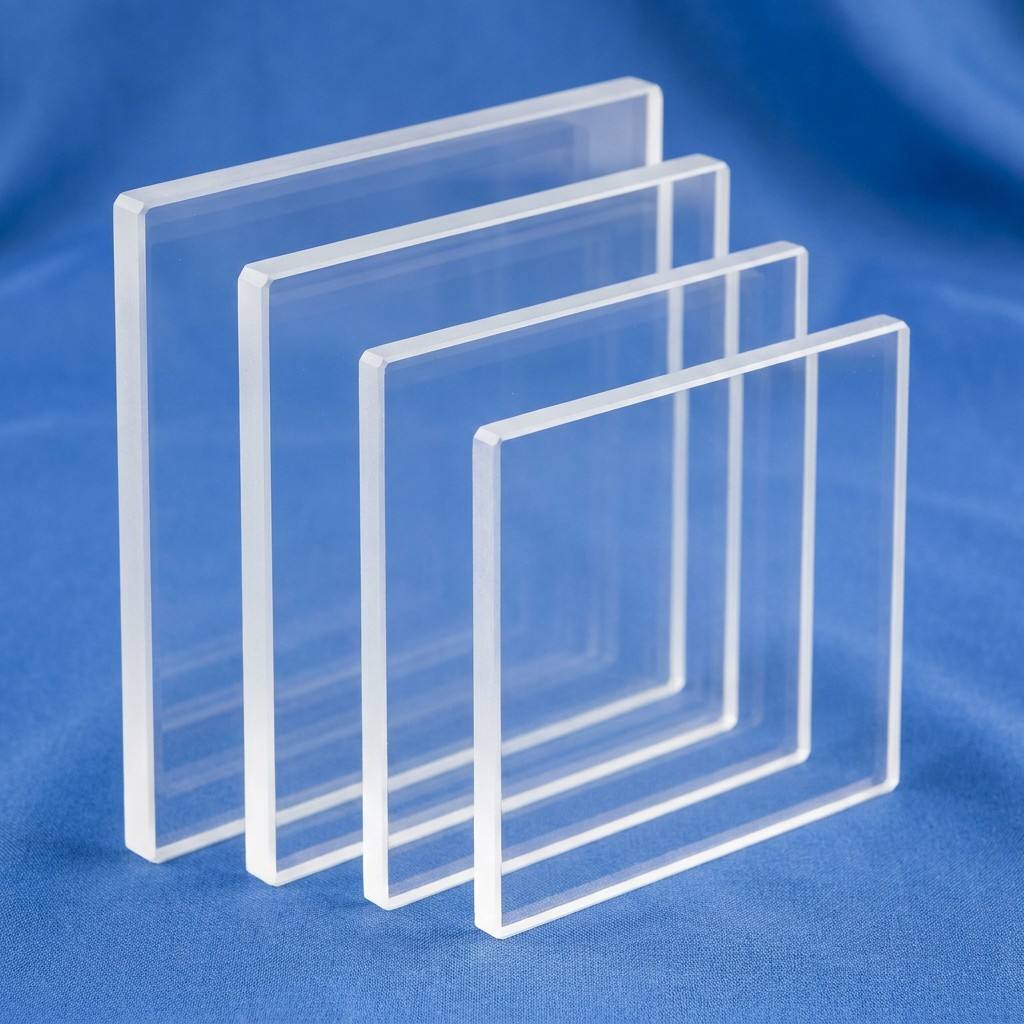
Engineering Authority: Fused Quartz vs. Synthetic Fused Silica
In high-purity industrial thermal design, selecting the right vitreous silica material dictates equipment longevity, furnace thermal efficiency, and baseline contamination. While the terms fused quartz and fused silica are occasionally conflated, their fundamental synthesis routes dictate significantly differing operational thresholds.
Natural Fused Quartz is synthesized through the fusion of high-purity natural quartz sand (typically sourced from pristine geological deposits such as our local reserves in Donghai County, China). This material is optimized for extreme thermal stability, displaying a softening point near 1683°C, continuous mechanical integrity up to 1100°C, and superior structural stiffness against sag in large-bore semiconductor diffusion furnaces. Synthetic Fused Silica, conversely, is generated through the chemical vapor deposition (CVD) or flame hydrolysis of silicon tetrachloride (SiCl4). While synthetics yield negligible heavy metal contents (<0.1 ppm) and superior DUV transmission below 200nm, natural fused quartz delivers unmatched economic and structural benefits for furnace processing tubes, reaction vessels, ozone-free UV sterilizers, and thermal viewports.
Physical, Mechanical, and Thermal Properties Benchmarks
| Material Property | SI Metric Value | Test Standard | Procurement & Operational Impact |
|---|---|---|---|
| SiO2 Chemical Purity | ≥ 99.99% (4N) to 99.999% (5N) | ICP-MS Trace Analysis | Prevents transition metal outgassing in semiconductor diffusion. |
| Density (ρ) | 2.20 ± 0.01 g/cm³ | ASTM C693 | Lightweight, low inertia structural support compared to technical ceramics. |
| Coefficient of Thermal Expansion (CTE) | 5.5 × 10&supmin;&sup7; /°C (20°C – 320°C) | ASTM E228 Dilatometry | Zero failure under instantaneous thermal quenching (ΔT > 1000°C). |
| Softening Point | 1683 °C | ASTM C338 | Wide processing safety window above metallurgical process levels. |
| Annealing Point | 1215 °C | ASTM C336 | Guarantees complete internal stress relaxation post-flame fabrication. |
| Strain Point | 1120 °C | ASTM C336 | Defines upper continuous operating boundary without geometric creep. |
| Compressive Strength | 1100 – 1150 MPa | ASTM C773 | Withstands substantial positive pressure in pressurized sight glasses. |
| Dielectric Strength (20°C, 1MHz) | 25 – 40 kV/mm | ASTM D149 | Superior high-frequency electrical insulation for RF plasma chambers. |
Factory Pedigree: Donghai Production Base & Vertical Integration
Operating a sprawling 50-mu (≈33,000 m²) production base in Donghai County, Jiangsu Province — universally recognized as the quartz crystal capital of China — our facility capitalizes on geographic proximity to premium crystalline silica deposits. Backed by over RMB 10 million in fixed assets, we exercise total vertical oversight from raw sand refinement down to micrometer-level cold CNC finishing.
Source-Level Sand Refinement
By producing our own 13 distinct grades of ultra-high-purity quartz sand with total conventional metallic impurities held below ≤20 ppm, we eliminate batch-to-batch chemical variance, micro-bubbles, and microscopic structural inclusion lines.
Provincial & National Projects
Our 320mm high-purity quartz tube for VLSI semiconductor production was formally acknowledged under the Jiangsu Provincial Science & Technology Support Project, while our 520mm diameter tube has passed national new product reviews.
Advanced Hot & Cold Tooling
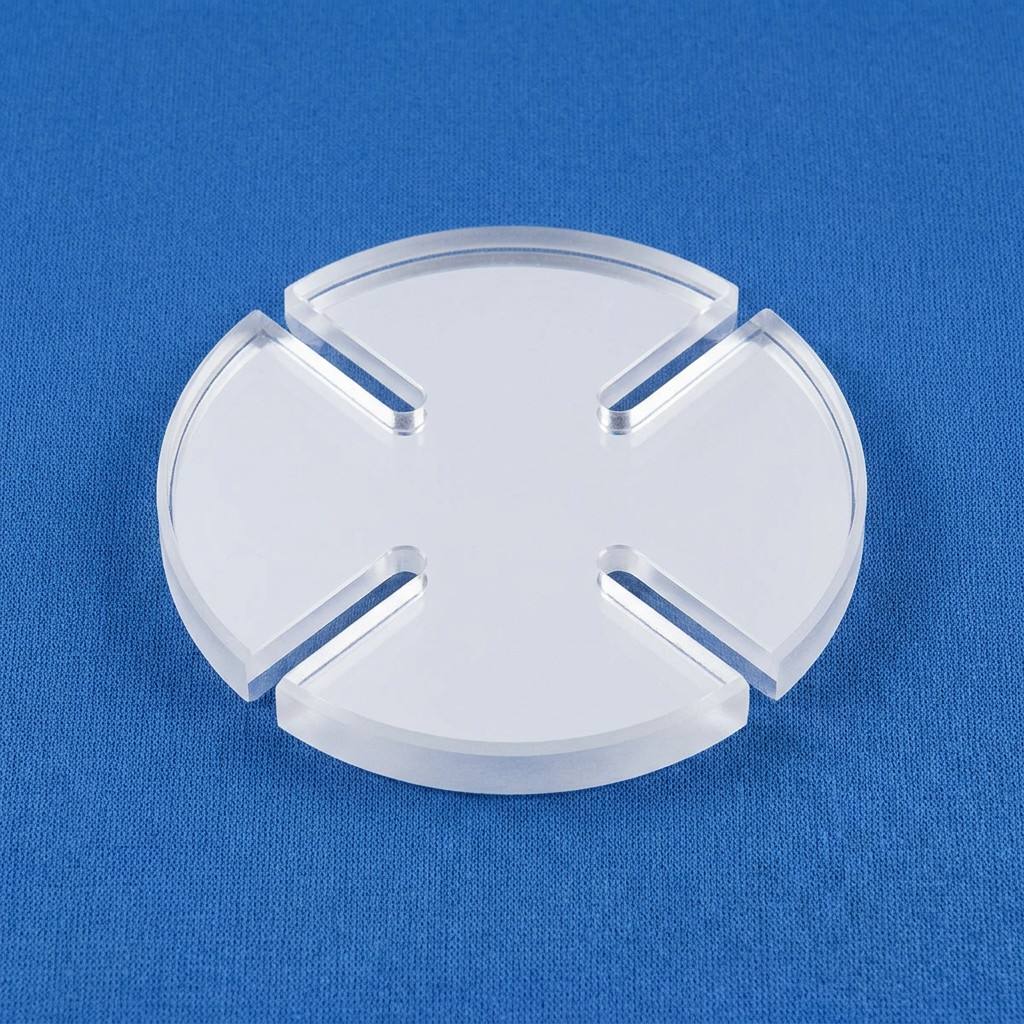
Equipped with automatic drawing towers, multi-axis hydrogen-oxygen lathe welding beds, flat-bed optical grinding tables, and 5-axis CNC ultrasonic milling units capable of producing bespoke flanged tubes, boats, and slotted chambers.
Global Procurement Trends: What Sourcing Directors Must Anticipate
Procurement directors in Europe, North America, and East Asia are shifting purchasing strategies from standard off-the-shelf catalog tubes to custom-engineered, tightly audited OEM/ODM quartz programs. The primary technological drivers restructuring quartz supply chains include:
1. Semiconductor Wafer Upsizing (≥300mm/450mm)
Next-generation fabrication lines require massive process chambers with tight dimensional runout. Demand for fused quartz core tubes ranging from Ø320mm to Ø520mm with wall thickness uniformity under ±0.15mm is accelerating across LPCVD, ALD, and oxidation suites.
2. Solar PV Expansion into N-Type TOPCon & Perovskites
The transition toward high-efficiency TOPCon solar cells demands ultra-pure POCl3 diffusion tubes. Low-iron, high-viscosity quartz with zero surface devitrification reduces downtime during continuous, multi-week cell production runs.
3. Doping-Tailored Spectral Selective Filtration
Modern UV disinfection and chemical oxidation systems are abandoning broad-spectrum tubes. Buyers increasingly specify custom TiO2-doped ozone-free quartz tubes (which completely suppress the harmful 185nm line while transmitting 90%+ of 254nm germicidal output).
4. Sustainable Green Hydrogen & Pyrolysis Reactors
Thermal conversion processes for green chemicals and advanced methane pyrolysis mandate extreme corrosion resistance in hot acid/steam atmospheres. Custom flanged quartz process vessels are replacing exotic alloys due to zero metallic leaching.
Engineering Roadmap: How to Prepare an RFP for Quartz Glass Tubes
To reduce quotation lead times and eliminate drawing misunderstandings, engineering procurement teams should specify their quartz tubing parameters across these five standardized technical dimensions:
1. Geometric Dimensions & Tolerances
Define Outer Diameter (OD), Inner Diameter (ID), Wall Thickness (WT), and Length. Clarify total allowable ovality (out-of-roundness) and total permissible camber (siding/bow) per meter (typically ≤1.5mm/m for precision furnace operations).
2. End Finishing & Joining Geometries
Specify cut style: commercial cut, fire-polished ends, ground flat/square, flared bell mouth, domed closed end, or fusion-welded vacuum ISO/CF quartz flanges and standard taper ground joints.
3. Purity Grade & OH- Content Level
Standard clear industrial grade (≤30 ppm metals, ~150 ppm OH-) for heating elements; Low-OH grade (<5-20 ppm OH-) for IR lamps and high-viscosity furnaces; or Semiconductor Grade (≤15 ppm metals) for cleanroom processes.
4. Visual & Inclusion Classification
Classify allowable airlines and air bubbles based on DIN ISO 10110-7 or internal fab guidelines. State whether surface micro-striations or inclusions in the active viewing zone will trigger inspection rejection.
5. Export Shock-Proof Packaging Protocol
Ensure your supplier utilizes individual bubble sleeves, multi-layered pearl cotton suspend blocks, and export-compliant fumigation-free wooden crates to prevent micro-fracturing during intermodal transit.
Frequently Asked Questions: Sourcing & Quality Engineering
Direct technical answers to the most common queries raised by international procurement managers, quality engineers, and supply chain directors.
What outer diameter tolerances can your factory maintain on large-bore quartz tubes?
How does hydroxyl (OH⁻) content influence high-temperature tube performance?
What is an ozone-free quartz tube, and how does it prevent ozone generation?
How is fused quartz cleaned and decontaminated prior to cleanroom delivery?
Can fused quartz tubes be directly coupled with borosilicate glass or metal fittings?
What export packing safeguards protect fragile quartz goods from ocean or air freight shock?
Request a Rapid Engineering Review & Quotation
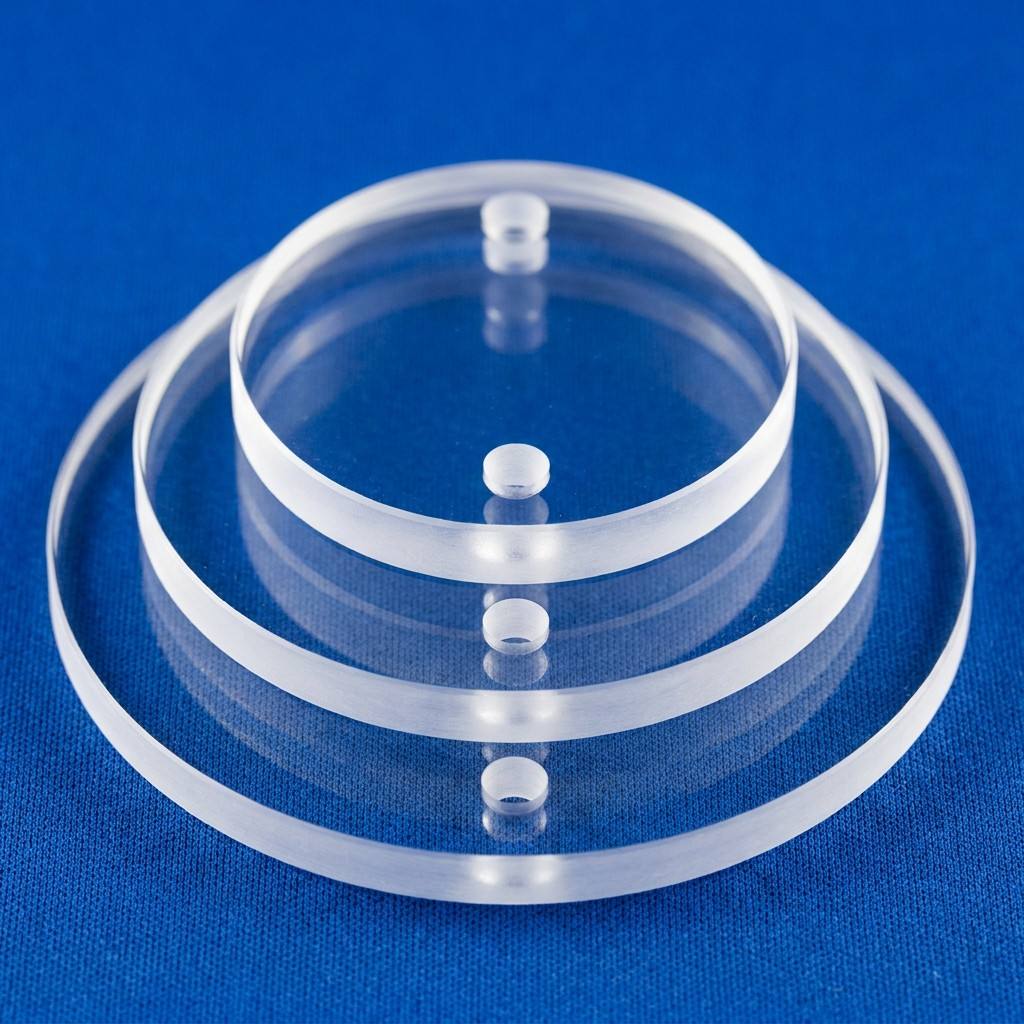
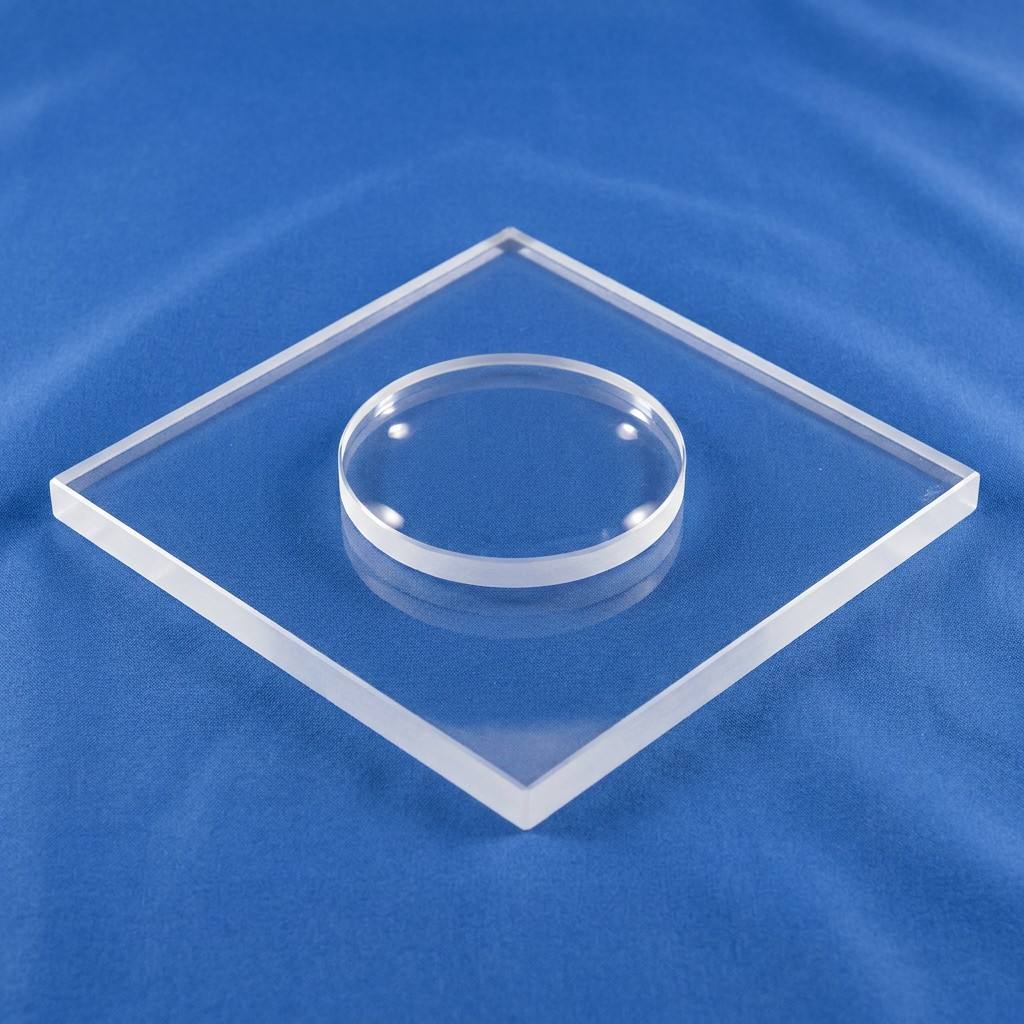
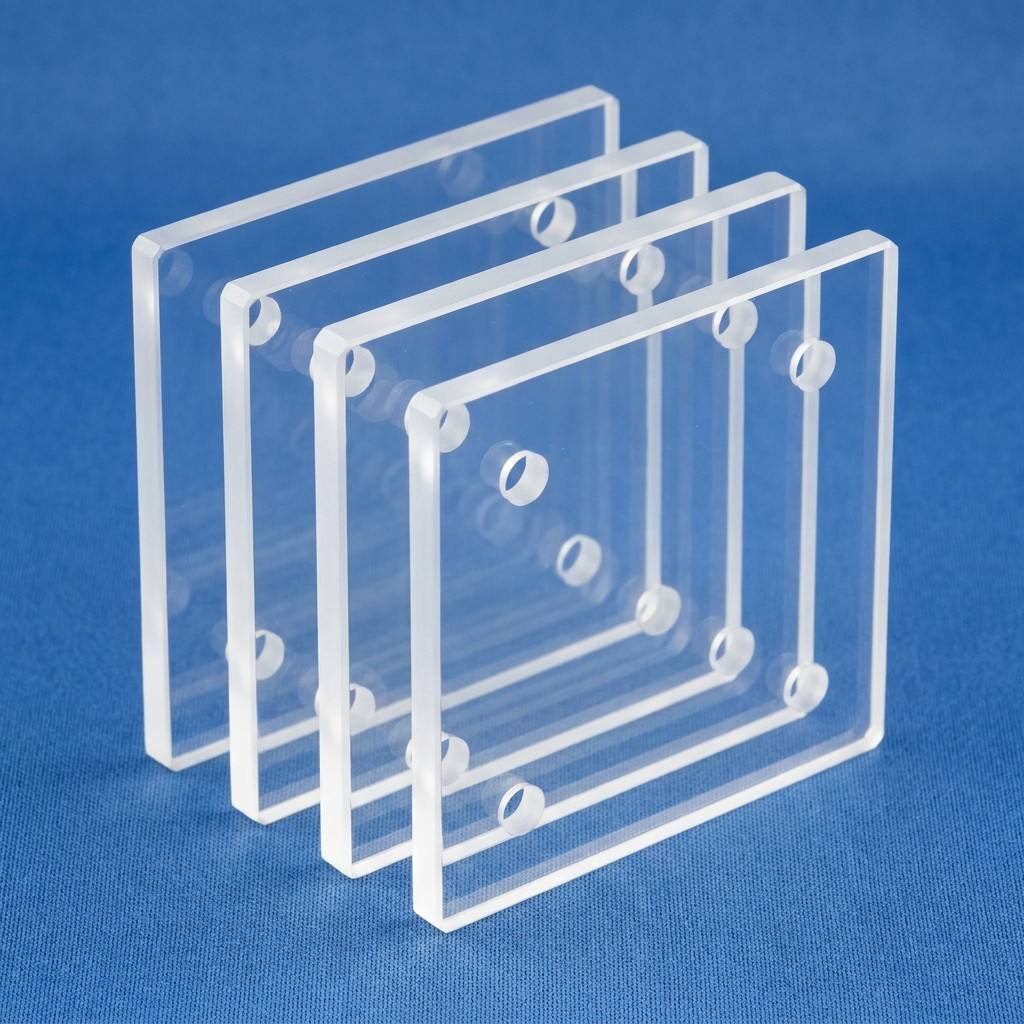
Whether you require standard optical-grade quartz plates, high-volume ozone-free UV lamp tubing, or custom semiconductor-grade diffusion process tubes, our engineering team responds within 2 hours with detailed DFM analysis and wholesale factory pricing.