Engineered Fused Quartz & Silica Component Series
Explore standard and bespoke high-purity components meticulously fabricated to drawing specifications for extreme temperature, chemical-inertness, and vacuum viewport environments.

1. Technical Specification Matrix & Thermal-Mechanical Characteristics
In high-temperature thermal processing, semiconductor wafer fabrication, and high-intensity ultraviolet irradiation systems, transparent fused quartz serves as an indispensable foundational material. Fabricated predominantly through the continuous thermal melting of natural crystalline quartz (yielding continuous-melt electric fused silica) or flame-fusion processing, clear quartz tubing exhibits near-zero thermal expansion, phenomenal thermal-shock resilience, and outstanding chemical inertness.
When selecting a qualified manufacturer, enterprise procurement managers must evaluate mechanical rigidity against optical transmittance thresholds. Transparent clear quartz features an amorphous non-crystalline structure consisting entirely of tetrahedral silicon dioxide units (SiO₂ ≥ 99.99%). This atomic architecture permits continuous duty cycles at operating temperatures surpassing 1100°C and short-term peak thermal survivability approaching its softening ceiling at 1683°C.
| Property Parameter | SI Metric Specification | Significance for Industrial Procurements |
|---|---|---|
| Chemical Purity (SiO₂) | ≥ 99.99% (Optical / Semi-Grade) | Prevents metal migration into semiconductor lattices and furnace atmospheres |
| Density | 2.20 g/cm³ | Ensures lightweight thermal integration with lowered structural stress |
| Coefficient of Thermal Expansion (CTE) | 5.5 × 10⁻⁷ / °C (20°C–320°C) | Eliminates catastrophic fractures during instantaneous thermal cycling and quenching |
| Softening Point | 1683 °C | Defines upper thermal boundary for flame-working, tube blowing, and welding |
| Annealing Point | 1215 °C | Crucial for secondary thermal de-stressing after lathe forming or end flanging |
| Strain Point | 1120 °C | Standard threshold for long-term horizontal furnace sag prevention |
| Refractive Index (n_d) | 1.4585 (at 589.3 nm) | Governs optical dispersion for UV lamps, sight windows, and analytical flow cells |
A primary criterion differentiating tier-one manufacturers from secondary suppliers is the control of refractory bubble defects and hydroxyl groups (OH¯). For infrared heating equipment, low-OH fused quartz is mandatory to evade characteristic absorption bands at 2.73 μm. Conversely, in specialized germicidal and water-disinfection lamp assemblies, synthetic fused silica or titanium-doped fused quartz is specified to selectively govern the passage of 254 nm germicidal rays while attenuating ozone-generating 185 nm deep-UV emissions.
2. Future Procurement Trends in the Clear Quartz Supply Chain
Strategic purchasing in the industrial quartz ecosystem has pivoted from regional transactional buying to structured, audit-verified supply-chain partnerships. Procurement executives face rigorous quality benchmarks driven by emerging wafer sizes, high-throughput PV solar cell diffusion, and medical water sterilization protocols.
Large-Bore Diameter Scaling
Driven by 300 mm wafer integration and expanding semiconductor lines, industrial tube requirements have pushed outer diameters from conventional 100–300 mm ranges up to 520 mm and beyond. Precision tolerances on wall thickness concentricity and ovality are critical to maintain laminar gas distribution during chemical vapor deposition (CVD) and diffusion cycles.
Precursor Purity Traceability
Global original equipment manufacturers (OEMs) demand strict raw-material pedigree tracking. The concentration of transition elements like iron (Fe), copper (Cu), and titanium (Ti), alongside alkali metals (Li, Na, K) must remain strictly under defined thresholds (≤ 20 ppm cumulative metals). This mitigates micro-devitrification (crystallization into cristobalite) during sustained furnace operation.
Direct-to-Drawing Fabrication
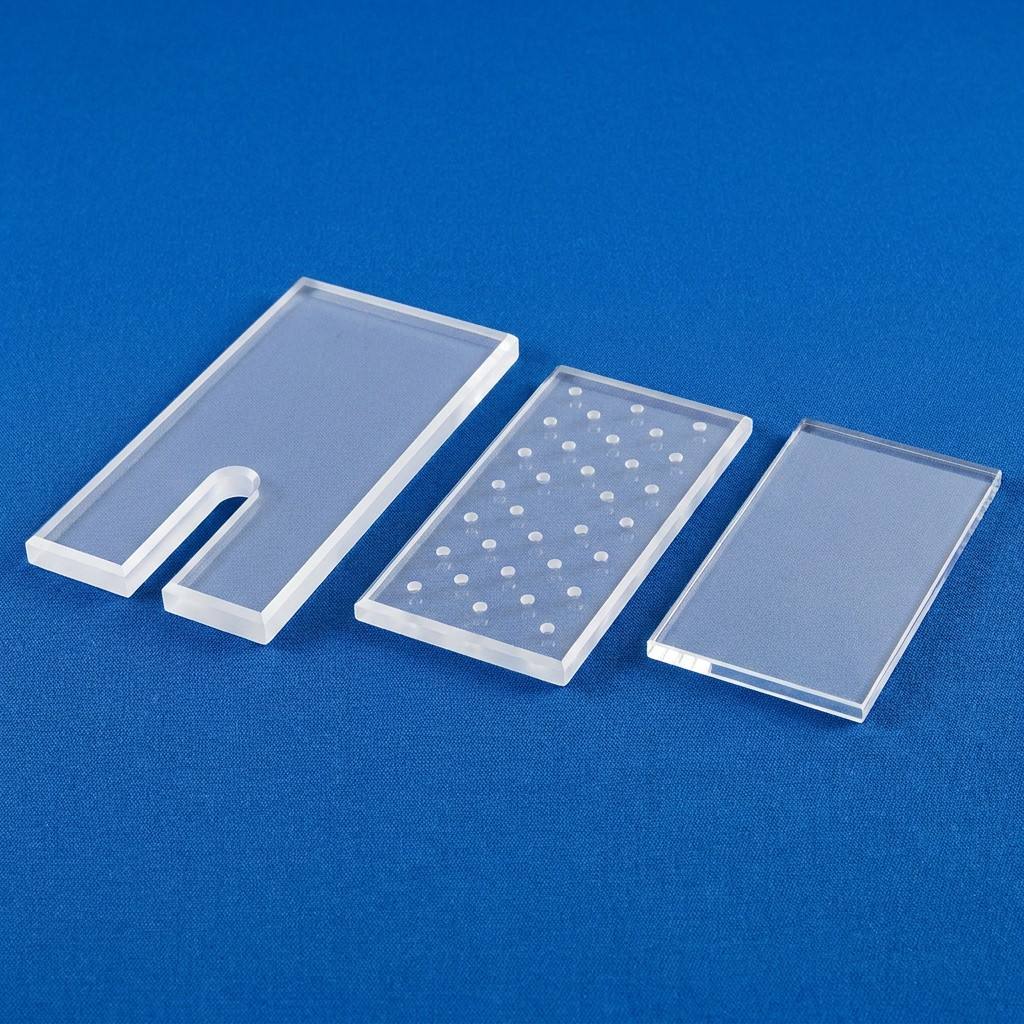
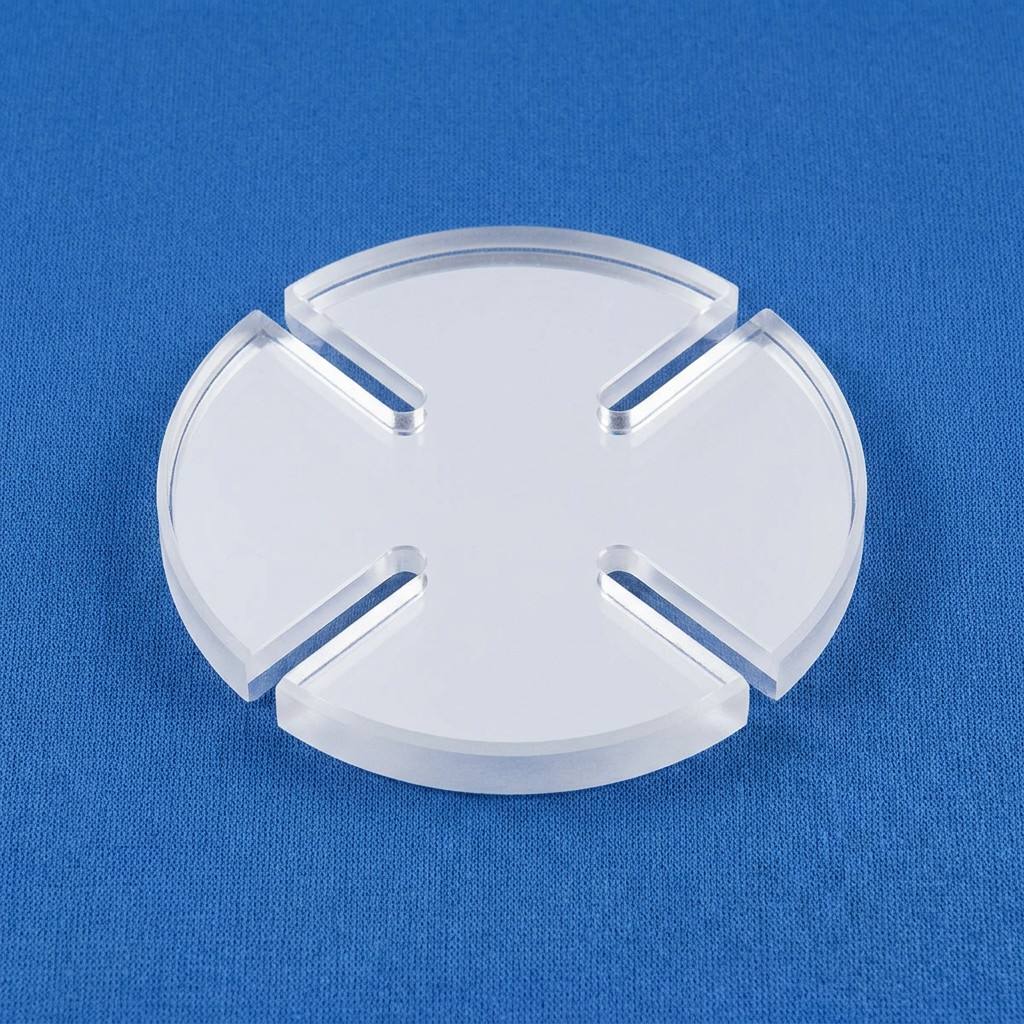
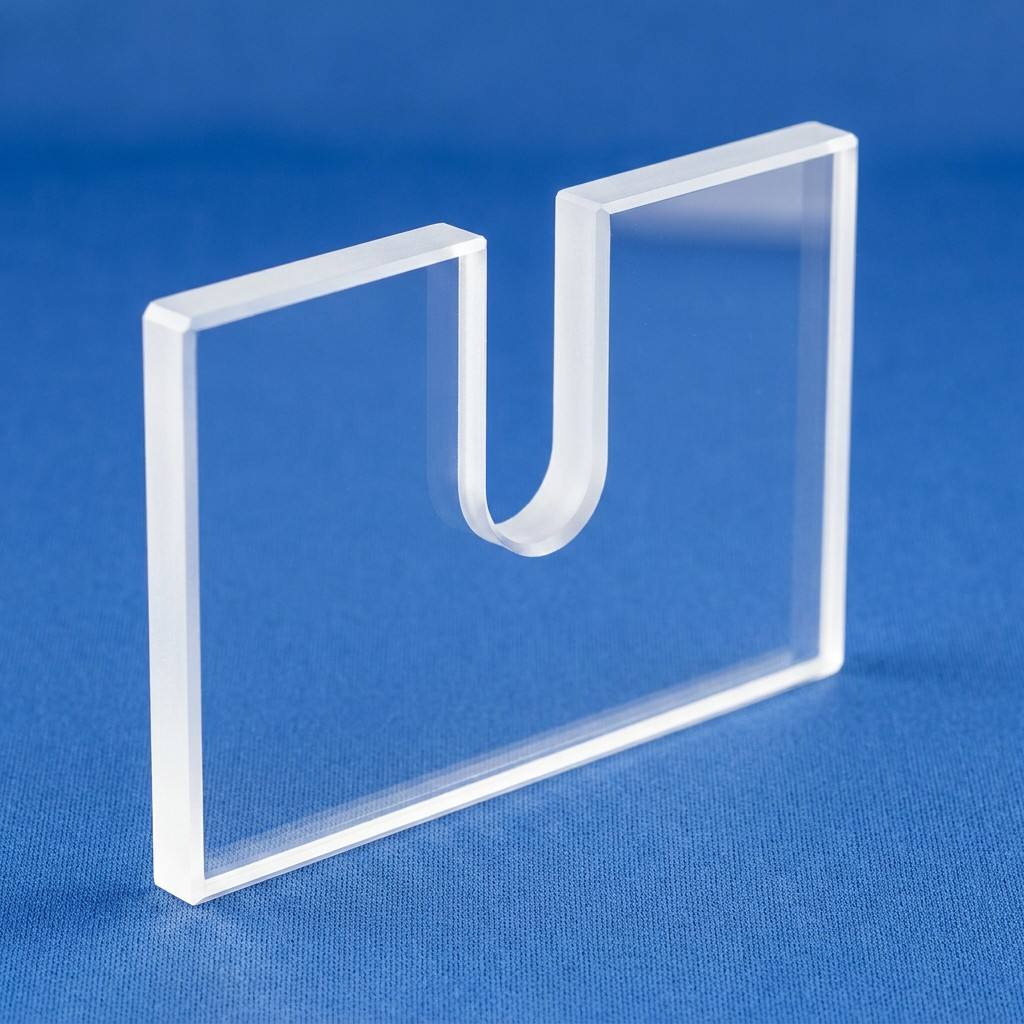
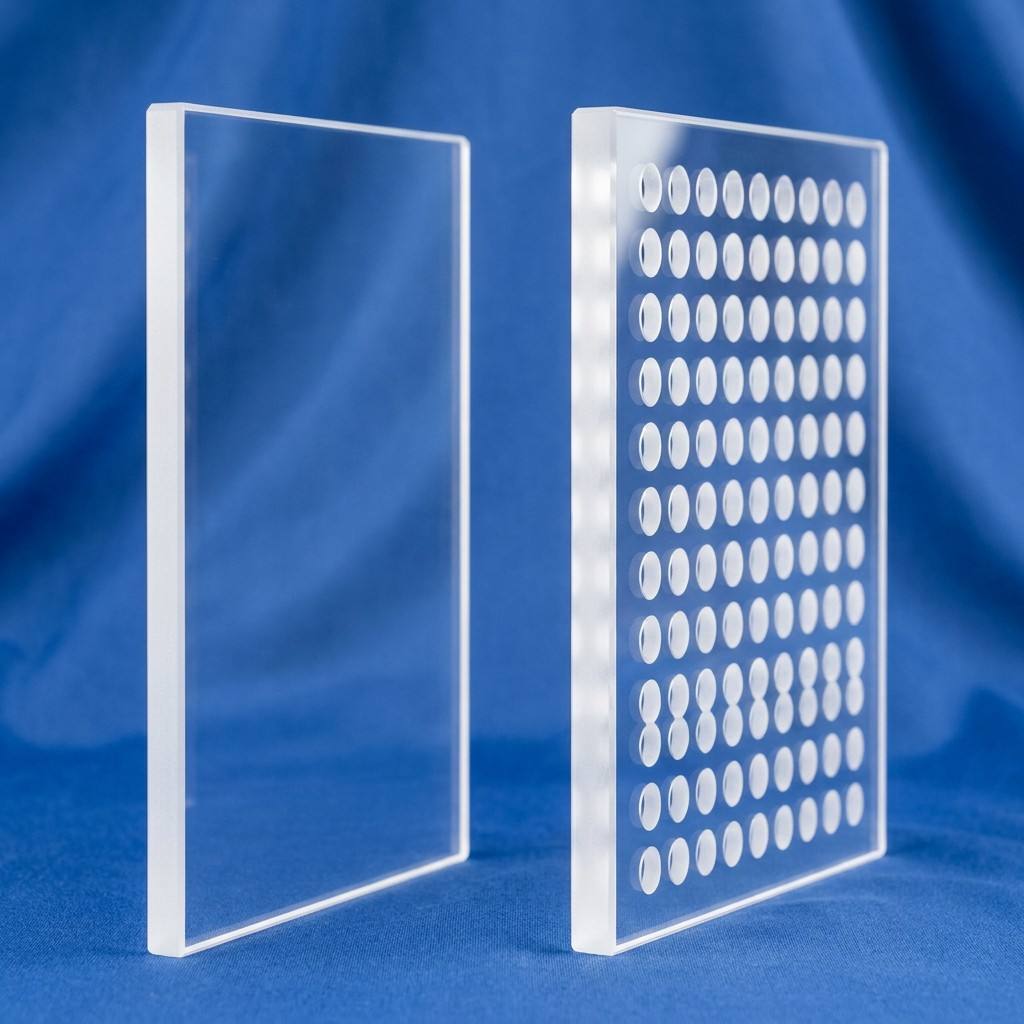
Procurement teams are shifting away from purchasing raw stock tubes to avoid downstream yield loss. Instead, they increasingly commission end-to-end fabricated quartz assemblies—including ground ball-and-socket joints, CNC-slotted wafer boats, welded end flanges, and precision-ground viewport discs—delivered ready for direct cleanroom installation.
3. Technological Evolution & Manufacturing Innovation
Historically, the production of clear quartz tubing relied on batch electric-arc vacuum melting, an energy-intensive approach susceptible to localized impurities. Modern manufacturing methodologies have evolved significantly:
Continuous Multi-Electrode Electric Drawing
State-of-the-art continuous melting furnaces utilize advanced tungsten-molybdenum crucibles shielded by non-oxidizing atmospheres. High-purity quartz granular feedstock is automatically dosed, melted uniformly, and drawn vertically or horizontally with real-time laser gauging, delivering continuous wall thickness tolerances down to ±0.15 mm.
Automated Lathe Flame-Working
CNC oxygen-hydrogen and plasma flame lathes now guide the end-closure, flanging, and welding processes for quartz tubes. Automated thermal profiling eliminates operator-dependent residual stress concentrations, reducing structural failure risks when assemblies are evacuated down to high-vacuum thresholds (10⁻⁶ Pa).
Laser Slicing and Optical Polishing
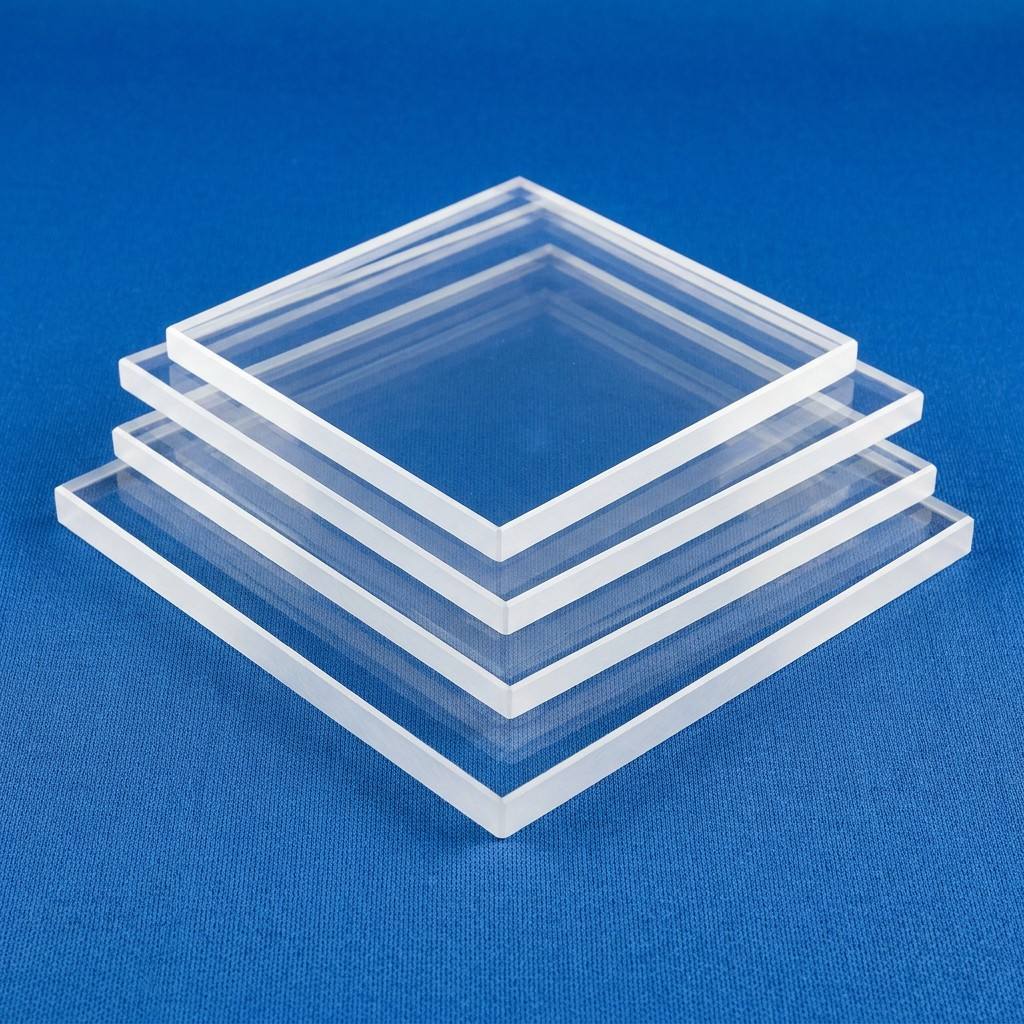
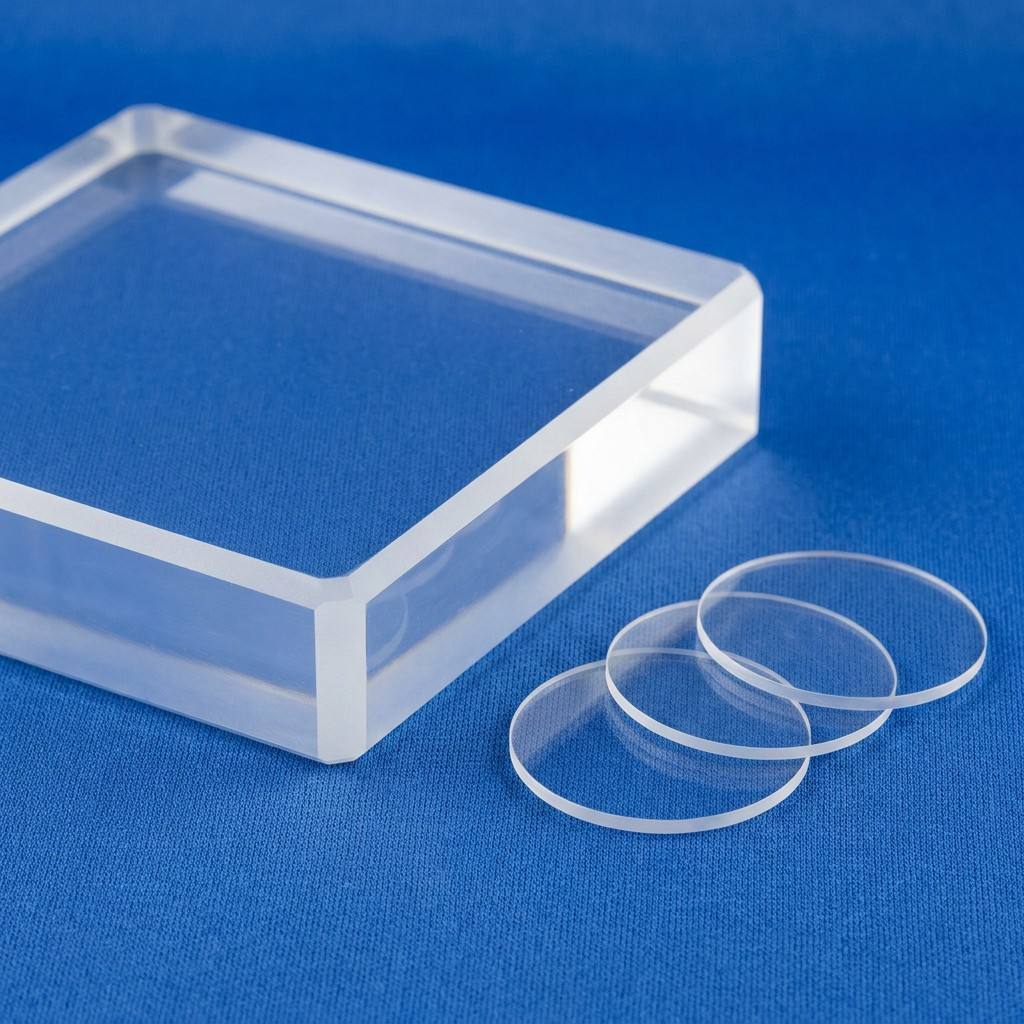
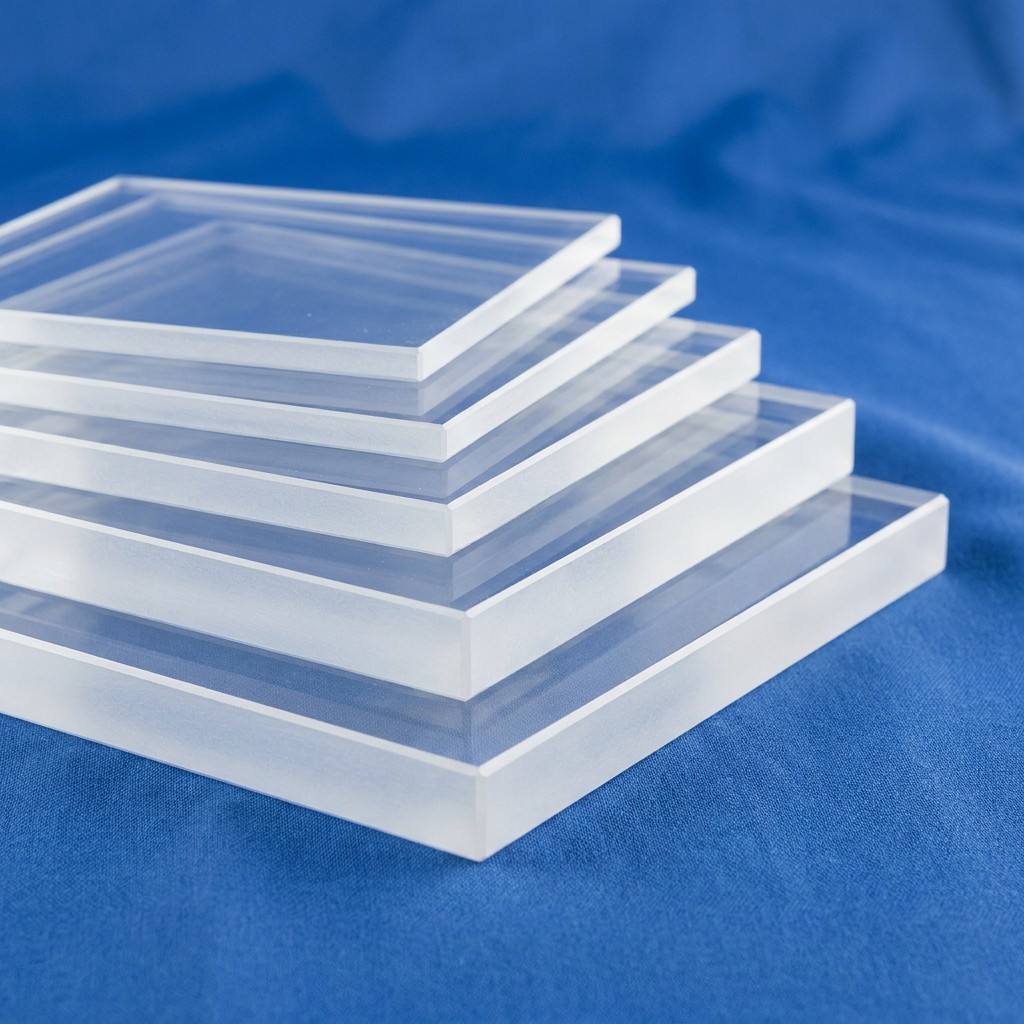
For quartz viewport discs, sight-glass plates, and sensor inspection covers, high-precision diamond wire slicing combined with multi-stage chemical-mechanical polishing (CMP) delivers surface roughness (Ra) down to sub-nanometer levels, maintaining 92% optical transmission from 260 nm to 2500 nm.
Factory-Direct Manufacturing Competence
Operating directly out of Tuofeng Township, Donghai County—globally recognized as "China's Quartz Capital"—VEZLO combines sovereign raw-material access, provincial-level engineering research, and integrated export fulfillment.
Donghai Industrial Hub
Covering a 50-mu (≈33,000 m²) facility backed by RMB 10 million in fixed assets, we operate within the core regional supply chain of ultra-high-purity natural silica sand.
Provincial R&D Recognition
Our 320 mm high-purity quartz tube for integrated circuits was completed under the Jiangsu Provincial Science & Technology Support Project; our 520 mm large-bore tube achieved national new product review status.
OD 2–520 mm Full Range
We melt, draw, slice, grind, flame-weld, and anneal quartz tubing, solid rods (Ø1.5–80 mm), precision plates, crucibles, and customized semiconductor cleaning tanks completely in-house.
Rapid Global Fulfillment
With an average engineering inquiry response time under 2 hours, 50% repeat procurement rate, and certified shock-absorbing export packaging, our components reach Europe, America, and Asia safely.
Frequently Asked Sourcing & Technical Questions (FAQ)
Direct technical guidance addressing tolerance allocation, grade selection, and export safety for clear fused quartz products.
Q: What dimensional spectrum is available for clear quartz tubes?
Standard electric-melt fused quartz tubing spans from 2 mm outer diameter (capillary) up to 500 mm. Additionally, we have successfully industrialized 520 mm high-purity tubes engineered specifically for wafer oxidation and vertical diffusion furnaces. Wall thickness, length, and cutting finishes (snap cut, fire polished, ground) are customized to engineering blueprints.
Q: What differentiates fused quartz from synthetic fused silica?
Fused quartz is produced by melting natural crystalline quartz gravel or sand, offering thermal stability, thermal-shock resistance, and high electrical resistivity at a cost-effective price point for furnaces, heaters, sight glasses, and standard lamps. Synthetic fused silica is created from chemical precursors like silicon tetrachloride (SiCl₄), offering extreme deep-ultraviolet (DUV) transparency and lower metallic trace content, but at a substantial cost premium.
Q: When is an ozone-free clear quartz tube required?
Standard quartz transmits ultraviolet light down to 180 nm, which photo-chemically converts ambient oxygen into ozone (O₃). By doping natural fused quartz with trace metal oxides (such as titanium), ozone-free tubing cleanly absorbs the 185 nm wavelength while retaining peak transmission at the 253.7 nm germicidal band. This is necessary for open-air UV sterilizers, water purifiers, and photochemistry reactors where toxic ozone emissions are regulated.
Q: How does clear quartz behave under rapid thermal cycling?
Clear quartz boasts one of the lowest coefficients of thermal expansion found in industrial solids (5.5 × 10⁻⁷ / °C). Consequently, a tube heated to 1000°C can be quenched directly into ice water without sustaining structural micro-cracks or catastrophic shattering, making it suitable for infrared heaters, rapid thermal annealing (RTA), and furnace sight glasses.
Q: What technical specifications are required for an RFQ quote?
To ensure a swift engineering response within 2 hours, buyers should specify: (1) Outer Diameter (OD), Inner Diameter (ID) or Wall Thickness, and Length with tolerances; (2) End processing details (open cut, fire-polished, flared, flat-bottom, ground joint, or flanged); (3) Working environment (operating temperature, pressure/vacuum level, chemical exposure); and (4) Desired batch volume.
Q: How are brittle quartz tubes protected against damage during ocean and air shipping?
Our standard export protocol includes individual wrapping with custom-contoured pearl cotton (EPE foam), separation grids, reinforced moisture-barrier shrink film, and packaging within multi-layer corrugated boxes anchored inside fumigation-free plywood crates. Shipments are fully covered under trade assurance guidelines.