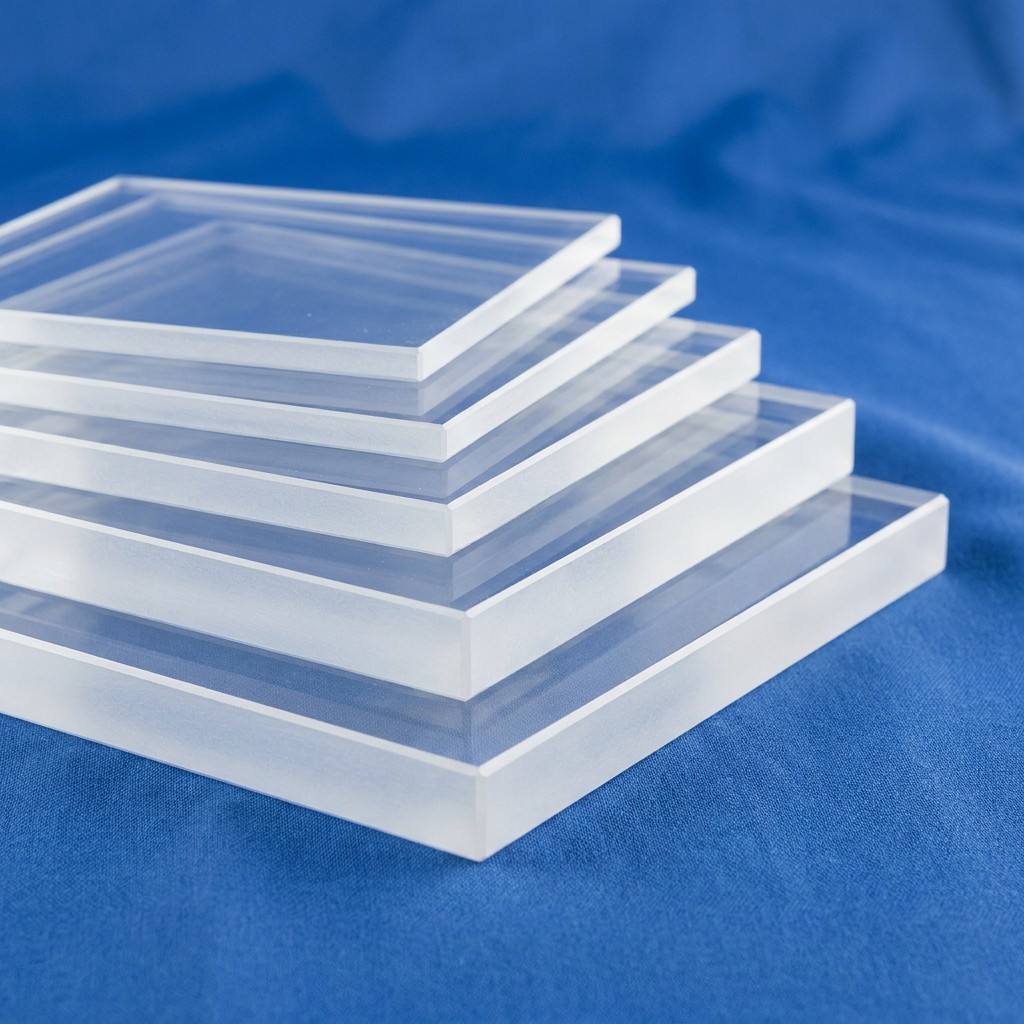
Quartz Fireplace Viewing Glass Plate Heat Resistant Fused Silica
- Thermal Shock: 1000°C to Cold Drop
- Transmission: >92% (Visible Spectrum)
- Edge Polish: Chamfered & Ground
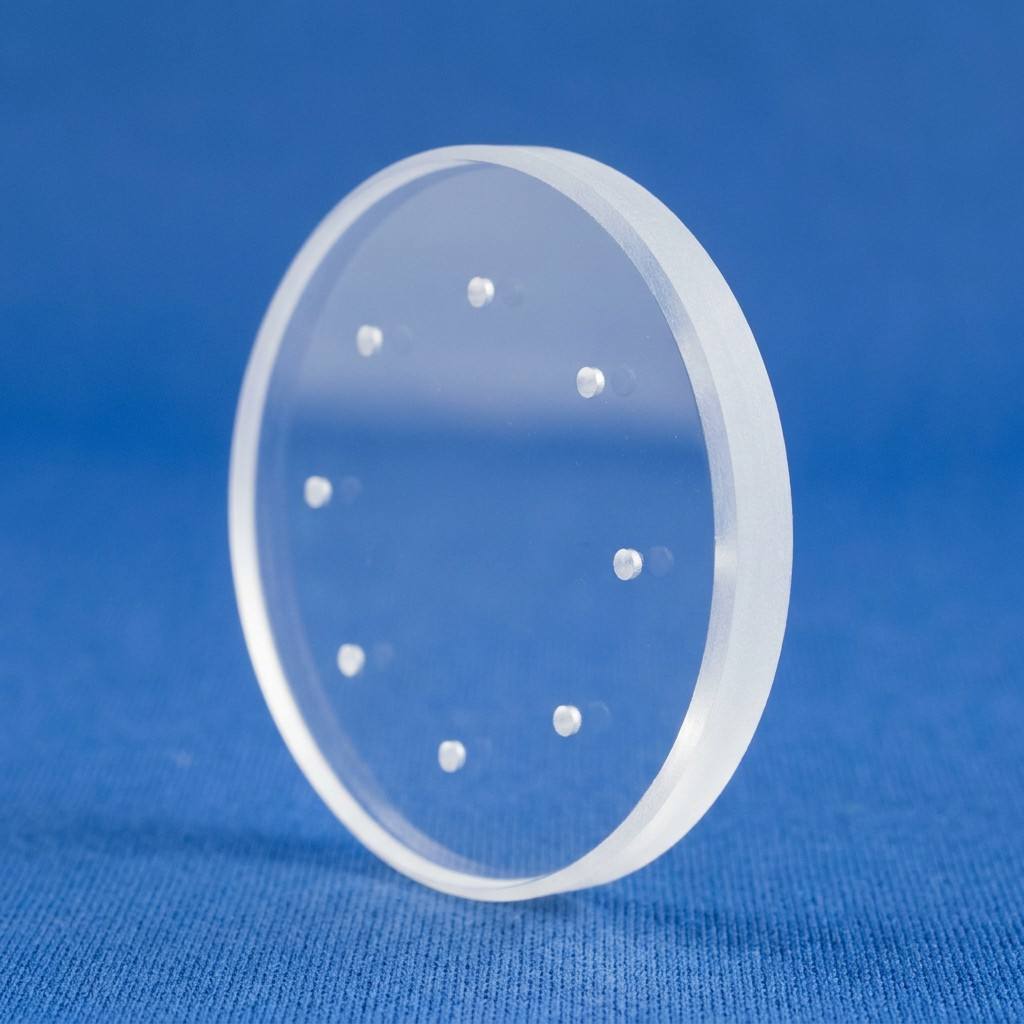
Direct manufacturer supply spanning industrial high-pressure sight glasses, UV laser windows, CNC complex quartz substrate discs, and ozone-free reactor cores.
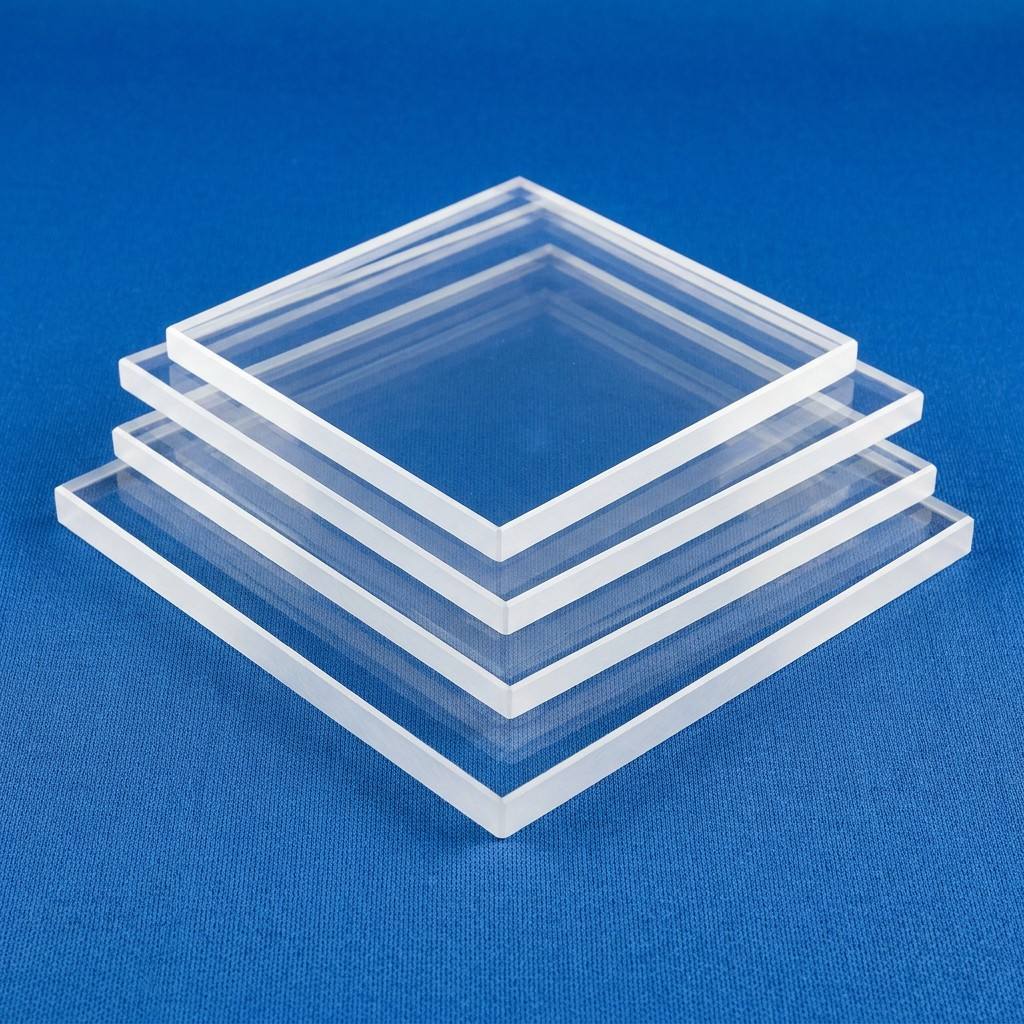


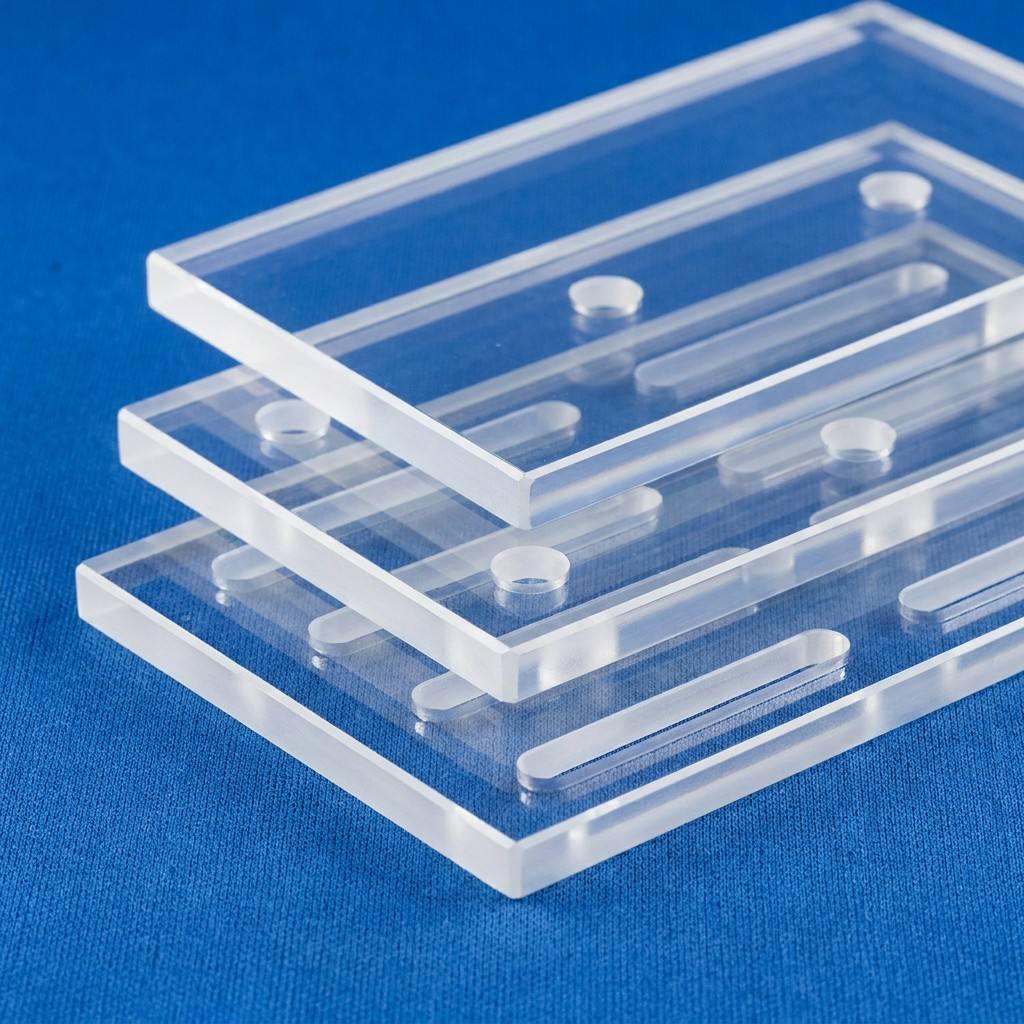
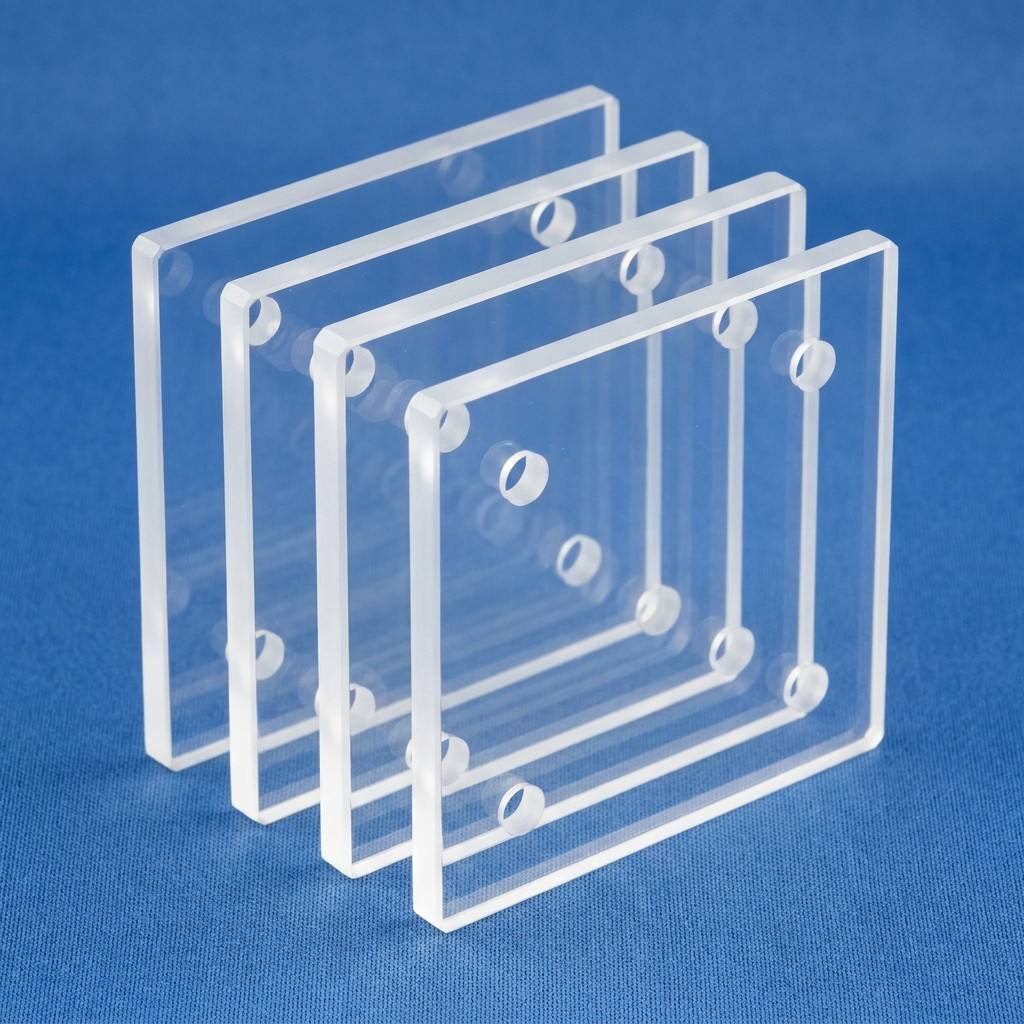
Precision quartz components represent an indispensable class of amorphous materials composed almost purely of silicon dioxide (SiO₂). In critical engineering procurement, differentiating between electrically fused natural quartz and synthetic fused silica is fundamental to process reliability, thermal budgeting, and optical lifetime across deep-ultraviolet (DUV) through mid-infrared (MIR) wavelengths.
Natural fused quartz is produced through the thermal fusion of high-purity crystalline silica sand (such as the premium grade deposits processed in Donghai). Its ultra-low thermal expansion coefficient (5.5 × 10⁻⁷ /°C) provides unmatched thermal shock durability—permitting rapid thermal cycling from 1100°C directly down to ambient liquid submersion without catastrophic microfracturing. In contrast, synthetic chemical vapor deposition (CVD) fused silica delivers supreme optical transmission within the 190 nm to 260 nm DUV bands by eliminating metallic ppm trace contaminants, essential for excimer laser shielding and micro-lithography masks.
| Physical / Chemical Property | Fused Natural Quartz (Standard) | Synthetic Fused Silica (Optical UV) | Operational Significance for Engineering |
|---|---|---|---|
| SiO₂ Purity Level | ≥ 99.99% (3N8 - 4N5) | ≥ 99.9999% (5N - 6N) | Determines trace elemental outgassing during furnace cycles |
| Coefficient of Thermal Expansion (CTE) | 5.5 × 10⁻⁷ / °C (20°C–320°C) | 5.2 × 10⁻⁷ / °C (20°C–320°C) | Thermal-shock tolerance, dimensional stability under high gradient |
| Max Strain / Anneal / Softening Point | 1,075°C / 1,180°C / 1,683°C | 1,020°C / 1,140°C / 1,600°C | Sets mechanical load limits inside horizontal/vertical diffusion reactors |
| Optical Transmission Range | 260 nm – 2,500 nm (Near UV to NIR) | 185 nm – 2,500 nm (Deep UV Grade) | Direct selection criteria for UV-C sterilization vs. laser optics |
| Dielectric Constant (1 MHz @ 25°C) | 3.75 – 3.80 | 3.80 – 3.82 | Low RF and microwave power dissipation in plasma chambers |
| Chemical Inertness | Hydrofluoric (HF) & Hot Phosphoric susceptible | Inert to all standard industrial acids & halogens | Corrosive wet-bench wafer cleaning and etching tank longevity |
For applications such as boiler sight glasses and high-temperature fireplace plates, structural resilience under extreme thermal gradient is paramount. For high-energy laser window optics, surface micro-roughness (Ra < 0.5 nm) and minimal bubble-class inclusions prevent localized optical absorption that causes laser-induced damage (LIDT failure). VEZLO enforces multi-stage annealing schedules to eliminate internal residual stress birefringence below 5 nm/cm.
As semiconductor wafer fabrication nodes shrink below 3nm, photovoltaic manufacturers transition toward TOPCon and HJT N-type cells, and additive green-hydrogen production scales, the global quartz glass supply chain is experiencing a paradigm shift. Strategic procurement teams must anticipate several critical product and sourcing developments:
Next-generation wafer fab architectures demand ultra-large oxidation and LPCVD diffusion tubes exceeding 500 mm OD. Manufacturing these without wall-thickness tapering or micro-sag requires continuous automated vertical thermal drawing rigs and high-capacity centrifugal casting furnaces.
Global reliance on single-source crystalline quartz mines has accelerated the vertical consolidation of domestic refining clusters. With Donghai processing over 70% of China's high-purity quartz reserves, buyers are shifting toward multi-tier certified Asian production centers to ensure lead-time predictability and cost containment.
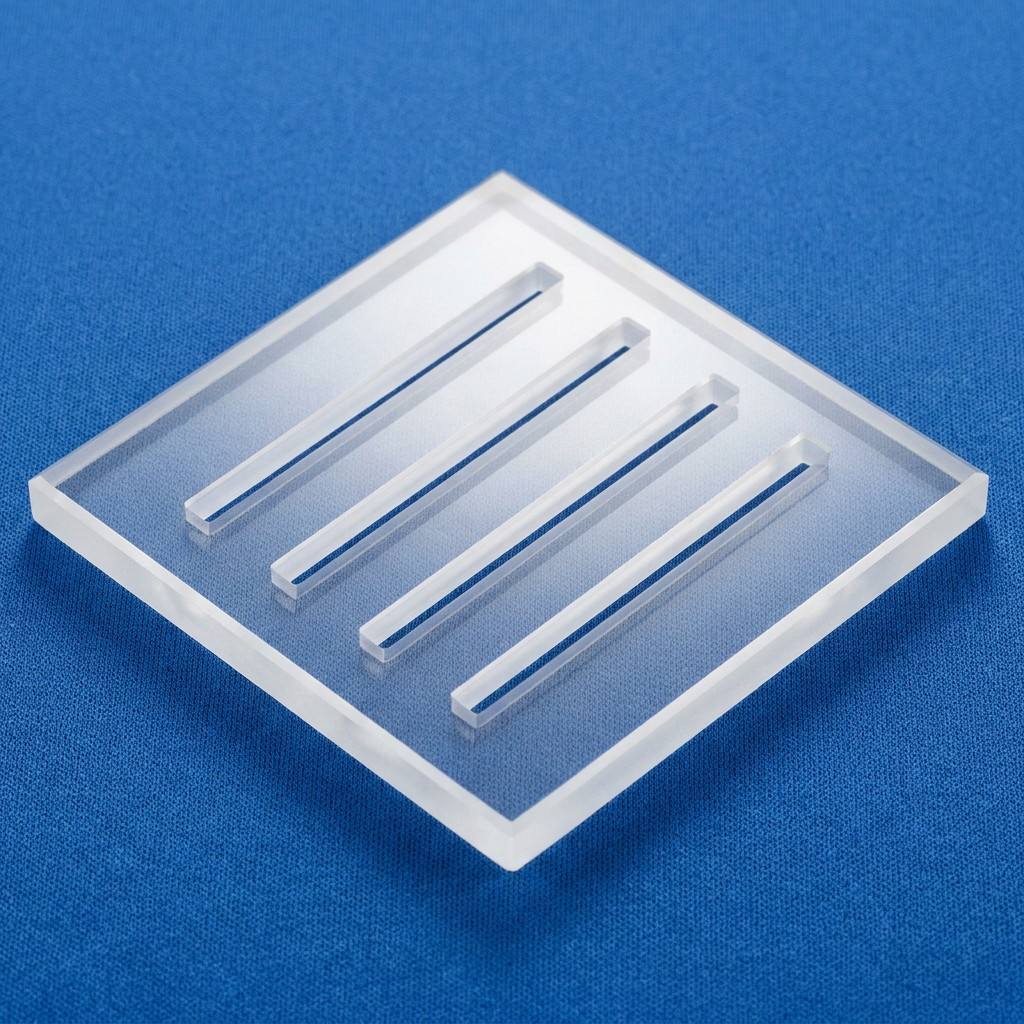
Traditional flame-blown labware is being rapidly complemented by diamond-tooled ultrasonic CNC machining. Intricate internal gas channels, micro-grooved wafer carriers, and slotted vacuum rings require structural tolerances down to ±0.01 mm, followed by full hydrofluoric acid stress relief.
Combining primary mineral purification with advanced cold-machining and certified thermal processing in Donghai, Jiangsu Province.
Operating a 33,000 m² base in China's quartz hub enables end-to-end quality oversight from ≤20 ppm ultra-pure raw silica sand directly to export-grade glass components without intermediary markups.
Awarded the Jiangsu Provincial Science & Technology Support Project for 320 mm semiconductor diffusion tubes, with our proprietary 520 mm large-bore furnace tube passing national new product assessments.
Full cold and hot processing: continuous draw lines (OD 2–500 mm), center-hole ultrasonic core drills, double-sided optical lapping (Ra < 0.5 nm), flame-welded flanges, and custom wafer carriers.
English-speaking application engineers review engineering drawings, tolerances, and thermal profiles within 2 hours. Verified by over 50% repeat order rates across 30+ export destinations.
Direct answers for process engineers, purchasing agents, and original equipment manufacturers.
Consult with our Donghai technical fabrication team today. Send us your drawings, target operating temperatures, and batch requirements for an immediate material evaluation and factory-direct quotation.
Send an Inquiry