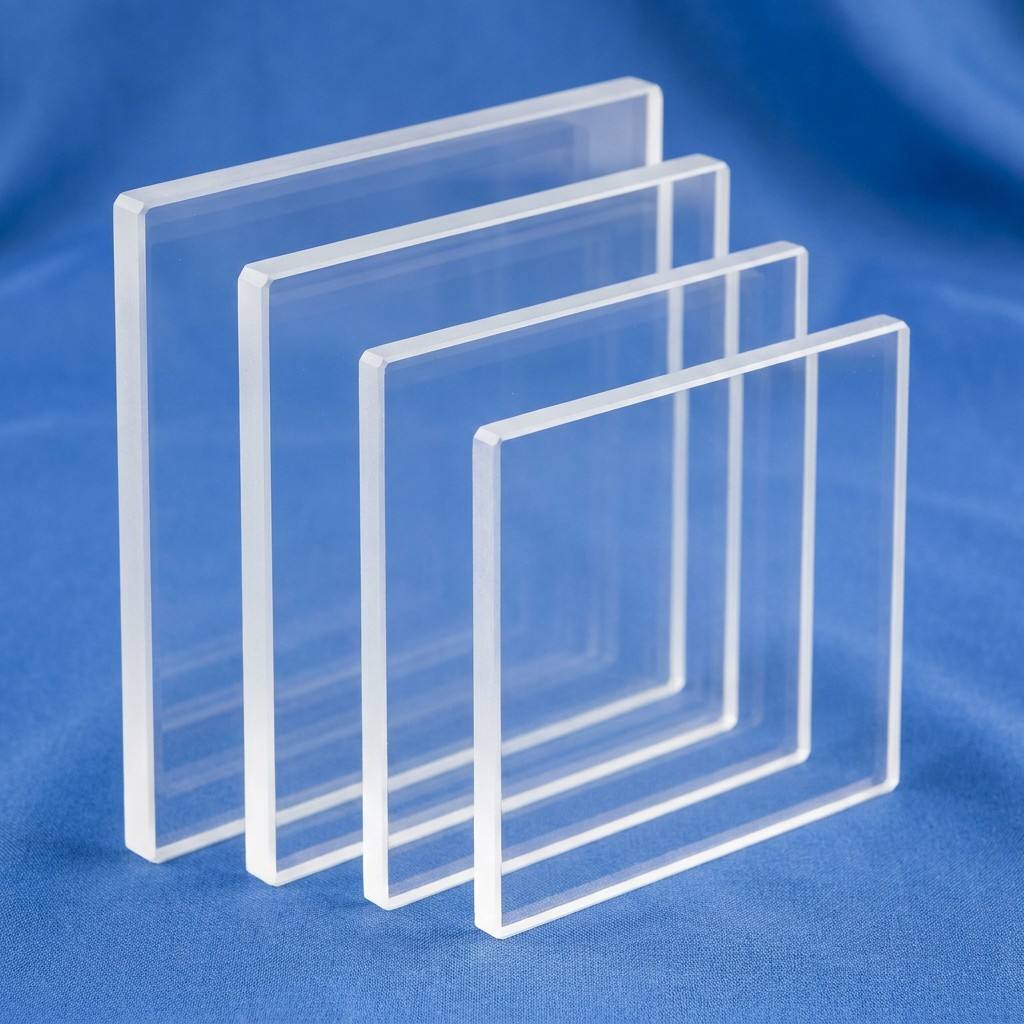
High-Precision Optical Inventory
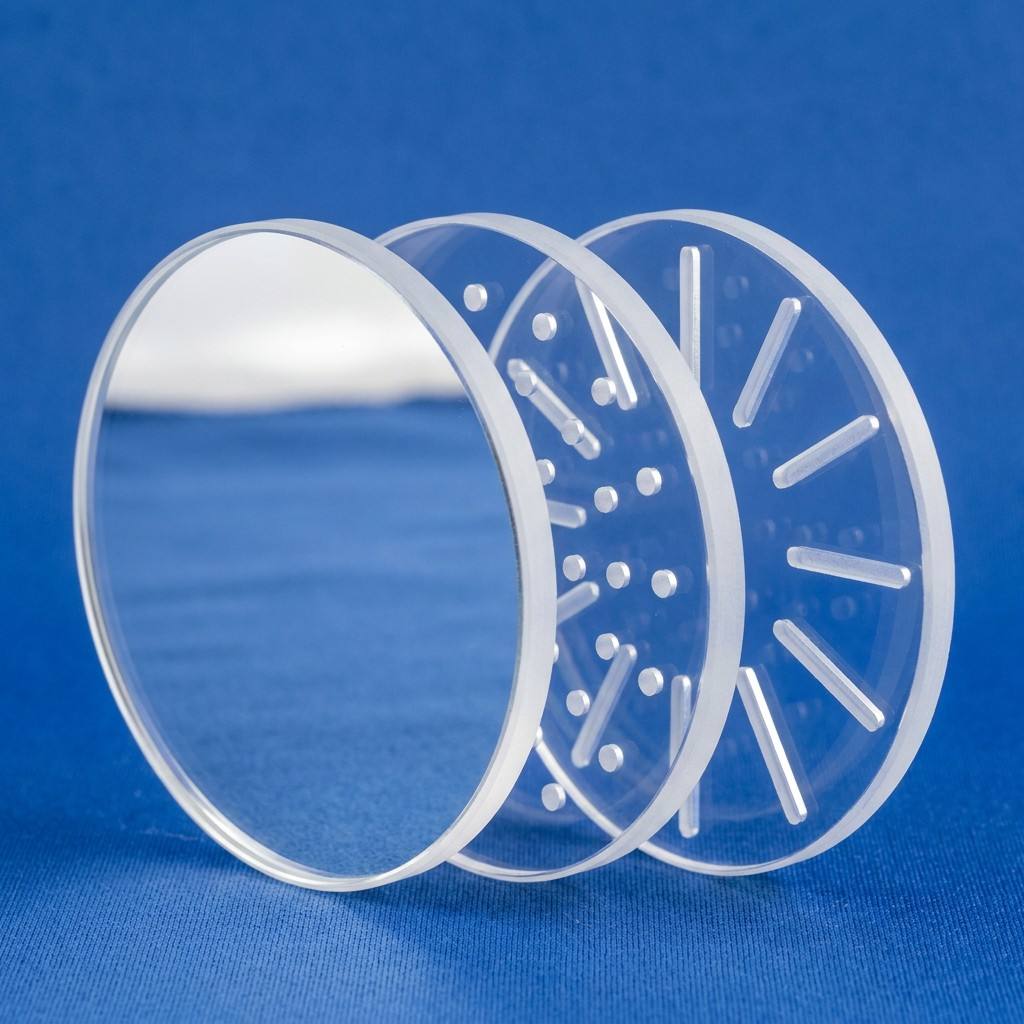
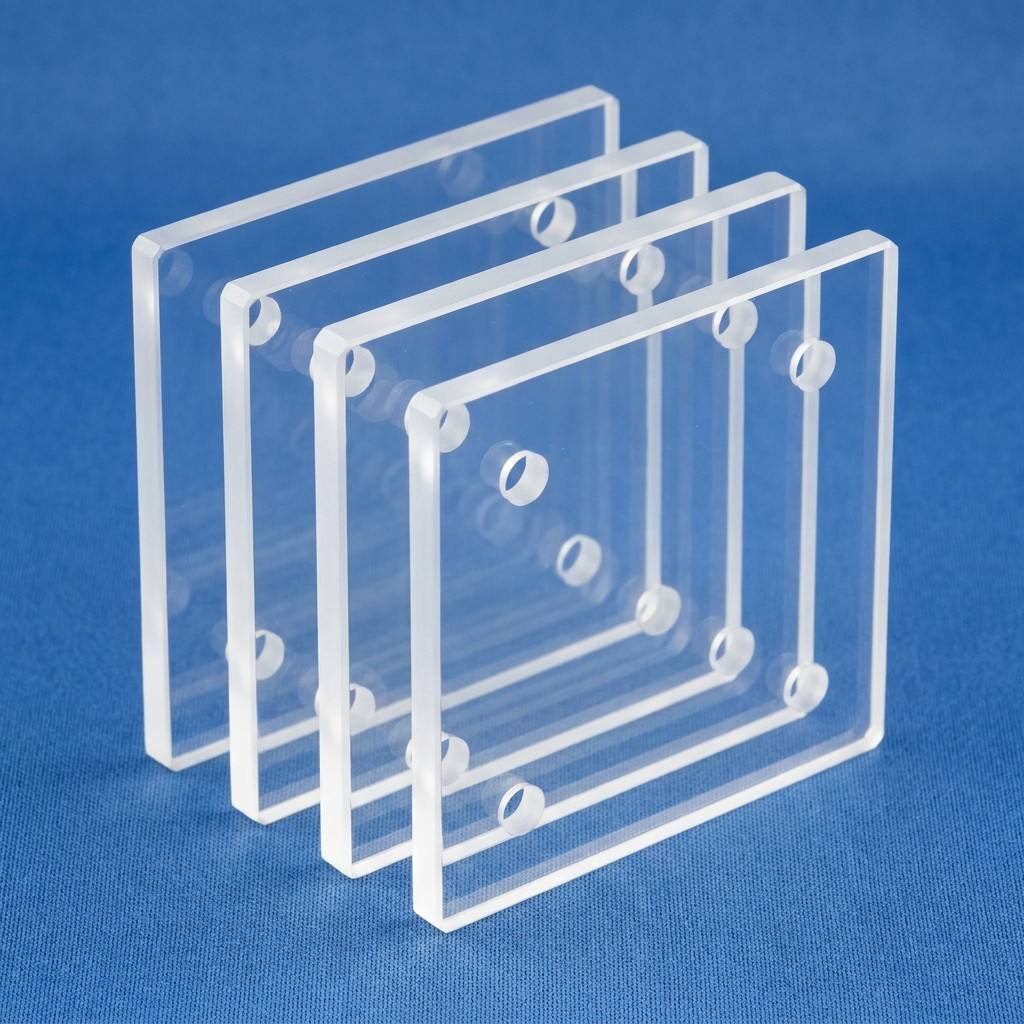
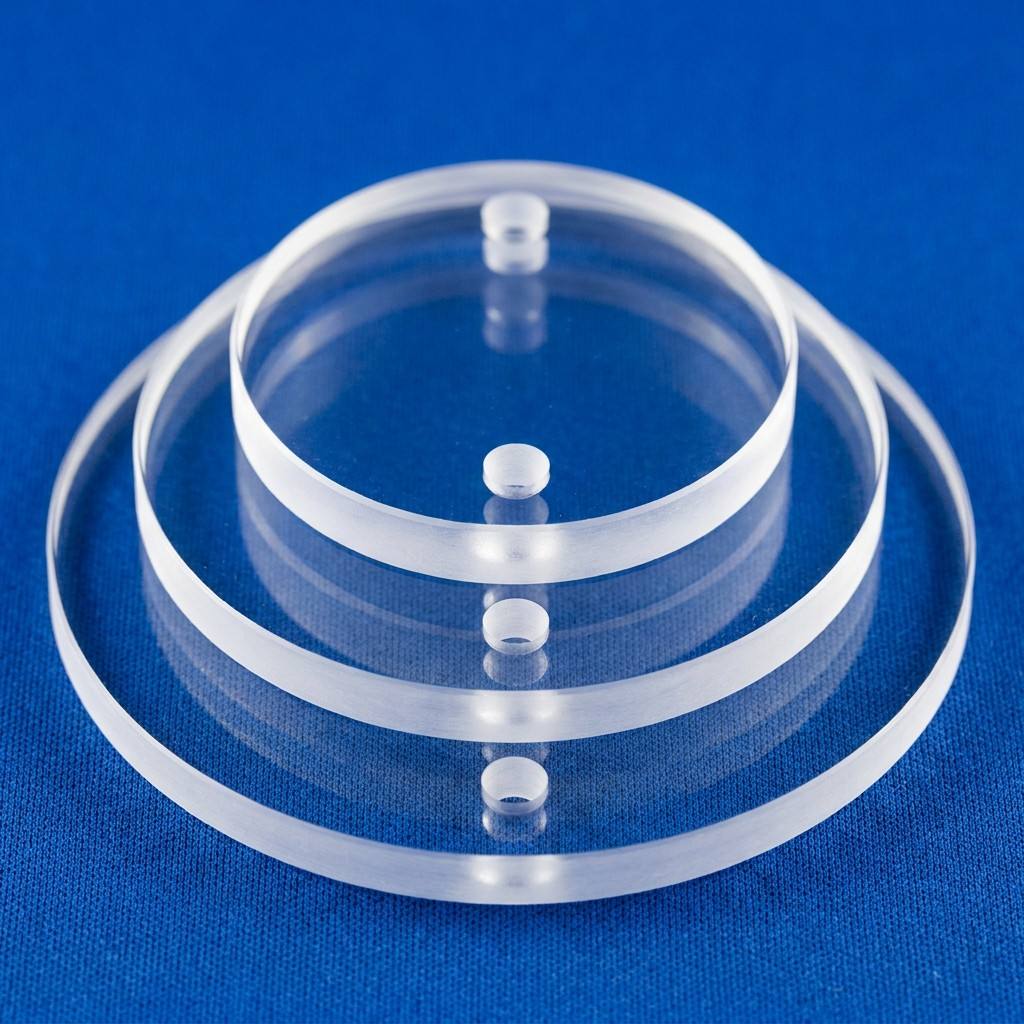
Core Precision Quartz & Silica Components
Sourced from Donghai's mineral basin and processed under ISO 9001/CE directives for analytical spectrophotometry, industrial chemistry, and photonic filtration.




≤20 ppm
Raw Impurity Baseline
>83 %
Transmittance @ 200 nm
≤2 Hours
Engineering Response
50 %
Verified Repeat Order Rate
Metrological Integrity: CE Certification Standards for Quartz Cuvettes
In high-precision quantitative analysis, spectrophotometers are fundamentally bound by the physical fidelity of their sample containment vessel. For analytical chemists, clinical toxicologists, and optical researchers throughout the Nice Côte d'Azur metropolitan territory and the neighboring Sophia Antipolis technology park, selecting cuvettes requires rigorous compliance with the European Union’s regulatory baselines. The designation of CE certification for quartz absorption cells extends beyond routine safety: it validates conformity to the European In Vitro Diagnostic Medical Devices Regulation (EU) 2017/746 (IVDR) when deployed in clinical diagnostics, as well as the General Product Safety Directive and harmonized ISO 17025 metrological standards.
High-purity quartz cuvettes are vulnerable to dimensional irregularities and optical birefringence if manufactured through sub-standard thermal bonding techniques. Conventional low-cost cells employ organic adhesive cementing or lower-temperature borosilicate glass frits to join polished optical plates to side walls. Under exposure to corrosive solvents commonly utilized in organic synthesis—such as dimethyl sulfoxide (DMSO), dichloromethane (DCM), or aggressive perchloric solutions—epoxy interfaces leach fluorophores and volatile monomers into the sample matrix, creating phantom absorbance peaks below 260 nm. Conversely, VEZLO Quartz employs fully fused, flame-worked thermal fusion at temperatures exceeding 1,680°C. This molecular coalescence fuses the optical windows directly with the cell core body without interfacial bonding agents, ensuring total chemical inertness, zero solvent extraction, and impervious structural resistance across extreme cryogenic-to-pyrolytic spans.
Optical calibration under CE and European Pharmacopoeia (Ph. Eur. 2.2.25) frameworks demands precision tolerances of pathlength (±0.005 mm on standard 10.00 mm cells) and parallelism (≤ 10 arcseconds). A deviance in pathlength directly alters molar absorptivity calculations via the Beer-Lambert Law (A = ε · c · l). When pharmaceutical analytical labs along the French Riviera validate active pharmaceutical ingredients (APIs) or evaluate nucleic acid purities via A260/A280 absorbance ratios, systematic geometric discrepancies in unverified cuvettes lead to out-of-specification audits and compounding laboratory downtime.
| Material Classification | Nominal Wavelength Band | Transmittance Index (@ 220 nm) | Hydroxyl [OH⁻] Profile | Direct Chemical Tolerance |
|---|---|---|---|---|
| JGS1 Synthetic Fused Silica (Far UV) | 190 nm – 2,500 nm | ≥ 85.0% | < 1,200 ppm (High OH) | HF resistant excluded; absolute organic solvent inertness |
| JGS2 Optical Fused Quartz (Standard UV) | 220 nm – 2,600 nm | ≥ 80.0% | < 30 ppm (Low OH) | Total inertness to concentrated mineral acids & alcohols |
| JGS3 Infrared Optical Fused Quartz | 260 nm – 3,500 nm | ≥ 72.0% | ≤ 5 ppm (Water-free IR) | Unaffected by aromatic hydrocarbons and ketones |
| Optical Glass (Crown B270 / Borosilicate) | 340 nm – 2,000 nm | < 2.0% (Opaque in Deep UV) | N/A (Multicomponent Silicate) | Vulnerable to micro-etching in strong alkalis |
Localized Application Ecosystem: Nice, Sophia Antipolis, and the French Riviera
The geography of Nice and the Alpes-Maritimes department hosts an extraordinarily concentrated ecosystem of life sciences, marine biotechnology, photochemistry, and luxury personal-care formulate characterization. Sourcing certified fused quartz cells within this localized industrial cluster addresses highly specialized operational environments:
1. Sophia Antipolis Biotechnology & Pharmacology Pipeline:
Known as Europe’s premier science and technology cluster located immediately west of Nice, Sophia Antipolis houses global pharmaceutical leaders, contract research organizations (CROs), and translational oncology incubators. These labs depend systematically on quartz macro- and micro-cuvettes for circular dichroism (CD) spectropolarimetry to ascertain the secondary structural integrity of recombinant proteins, therapeutic monoclonal antibodies, and synthetic peptides. Because circular dichroism measures minuscule differences in the absorption of left and right circularly polarized light down into the vacuum-UV range (185–200 nm), cells must maintain ultra-low strain birefringence. Strain-induced optical anisotropy caused by imperfect thermal annealing induces severe baseline artifacts, rendering structural deconvolution inaccurate.
2. Marine Biochemistry & Mediterranean Environmental Observatories:
The Institut de la Mer de Villefranche (IMEV) and associated oceanic institutes across the Baie des Anges conduct continuous seawater biogeochemical assays. Key analytical routines include quantification of dissolved organic matter (CDOM), chlorophyll fluorescence, and sub-surface nitrate tracking using UV absorption spectroscopy. Seawater contains high concentrations of alkaline earth halides and abrasive micro-salts. Standard plastic or borosilicate cells fail either through mechanical scratch vulnerability or UV transmission degradation. Fully fused silica cells withstand aggressive nitric cleaning cycles and ultrasonic baths needed to clear marine biofilms without clouding the optical window surface.
3. Flavour, Fragrance, and Phytochemical Distillates in the Grasse-Nice Axis:
The historical perfume capital of Grasse, closely intertwined with the commercial and analytical infrastructure of Nice, requires strict quality validation of essential oils, terpenes, and synthetic aromachemicals. Many aromatic botanical extracts contain complex, conjugated ring structures that absorb intensively between 200 nm and 300 nm. Standard analysis involves high-performance spectrophotometers equipped with micro-flow quartz cells or matched rectangular pathlength units. The resilience of fused quartz against potent volatile terpenoids ensures that analytical instruments remain uncompromised during high-throughput solvent purity testing.
Green Analytical Chemistry
Micro-volume and sub-micro quartz cuvettes (10 μL to 100 μL aperture) designed for high-density assays dramatically lower toxic solvent consumption across Nice pharmaceutical testing protocols.
ISO 17025 Traceable Pairs
Cells supplied as strictly matched optical transmission pairs within ΔT < 0.5% tolerance at 200 nm, enabling uncompromised baseline calibration for audited clinical trials.
Rapid Regional Logistics
Expedited delivery lanes routing straight to Nice Côte d'Azur Airport (NCE) with custom drop-in shockproof packaging to ensure zero edge micro-fractures during air and express transit.
Procurement Trends in the Alpes-Maritimes: High-Throughput & Automation
Procurement paradigms among laboratories along the French Mediterranean coast have shifted decisively over the last five years. While academic research historically relied on general-purpose standard 3.5 mL macroscopic cuvettes with PTFE stoppers, contemporary methodologies favor modular automation, flow-through instrumentation, and ultra-short pathlengths.
Transition Toward Flow-Through and Microfluidic Integration: Continuous environmental monitoring stations deployed in the port zones of Nice and Cannes have embraced online UV absorption analyzers. These industrial spectrometers utilize precision flow-cells fitted with anti-reflective quartz windows and integrated PEEK or stainless-steel fluidic barbs. These systems operate 24/7, continuously sampling water streams to register early indicators of aromatic hydrocarbon spills or industrial effluent contamination. Sourcing replacement flow-cells requires strict alignment with OEM chamber clearances and high resistance to hydraulic pulse pressures.
Demanding Pathlength Miniaturization: In nucleic acid quantification (DNA, RNA, and oligonucleotides), high sample concentrations routinely cause spectrophotometric detector saturation on conventional 10 mm pathlengths. Rather than executing manual serial dilutions—which introduces volumetric pipetting errors—laboratories in Nice are standardizing on pathlengths of 1.0 mm, 0.5 mm, and even 0.1 mm. The manufacturing of quartz cuvettes with sub-millimeter clearances requires sub-micron flat polishing, as any wedge angle deviation between the opposing optical faces produces internal light scatter, destructive interference fringes, and false absorbance readings.
Sustainable Lifecycle Maintenance Protocols: Given corporate social responsibility (CSR) initiatives across French university and industrial research hubs, single-use disposable plastic cuvettes are progressively being phased out due to plastic waste volume and poor spectral range below 320 nm. High-grade fused quartz cells provide an indefinite operational lifespan if cleaned using appropriate laboratory procedures. Cleaning quartz cells with warm 3M nitric acid or concentrated enzymatic lab detergents preserves optical transparency without degrading the molecularly fused seams, aligning with institutional environmental sustainability goals.
Direct Factory Advantages: The VEZLO Quartz Manufacturing Paradigm
Securing mission-critical quartz components demands full vertical integration from the geological raw material to finished optical verification. VEZLO Quartz Products Co., Ltd. operates out of a dedicated 50-mu (≈33,000 m²) production base positioned directly within Donghai County, Jiangsu Province—globally acknowledged as the premier high-purity quartz manufacturing center. Backed by extensive fixed-asset investments and ongoing annual R&D allocations exceeding RMB 5 million, our facilities bridge the gap between direct raw mineral processing and high-precision scientific optics.
Our factory capabilities encompass every echelon of advanced silica fabrication:
• Source-Level Elemental Purity: We process raw crystalline silica into 13 refined grades of high-purity quartz sand with total conventional metallic impurities constrained to ≤ 20 ppm. This purity profile suppresses background optical absorption, prevents internal bubble nucleations, and avoids high-temperature devitrification.
• Proprietary Large-Diameter & Fine-Tolerance Engineering: Proven through our industrial delivery of 320 mm high-purity tubes under the Jiangsu Provincial Science & Technology Support Project and the development of 520 mm large-diameter tubes for semiconductor oxidation, our thermal manipulation and flame-working facilities ensure sub-micron precision on cuvette bodies, capillary joints, and optical windows.
• Strict Quality Inspection & CE Documentation: Every cuvette and optical substrate undergoes rigorous polariscopic stress inspection, laser interferometry for wavefront flatness (λ/4 or λ/10 upon specification), and spectral verification using spectrophotometric validation standards before vacuum packing.
• Rapid European Supply Execution: With an average technical engineering response time under 2 hours and a 50% repeat procurement rate among global enterprise accounts, our logistics network provides seamless door-to-door delivery into the Nice Côte d'Azur region, complete with fumigation-free wooden crating and custom foam shock absorption.
Procurement Knowledge Base
Frequently Asked Questions for Buyers in Nice
Critical engineering and customs considerations for procurement officers, lab managers, and researchers in southeastern France.
What is the exact functional distinction between UV Quartz and Optical Glass cuvettes?
The primary operational divide is spectral transmission. Optical glass (typically borosilicate or optical crown glass) transmits effectively only from 340 nm to 2,500 nm, rendering it blind to the deep ultraviolet spectrum. Synthetic fused silica / UV quartz (such as JGS1) maintains exceptional transmittance from 190 nm through the visible and near-infrared spectrum. For nucleic acid quantification (260 nm), aromatic amino acids (280 nm), peptide bonds (205 nm), or UV-photopolymerization kinetics, UV quartz is non-negotiable.
How can laboratory buyers verify if a cuvette is adhesive-glued or fully thermal fused?
Adhesive-bonded cells possess visible joint seams that exhibit faint coloration under UV illumination due to glue autofluorescence. Chemically, glued cells will fail when exposed to concentrated organic solvents like acetone, toluene, or DMSO, which dissolve the adhesive matrix. Fully thermal fused cuvettes from VEZLO Quartz are united at >1,680°C; the joints represent continuous glass lattices with no foreign chemical layer, rendering them immune to solvent attack and capable of withstanding thermal shocks up to 1,100°C.
What are the import procedures, customs duties, and CE documentation requirements for France?
Importing into Nice (European Union customs territory) requires commercial invoices bearing the appropriate Harmonized System (HS) code (typically 7017.10 for fused quartz laboratory ware). VEZLO Quartz provides full commercial documentation, Declarations of Conformity (DoC) with CE marking, and material analysis sheets certifying purity and dimensional tolerances. Shipments arriving via Nice Côte d'Azur Airport (NCE) or regional freight hubs clear customs swiftly under standard VAT and import procedures.
What criteria define an optically matched pair of cuvettes?
In dual-beam spectrophotometry, reference and sample cells must introduce identical baseline absorbance. An optically matched pair is selected from the same glass melt batch, polished simultaneously, and verified on a calibrated spectrophotometer to ensure their transmittance curves match within ΔT ≤ 0.5% across the critical 200–250 nm UV spectrum. This minimizes baseline drift and eliminates manual mathematical subtraction errors.
What is the recommended cleaning protocol to prevent optical solarization or window hazing?
Never clean quartz optical surfaces with hydrofluoric acid or concentrated hot phosphoric acid, which etch silica. Never scrape windows with brushes or wire tools. The standard protocol involves soaking in a dedicated 2% to 5% non-ionic laboratory detergent solution, followed by rinsing with high-purity deionized water (18.2 MΩ·cm) and optical-grade absolute ethanol. For persistent organic contamination, a bath of 3M nitric acid or a warm dilute hydrogen peroxide/acid mix safely removes biological residues without attacking the fused seams.
Can VEZLO Quartz fabricate customized dimensions or microfluidic connections to our drawings?
Yes. Operating comprehensive cold-processing CNC grinding, ultrasonic drilling, laser cutting, and specialized manual flame-working benches, we manufacture quartz flow cells, demountable micro-apertures, cylindrical polarimeter cells, and jacketed constant-temperature cuvettes built strictly to customer CAD/PDF blueprints. Prototypes and low-volume pilot batches are welcomed.