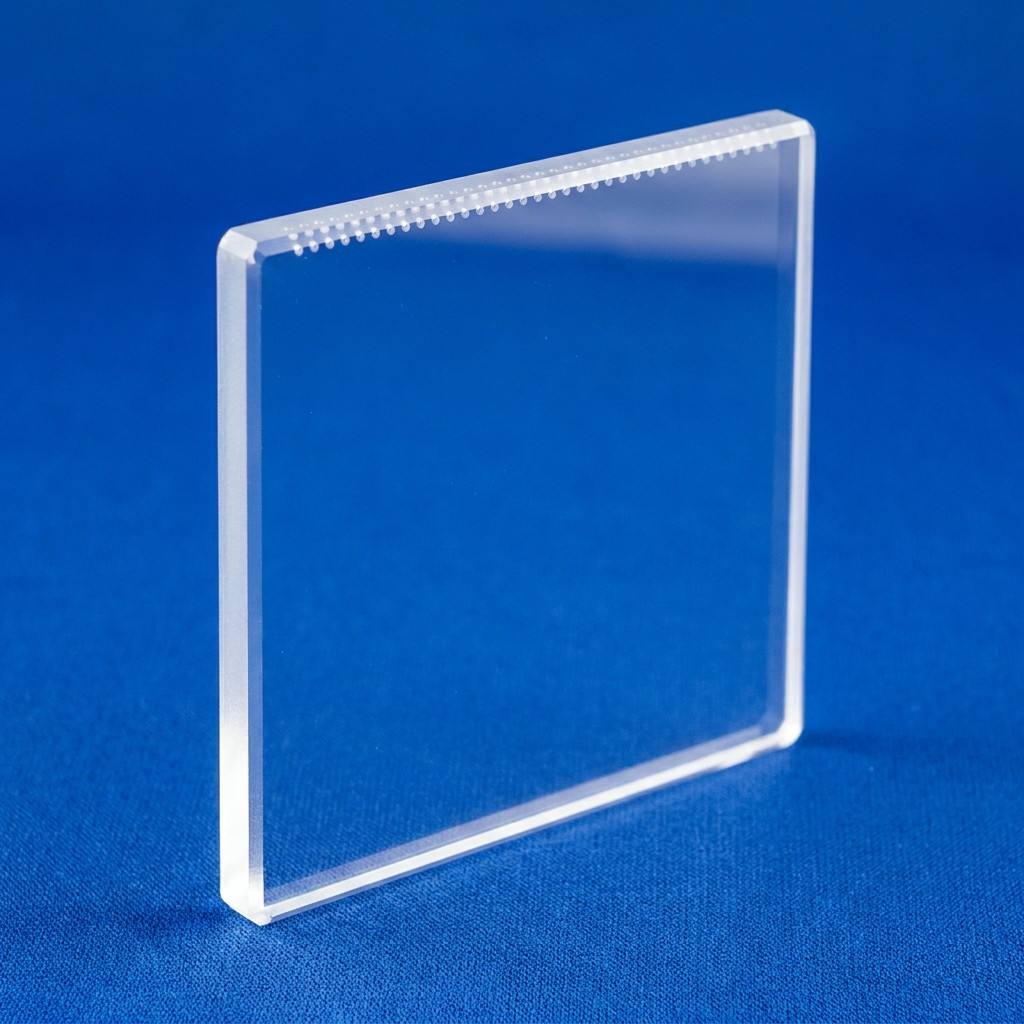
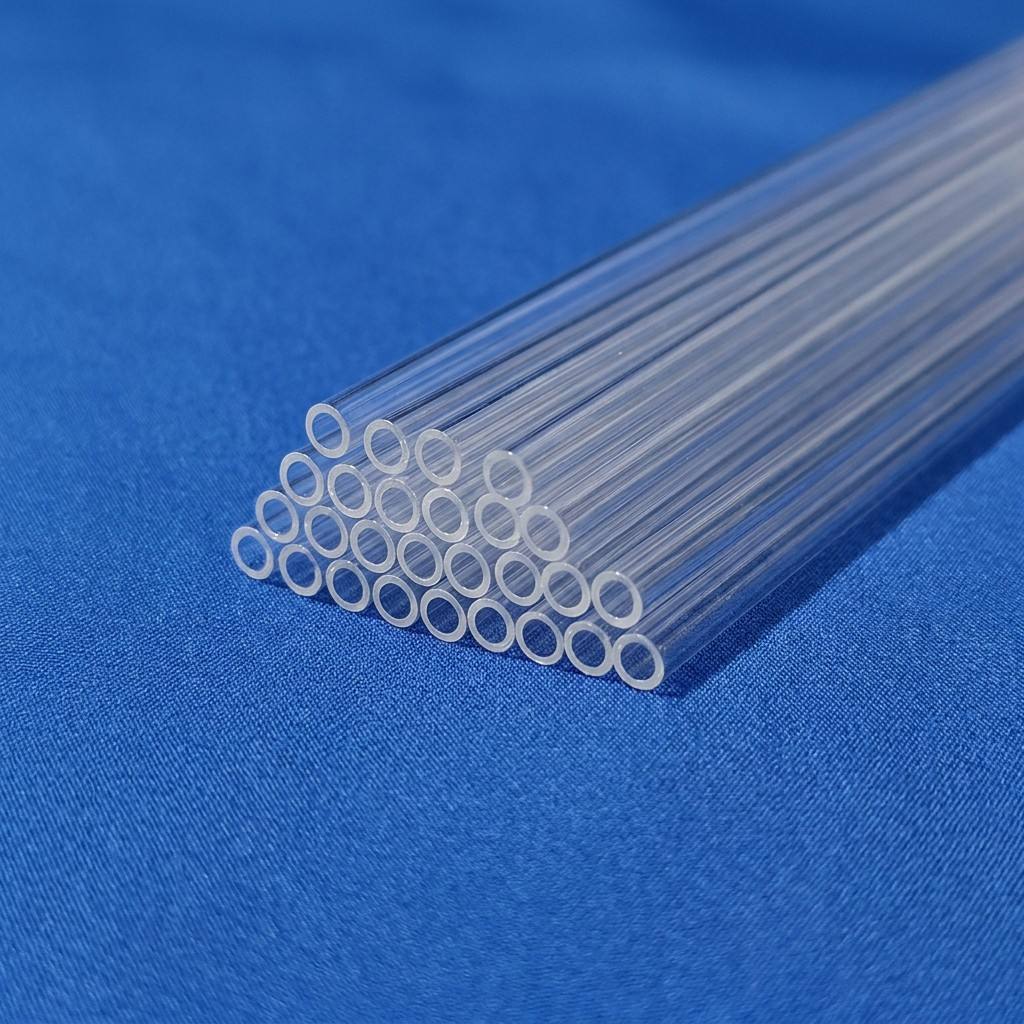
Quartz Tube for Ozone Generator High Purity Fused Silica Ozone Free
UV Transmission: Peak at 254 nm, cuts 185 nm
Application: Municipal water purification & ozone systems
Precision-fabricated in China’s quartz heartland and engineered for high-temperature stability, deep-UV transmission, and aggressive chemical inertness. Each component undergoes dimensional laser scanning and thermal shock validation before export to the Caribbean.
An authoritative engineering analysis for procurement officers, chemical plant engineers, and maintenance directors operating in the Dominican Republic.
In high-temperature, humid, and saline environments characteristic of Caribbean coastal installations—such as Santo Domingo, San Pedro de Macorís, and Haina—industrial equipment faces simultaneous challenges of thermal shock, atmospheric sodium chloride corrosion, and UV radiation exposure. Selecting an appropriate fused silica tube (often referred to industrially as a transparent fused quartz tube) requires an exact comprehension of tetrahedral silicon dioxide (SiO2) network chemistry.
Natural Fused Quartz vs. Synthetic Fused Silica: Natural fused quartz is created by melting high-grade natural crystalline silicon dioxide (rock crystal or purified pegmatitic quartz sand) via electric arc or oxy-hydrogen gas furnaces at temperatures exceeding 1750°C. Our base in Donghai County—the epicenter of China's quartz reserves—utilizes refined processing that drives total metallic impurities down to ≤ 20 ppm. In contrast, synthetic fused silica is synthesized by vapor-phase hydrolysis of silicon tetrachloride (SiCl4), creating an amorphous matrix practically free of metallic contaminants, ideal for extreme deep-UV (193 nm lithography) and excimer laser systems.
Crucial Parameter for Caribbean Engineers: Hydroxyl (OH−) Content & Devitrification Kinetics
In tropical installations operating industrial steam boilers or UV sterilization systems, the concentration of hydroxyl groups within the glass matrix dictates the structural annealing point and high-temperature viscosity. High-OH silica tubes (typically 800–1200 ppm OH) exhibit superior resistance to solarization under deep-UV irradiation, making them the preferred envelope for ozone-generating germicidal tubes. Conversely, low-OH fused silica (< 5 ppm to 30 ppm OH), achieved through electrical vacuum fusion, displays a higher softening point (1683°C) and prevents early devitrification into cristobalite when subjected to prolonged heating in mineral roasting and metal digestion applications.
Thermal Shock Mechanics (ΔT Resilience): The extraordinarily low linear coefficient of thermal expansion of fused silica—5.5 × 10^-7 cm/cm·°C between 20°C and 320°C—is approximately 1/20th that of standard soda-lime glass and 1/5th that of borosilicate glass (Pyrex 3.3). A red-hot fused silica tube heated to 1150°C can be submerged immediately into ice water without structural fracturing or micro-crack propagation. This property is indispensable for Dominican heavy industry, where power fluctuations, sudden tropical downpours, or rapid shutdown procedures can trigger devastating thermal shock failures in lower-grade sight glasses and reactor tubes.
| Property Parameter | High-Purity Fused Quartz (Donghai Melt) | Synthetic Fused Silica (CVD / VAD) | Borosilicate Glass (3.3 Ref.) |
|---|---|---|---|
| SiO2 Chemical Purity | ≥ 99.99% (4N) | ≥ 99.9999% (6N) | ~ 81% (with B2O3, Na2O, Al2O3) |
| Thermal Expansion (20–300°C) | 5.5 × 10^-7 / °C | 5.2 × 10^-7 / °C | 33 × 10^-7 / °C |
| Continuous Service Temperature | 1100 °C | 1150 °C | 450 °C |
| Softening Point | 1683 °C | 1600 – 1650 °C | 820 °C |
| Spectral Transmission (T%) | 260 nm – 2500 nm (> 90%) | 185 nm – 2500 nm (> 92%) | 350 nm – 2000 nm (Cuts UV-B/C) |
| Dielectric Strength (20°C, 1MHz) | 25 – 40 kV/mm | 30 – 45 kV/mm | 10 – 15 kV/mm |
| Acid Resistance (except HF/H3PO4) | Class 1 (ISO 1776) | Class 1 (ISO 1776) | Class 1 |
Customized engineering solutions targeting the distinct mechanical, chemical, and climatic demands of the Dominican Republic's primary economic zones.
The Dominican Republic has emerged as Latin America's largest exporter of medical instruments. Global OEMs in the Parque Industrial Itabo (PIISA) and San Isidro Free Zone utilize precision fused silica capillaries and thin-walled quartz tubes for catheter tipping, laser surgical guides, and UV-curing adhesive assemblies. Fused silica’s high optical transmission in the 365 nm range allows instantaneous curing of biocompatible resins without thermal degradation of sensitive polymer matrices.
Major alcohol distilleries (such as Brugal and Barceló) and sugarcane mills (Central Romana) require robust sight glass tubes and level gauges capable of withstanding aggressive boiling cycles of high-Brix molasses, ethanol vapors, and continuous caustic (NaOH) wash downs. Fused silica tubes resist surface etching and chemical leaching under high pressures (up to 20 bar) where normal glass clouds, ensuring clear liquid-level monitoring in massive distillation columns.
At the Pueblo Viejo open-pit operation in Sánchez Ramírez—one of the largest gold mines in the world—analytical laboratories depend on thick-walled fused silica digestion tubes, combustion boats, and crucibles. Operating under aqua regia attack and temperatures exceeding 1000°C during fire assay and pyrometallurgical evaluation, our high-purity quartz ensures zero trace-element contamination in sample matrices.
Tourism infrastructure requires fail-safe biological sanitation without excessive chemical dosing. Fused quartz protection sleeves enclose high-intensity germicidal lamps in reverse osmosis (RO) desalination plants. Featuring ≥ 90% transmission at the 253.7 nm UV-C germicidal band, our sleeves endure severe thermal fluctuation when high-power lamps ignite underwater, resisting solarization even under 12,000 hours of continuous irradiation.
From combined-cycle thermal plants near Andrés Boca Chica to deep-sea commercial fishing operations, specialized quartz envelopes protect high-wattage metal halide and xenon lamps. Fused silica accommodates the intense internal plasma temperatures (exceeding 800°C) while outer walls are pelted by cold sea spray, completely eliminating thermal shattering hazards.
Analyzing regulatory shifts, free zone expansions, and maritime supply chain integrations reshaping Caribbean industrial procurement.
1. Nearshoring and Free Zone Expansion (Law 8-90): The Dominican Republic’s strategic geographical position at the crossroads of the Americas, supported by the DR-CAFTA framework, has accelerated investment in automated medical technology and electronics manufacturing. Cleanroom facilities in Free Trade Zones are increasingly demanding customized quartz tooling—such as diffusion furnace tubes, quartz carriers, and wafer-cleaning baths. Procuring directly from tier-one Chinese manufacturers reduces procurement costs by 35–45% compared to purchasing via North American intermediaries.
2. Transition to Clean Water Norms & Industrial Effluent Control: Strengthened enforcement by the Ministry of Environment and Natural Resources (Ministerio de Medio Ambiente) mandates closed-loop wastewater treatment across industrial parks. Advanced Oxidation Processes (AOP) pairing high-output UV with ozone require customized fused silica tubes capable of transmitting both 185 nm (ozone generating) and 254 nm (ozone destruct/disinfection) spectrums, avoiding rapid solarization caused by trace iron or titanium impurities.
3. Port of Caucedo as a Regional Supply Hub: The world-class DP World Caucedo deepwater terminal allows direct containerized access from major Chinese shipping ports (Shanghai, Ningbo, Qingdao) with typical transit times between 28 and 35 days. By establishing direct factory relationships in China, Dominican engineering firms mitigate local stockout risks and secure stable inventories of fragile high-temperature glassware backed by specialized ocean-freight shock packaging.
Direct from Donghai, Jiangsu—China’s Quartz Capital. Seamlessly combining scientific research, automated tube drawing, and precision cold processing.
Operating a 50-mu (≈ 33,000 m²) facility backed by RMB 10 million in fixed assets, located in China's quartz capital with raw sand purity yielding ≤ 20 ppm total metallic impurities.
Our 320 mm tube for integrated circuits was completed under the Jiangsu Provincial S&T Support Project; our newly developed 520 mm large-diameter tube has passed preliminary national reviews.
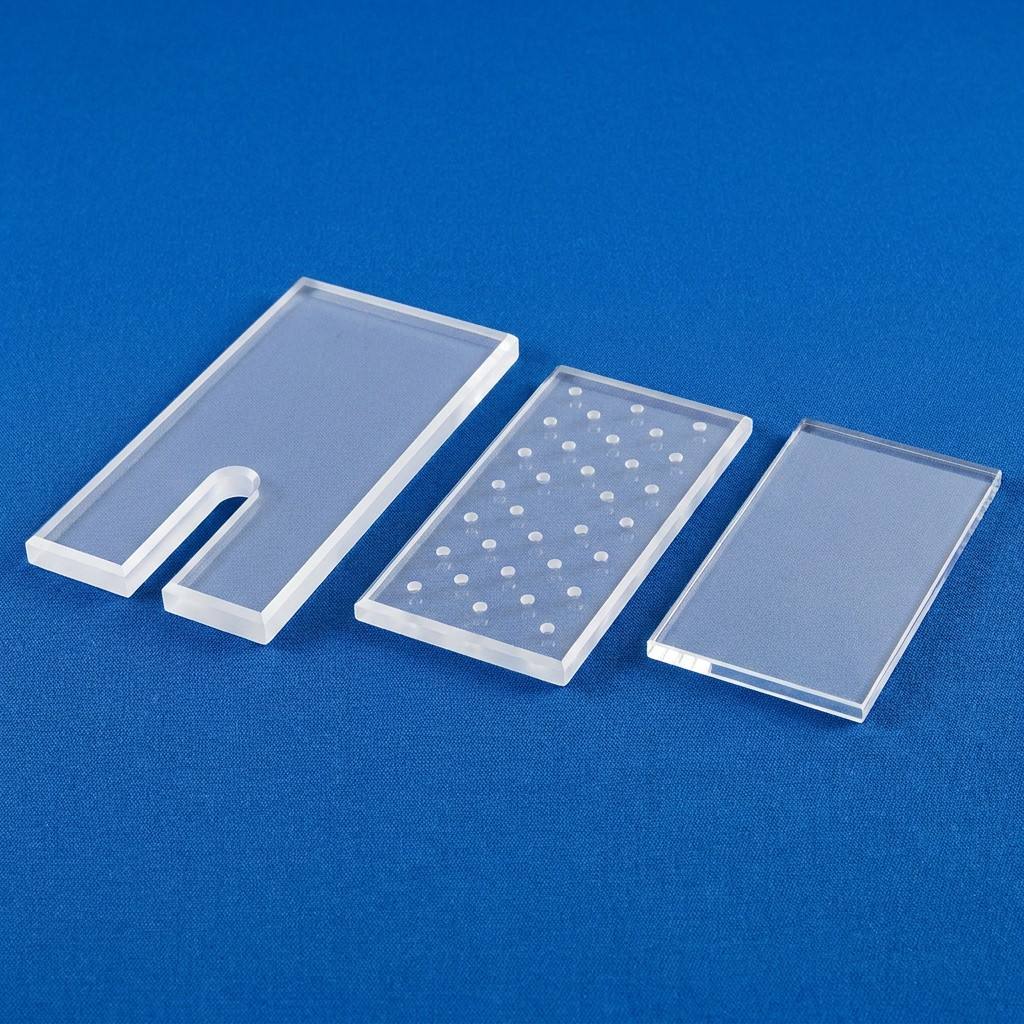
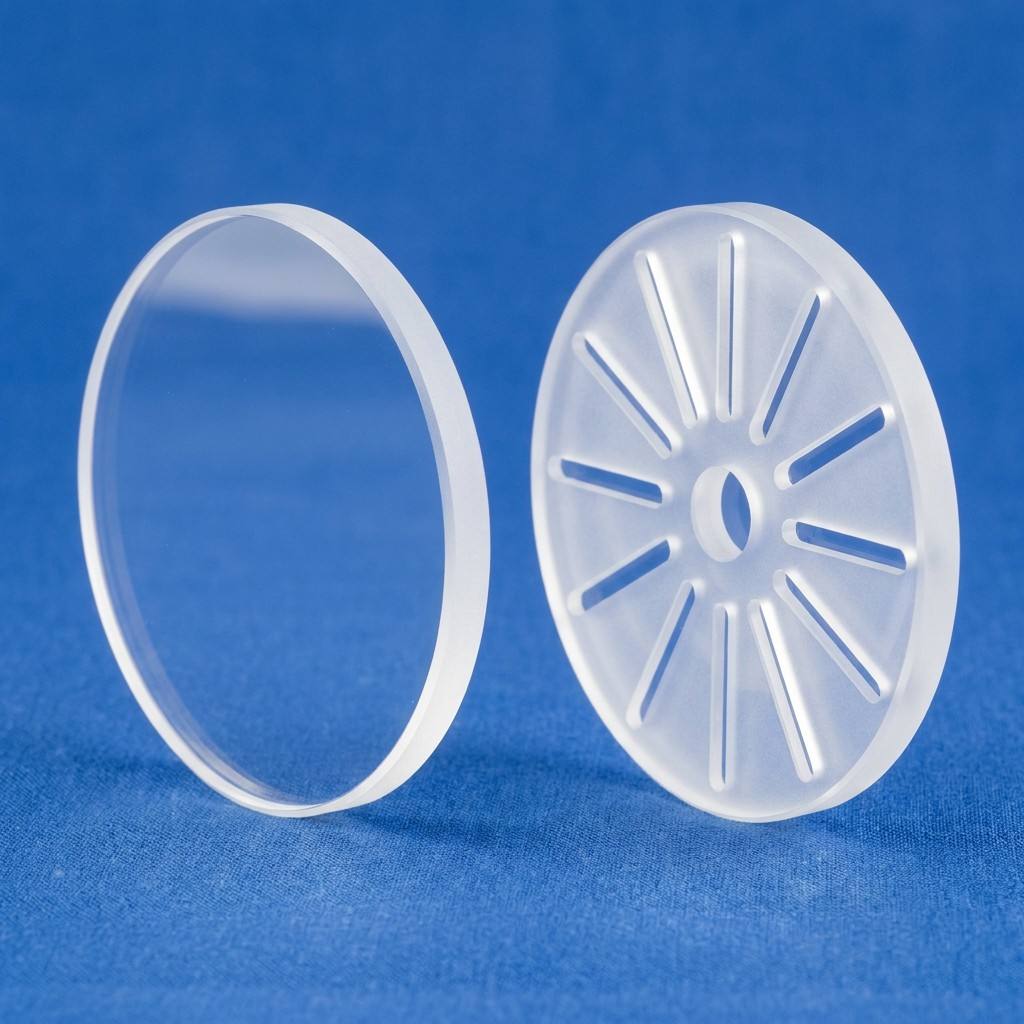
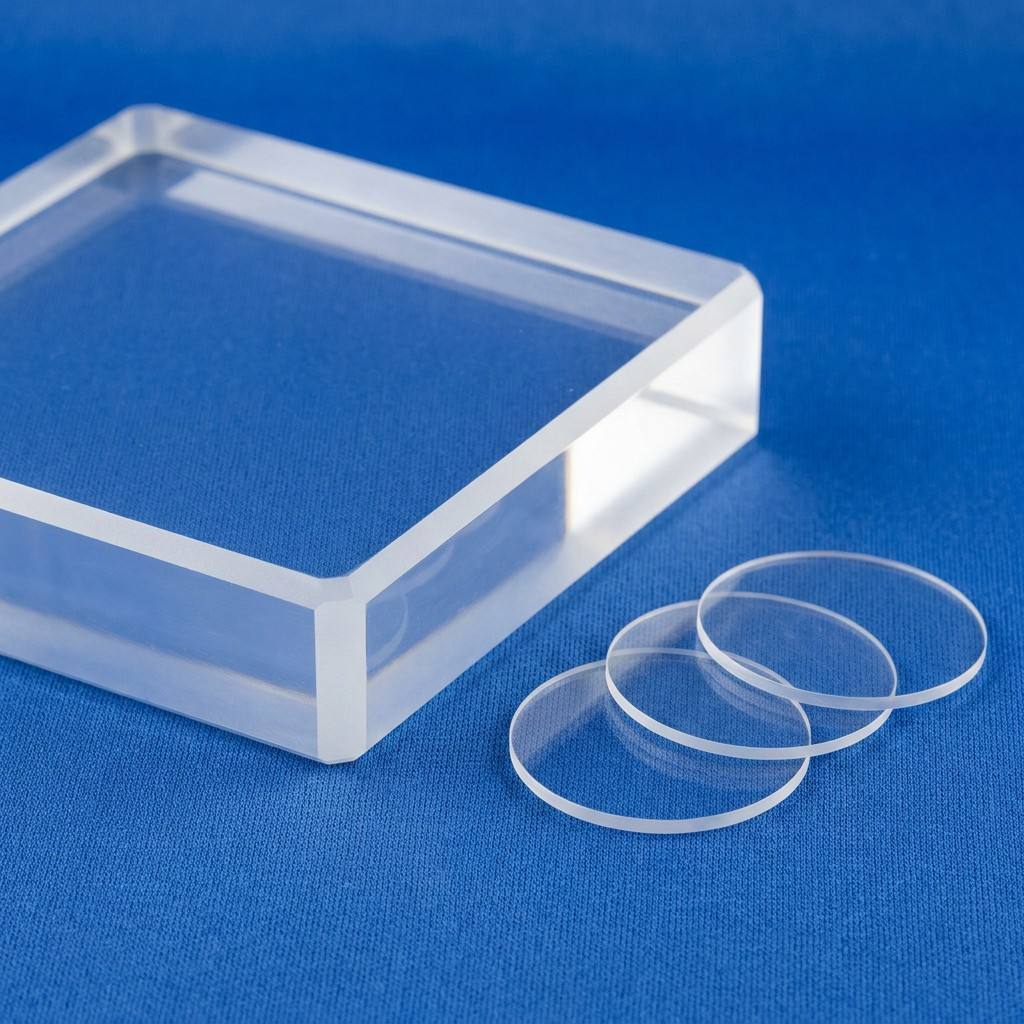
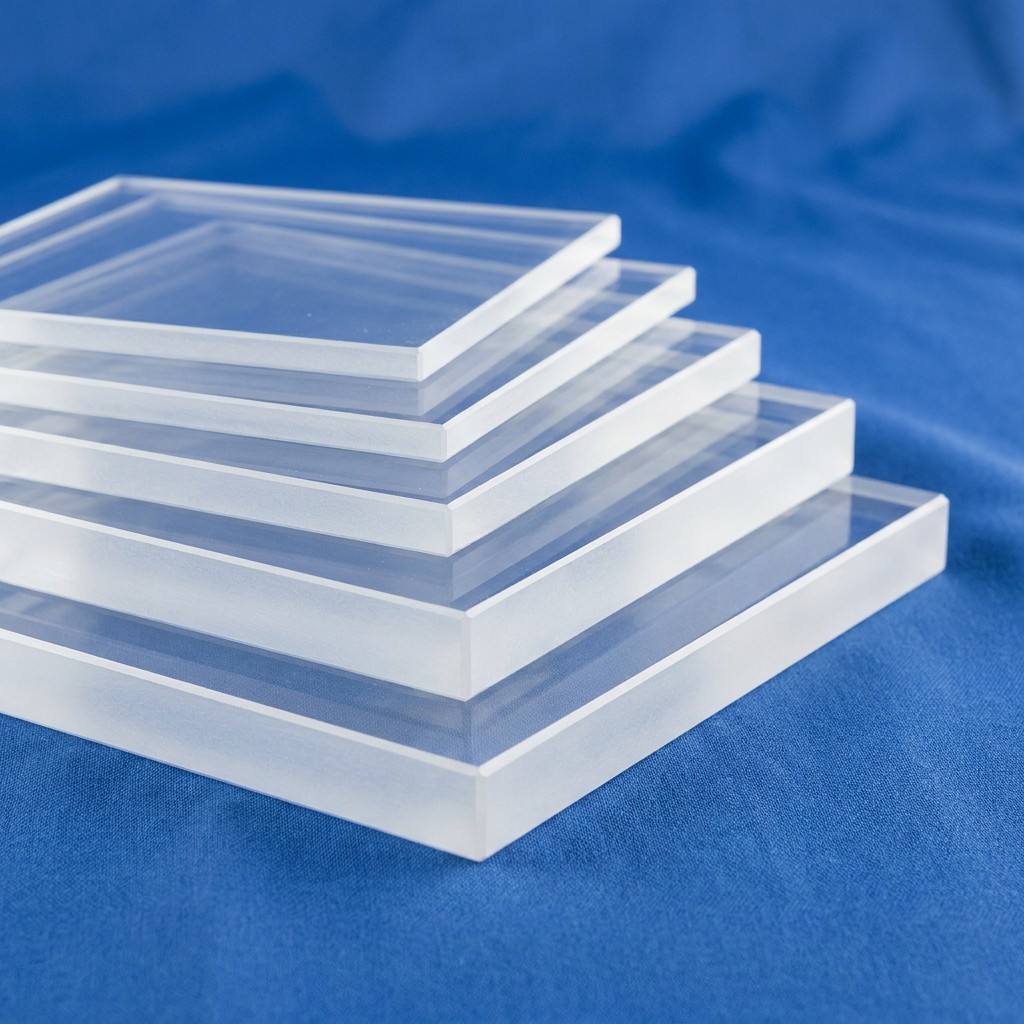
From micro-capillaries to ultra-large diffusion furnace core tubes, alongside double-sided polished plates, discs, precision-ground flanges, and custom glassblown laboratory instruments.
Every export lot undergoes polariscopic stress measurement, dimensional wall-thickness laser profiling, and bubble/airline optical inspection before crating.
Our bilingual technical sales engineers assess customer CAD drawings, operating temperatures, and chemical exposures promptly, contributing to our 50% repeat order rate.
Individual high-density pearl cotton isolation and fumigation-free wooden cases designed to endure long-distance ocean voyages through the Panama Canal or Atlantic routes.
Practical insights regarding customs, transit logistics, technical tolerances, and customized quartz fabrication.
Whether you need replacement sight glass plates for sugar boilers, precision quartz sleeves for water disinfection, or custom high-purity diffusion tubes for free zone cleanrooms, our engineering team in Donghai provides comprehensive technical verification and CIF Caucedo/Haina pricing within 2 hours.