Export-Grade Quartz Glass Plates & Components
Directly sourced from our ISO9001-certified high-purity melting facility in Donghai. Each plate is polished, dimensionally verified, and certified for aggressive thermal, chemical, and optical Mediterranean applications.
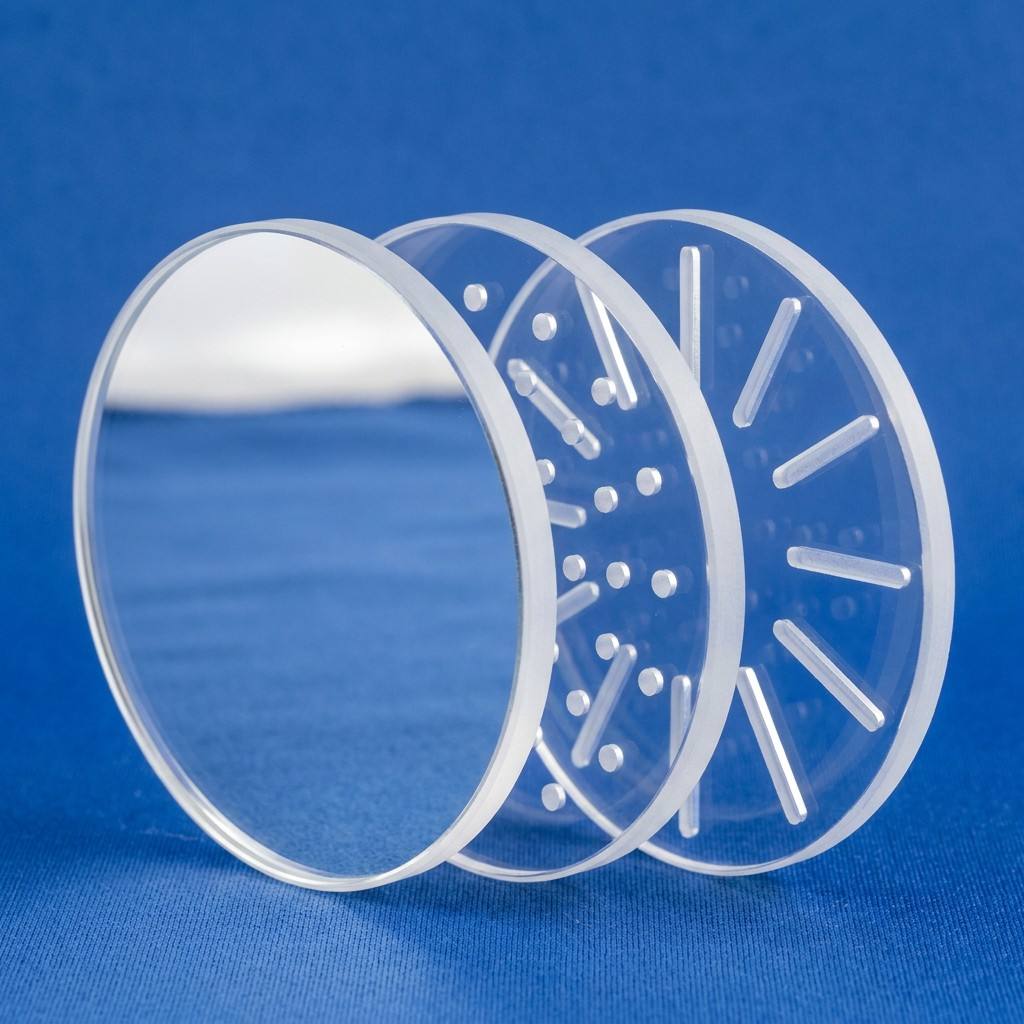
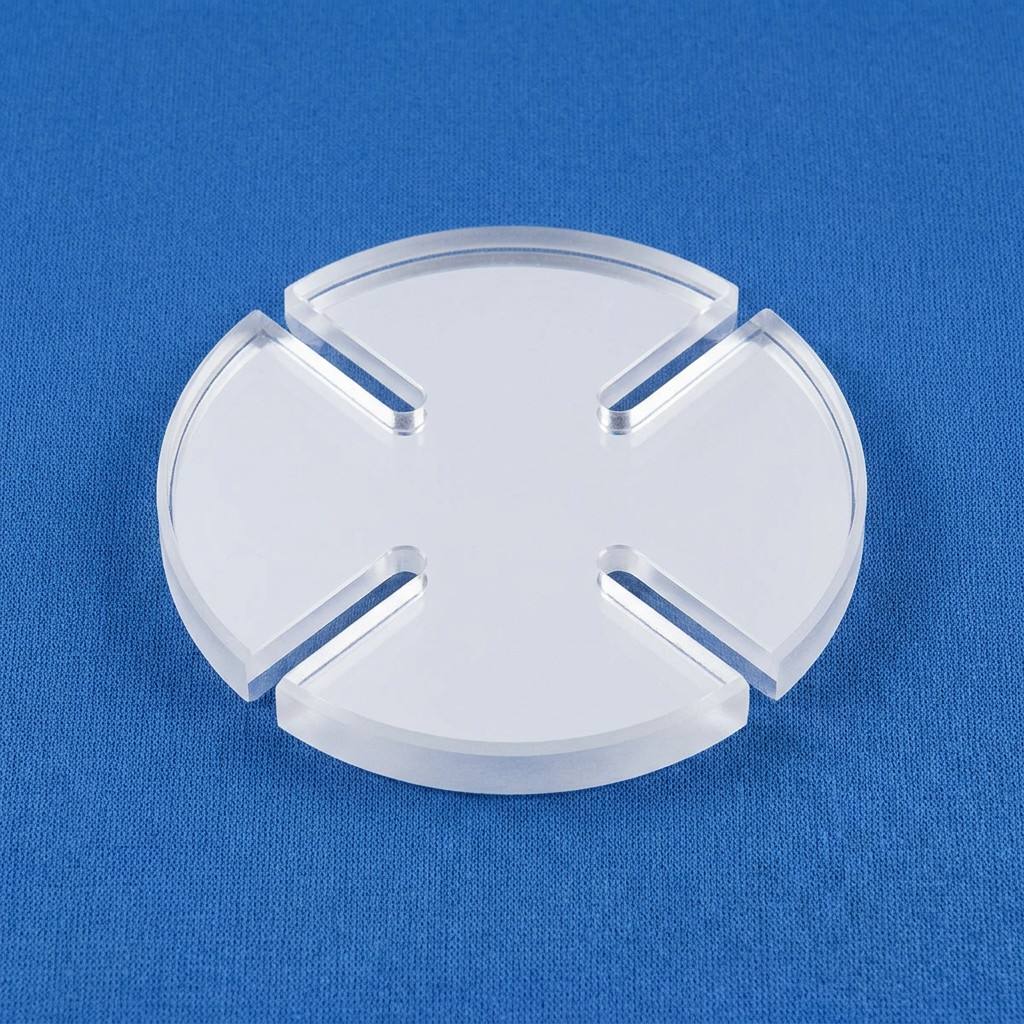
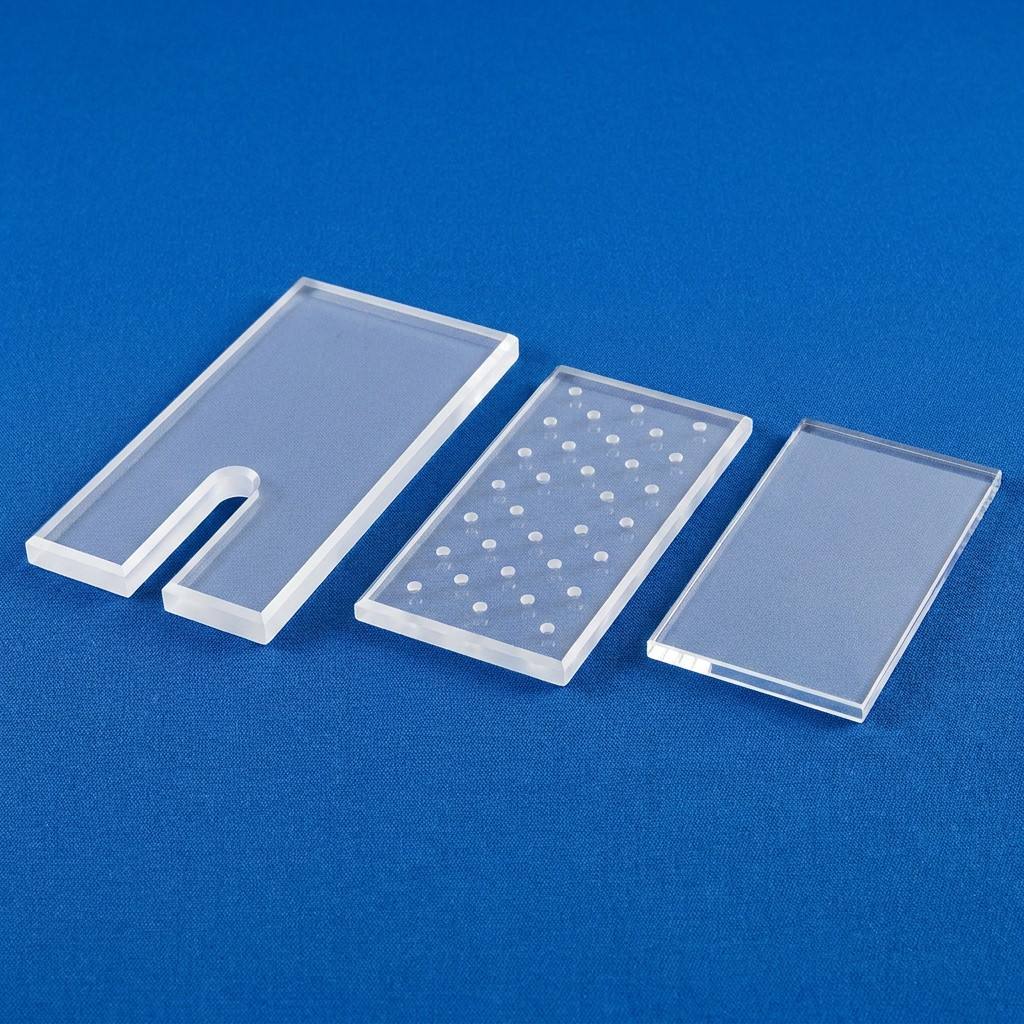

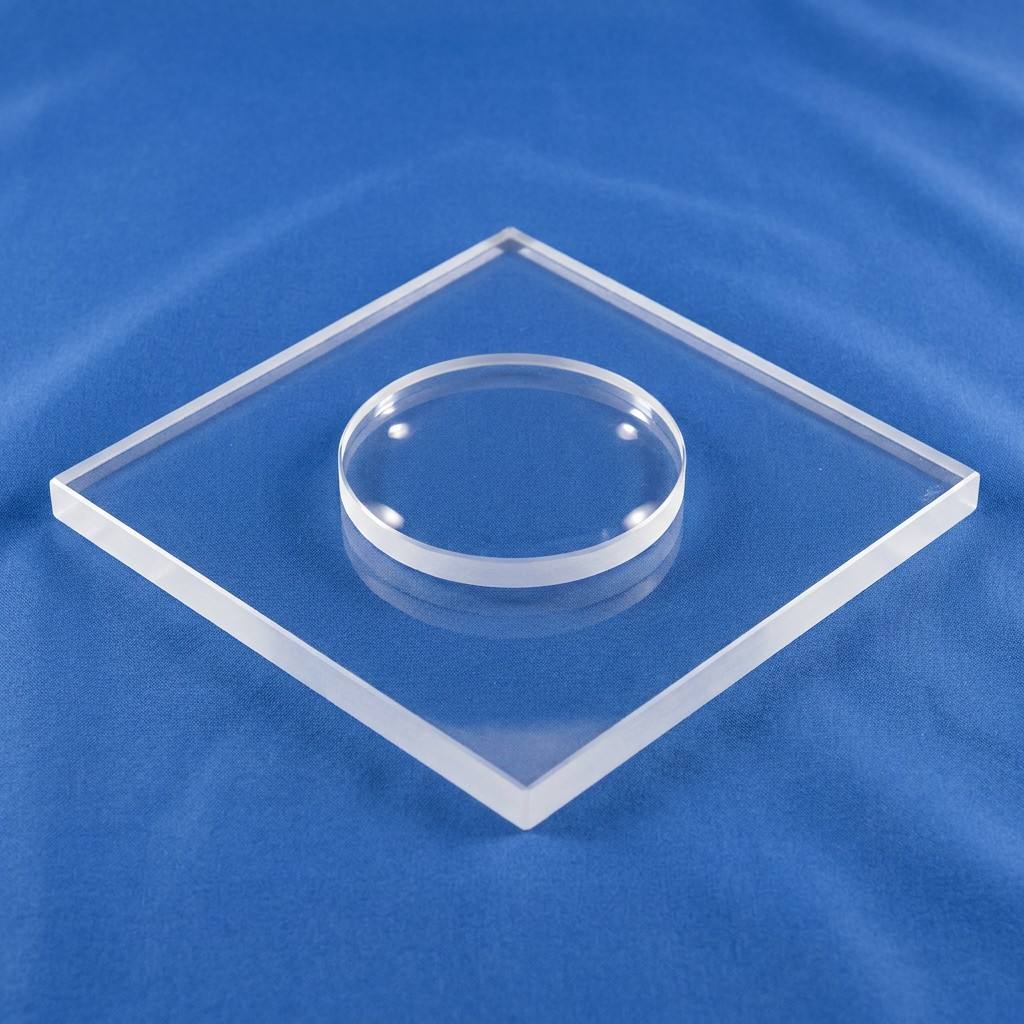


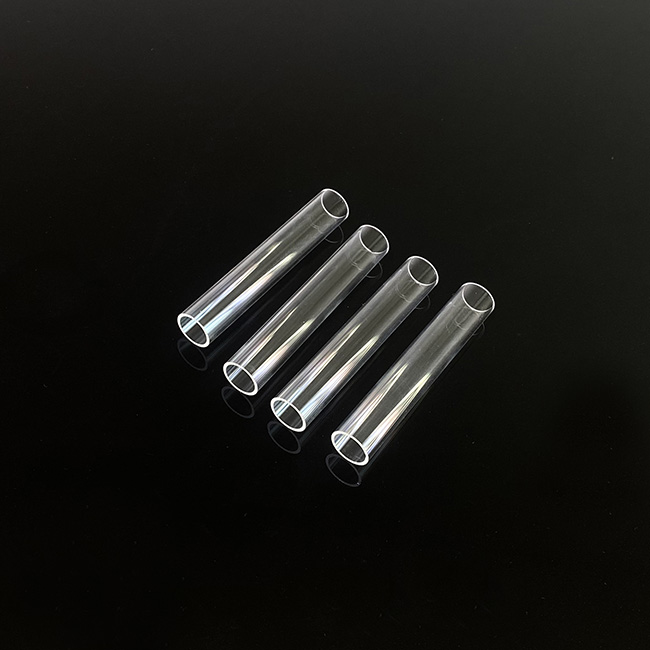
Engineering High-Purity Fused Silica for Greece's Modern Industrial Landscape
An authoritative evaluation of synthetic fused silica versus natural fused quartz glass plates across Hellenic heavy industry, green marine propulsion, and Mediterranean renewable energy infrastructure.
Across the Hellenic Republic, the industrial sector is undergoing a rapid, high-capital transformation. Greece stands as the undisputed global titan of commercial maritime shipping, holding over 20% of the world's merchant fleet deadweight tonnage. Concurrently, Greece's revised National Energy and Climate Plan (NECP) has established ambitious decarbonization targets, accelerating the construction of concentrated solar power installations, green hydrogen testing facilities, and cutting-edge optical research centers. For Greek chemical engineers, maritime procurement superintendents, and photonics researchers at institutions like FORTH (Foundation for Research and Technology - Hellas) and NCSR Demokritos, component reliability under thermal stress is not a theoretical metric—it is an operating mandate.
High-purity quartz glass plates (fused silica) represent the vanguard of industrial engineering ceramics. Composed of amorphous silicon dioxide (SiO₂), quartz glass provides an unmatched matrix of physicochemical properties: an extraordinarily low thermal expansion coefficient ($5.5 \times 10^{-7} \text{ /}^\circ\text{C}$), high thermal shock resistance capable of surviving a plunge from $1100^\circ\text{C}$ directly into ambient Mediterranean seawater without micro-fracturing, optical transparency from deep ultraviolet (185 nm) through the mid-infrared spectrum (3500 nm), and complete chemical inertness against virtually all industrial acids (with the exception of hydrofluoric and hot concentrated phosphoric acid).
Procuring quartz glass plates directly from premier Chinese manufacturing clusters—specifically Donghai County in Jiangsu Province, universally recognized as China's Quartz Capital—enables Greek enterprises to bypass exorbitant European commercial markups while acquiring bespoke, custom-machined components manufactured to rigorous ISO 10110 optical and DIN 3140 dimensional standards.
Optical Grade JGS1 (Synthetic)
Synthesized from silicon tetrachloride (SiCl₄) vapor phase oxidation. Virtually bubble-free with zero inclusion density. Superior transmission in the Deep-UV range (185 nm – 2500 nm), making it the premier choice for excimer laser windows, lithography masking, and photonics R&D across Athenian laboratories.
Standard Fused Quartz JGS2
Electric arc or gas-oxygen melted from natural crystal sand (≤20 ppm trace metals). Offers exceptional thermal stability and superior transmission from 220 nm to 2800 nm. The universal standard for industrial sight glasses, furnace inspection ports, and marine scrubbers operating in Mediterranean shipping.
Infrared Quartz JGS3
Vacuum-melted quartz glass with an ultra-low hydroxyl (OH⁻) content (≤5 ppm). Eliminates the typical 2.73 μm water absorption band, unlocking flawless infrared transmission extending beyond 3500 nm. Essential for thermal pyrometry, IR heating panels, and aerospace defense testing.
Engineered for Greece's Key Industrial & Scientific Clusters
From the bustling shipyards of Perama and Syros to the chemical refining corridors of Elefsina and the island desalination plants of the Cyclades, our quartz plates provide mission-critical resilience.
1. Commercial Shipping & Shipyard Sight Glasses
Installed inside marine steam boiler systems, heavy fuel oil (HFO) pre-heaters, and exhaust gas cleaning systems (marine scrubbers) across shipyards in Perama, Syros (Neorion), and Elefsis. Quartz sight plates withstand intense internal hydraulic pressure up to 15 MPa while resisting sulfurous corrosive washwater.
2. Solar Thermal & Photovoltaic R&D
Greece enjoys over 2,800 hours of sunshine annually. Solar research laboratories in Crete and Patras utilize high-transmittance, double-side polished fused silica plates as solar simulator entry windows, optical concentrators, and encapsulation plates for next-generation perovskite-on-silicon tandem solar cell experiments.
3. Petrochemical & Refining Columns
Deployed within distillation columns, catalytic reforming reactors, and solvent recovery plants in the industrial corridors of Corinth (Motor Oil Hellas) and Aspropyrgos (HELLENiQ ENERGY). Borosilicate glasses often craze or leach under severe thermal stress; our quartz plates deliver complete acid and temperature immunity.
4. Academic Photonics & Semiconductor Physics
Greek research institutions such as the Institute of Electronic Structure and Laser (IESL-FORTH) in Heraklion require extreme surface accuracy (λ/10 flatness, 20/10 Scratch-Dig) for ultra-fast femtosecond laser science, optical spectroscopy, and EUV lithography research substrates.
5. Municipal & Island UV Water Desalination
Across the Cyclades and Dodecanese islands, clean water relies on advanced reverse osmosis and ultraviolet disinfection systems. Our ozone-free and high-transmittance quartz sleeves and observation plates transmit the 254 nm germicidal wave cleanly without solarization or degradation over multi-year continuous operation.
6. Food Processing & Pharmaceutical Glassware
Greece’s burgeoning specialty pharmaceutical and food processing companies in Central Macedonia and Attica depend on high-purity quartz observation windows for bio-reactors, autoclave sterilization chambers, and sanitary inspection flanges that demand zero heavy-metal leaching and FDA/EU chemical compliance.
Fused Silica Physical, Thermal & Optical Parameters
Certified metrics for mechanical design and procurement verification under European industrial engineering standards.
| Physical / Chemical Property | Typical Metric Value | Engineering Significance for Greek Industrial Operators |
|---|---|---|
| Chemical Composition (SiO₂ Purity) | ≥ 99.995% | Prevents ionic leaching in semiconductor etching and pharmaceutical synthesizers. |
| Thermal Expansion Coefficient (20°C to 320°C) | 5.5 × 10⁻⁷ / °C | Near-zero thermal drift prevents optical misalignment in solar concentrators. |
| Continuous Service Temperature | 1100 °C | Exceeds borosilicate glass limits by >600°C; suited for metallurgical furnaces. |
| Maximum Short-Term Peak Temperature | 1250 °C - 1300 °C | Prevents explosive shattering during sudden flash fires or exhaust pressure spikes. |
| Softening Point / Annealing Point | 1683 °C / 1215 °C | Defines stress-relief margins after precision cutting, CNC milling, and flame polishing. |
| Density | 2.20 g/cm³ | Lightweight structural load for elevated maritime vessel sight glass ports. |
| Dielectric Strength (1 MHz, 20°C) | 2.5 × 10⁷ V/m | Exceptional high-voltage electrical insulation for RF plasma generation equipment. |
| Refractive Index (nD at 589.3 nm) | 1.4585 | Standardized benchmark for optical collimators, sight lenses, and laser prisms. |
Strategic Trends Shaping Quartz Demand Across the Hellenic Republic
How regional logistics evolution, EU Green Deal mandates, and high-tech infrastructure expansions are redefining Greek procurement requirements.
The Piraeus Maritime Silk Road Gateway
With COSCO Shipping’s major modernization of the Port of Piraeus, maritime freight times from Chinese industrial ports like Lianyungang (Jiangsu) to Piraeus have stabilized into one of the most reliable and cost-effective sea lanes in the Mediterranean. Greek ship owners and industrial plant operators benefit from direct ocean bill of ladings (B/L), rapid customs processing at Piraeus Container Terminal (PCT), and localized spare-parts replenishment within 24 to 28 days of dispatch.
Decarbonization, Scrubber Retreading & Green Methanol
International Maritime Organization (IMO) carbon intensity regulations (CII) and the EU Emissions Trading System (EU ETS) entering the shipping sector have forced Greek fleet operators to refit vessels with hybrid exhaust scrubbers, continuous emission monitoring sensors (CEMS), and dual-fuel methanol burners. All of these high-temperature systems mandate durable fused silica optical sight windows capable of resisting sulfur compounds and thermal cyclic fatigue.
National Renewable Energy Transition & Green Hydrogen
Greece’s western energy corridor (Western Macedonia) is transitioning away from lignite coal mining into green hydrogen production and gigawatt-scale solar parks. High-pressure electrolyzers and hydrogen combustion test turbines require specialty quartz viewports and slotted carrier plates to monitor pilot flame ionization and cell voltage gradients under harsh mechanical conditions.
Direct Precision OEM Sourcing vs. European Reseller Markups
Historically, Greek factories imported quartz plates through German or Italian commercial intermediaries, incurring 40% to 70% distribution markups and protracted lead times. Direct procurement from Chinese manufacturing origins, reinforced by transparent dimensional drawings, mill test certificates (MTC), and third-party inspection, has become the dominant procurement paradigm for Greek technical directors.
VEZLO Quartz Manufacturing Excellence & Capabilities
Located in Tuofeng Township, Donghai County, Jiangsu Province—China’s world-renowned Quartz Center. We operate a modern 50-mu (≈33,000 m²) manufacturing complex backed by RMB 10 million in fixed assets, dedicated to precision glass engineering.
Raw Material Purity Control
We source directly from Donghai’s premium pegmatite quartz deposits, purifying our feedstocks across 13 specialized grades to guarantee conventional metallic contaminants remain strictly ≤ 20 ppm. This ensures superior transparency and minimal bubble density.
Proven Technical Innovation
Our engineering team spearheaded the Jiangsu Provincial Science & Technology Support Project for 320 mm high-purity quartz tubes, and recently developed our 520 mm large-diameter high-purity quartz furnace tubes, reviewed for national recognition.
CNC Precision Machining
In addition to standard circular and rectangular plates, our workshop features multi-axis CNC milling, diamond wheel beveling, laser-guided cutting, and chemical-mechanical polishing (CMP) for tolerances down to ±0.02 mm.
≤ 2-Hour Technical Response SLA
Engineering enquiries from Athens, Thessaloniki, or Piraeus are answered by bilingual chemical and optical engineers within 2 hours. We evaluate your CAD/PDF drawings and deliver formal quotation specifications within 24 hours.
50% Global Reorder Rate
Over half of our verified worldwide client accounts place repeat orders annually. This loyalty reflects our zero-defect dimensional guarantee, uncompromised material homogeneity, and reliable delivery performance.
Shock-Proof Maritime Packaging
Each quartz plate is sealed in cleanroom anti-scratch PE film, cocooned in closed-cell high-density pearl foam, and secured inside steel-banded, fumigation-free wooden export crates engineered to endure ocean shipping to Piraeus without chipping.
Frequently Asked Questions for Greek Importers
Direct answers to the most critical technical, compliance, and customs questions posed by procurement teams in Greece.
What are the customs clearance requirements and TARIC / HS codes for importing quartz plates into Greece?
How do fused quartz plates compare with borosilicate glass in marine boiler sight glasses?
Can you manufacture custom CNC-slotted, beveled, and hole-drilled quartz plates to our drawings?
What is your typical transit time and logistics mode from China to Athens or Piraeus?
1. Air Express (DHL / FedEx / TNT): 4 to 7 business days door-to-door across Athens, Thessaloniki, Heraklion, or Patras. Recommended for urgent vessel repair parts, optical window replacements, and laboratory R&D batches under 100 kg.
2. Air Freight (Airport-to-Airport via ATH): 7 to 10 days for medium industrial consignments.
3. Ocean Freight (FCL / LCL via Piraeus / Thessaloniki): 24 to 28 days direct sailing from Lianyungang/Shanghai to the Port of Piraeus. The most cost-efficient route for volume quartz plates, crucibles, and large-diameter furnace tubes.