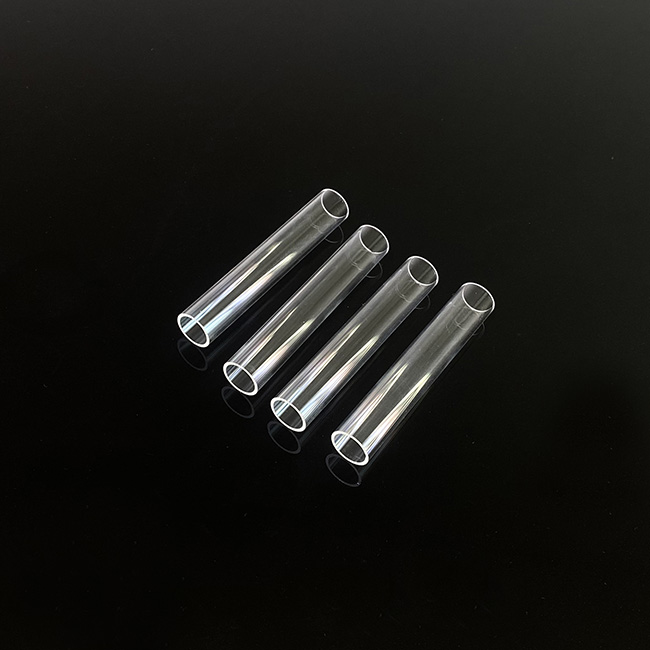
Precision Quartz Apparatus
Featured Quartz & Fused Silica Production Lines
Manufactured in our dedicated Donghai facility and engineered to withstand extreme thermal gradients, mechanical pressures, and chemically hostile environments encountered in Western Balkan research and manufacturing sectors.
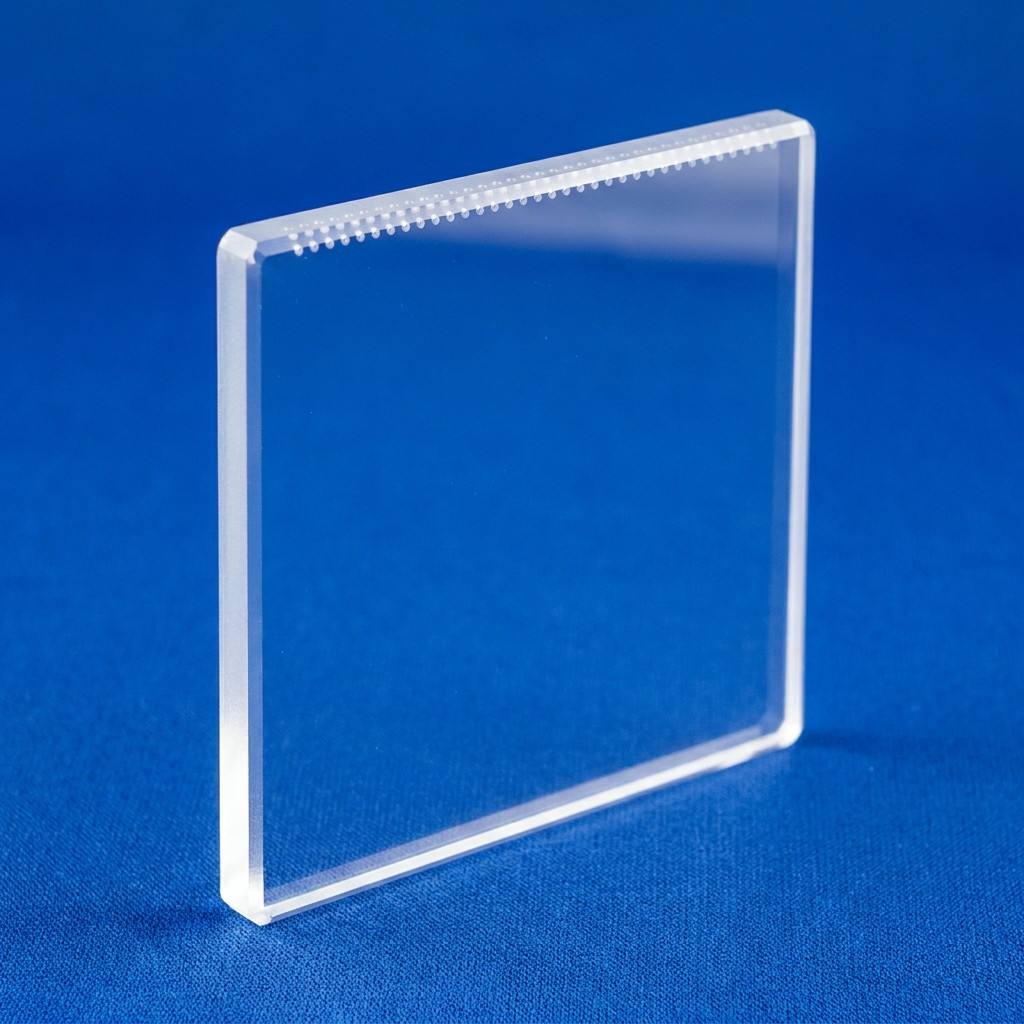
λ/4 - λ/10 · Optical Grade
Quartz Optical Flat Plate Fused Silica High Flatness Polished Custom
View Details →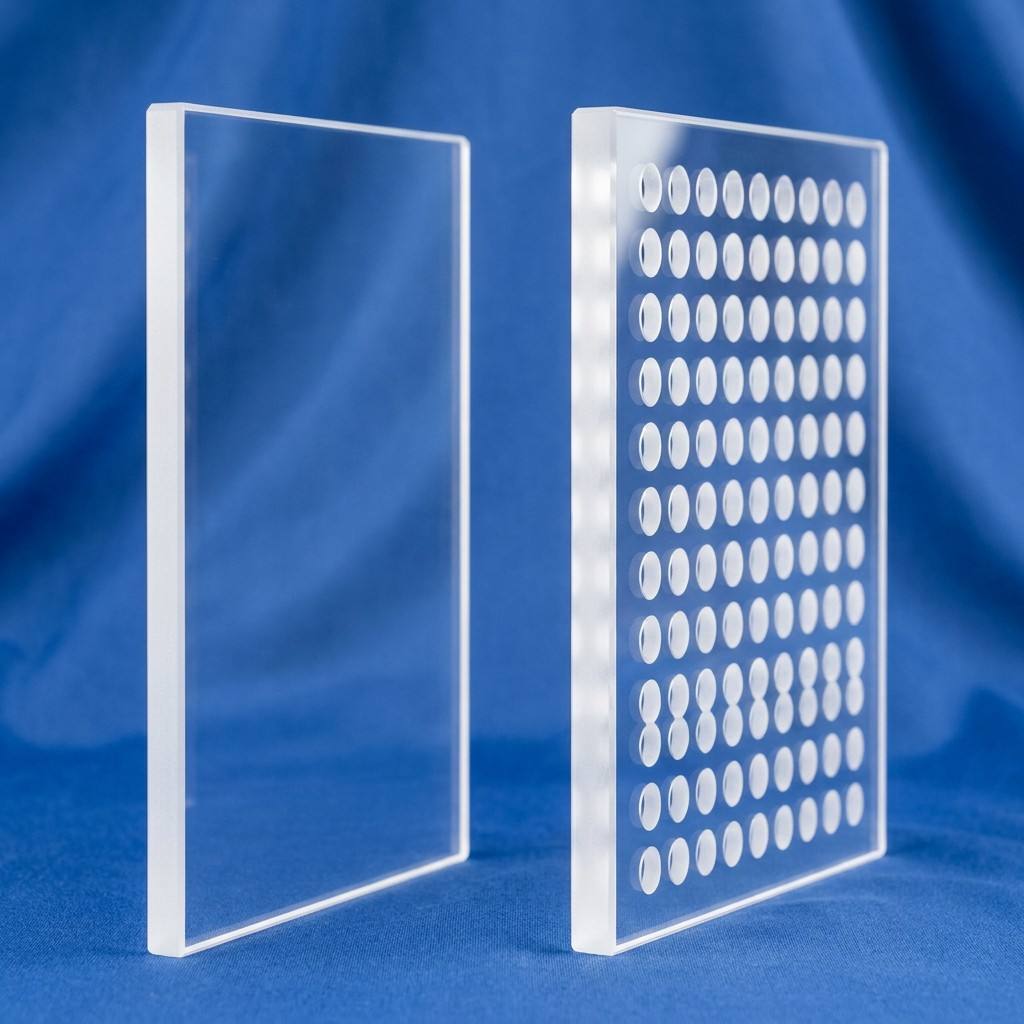
Vacuum Tight · High Purity
Quartz Glass Plate for Vacuum Chamber Viewport High Purity Custom
View Details →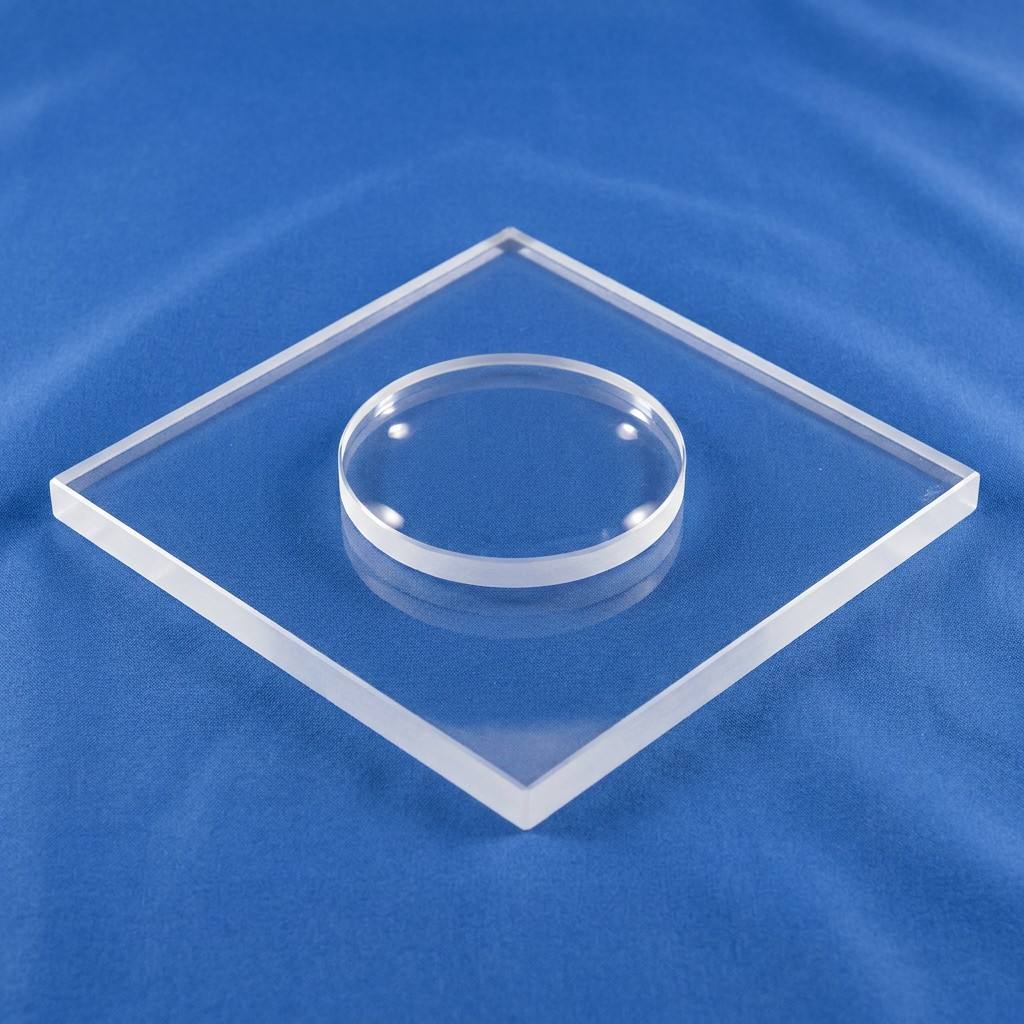
Deep UV–NIR Transmittance
Quartz Glass Plate for Optical Window Fused Silica High Transmittance
View Details →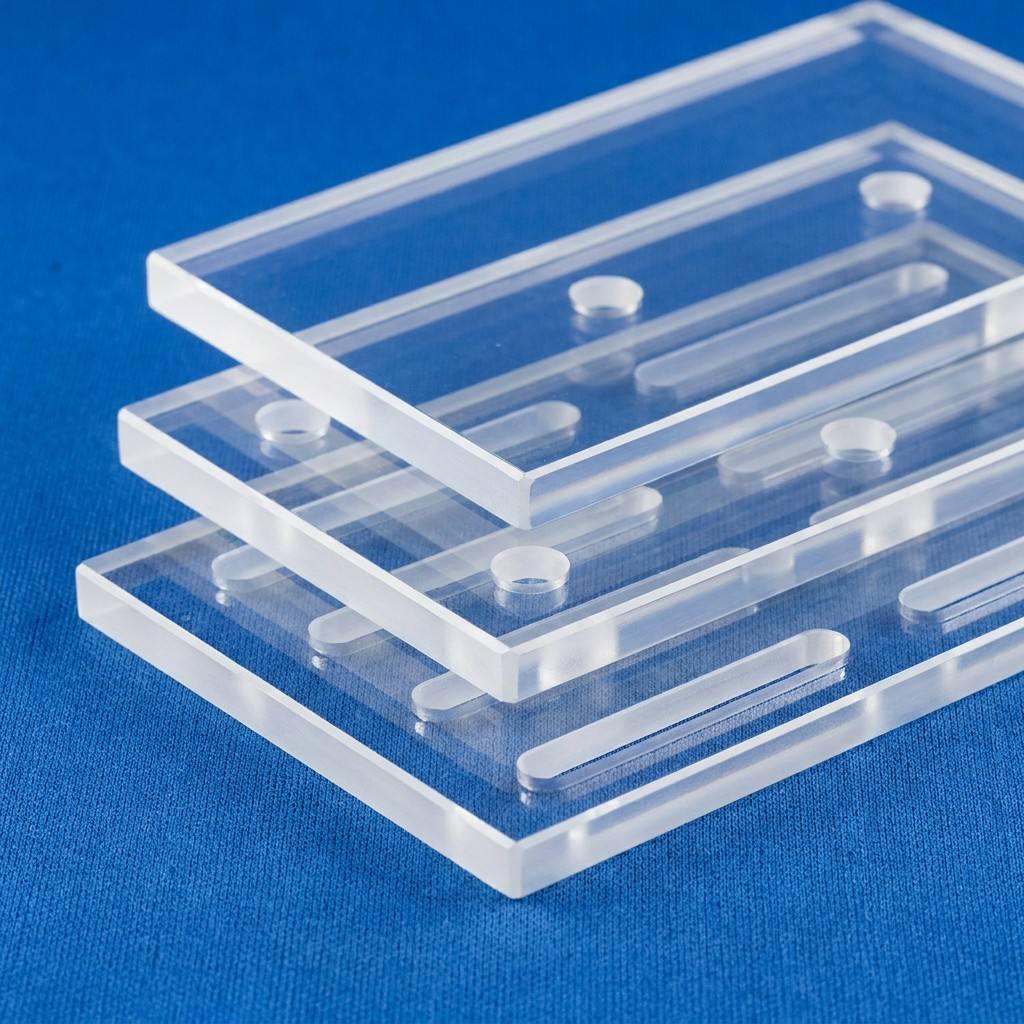
Precision CNC Grooved
Quartz Disc with Groove Fused Silica Plate Clear Polished Custom Size
View Details →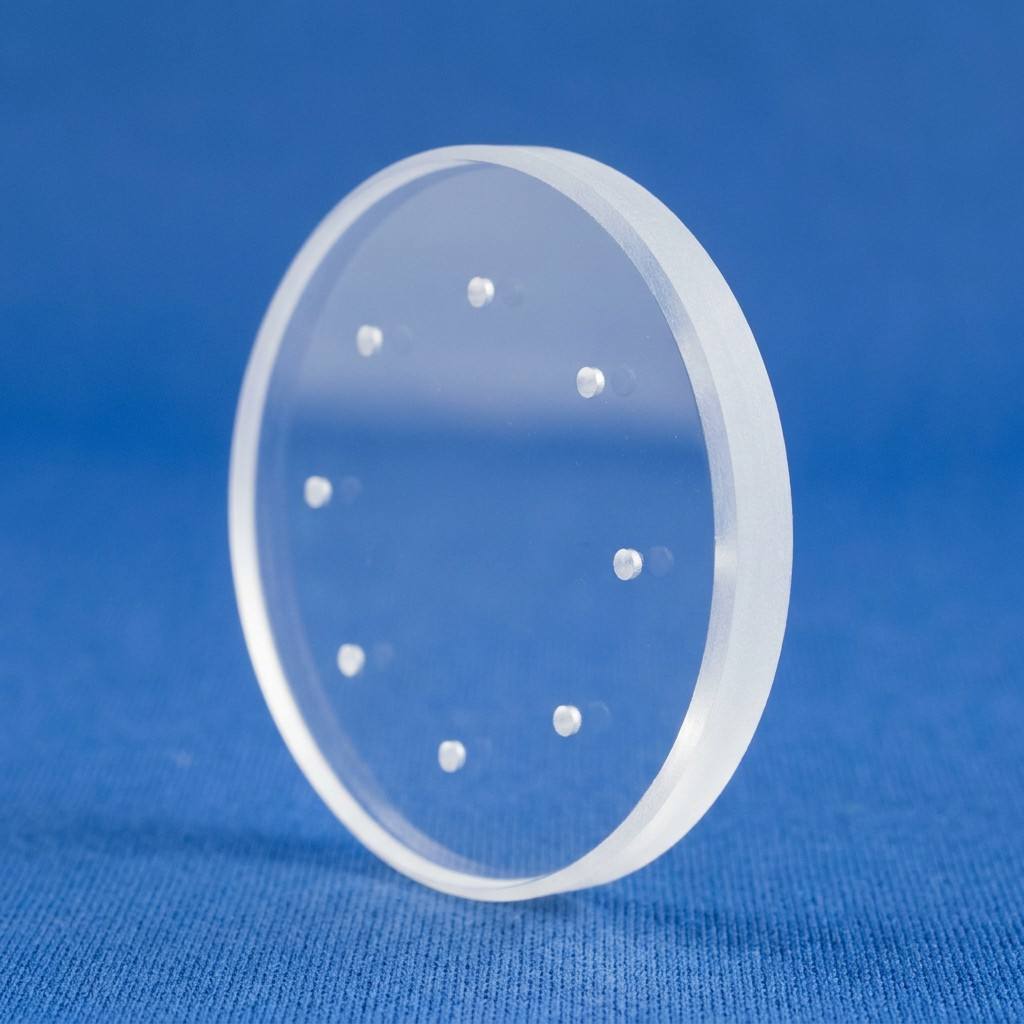
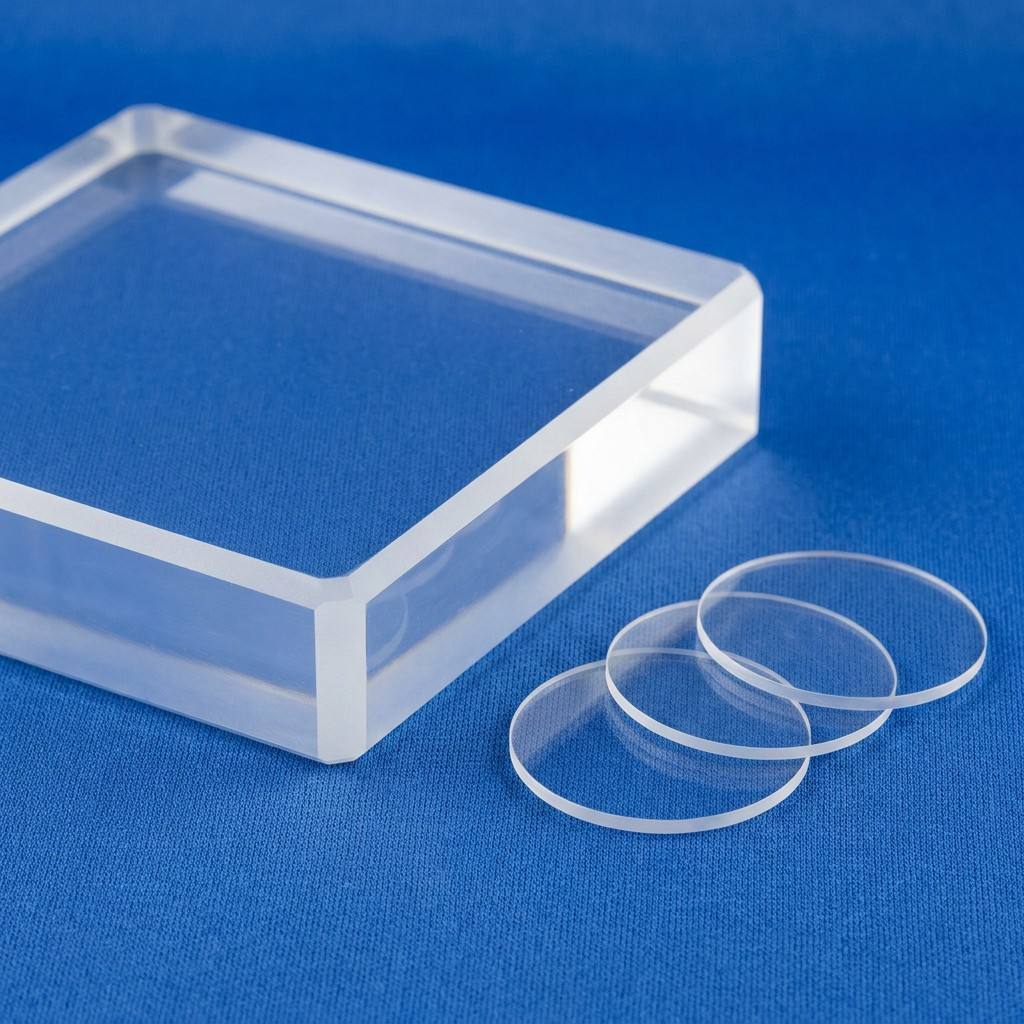
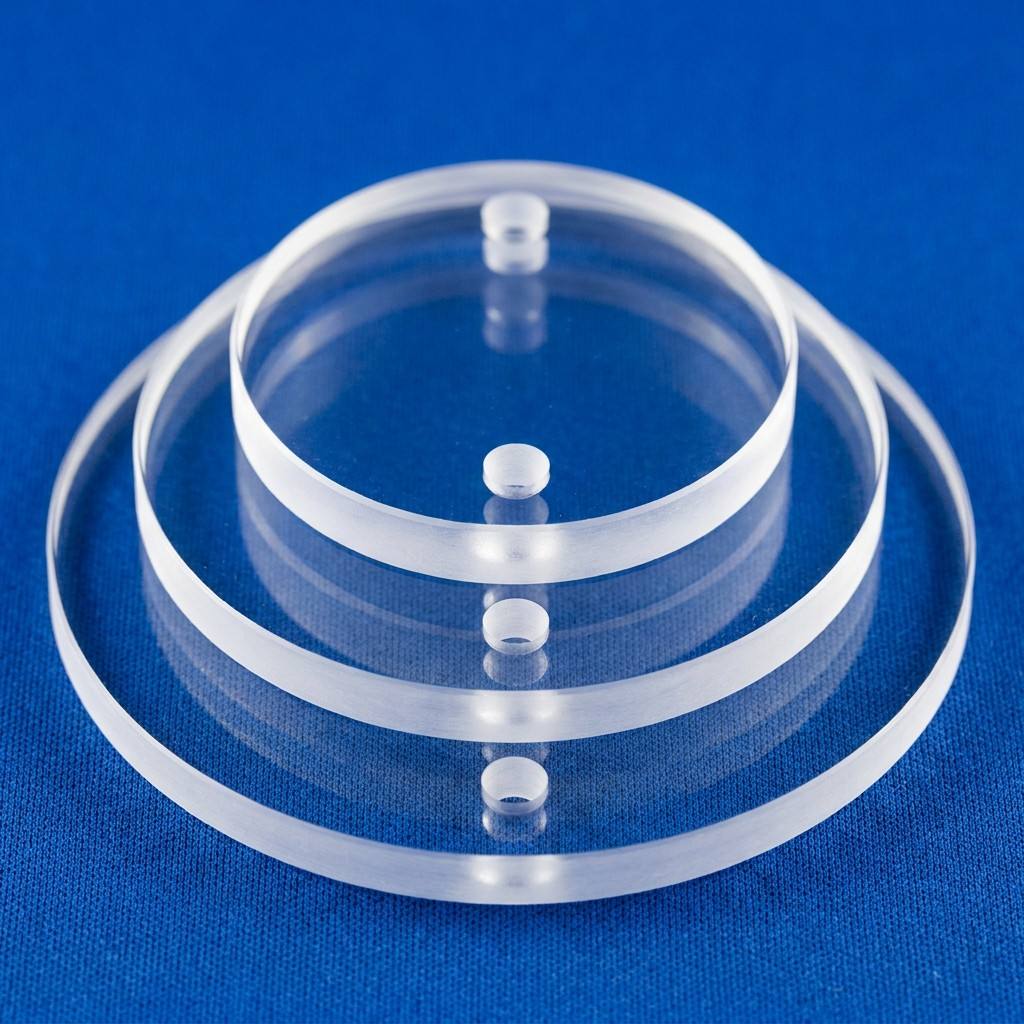
Pressure & Thermal Shock
Quartz Plate for Boiler Sight Glass Fused Silica Heat Resistant
View Details →Comprehensive Material Dossier: High-Purity Fused Quartz Beakers vs. Borosilicate 3.3 Glassware
For scientific laboratories, metal foundries, chemical pilot plants, and quality control institutions across Banja Luka, thermal containment apparatus represents a critical operational vector. Standard borosilicate 3.3 glass (such as Duran or Pyrex) serves basic volumetric chemistry reliably up to 450°C. However, when processes escalate into rigorous trace metal digestion, ultra-pure synthesis, microwave acid dissolution, or high-temperature metallurgy exceeding 1000°C, borosilicate apparatus structurally softens, releases leachates (boron, sodium, and aluminum ions), and risks catastrophically fracturing under sharp thermal shocks.
VEZLO Quartz manufactures clear fused quartz beakers—available in Griffin low-form, Berzelius tall-form, and customized spouted cylindrical configurations from 10 mL to 10,000 mL capacities. Built utilizing high-grade quartz sand with conventional metallic contaminants kept under ≤20 ppm, our quartz beakers display near-zero coefficient of thermal expansion (5.5 × 10⁻⁷ /°C). A technician can heat a VEZLO fused silica beaker to 1100°C over an open oxy-hydrogen flame and quench it instantly into ice-cold water without micro-cracking, crazing, or wall displacement.
| Performance Characteristic | High-Purity Fused Quartz (VEZLO) | Standard Borosilicate 3.3 Glass | Critical Advantage for Banja Luka Operators |
|---|---|---|---|
| SiO₂ Purity Ratio | ≥ 99.99% (≤ 20 ppm metal impurities) | ~ 80–81% (contains Na₂O, B₂O₃, Al₂O₃) | Zero trace ion contamination during AAS/ICP-MS elemental analysis |
| Max Service Temperature | 1100°C (Continuous) / 1250°C (Short peak) | 450°C (Continuous) / 500°C (Short peak) | Enables direct fusion, calcination, and aggressive thermal digestion |
| Thermal Expansion (CTE) | 5.5 × 10⁻⁷ / °C (20°C to 300°C) | 3.3 × 10⁻⁶ / °C | Six-fold lower thermal expansion; immune to shattering during rapid cooling |
| Optical Window Transmission | > 90% (Deep UV 190 nm to Infrared 3.5 μm) | Cuts off sharply below ~310 nm (Opaque in deep UV) | Allows direct UV photochemical reactions and visual inspection without distortion |
| Chemical Inertness | Impervious to aqua regia, HNO₃, HCl, H₂SO₄ | Gradual leaching in concentrated acid/alkali boil | Preserves baseline reagent integrity in pharmaceutical and geochemical assay |
| Dielectric Strength | 25–40 kV/mm (at 20°C) | 10–15 kV/mm | Superior electrical insulation for high-frequency RF and microwave reactors |
Every fused quartz beaker fabricated in our Tuofeng production workshop undergoes continuous flame polishing along the lip and pouring spout, ensuring drip-free decanting and exceptional structural resistance to physical edge-chipping during everyday handling in busy analytical centers.
Localized Industrial Deployment
Quartz Glass Application Scenarios Across Banja Luka & Surrounding Hubs
As the administrative, commercial, and educational center of Republika Srpska (Bosnia & Herzegovina), Banja Luka unites precision pharmaceutical engineering, heavy mechanical fabrication, forestry-wood chemical derivatives, and academic materials science.
Pharmaceutical & Life Science Synthesis
Banja Luka houses expanding pharmaceutical manufacturing clusters, including Hemofarm Banja Luka and regional compounding laboratories. Fused quartz beakers and digestion vessels are essential for trace heavy metal qualification, active pharmaceutical ingredient (API) crystallization, and volatile organic solvent refluxing where zero ion extraction (leaching) is strictly mandatory.
Metallurgy, Foundries & Heat Treatment
Operating across the Vrbas valley industrial belt and neighboring centers like Prijedor and Laktaši, automotive component producers, tool-making foundries, and aluminum die-casters use quartz beakers and crucibles for molten slag extraction, metallurgical sample dissolution, alloy etching with fluorinated acid mixtures, and precision pyrometric thermal observation.
Academic & Applied Materials Research
The University of Banja Luka (UNIBL)—specifically the Faculty of Technology, the Faculty of Natural Sciences and Mathematics, and the Institute of Genetic Resources—demands optical-grade quartz beakers, reaction flasks, and sight windows for semiconductor thin-film experiments, heterogeneous catalysis, UV photocatalysis, and advanced nanomaterial synthesis.
Environmental, Soil & Hydrological Testing
Banja Luka’s regional public health laboratories and independent environmental testing bodies constantly monitor the Vrbas River watershed, regional wastewater discharge, and agricultural soils. Hot acid mineral digestions (using concentrated HNO₃/HClO₄) are conducted inside high-purity quartz beakers on heating blocks to prevent vessel erosion.
Macro Dynamics & Procurement Evolution
Market Trends Reshaping Quartz Glass Sourcing in Republika Srpska
Understanding the economic, regulatory, and supply chain shifts driving institutional and industrial buyers across Bosnia and Herzegovina toward direct factory procurement models.
Direct Factory Sourcing vs. Multi-Tier European Distribution
Historically, laboratories in Banja Luka procured specialty quartzware through regional middlemen or third-tier trading distributors headquartered in Zagreb, Belgrade, or Vienna. This resulted in markups of 200–350% and extended delivery wait times of 10–16 weeks. Today, laboratory managers and procurement directors leverage direct OEM collaboration with verified Chinese manufacturers like VEZLO, slashing lead times and reclaiming substantial procurement budgets.
Re-Industrialization of the Ramići & Incel Zones
The municipal revitalization of the Business Zone Incel and the Technology Business Park Ramići in Banja Luka has catalyzed modern production facilities in metal machining, polymers, specialized coatings, and green energy technology. These advanced operations demand standardized, thermal-shock resistant quartz sight glasses, large-diameter reaction tubes, and analytical quartz beakers tailored specifically to non-standard bespoke dimensions.
Stringent ISO 17025 & EU Environmental Harmonization
As Bosnia and Herzegovina moves closer to European Union accession benchmarks, testing laboratories throughout Banja Luka must satisfy strict accreditation requirements under BAS EN ISO/IEC 17025. This compliance framework necessitates documented material traceability for laboratory apparatus. Procurement officers increasingly specify VEZLO quartz because of our batch spectroscopic certificates verifying trace impurity limits below 20 ppm.
Enterprise Capabilities
Why Global Procurement Teams Choose VEZLO Quartz Products Co., Ltd.
Direct from Donghai County, Jiangsu Province—internationally recognized as China’s premier Quartz Capital—combining complete primary material processing with cutting-edge optical and vacuum finishing.
Source-Level Purity
Operated on a 50-mu (≈33,000 m²) integrated facility backed by RMB 10 million in fixed assets, we melt and refine high-purity natural quartz sand with conventional metallic contaminants ≤20 ppm, eliminating structural bubbling and devitrification.
Provincial & National R&D
Our 320 mm high-purity quartz tube development was completed under the Jiangsu Provincial Science & Technology Support Project. Our 520 mm large-diameter tube has passed preliminary National New Product reviews, with >RMB 5M annual R&D reinvestment.
Precision Cold & Hot Working
Complete in-house forming: continuous tube drawing (OD 2–500 mm), CNC 5-axis grinding, ultrasonic drilling, optical double-side polishing, and specialized glassblowing for complex ground joints, fused stopcocks, and custom beaker handles.
Shatter-Proof Export Engineering
Full export packaging protocol using molded multi-density EPE foam cradles, dual-wall corrugated inner cartons, and fumigation-free ISPM-15 plywood transport crates designed to withstand transit through European overland and marine cargo corridors.
Procurement Advisory
Frequently Asked Questions by Banja Luka Buyers & Technical Teams
Clear, direct answers regarding custom drawings, customs clearance at Carinska ispostava Banja Luka, minimum order volumes, and international freight logistics.
Q1: How does VEZLO deliver quartz beakers and glassware to Banja Luka without breakages?
Fragile quartz apparatus requires multi-layer impact isolation. Each quartz beaker is individually wrapped in anti-scratch electrostatic film, nested in custom-cut, high-density polyethylene (EPE) foam, and housed in vacuum-sealed inner cartons. These are bundled into heavy-duty, fumigation-free multi-ply wooden crates reinforced with corner strapping. Shipments are fully insured door-to-door via DHL/FedEx Express for urgent lab consignments or multimodal consolidated sea/air freight via Port of Ploče, Port of Rijeka, or Sarajevo/Belgrade airports directly to Banja Luka.
Q2: Can you fabricate custom quartz beakers with specific volume graduations or ground joints?
Yes. As an OEM/ODM primary manufacturer, we produce custom beakers according to your engineering drawings or sample physical dimensions. Options include permanent etched enamel graduations, reinforced pour spouts, fused silica quartz handles, flat-ground bottoms for uniform hotplate heat transfer, baffled walls for high-shear agitation, and integrated quartz standard taper joints (e.g., NS 14/23, 29/32, 45/40) for direct adaptation into vacuum distillation trains.
Q3: What documentation is provided for customs clearance with UIO BiH in Banja Luka?
Every commercial consignment exported to Bosnia and Herzegovina comes accompanied by a complete, audit-compliant document pack tailored to the requirements of the Indirect Taxation Authority of BiH (Uprava za indirektno oporezivanje - UIO). This includes a Commercial Invoice with accurate Harmonized System (HS) Codes (e.g., HS 7017.10 for fused quartz laboratory glassware), a detailed Packing List specifying gross/net weights, Certificate of Origin, and a Factory Quality Inspection Certificate detailing elemental purity and dimensional tolerances.
Q4: What is the difference between transparent fused quartz and opaque silica labware?
Transparent fused quartz is melted from natural quartz crystals into an amorphous, visually clear silica matrix with transmission exceeding 90% across the UV, visible, and near-IR spectra. It enables complete visibility of chemical reactions, precipitates, and color transitions. Opaque (translucent) silica is formed by fusing quartz sand with trapped microscopic air bubbles; while it offers identical continuous temperature resistance (up to 1100°C) at a lower cost, it is non-transparent and generally used for large crucibles, trays, and heating muffle liners.
Q5: What are your Minimum Order Quantities (MOQ) and production lead times?
We accommodate both prototyping and high-volume wholesale requirements. Standard capacity beakers (50 mL, 100 mL, 250 mL, 500 mL, 1000 mL) have an MOQ as low as 5 to 10 units for evaluation batches. Custom CNC-machined or custom-blown parts typically carry an MOQ of 10 to 20 units. Standard orders dispatch within 7 to 14 working days from technical drawing confirmation, with expedited manufacturing lines available for critical operational plant shutdowns.
Q6: How do your quartz beakers behave when exposed to hydrofluoric acid or strong alkalis?
Fused silica exhibits near-universal acid resistance, tolerating boiling aqua regia, nitric acid, hydrochloric acid, and sulfuric acid indefinitely. However, like all silicate materials, quartz reacts with hydrofluoric acid (HF) and concentrated phosphoric acid at temperatures above 150°C. In strongly alkaline solutions (such as boiling concentrated NaOH or KOH), fused quartz experiences mild surface etching over prolonged exposure, though at rates significantly lower than standard soda-lime or borosilicate glass.
Accelerate Your High-Temperature & Analytical Glassware Procurement
Whether you require standard Griffin fused quartz beakers, custom-machined optical viewports, or large-diameter furnace process tubes in Banja Luka, our engineering desk delivers feasibility assessments and factory-direct commercial quotes within 2 hours.