Precision Quartz Components Engineered for Export
Manufactured directly at our 33,000 m² Donghai production complex, our high-purity fused silica plates, round bores, and customized profile tubings adhere strictly to international analytical tolerances.
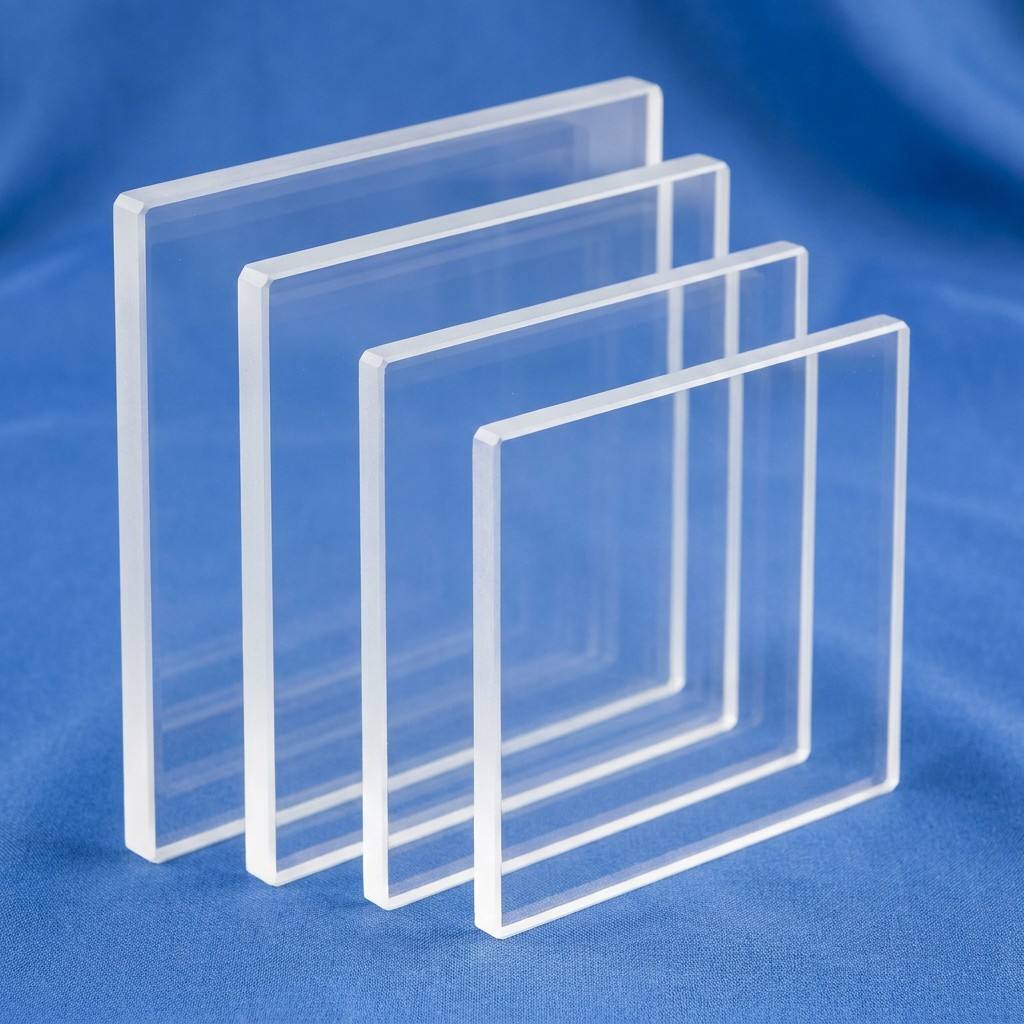
Laser Cut Quartz Glass Plate Fused Silica Precision Custom Size
View Specifications
Quartz Viewport Glass Quartz Window Plate Optical Window Quartz High Pressure
View Specifications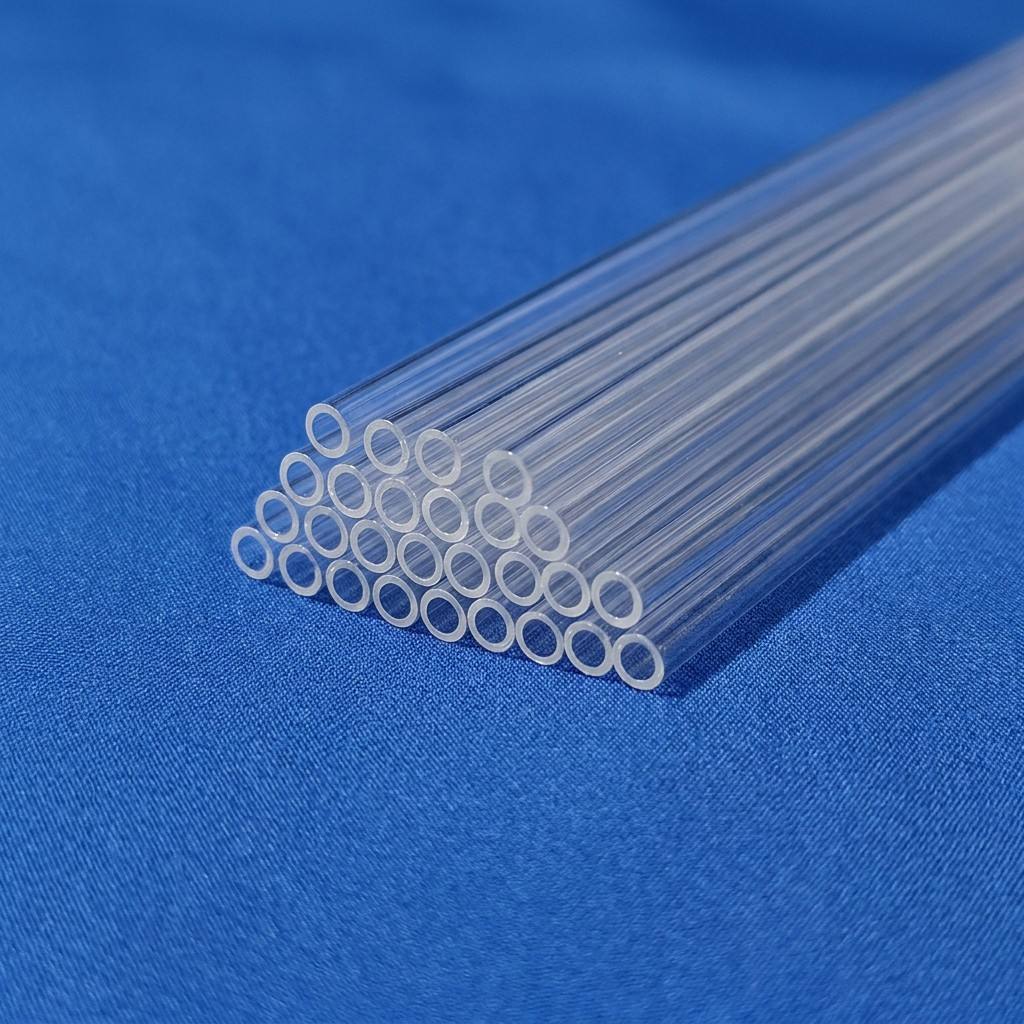
Quartz Glass Tube Raw Stock Clear Fused Silica Transparent Pipe Blank Custom Length for Glassblowing Workshop Bending Welding
View Specifications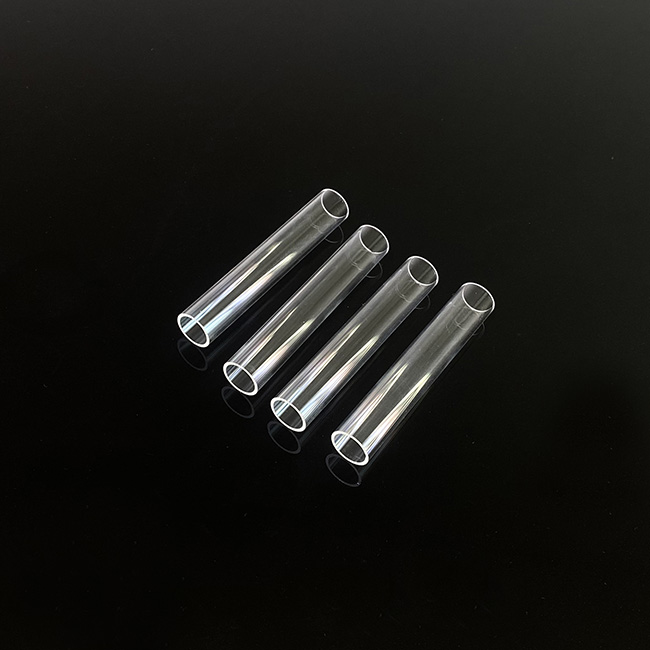
Large Diameter Clear Quartz Borosilicate Glass Tube round Fused Silica Bubble Pipe for Bending and Welding
View Specifications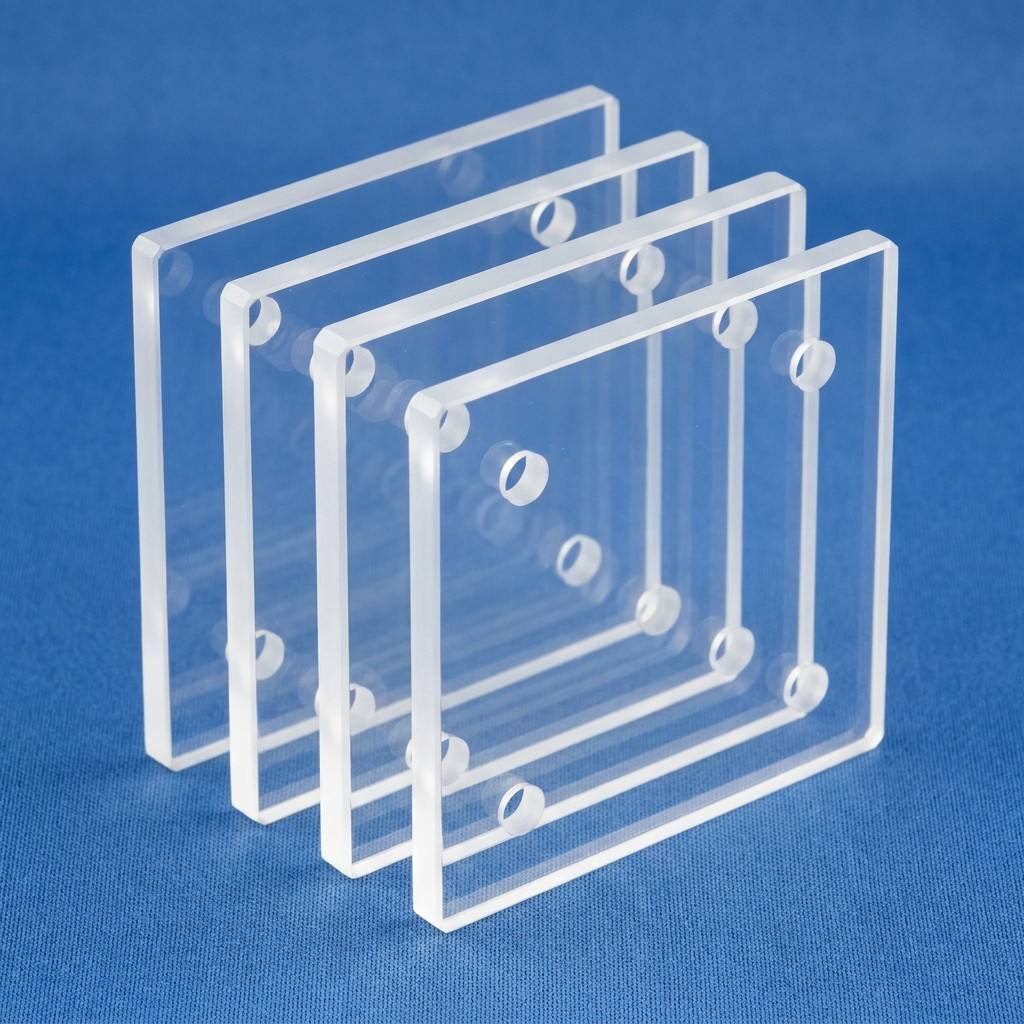
Quartz Plate for Laser Protection Window Fused Silica UV Grade
View Specifications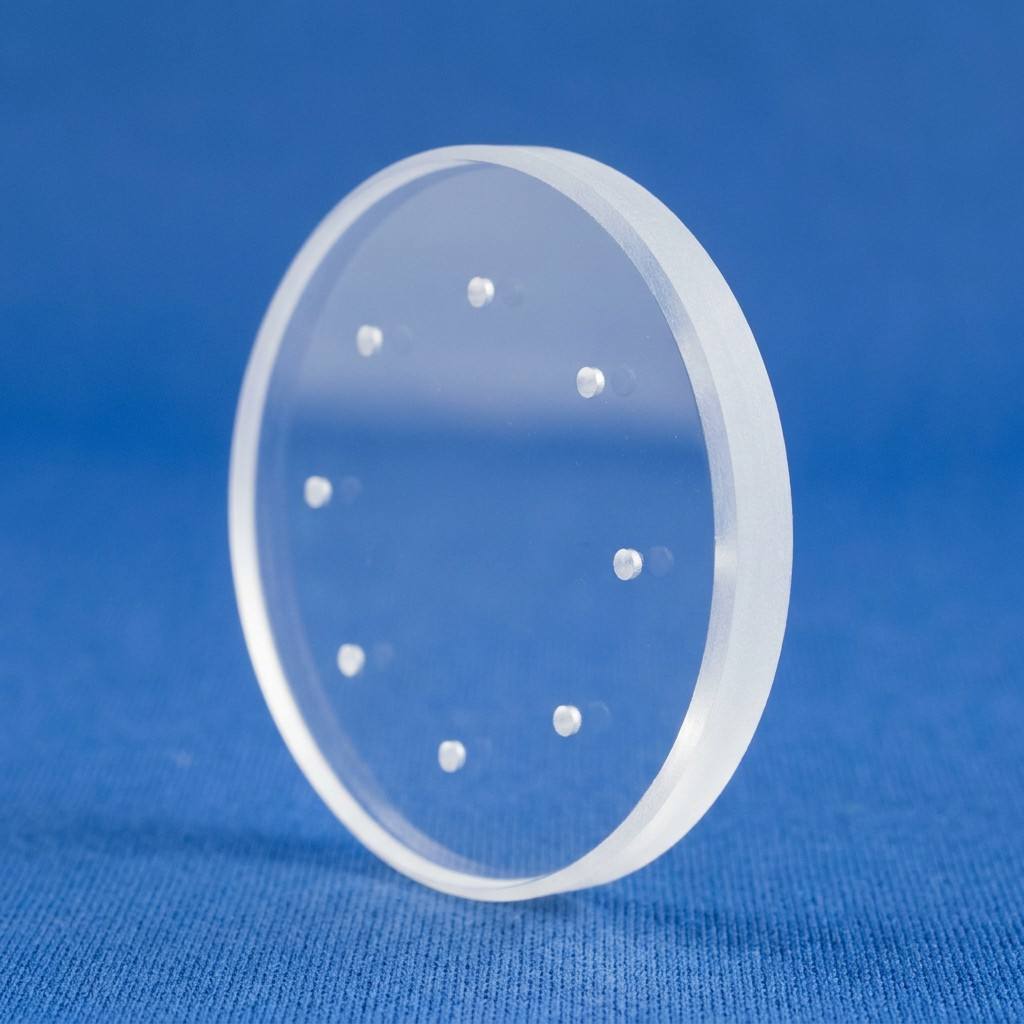
CNC Machined Quartz Plate Fused Silica Complex Shape Custom Size
View Specifications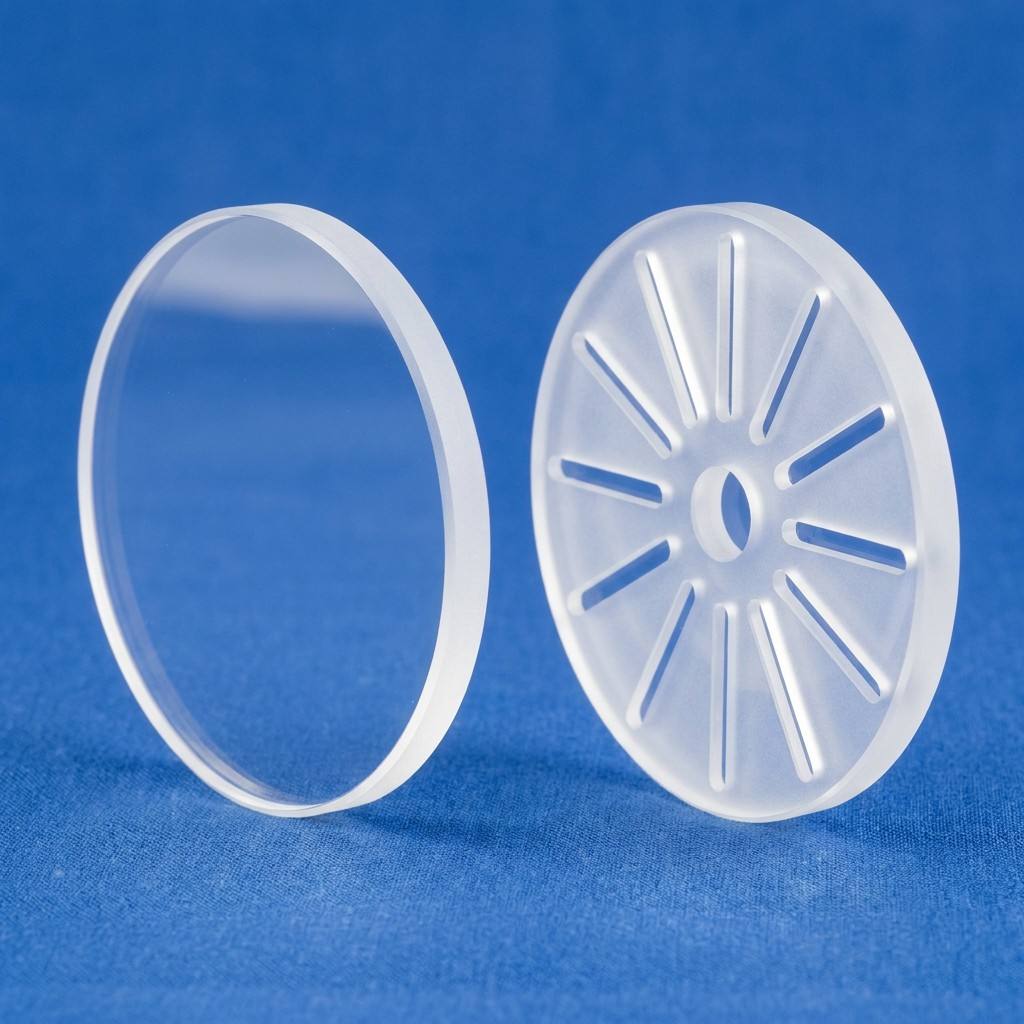
Ultra Thin Quartz Plate 0.3mm 0.5mm Fused Silica Optical Grade Clear
View Specifications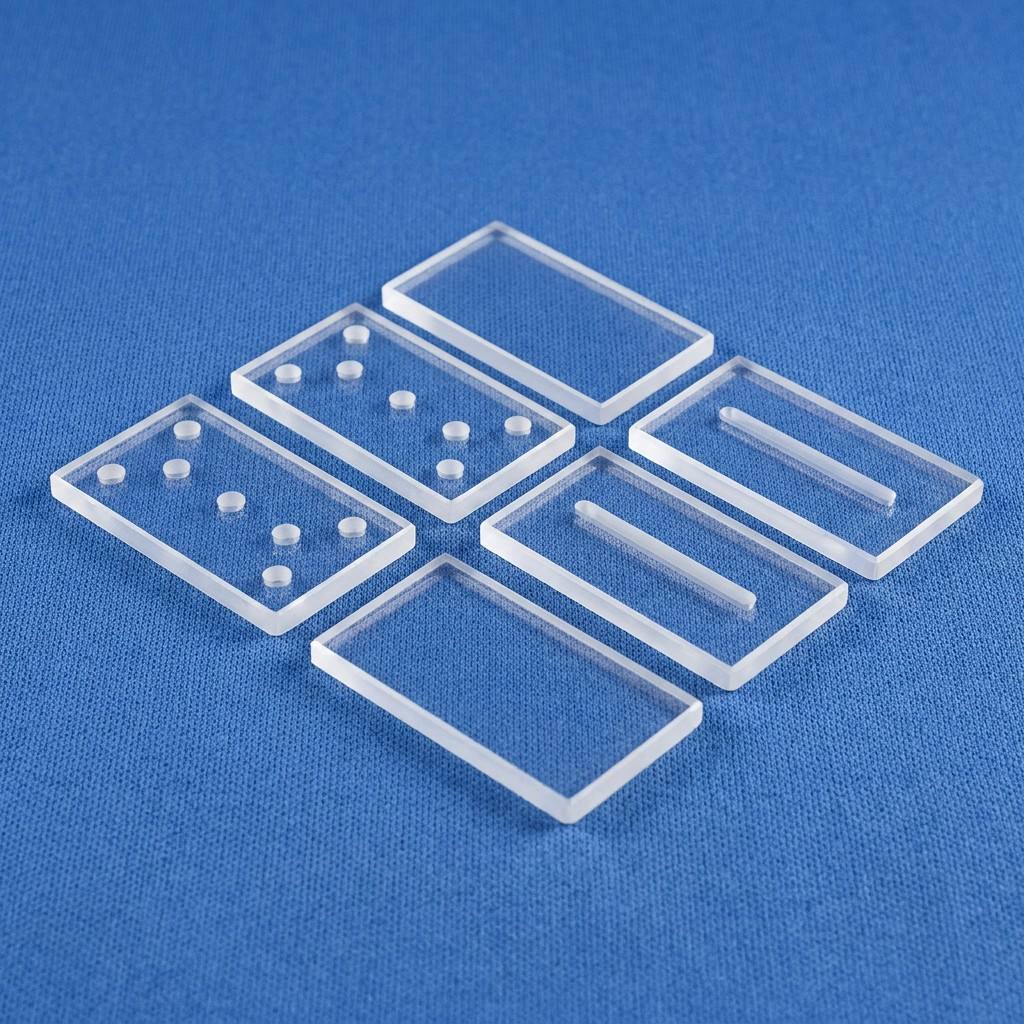
Quartz Glass Sheet 10mm 20mm 30mm Thick Fused Silica Heat Resistant
View SpecificationsPrecision Quartz Capillary Tubing: Metallurgy, Material Science, and Engineering Purity
A rigorous examination of high-purity synthetic and natural fused silica capillaries for analytical chemistry, high-temperature sight channels, microfluidics, and agricultural export testing.
Material Morphology & Thermal Kinetics of Fused Quartz
Fused silica and high-purity quartz capillary tubes represent the zenith of vitreous glass technology. Unlike standard borosilicate tubing, quartz capillary is fabricated through the continuous high-temperature thermal fusion of natural quartz crystals or synthetic silicon tetrachloride (SiCl4). At VEZLO Quartz, situated in Donghai County—the epicenter of China's quartz refining cluster—our drawing processes preserve the extreme silicon dioxide purity (SiO2 ≥ 99.99%) that modern industrial buyers demand.
Thermal stability is dictated by an exceptionally low coefficient of thermal expansion (5.5 × 10⁻⁷ /°C between 20°C and 320°C). This allows micro-capillary glass tubes, optical flow cells, and thermal protection sleeves to endure drastic temperature swings—such as being pulled from a 1,100°C furnace core into room-temperature ambient conditions—without developing structural micro-fractures, stress birefringence, or geometric warping.
Critical Specification Indicator: For analytical laboratories and process engineers in northwestern Cambodia, standard glassware often fails due to thermal-shock fatigue or chemical leaching under high tropical ambient humidity. VEZLO’s electric-arc drawn quartz capillary tubes offer zero hydrolytic leaching, making them chemically inert across the pH spectrum, excluding only hydrofluoric acid and concentrated phosphoric acid at elevated temperatures.
The internal bore uniformity of precision capillary tubing is paramount. Our modern high-draw towers utilize laser-guided interferometric gauges that continuously monitor both the outer diameter (OD from 0.5 mm up to multi-millimeter dimensions) and the inner bore diameter (ID down to 50 microns or customized to millimeter spans), guaranteeing wall concentricity within ±1.5% of specified tolerances. This level of dimensional consistency prevents chromatographic baseline wander, turbulent flow in microfluidic analyzers, and focal drift in optical detection cells.
| Performance Characteristic | Test Standard / Value | Operational Significance for Cambodian Processors |
|---|---|---|
| Chemical Purity (SiO₂) | ≥ 99.99% (HP Grade ≤ 20 ppm Metals) | Eliminates heavy metal contamination during chromatographic inspection of jasmine rice & agro-exports. |
| Operating Temperature | 1,100°C (Continuous), 1,280°C (Peak) | Supports high-temperature furnace tubes, thermal pyrolysis units, and biomass exhaust monitoring. |
| Softening Point | ≈ 1,683°C | Ensures dimensional rigidity and vacuum stability during glassblowing and torch welding processes. |
| Annealing Point | ≈ 1,215°C | Relieves residual internal stress after laser cutting, profile tapering, or terminal flange joining. |
| Spectral Transmission | UV Grade: >90% at 254 nm; Optical: 190–2500 nm | Essential for UV germicidal sterilization sensors, HPLC absorbance detectors, and laser sight windows. |
| Thermal Expansion (CTE) | 5.5 × 10⁻⁷ cm/cm·°C | Near-zero expansion eliminates thermal-shock breakage in sudden ambient temperature cycles. |
Localized Application Scenarios in the Battambang Industrial Ecosystem
As the primary economic and agricultural engine of Northwestern Cambodia, Battambang is undergoing rapid technological upgrading across rice milling, food processing, water treatment, and light manufacturing.
Agro-Inspection & Rice Quality Chromatography
Battambang is globally renowned as Cambodia’s "Rice Bowl." With the province aggressively scaling international exports of Phka Rumduol jasmine rice to European and Chinese markets, local testing facilities must meet stringent phytosanitary criteria.
Our ultra-pure fused quartz capillary tubes, GC inlet liners, and HPLC flow cells serve as the baseline physical consumable for analyzing pesticide residues, mycotoxins (aflatoxin), and heavy metals without background chromatographic noise.
- Zero trace background metal contamination (<20 ppm)
- Precision uniform internal bore prevents solvent eddy
- High thermal endurance in gas chromatograph ovens
Municipal & Sangkae River Water Quality Testing
Industrialization along the Sangkae River basin requires rigorous environmental governance. Water treatment plants, beverage bottling plants, and municipal facilities in Battambang utilize UV spectrophotometry for rapid pollutant tracking.
VEZLO Quartz capillary flow cells and protective sleeves offer UV-grade transmission down to 190 nm, enabling optical monitoring of chemical oxygen demand (COD), nitrates, and dissolved organic carbon without optical degradation.
- Deep-UV transparency (>88% transmittance at 200 nm)
- Impermeable to bio-fouling and chemical corrosion
- Laser-micro-machined smooth bore ends
Agro-Biomass Boilers & Thermal Drying Sight Glass
Modern rice processing and drying mills across Battambang are rapidly transitioning to high-efficiency biomass gasifiers and husk-fired thermal drying setups to lower operational energy costs and improve drying consistency.
These intense combustion atmospheres generate corrosive flue gases and high thermal gradients that immediately crack borosilicate glass. Our heavy-wall fused silica capillary tubes and viewports withstand continuous 1,100°C furnace exposure.
- Immunity to thermal shock from external cold splashes
- Mechanical resistance to abrasive particulate ash
- Pressure-rated viewports for sealed combustion chambers
Industrialization Trends: Northwestern Cambodia’s Technological Evolution
A strategic analysis of infrastructure expansion, cross-border economic corridors, and laboratory modernization shaping quartz component demand in Battambang.
1. Modernization Along National Road 5 & The GMS Corridor
The rehabilitation and expansion of Cambodian National Road 5 (NR5) connecting Phnom Penh through Battambang to the Thai border crossing at Poipet has radically converted Battambang into a critical multimodal logistics nexus under the Greater Mekong Subregion (GMS) framework.
This connectivity has drawn light assembly plants, electronic component packaging, and specialized agro-biotech facilities into the Battambang industrial perimeter. Rather than importing low-grade glassware via secondary trading channels in Bangkok or Ho Chi Minh City, enterprise buyers now seek direct factory ties with Chinese manufacturers to lock in verified mill-test certificates, stable wholesale pricing, and consistent replenishment schedules.
2. Rise of ISO/IEC 17025 Accredited Laboratories
Cambodian export requirements are becoming stringent. Major foreign trading partners in North America, the European Union, and East Asia enforce strict chemical, residual chemical fertilizer, and biological contaminant ceilings on rice, cassava starch, and dried mango exports.
Local Battambang testing organizations, university research laboratories (such as those associated with the University of Battambang), and private quality-assurance hubs are migrating toward ISO/IEC 17025 accreditation. This transition renders standard commercial glass unacceptable; laboratories strictly mandate pure fused quartz capillaries, spectrophotometric cuvettes, and vacuum manifolds that guarantee zero analyte cross-contamination.
Why Battambang Importers Partner with VEZLO Quartz
Integrated supply chain security from high-purity natural silica deposits to final optical finishing at our Donghai production headquarters.
Cluster Origin Advantage
Stationed in Donghai County ("China's Quartz Capital"), we control raw material selection from high-purity silica sand (metals ≤20 ppm) to ensure zero crystalline inclusions or airlines in our capillary tubing.
Provincial & National R&D
Our 320 mm high-purity tube was recognized as a Jiangsu Provincial S&T Project, and our newly industrialized 520 mm large-diameter furnace tube has passed national new-product review.
Rapid Engineering Reply
Technical drawings, CAD files, and bespoke bore tolerances are evaluated within an average response window of under 2 hours, ensuring seamless project timelines for Cambodian teams.
Shock-Proof Export Packing
Capillaries and delicate sheets are individually isolated in high-density pearl cotton, sealed against tropical moisture, and cased in fumigation-free wooden crates certified for ocean and air transit.
Frequently Asked Questions for Battambang Importers
Direct answers addressing customs procedures, tropical climate protection, logistics routes, and technical specifications for sourcing quartz products from China into Cambodia.