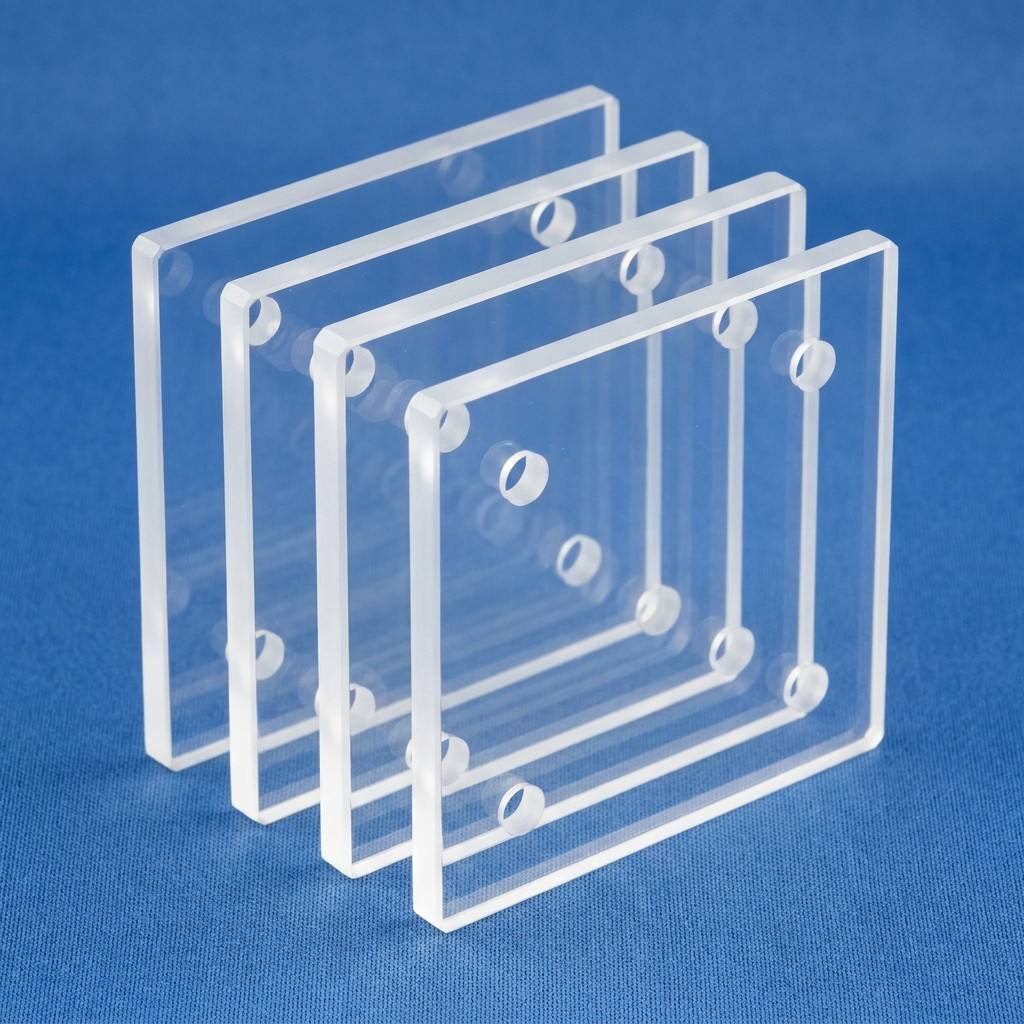
Featured OEM Quartz Glassware Components
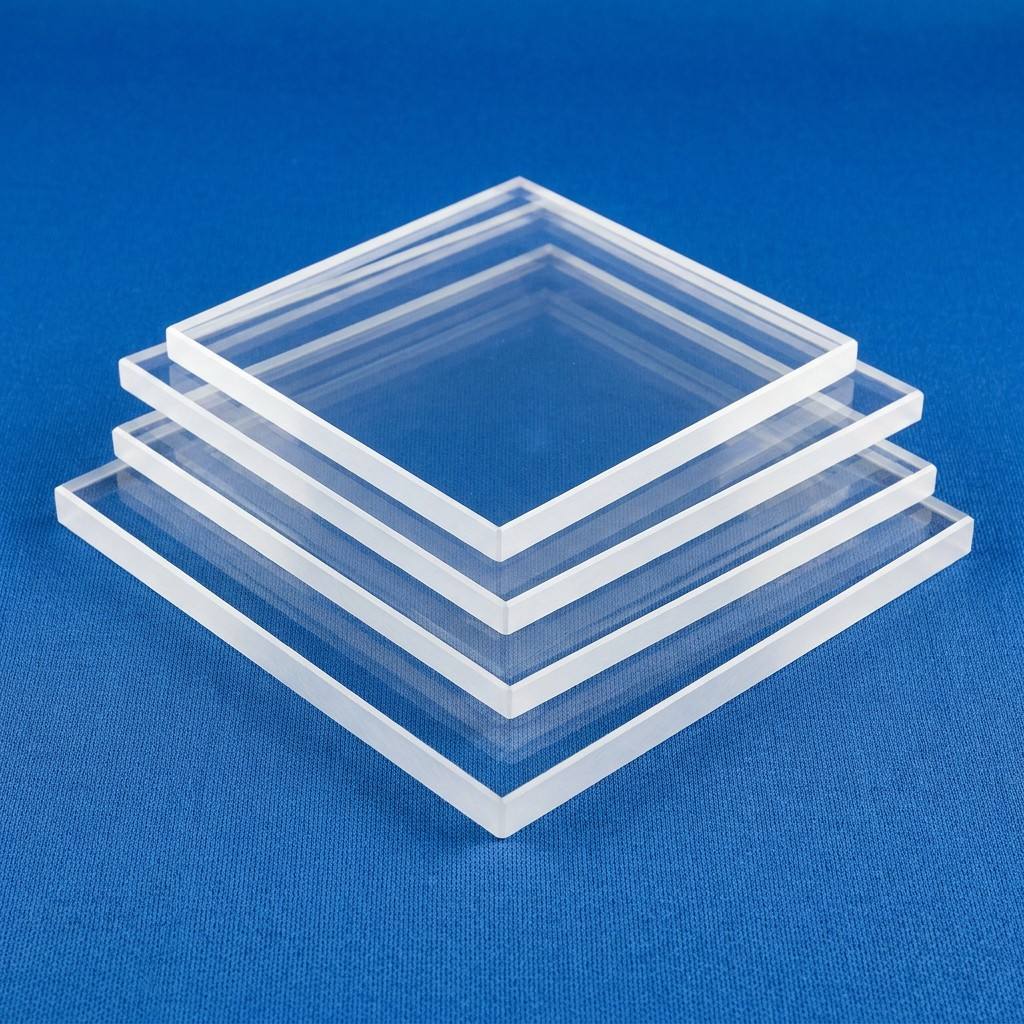
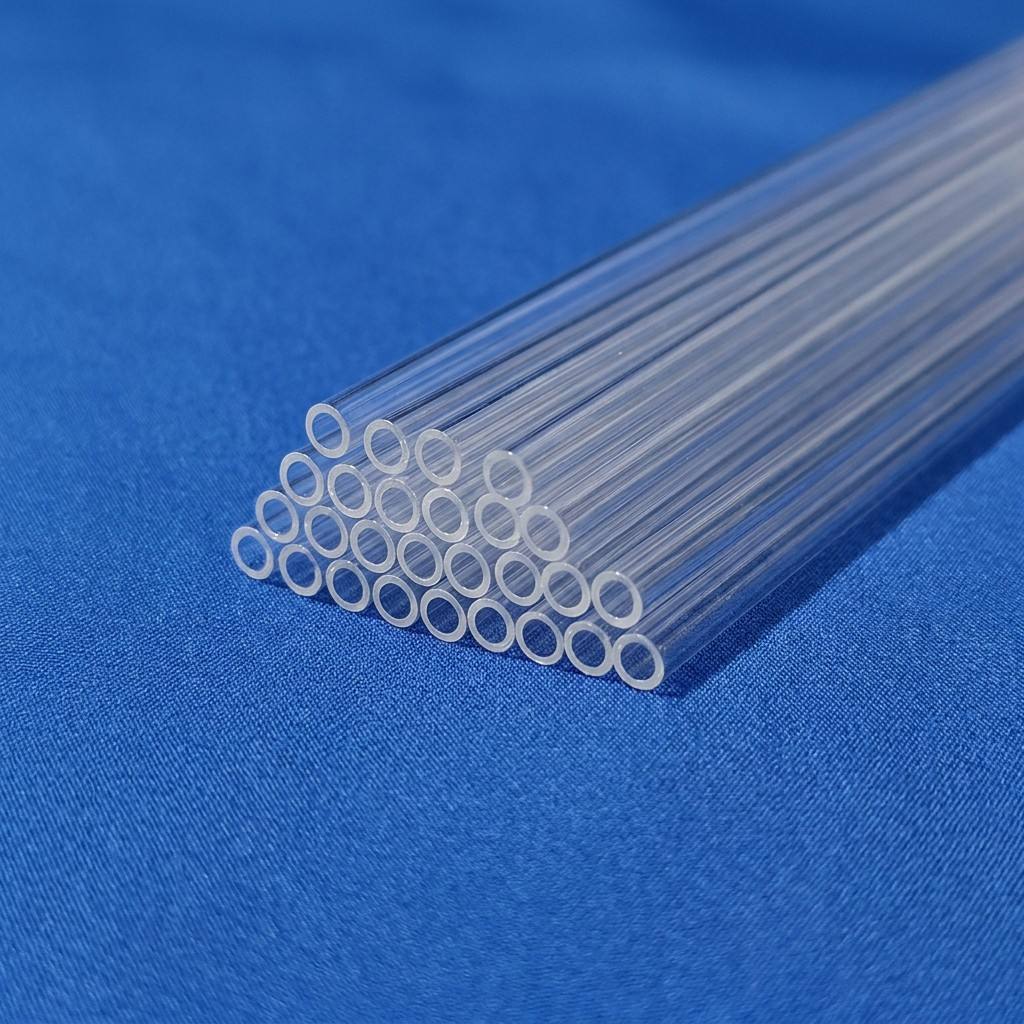
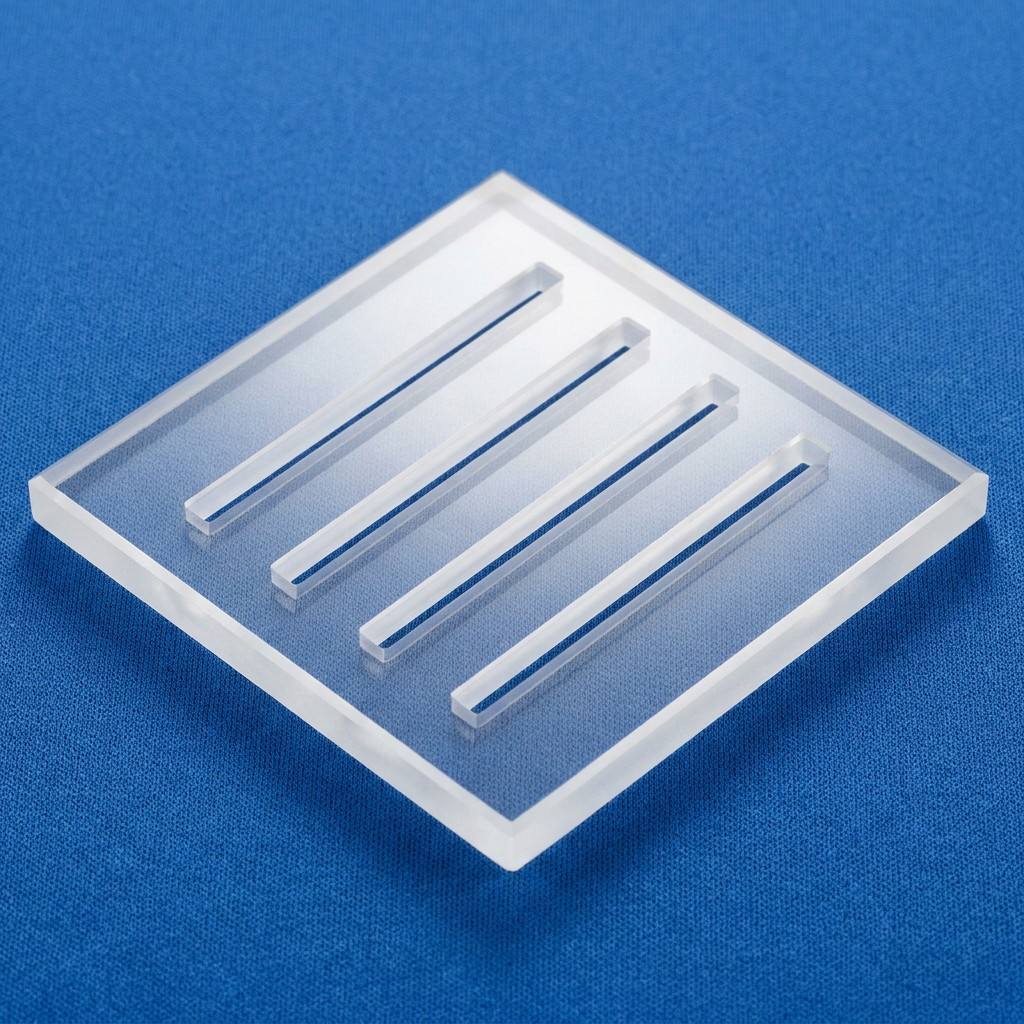
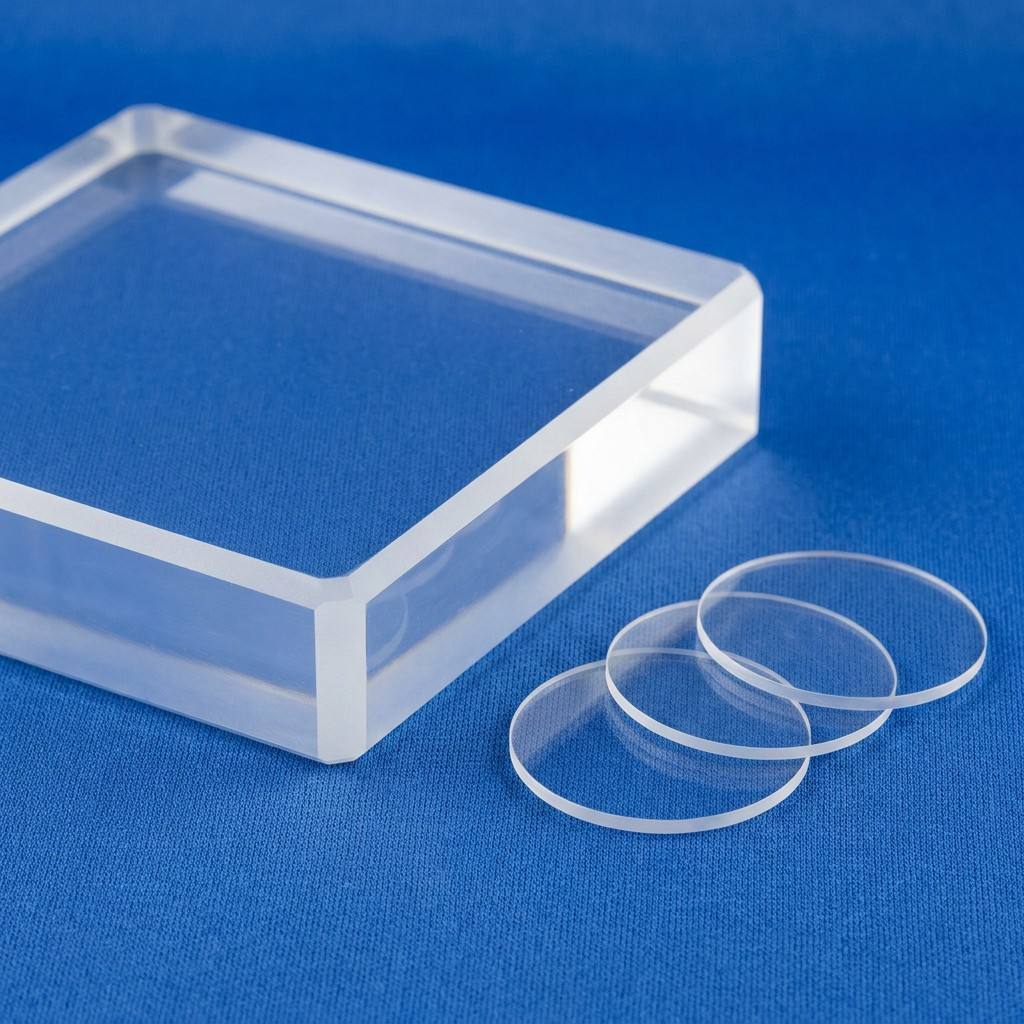
Direct-from-factory optical windows, observation viewports, precision-bore tubes, and fabrication blanks designed to withstand continuous operating temperatures up to 1,100°C.


≥ 99.99%
High Purity Grade SiO₂ Content
2–520mm
Custom Diameter Tube Capabilities
≤ 2h
Technical Engineering Inquiries Turnaround
1,100°C
Continuous Safe Thermal Operation Limit
Engineering Fused Quartz Solutions for Kawasaki's Industrial Corridors
Kawasaki occupies an indispensable geographic and technical nexus within the Keihin Industrial Region (Keihin Kōgyō Chitai). Stretching along Tokyo Bay between Tokyo and Yokohama, Kawasaki's coastal districts—such as Kawasaki-ku, Mizue-cho, Ogishima, and the advanced research parks of Shin-Kawasaki (K2 Town Campus)—harbor some of Japan's most demanding high-tech semiconductor fabs, petrochemistry cracking centers, and photonics testbeds. For engineering procurement directors and cleanroom facility managers across Kawasaki, sourcing high-spec quartz glassware is never merely a matter of buying catalog products; it requires tight dimensional tolerance management, trace element control, and superior resistance to cyclic thermal shock.
As a premier custom OEM quartz glassware manufacturer, we supply precision-machined fused quartz and synthetic fused silica components tailored specifically to the production dynamics of Kawasaki's industrial landscape. From ultra-pure furnace tubes reaching up to 520 mm in diameter for silicon wafer oxidation processes to high-pressure quartz sight viewports installed inside complex chemical synthesis columns along the Tama River mouth, our components guarantee process stability under extreme thermal, chemical, and atmospheric stress.
Unlike conventional borosilicate glass, our pure fused quartz exhibits an exceptionally low linear coefficient of thermal expansion (α = 5.5 × 10⁻⁷ /°C). This structural stability enables optical sight glasses, beveled laboratory wafers, and plasma etch rings to endure instant temperature shifts exceeding 1,000°C without micro-fracturing or catastrophic failure. When deployed in Kawasaki's advanced microelectronics cleanrooms or clean-energy R&D centers, our certified ultra-low metallic impurity levels (≤ 20 ppm total conventional metals) protect wafers against heavy metal ionic migration (Fe, Cu, Ni, Na), preventing process drift and maintaining high wafer fabrication yields.
Industrial Application Scenarios in Kawasaki
Engineered to integrate seamlessly with the Keihin Industrial Area's core technological hubs, from vacuum lithography to coastal petrochemical analysis.
Semiconductor Diffusion & LPCVD Furnaces
In high-density wafer fabrication plants situated near Shin-Kawasaki and Saiwai-ku, our large-diameter fused quartz diffusion tubes (OD 200 mm to 520 mm), quartz boats, and slotted substrate holders ensure pristine wafer staging during LPCVD, wet oxidation, and annealing at temperatures above 1,150°C with zero devitrification risks.
High-Pressure Coastal Petrochemical Viewports
Across the expansive petroleum and polymer cracking facilities in Kawasaki's waterfront district (Kawasaki-ku), process visual inspection requires high-pressure quartz observation windows. Fabricated to strict JIS B8286 and ASME safety factors, these windows resist extreme chemical attack from acidic off-gases, sulfuric condensates, and pressurized steam.
Deep-UV Photolithography & Laser Optics
For photonics laboratories and metrology toolmakers in Kawasaki Science Park (KSP), we deliver UV-grade synthetic fused silica plates with optical surface flatness of λ/4 to λ/10. These components provide over 90% transmission down to 193 nm, eliminating wavefront distortion in excimer laser steering and optical beam splitting.
Emerging Quartz Sourcing Trends Across Kanagawa Prefecture
The manufacturing ecosystem across Kawasaki and greater Kanagawa is currently navigating three structural paradigm shifts that directly dictate technical glassware requirements:
1. Power Semiconductor Scaling (SiC & GaN)
Kawasaki's electronics cluster is aggressively investing in wide bandgap (WBG) power devices for automotive electrification. Processing silicon carbide requires epitaxy and sintering steps exceeding 1,500°C, sparking surging demand for thermal-stabilized fused quartz crucibles and zero-bubble protective bell jars.
2. Hydrogen & Carbon Neutral Infrastructure
As part of the Kawasaki Waterfront Carbon Neutral Port initiative, pilot facilities are testing hydrogen fuel cracking and ammonia combustion systems. Viewports and combustion observation chambers necessitate quartz plates capable of sustaining hydrogen permeation resistance without optical clouding.
3. Rapid Prototyping & On-Demand OEM Machining
R&D cycles in Japanese high-tech sectors have accelerated. Procurement teams increasingly reject rigid 12-week minimum batch constraints, actively partnering with direct-from-source manufacturers capable of executing custom CNC milling, ground-joint flanging, and fire-polishing within agile delivery windows.
By bridging direct-source mineral refining with Japanese precision drawing tolerances, our manufacturing facility satisfies both the technical stringency and the agile lead-time demands required by modern Japanese fabrication engineers.
Fused Quartz vs. Alternative Technical Glasses
Quantitative baseline properties for materials selection engineers evaluating chamber viewports, reaction vessels, and furnace liners.
| Key Property / Metric | High-Purity Fused Quartz (Our Standard) | Synthetic Fused Silica (UV Grade) | Borosilicate Glass 3.3 (Pyrex Equivalent) | Why This Matters in Critical Processes |
|---|---|---|---|---|
| Purity (SiO₂ Content) | ≥ 99.99% | ≥ 99.9999% | ≈ 81% | Borosilicates contain B₂O₃ and Na₂O which outgas and ruin cleanroom furnace environments. |
| Linear Thermal Expansion (α) | 5.5 × 10⁻⁷ /°C | 5.0 × 10⁻⁷ /°C | 33 × 10⁻⁷ /°C | Low expansion prevents cracking under thermal shock during sudden chamber heating/quenching. |
| Max Continuous Service Temp | 1,100°C | 1,150°C | 450°C–500°C | Quartz handles high-temperature diffusion, CVD, and combustion without deforming or softening. |
| Softening Point | ≈ 1,683°C | ≈ 1,730°C | ≈ 820°C | Guarantees dimensional integrity inside intense furnace cores and torch flame environments. |
| Spectral Transmission Window | 260 nm – 2,500 nm | 185 nm – 2,500 nm (Deep UV) | 350 nm – 2,000 nm | Synthetic silica ensures high transmittance for deep-UV excimer laser exposure tools. |
| Resistance to Hydrofluoric Acid (HF) | Poor (Attack by HF & Hot H₃PO₄) | Poor (Dissolved by fluorides) | Poor (Attacked by fluorides) | Fundamental to all silicate glasses; requires specialized PTFE or sapphire handling if HF is present. |

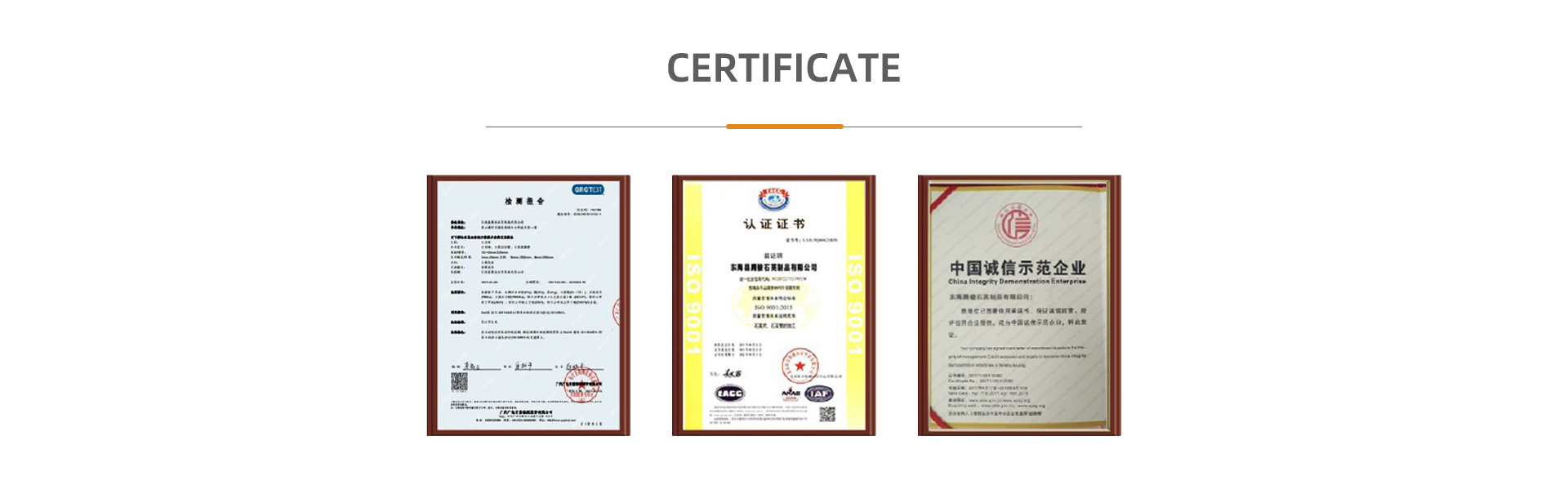
Enterprise Manufacturing Advantages
Combining raw material sovereignty in the world's quartz capital with state-certified research and precision glassworking craft.
Raw Material Upstream Control
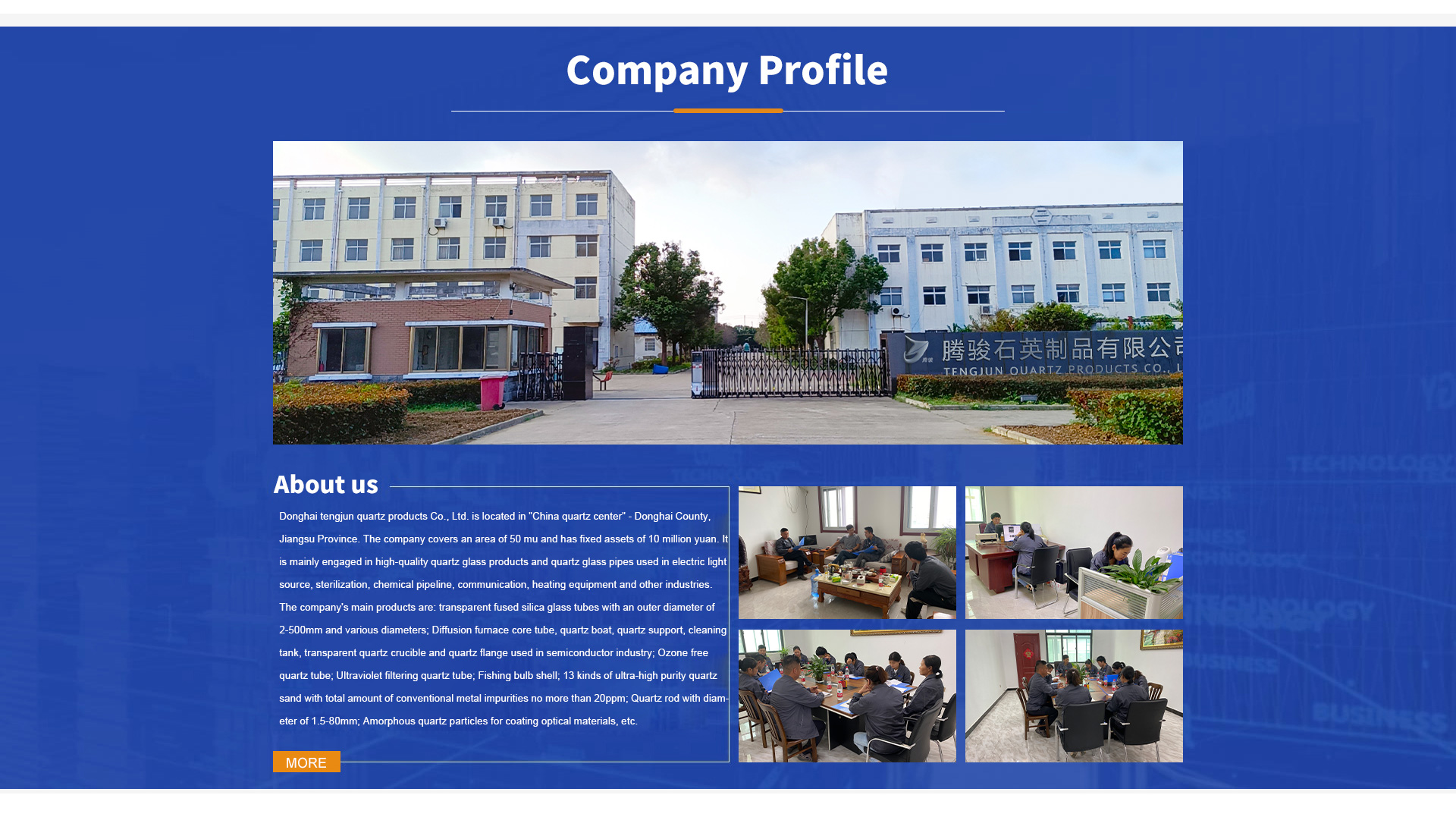
Operating a 50-mu (33,000 m²) facility in Donghai—China's quartz capital—we refine our own high-purity quartz sand across 13 proprietary grades with total metal impurities ≤ 20 ppm, ensuring zero melt inclusions.
Provincial Science & Technology Credential
Our 320 mm high-purity quartz tube for integrated circuits was certified under the Jiangsu Provincial S&T Support Project, while our 520 mm large-diameter tube completed national new product reviews for next-generation wafer lines.
Precision CNC & Flame Craft
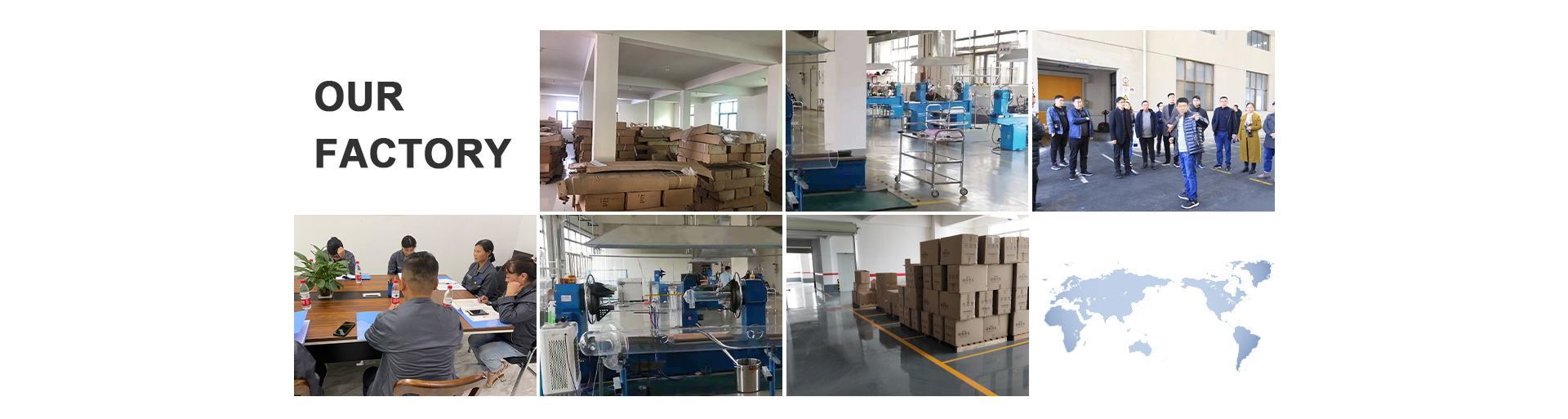
From OD 2 mm capillary lines to OD 500 mm+ industrial furnace vessels, our workshops execute center-hole trepanning, optical double-side bevel polishing, ground-joint flanging, and fire-polishing according to ISO and JIS blueprints.
Export Packing & Responsive Support
With an average engineering inquiry response time under 2 hours and custom fumigation-free shockproof timber boxing, we ensure high-precision glassware arrives intact directly at Kawasaki and Yokohama logistics ports.
Frequently Asked Questions for Kawasaki Procurement
Addressing quality validation, import logistics, chemical tolerances, and dimensional verification for Japanese buyers.
How do you ensure bubble-free optical clarity for laser windows and viewports?
All optical-grade fused silica plates and high-pressure viewport disks undergo strict classification under ISO 10110 standards for bubbles and inclusions. Our raw quartz crystal feeds undergo vacuum electric melting and secondary hydrogen-oxygen flame refining to eliminate micro-seed inclusions and airlines. Every finished piece is laser-inspected with polarization stress equipment to verify low birefringence and zero internal bubble clustering before export to Japan.
Can you manufacture custom-drilled or beveled quartz plates according to CAD drawings?
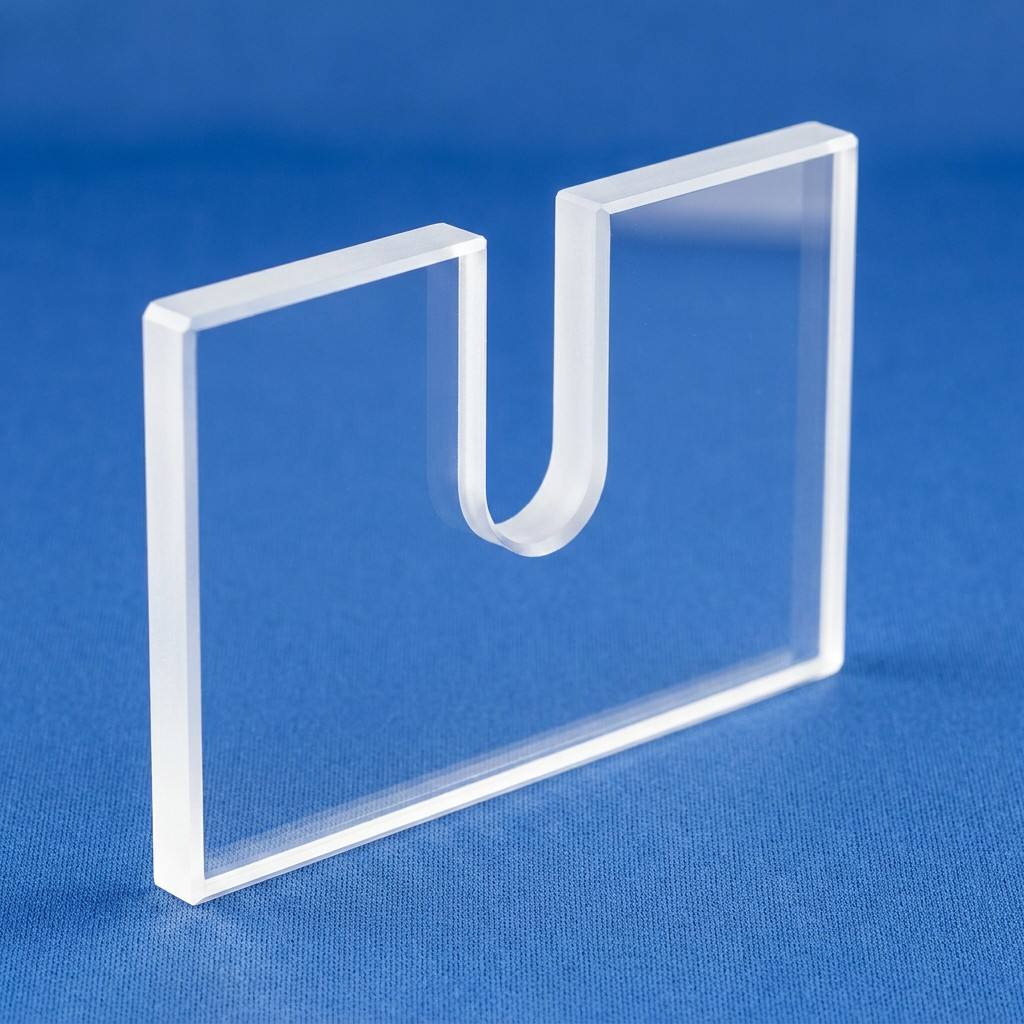
Yes. Our cold-processing machining lines include 5-axis ultrasonic CNC centers, diamond core drill trepanners, and double-side planetary lapping machines. We routinely fabricate center-hole quartz disks, step-flanged viewports, notched inspection discs, and beveled peripheral edges with dimensional tolerances down to ±0.05 mm and surface roughness down to Ra < 0.5 nm (optical grade polish).
What are the typical lead times and customs handling for deliveries into Kanagawa Prefecture?
Standard prototype custom samples typically dispatch within 7 to 10 working days. For scheduled production orders delivered into the Keihin industrial logistics terminals (Port of Kawasaki / Port of Yokohama or Tokyo Haneda Air Cargo), transit via express sea or priority air freight typically requires only 3 to 6 days. All consignments are accompanied by standard commercial invoices, packing lists, Mill Test Certificates (COA), and certificate of origin documents for frictionless Japanese Customs clearance.
How does your fused quartz perform in chlorine, ozone, or acidic chemical scrubbers?
Fused quartz demonstrates exceptional chemical passivity across all industrial acids, including high-concentration hydrochloric (HCl), nitric (HNO₃), and sulfuric (H₂SO₄) acids, as well as aggressive halogens like bromine and chlorine gas up to elevated temperatures. The only chemical reagents that will degrade fused quartz are hydrofluoric acid (HF) and hot concentrated phosphoric acid (>150°C). This makes our quartz pipes, tanks, and viewports the ideal choice for exhaust abatement and chemical scrubbers in Kawasaki's coastal chemical plants.
What packaging protections do you utilize to avoid breakage during transit?
Given the brittle nature of precision technical glassware, our export logistics protocol utilizes multi-stage protection: individual cleanroom vacuum sealing or protective film, high-density polyethylene (EPE) shock-absorbing foam lining cut to exact part geometries, and heavy-duty triple-wall corrugated outer cartons or reinforced export plywood crates compliant with ISPM 15 standards. This guarantees zero impact vibration failure.