Specialized Fused Quartz Glass & Optical Substrates
Manufactured from refined natural crystalline silica and synthetic chemical vapor precursors, our quartz components deliver structural integrity, exceptional thermal shock endurance, and optical transparency for high-temperature and vacuum applications in Central Norway.


High Purity Quartz Sand: Purity Grades, Morphology & Elemental Thermodynamics
A rigorous examination of ultra-trace elemental contamination, crystalline-to-amorphous phase transformation, and batch ICP-MS verification for European metallurgical and wafer processing standards.
Trace Elemental Limits < 20 ppm
The industrial usability of High Purity Quartz Sand (HPQ) within the Trøndelag research corridor hinges on precise limits of interstitial and substitutional impurities. Alkali metals (Li, Na, K) act as high-temperature fluxing agents that catalyze cristobalite devitrification at temperatures above 1,150°C. Transition metals (Fe, Cr, Ni, Co) induce optical absorption bands and carrier recombination centers within photovoltaic silicon melts. Our 13 standard sand classifications undergo multi-stage optical sorting, hot acid leaching, and vacuum thermal chlorination to ensure conventional metallic burdens remain strictly below 20 ppm, with elite microelectronic grades achieving sub-8 ppm purity.
Thermal Shock & Structural Creep Resistance
Vitreous silica displays an exceptionally low mean coefficient of thermal expansion (α = 5.5 × 10⁻⁷ /°C between 20°C and 1,000°C), outperforming borosilicate glass by an order of magnitude. When deployed in thermal diffusion furnaces, rapid thermal processing (RTP), or induction-driven crucible melts, our fused quartz profiles withstand continuous service temperatures of 1,100°C and intermittent thermal excursions up to 1,300°C. High structural viscosity at elevated temperatures suppresses dimensional sagging in large-bore tubes and eliminates catastrophic failure during liquid nitrogen quenching cycles typical of cryogenic lab research.
Particle Morphology & Grain Distribution
For crucible fabrication, thermal spray coatings, and polysilicon synthesis, grain morphology dictates melt dynamics and gas entrapment. Our engineered high-purity quartz sand features controlled particle size distribution (ranging from 100 to 300 mesh, or custom 75–425 μm fractions) characterized by high angularity and minimized micro-fluid inclusions. This granular uniformity guarantees homogeneous heat transfer across the electric arc melting front, preventing internal micro-voids, bubbles, and airline defects in downstream fused silica boules, crucibles, and optical plates.
| Material Property | Reference Value | Test Standard / Protocol | Operational Engineering Significance |
|---|---|---|---|
| Silicon Dioxide (SiO₂) Purity | ≥ 99.995% to 99.999% | ISO 15350 / GD-MS Analysis | Prevents elemental back-diffusion into high-resistivity silicon ingots. |
| Total Conventional Metallic Impurities | ≤ 20 ppm (Ultra-Pure ≤ 8 ppm) | ICP-MS (Inductively Coupled Plasma) | Inhibits alkali-driven high-temperature devitrification into cristobalite. |
| Coefficient of Thermal Expansion (α) | 5.5 × 10⁻⁷ cm/cm · °C | ASTM E228 (20°C – 1000°C) | Immune to extreme thermal gradients; safe water quenching from red heat. |
| Softening Point / Annealing Point | 1,683 °C / 1,215 °C | ASTM C338 / Fiber Elongation | Establishes precise thermal operating thresholds for vacuum oxidation furnaces. |
| Hydroxyl Radical [OH⁻] Concentration | < 5 ppm to < 30 ppm | FTIR Infrared Spectrometry | Low OH content prevents bubble blistering and structural sagging at >1000°C. |
| Refractive Index (n₄ at 589.3 nm) | 1.4585 | Abbe Refractometry @ 20°C | High optical dispersion uniformity for laser viewports and subsea vision optics. |
| Dielectric Strength (20°C, 1 MHz) | 25 – 40 kV/mm | ASTM D149 / Short-time test | Premium RF transparency for plasma etch chambers and microwave guides. |
Engineered Applications in Trondheim’s High-Technology Corridor
From the cutting-edge semiconductor cleanrooms at NTNU NanoLab to Central Norway’s metallurgical silicon foundries and the marine autonomy clusters along Trondheimsfjorden, high-purity quartz constitutes a non-negotiable critical material.
NTNU NanoLab & SINTEF Microfabrication
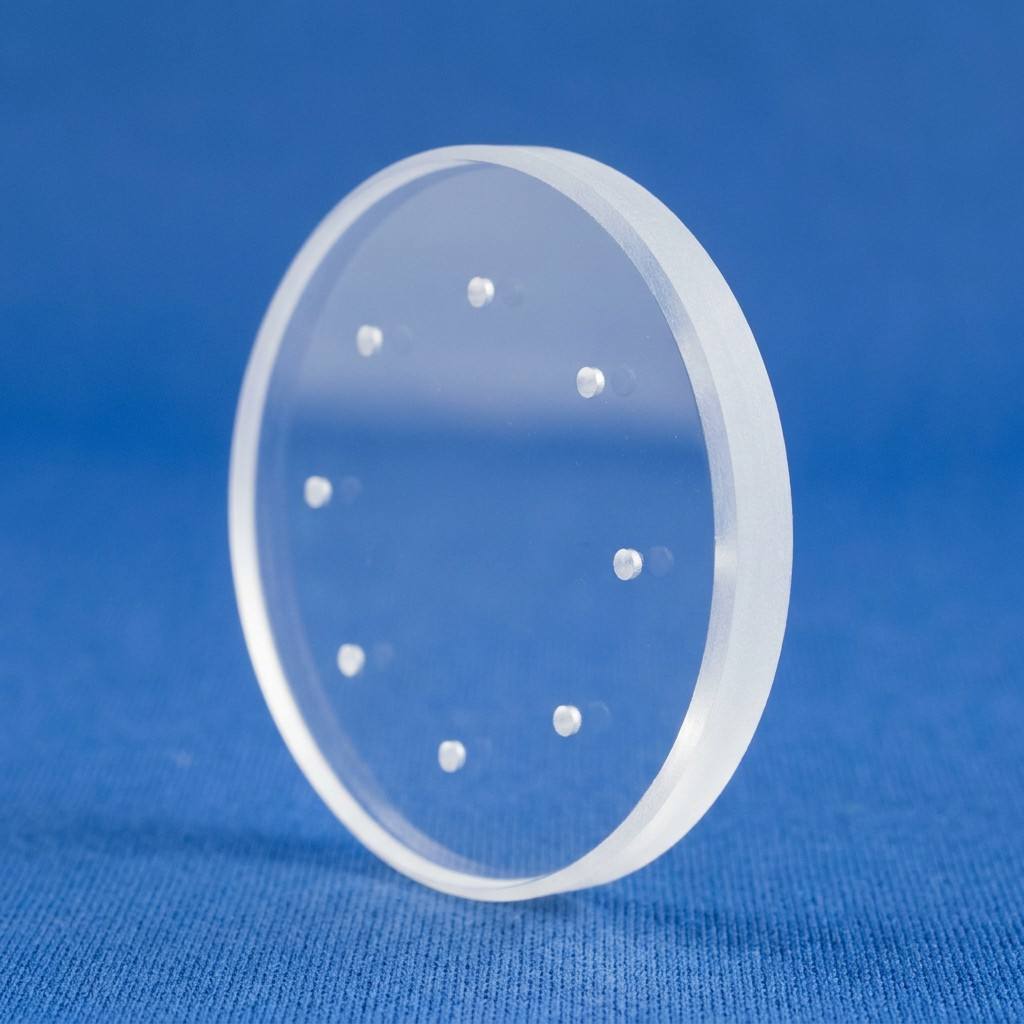
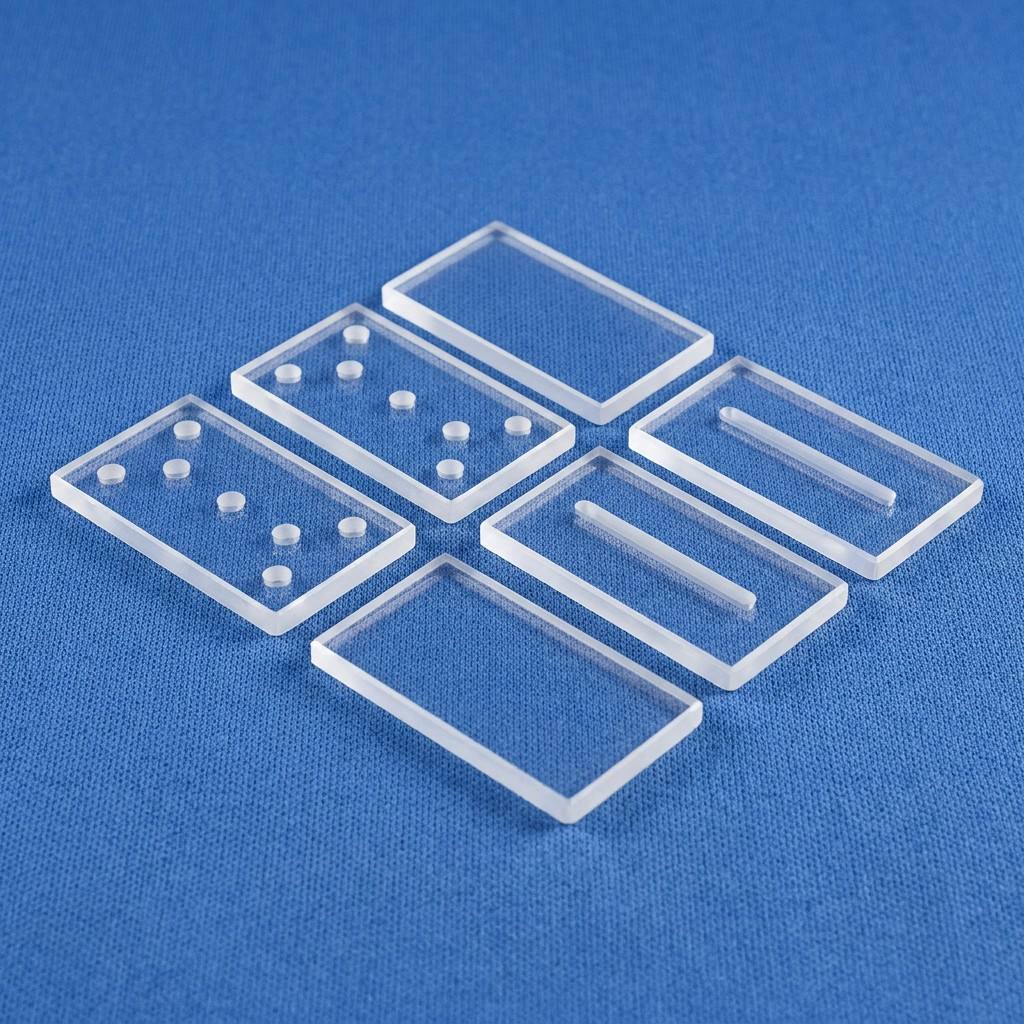
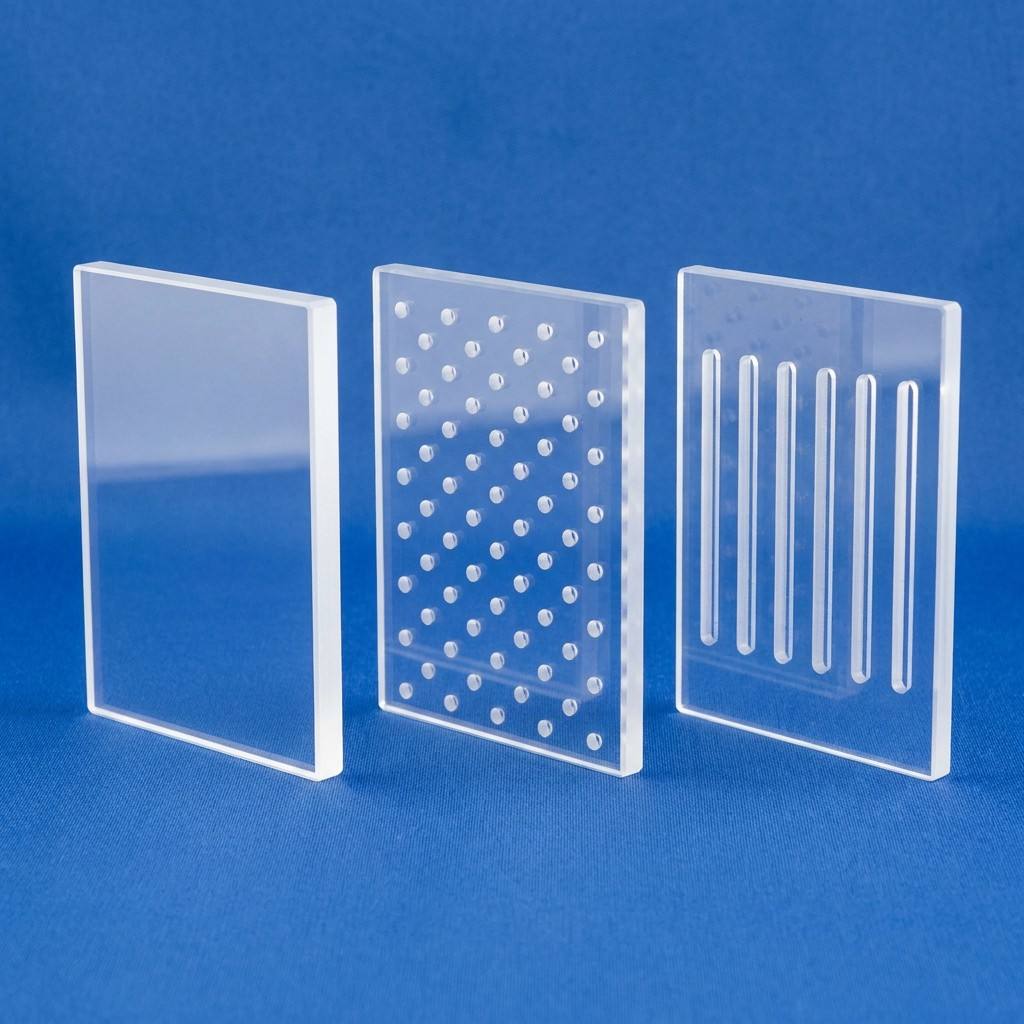
Trondheim hosts world-class research institutes leading European micro- and nanotechnology initiatives. Our semiconductor-grade quartz substrates, wafer carriers (quartz boats), multi-hole drilled plates, and LPCVD process tubes provide chemical inertness inside hydrofluoric/nitric acid wet benches and survive relentless halogen plasma chemistry without introducing mobile ion contamination.
Solar Photovoltaic Ingot Pulling & Metallurgy
The Trøndelag and wider Norwegian metallurgical cluster has long served as a continental benchmark for low-carbon silicon production. High-purity quartz sand is the fundamental feedstock for electric-arc fused quartz crucibles utilized in Czochralski (Cz) mono-crystalline ingot pulling. Low boron and phosphorus levels ensure targeted electrical resistivity in next-generation N-type TOPCon and heterojunction (HJT) wafers.
Trondheimsfjorden Subsea Optical Viewports
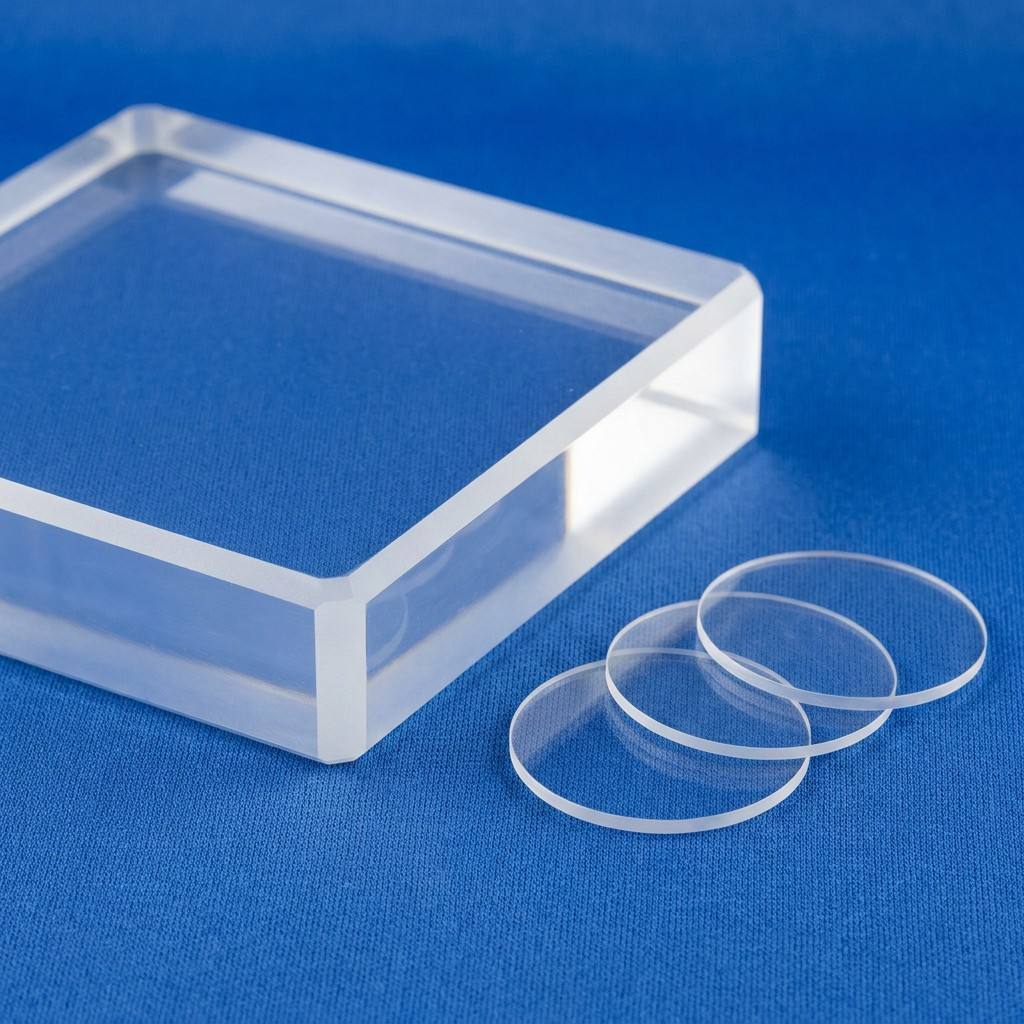
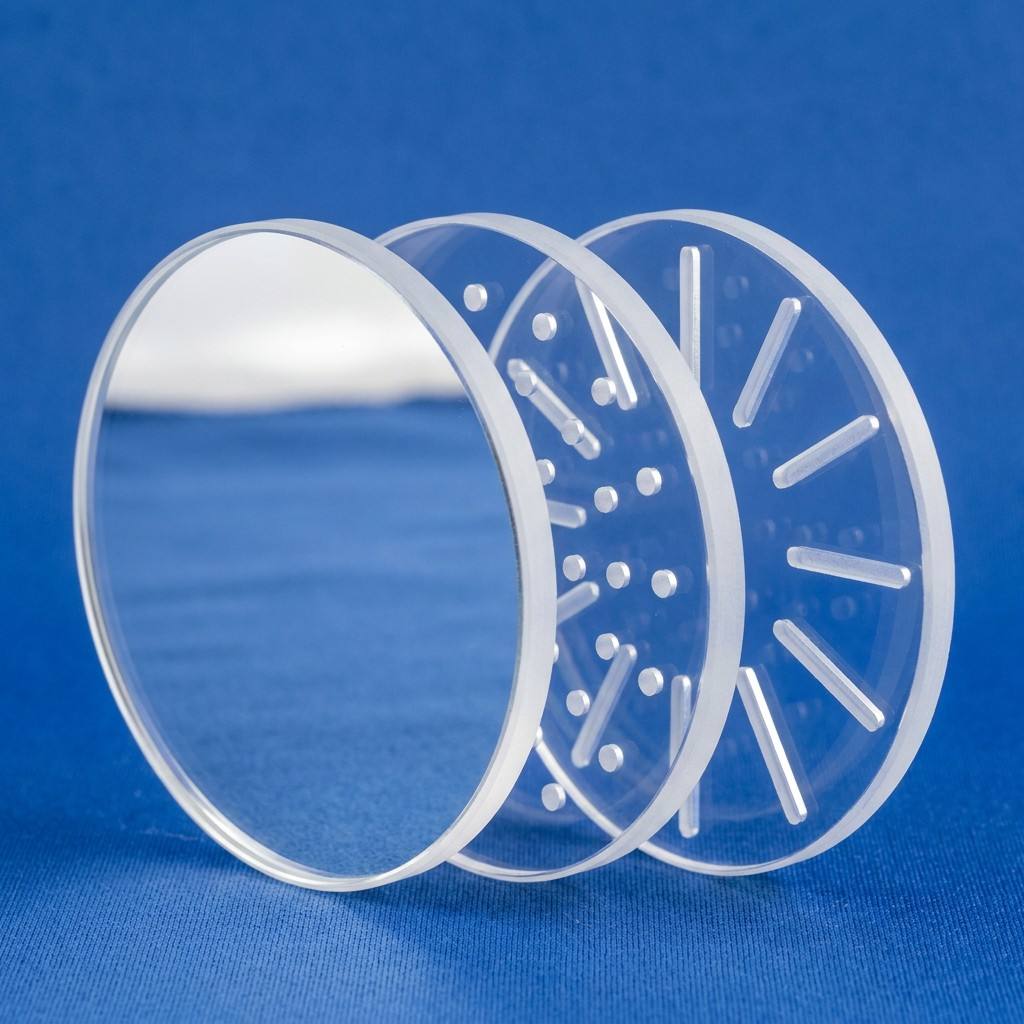
As the international proving ground for autonomous underwater vehicles (AUVs) and deep-sea marine sensors, Trondheim requires optical access ports resistant to extreme hydrostatic pressures. Our precision-ground, double-side polished high-pressure quartz viewports (10mm to 30mm thick) withstand deep oceanic barometric forces while sustaining superior spectral transmission from 200 nm deep-UV through 2,500 nm near-IR.
High-Temperature Pyrolysis & Solid Oxide Cells
Norway's green energy transition accelerates academic and industrial R&D into zero-emission hydrogen generation and high-temperature electrolysis. Fused quartz reactor tubes, sight glasses, and heat-resistant quartz plates withstand the aggressive thermal cycling of methane cracking, synthetic fuel synthesis, and high-pressure steam evaluation loops without embrittlement.
Ozone-Free Germicidal UV Sterilization Systems
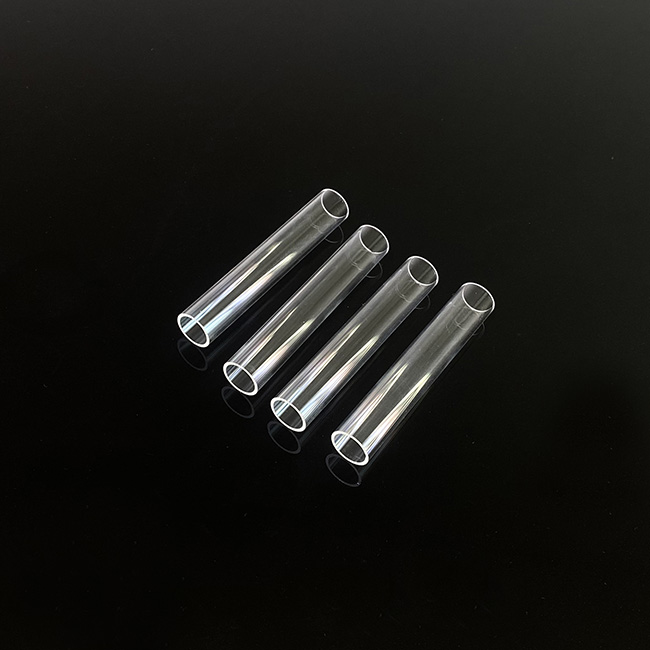
Trøndelag’s expansive coastal aquaculture industry relies on strict biosecurity to safeguard smolt facilities and marine ecosystems from pathogen outbreaks. Our specialized doped quartz tubes selectively transmit the 254 nm germicidal line while blocking ozone-generating 185 nm radiation, delivering durable protective sleeves for high-output ballast lamps in municipal and maritime water treatment.
Spectroscopy & Thermal Analysis Consumables
Geological, environmental, and metallurgical analysis laboratories throughout Trondheim utilize our transparent quartz crucibles, cuvettes, and custom CNC-machined fused silica vessels. Impervious to all common laboratory acids (with the exception of hydrofluoric and boiling phosphoric acids), they preserve sample integrity during high-temperature flux fusion and trace element extraction.
Trøndelag’s Strategic Material Trends & Supply Chain Resilience
Key economic, regulatory, and technological shifts reshaping the procurement of high-purity quartz sand and engineered fused silica across Norway and the broader Nordic region.
European Critical Raw Materials & Supply Autonomy
With the European Union and EEA countries strengthening regulatory oversight under the Critical Raw Materials Act, secure access to high-purity quartz has emerged as a cornerstone of strategic autonomy. Nordic wafer producers, polysilicon refiners, and battery material innovators are diversifying supply networks away from mono-source bottlenecks. Trondheim manufacturers increasingly require dual-certified supply partnerships that provide multi-ton reserve stocks, standardized batch traceability, and rapid air/sea logistics channels directly into Port of Trondheim and Trondheim Airport Værnes.
Migration to 300 mm & 14-Inch Wafer Infrastructure
As Nordic research facilities align with pan-European semiconductor roadmaps, cleanroom tooling is transitioning toward larger substrate formats. This development creates escalating demand for large-diameter fused quartz furnace tubes (outer diameters up to 520 mm) possessing precise wall-thickness tolerances (±0.5 mm) and zero airline inclusions. Supplying this segment requires dedicated vertical drawing towers and heavy-duty electric fusion furnaces capable of sustaining pristine thermal profiles across wide geometries.
Decarbonized Metallurgy & Circular Quartzware
Norway is renowned for hydro-powered, low-carbon industrial processing. In step with these environmental standards, procurement managers in Trøndelag prioritize materials manufactured via energy-efficient electric-fusion melting rather than gas-fired torch synthesis. Additionally, local operations increasingly demand refurbished quartz components and closed-loop recycling programs for spent furnace tubes, crucibles, and optical discs to minimize lifecycle carbon footprints and landfill liabilities.
VEZLO Quartz: Industrial Scale Rooted in China's Quartz Capital
Headquartered in Donghai County, Jiangsu Province—internationally recognized as the epicentre of high-purity silica mineral reserves and processing—our facilities bridge upstream raw sand refinement with high-precision downstream CNC fabrication.
33,000 m² Modern Facility
Operating across a dedicated 50-mu industrial complex backed by RMB 10 million in fixed assets, featuring advanced continuous-drawing towers, electric vacuum fusion chambers, and Class 1,000 cleanroom cleaning lines.
Provincial S&T Recognition
Engineered the 320 mm high-purity quartz tube under the Jiangsu Provincial Science & Technology Support Project. Our 520 mm large-bore core tube has successfully cleared preliminary National New Product assessments.
Precision CNC & Flame Craft
Comprehensive cold and hot processing: multi-axis CNC drilling, slotting, cylindrical profile grinding, optical-grade double-side polishing, and flame-worked joins, ground taper joints, and custom laboratory apparatus to drawing.
≤2h Technical SLA & Trust
Dedicated export engineering team delivering technical feedback within 2 hours. Verified by Alibaba onsite checks, supporting Trade Assurance, and sustained by a proven 50% repeat-order procurement rate.
Frequently Asked Questions for Trondheim Buyers
Direct technical and logistical answers addressing shipping, certifications, thermal ratings, and material selection criteria for Norwegian engineering and purchasing departments.
How does VEZLO guarantee batch-to-batch chemical purity for high-purity quartz sand?
What logistics routes and transit times apply for shipping quartz products to Trondheim?
Can you manufacture quartz plates, viewport discs, and tubes to custom technical drawings?
What is the practical distinction between natural fused quartz and synthetic fused silica?
How are delicate and brittle quartz glassware assemblies packed to withstand arctic shipping conditions?
Are your high-temperature quartz tubes resistant to thermal shock during rapid cyclic heating?
What Incoterms and customs clearance documents do you supply for Norwegian VAT and import duties?
What is your minimum order quantity (MOQ) for standard quartz sand and customized CNC parts?
Ready to Engineer Your Quartz Supply Solution in Trondheim?
Whether you need bulk high-purity silica sand shipments with comprehensive ICP-MS assay verification, large-bore diffusion furnace tubes, or precision-machined optical viewports for subsea exploration, our engineering department provides rapid feasibility review and competitive factory direct pricing.