
99.99%
SiO₂ Purity Grade
Ø1.5-80mm
Precision Rod Range
1215°C
Annealing Point Threshold
≤2h
Direct Engineering SLA
Precision Engineered Component Lineup
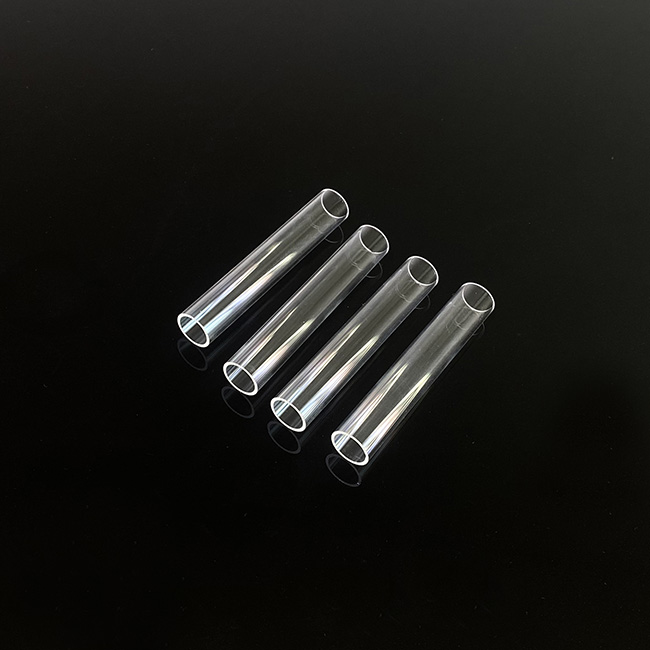
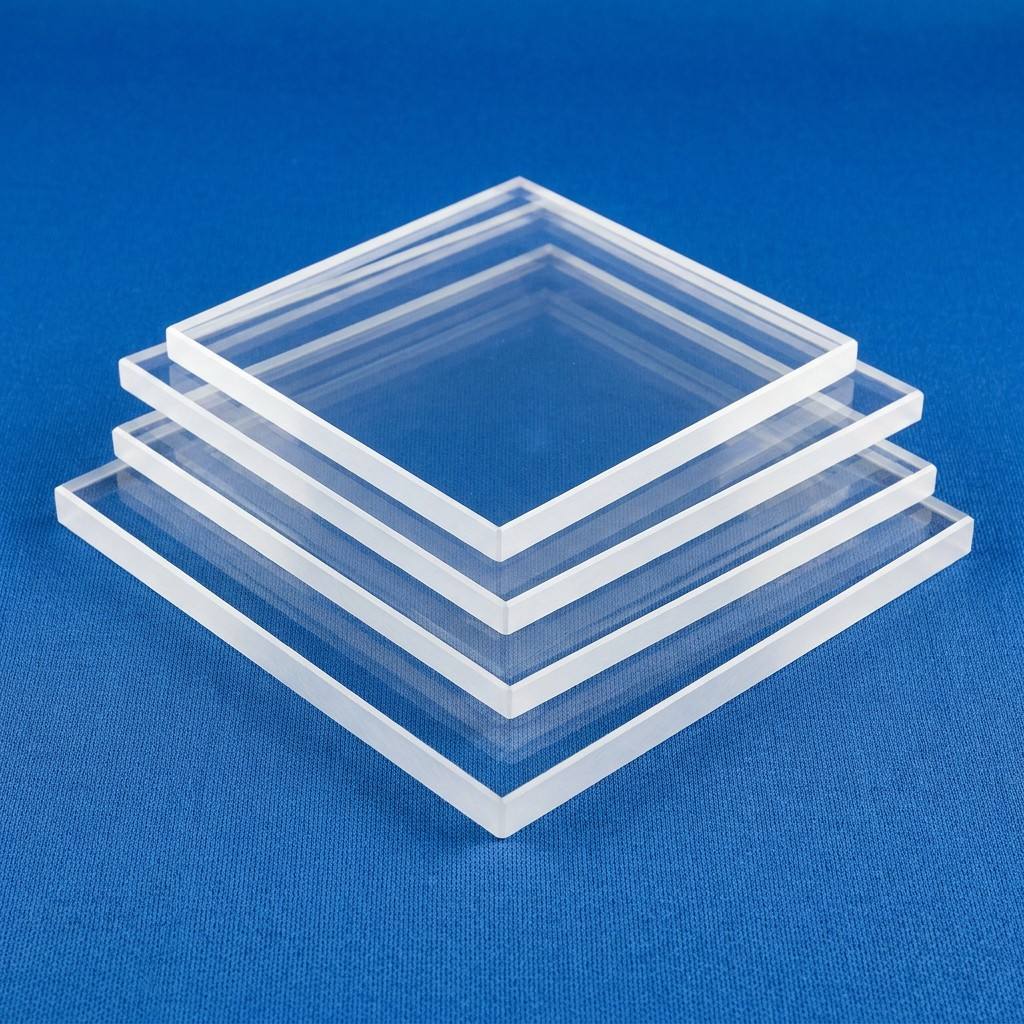
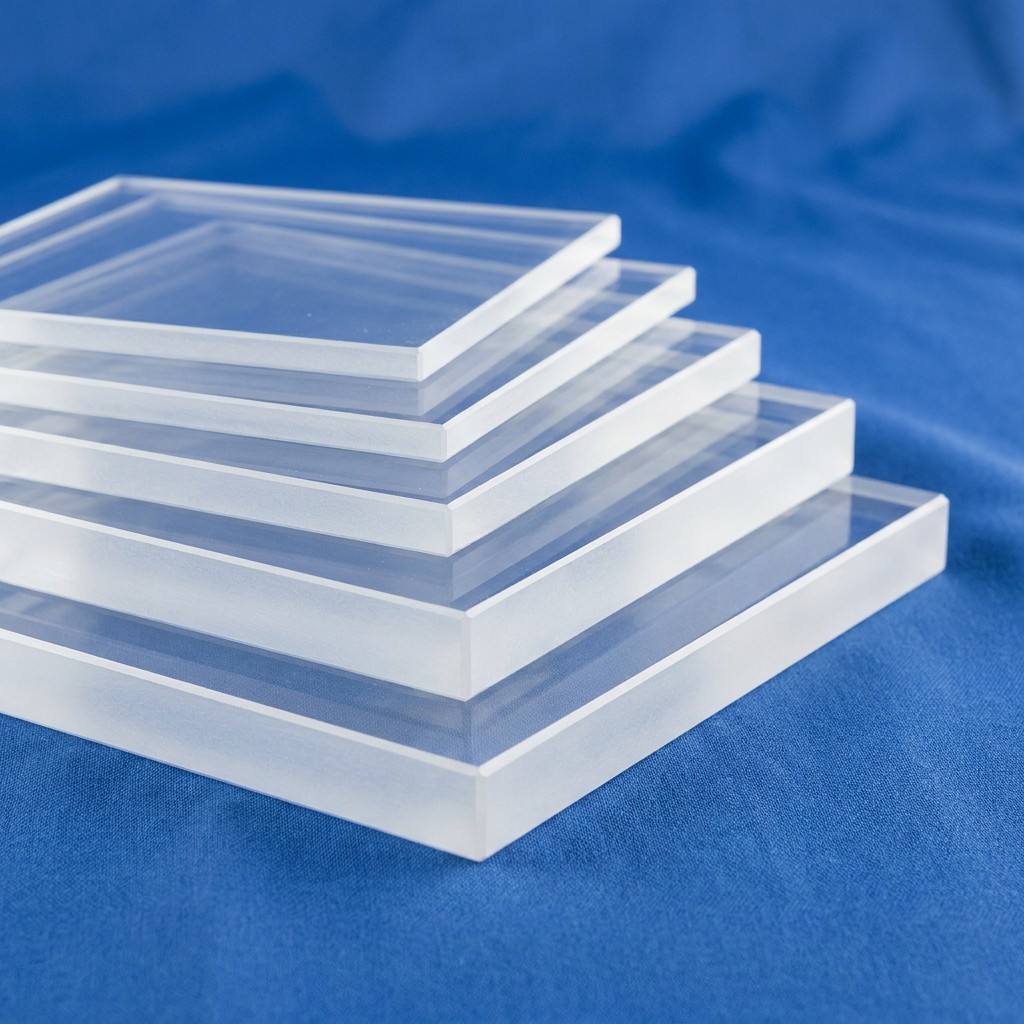
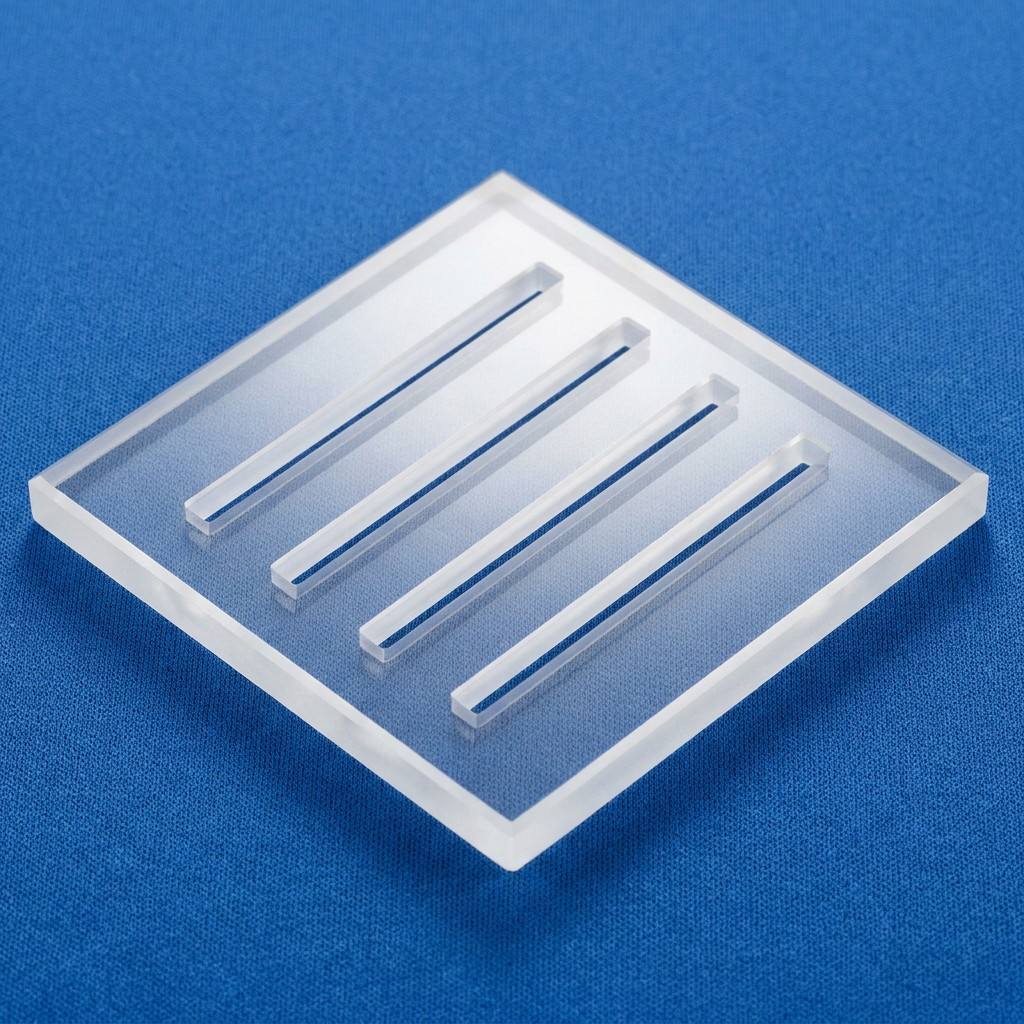
Featured Quartz Glass Rods, Substrates & Observation Optics
Engineered from natural crystal and synthetic fused precursors to withstand extreme corrosive chemistry and plasma etch cycles across semiconductor, vacuum processing, and clean-tech infrastructure.



Strategic Supply Chain & Metallurgy
Industrial Demands in Greater Phoenix & the Silicon Desert
A technical breakdown of thermal, optical, and mechanical requirements for quartz glass rods within the fast-growing Arizona semiconductor, defense, and photovoltaic corridor.
The Phoenix Semiconductor Boom: Criticality of Sub-PPM Quartz Substrates
The Metropolitan Phoenix area—spanning Chandler, Mesa, Tempe, and North Phoenix—has rapidly consolidated its position as the premier advanced packaging and microelectronics manufacturing capital of the United States. Driven by monumental capital infrastructure expansions such as TSMC's multi-fab gigafactory in North Phoenix, Intel's Ocotillo expansion in Chandler, and accompanying Tier-1 chemical and wafer fabrication equipment (WFE) supply chain partners, the regional requirement for vitreous silica (fused quartz) parts has seen parabolic growth.
In high-density plasma etching, physical vapor deposition (PVD), and atomic layer deposition (ALD) processes, quartz glass rods play an indispensable role. Whether serving as high-dielectric insulators, precision gas distribution injectors, thermal handling lifter pins, or torch components for automated glass lathe fabrications, the structural integrity of the quartz matrix directly dictates batch yields. Any microscopic alkali metallic impurity (such as Sodium, Potassium, or Iron) present within an OEM quartz glass rod can diffuse rapidly at temperatures above 900°C, causing catastrophic wafer lattice contamination and junction breakdown in sub-5nm and 3nm transistor nodes.
Key Engineering Standard: Phoenix fabrication facilities mandate total trace metallic contamination levels of ≤ 20 ppm in conventional thermal-furnace applications, dropping to < 5 ppm for direct plasma-facing components. VEZLO's raw quartz refinement process operates strictly under these critical limits to mitigate devitrification and wafer contamination.
Operational Environments
Localized Application Scenarios in Arizona
Front-End Wafer Fabrication
Fabrication of semiconductor quartz boats, paddle arms, thermocouple wells, and cantilever rods for 300mm diffusion, oxidation, and LPCVD tube furnaces operating at sustained temperatures above 1100°C.
Aerospace & Defense Optical Guides
Solid fused silica rods serve as pristine light guides, laser transmission conduits, and high-temperature diagnostic probes inside propulsion test cells and defense optoelectronics engineered throughout Mesa and Scottsdale.
Concentrated Solar & Photovoltaic R&D
Supporting Arizona's leading utility-scale solar labs and manufacturing ventures with thermal-shock resistant quartz sight rods, pyrometry access viewports, and crucible stirrers capable of handling repetitive extreme thermal gradients.
Engineering Baseline
Fused Quartz Material & Optical Specifications
Strict adherence to physical, thermal, and chemical tolerances required by procurement specialists across North America.
| Physical / Chemical Property | Standard Purity Quartz | High-Purity Semiconductor Grade | Impact on Phoenix Fab Processes |
|---|---|---|---|
| SiO₂ Content (%) | ≥ 99.9% | ≥ 99.995% | Prevents trace heavy metal vapor diffusion into crystalline silicon. |
| Coefficient of Thermal Expansion (CTE) | 5.5 × 10⁻⁷ / °C | 5.5 × 10⁻⁷ / °C | Near-zero expansion eliminates thermal shock failure under 1000°C deltas. |
| Softening Point (°C) | 1683 °C | 1710 °C | Determines lathe flame-working threshold and anti-sag capabilities. |
| Annealing Point (°C) | 1215 °C | 1230 °C | Defines stress-relief protocols post diamond-wheel cutting and grinding. |
| Max Service Temperature (Continuous) | 1100 °C | 1160 °C | Maintains mechanical stability during multi-hour oxidation runs. |
| Hydroxyl (OH⁻) Content | < 30 ppm | < 5 ppm (Low-OH Synthetic) | Eliminates structural water band absorption in NIR optical wave transmission. |
| Total Trace Metal Impurities | ≤ 25 ppm | ≤ 10 ppm | Critical requirement to bypass third-party cleanroom incoming reject gates. |
Future Trends in Localized Quartz Sourcing (2025–2030)
The manufacturing dynamics of the Mountain West corridor demand agile OEM/ODM partnerships rather than rigid catalog delivery. As Arizona's foundries push toward sub-2nm gate-all-around (GAA) architectures, several transformative supply chain patterns are redefining how procurement teams source fused silica and quartz rods:
1. Large-Diameter Rod Core Stock for CNC Machining: Traditional small-diameter rods are increasingly being supplemented by massive, homogeneous synthetic quartz ingots and rods up to Ø80mm. Machine shops in Tempe and Chandler require stress-relieved solid rods to machine bespoke single-piece showerheads, end-effectors, and wafer support pins that eliminate weld-joint vulnerability.
2. Compressed Prototype-to-Volume Cycles: Cleanroom tooling maintenance cannot accommodate 16-week lead times. VEZLO addresses this via high-volume buffer stocks of continuous drawn rods and automated cold-processing cutting and centerless grinding units, bringing turnaround down to expedited flight windows.
3. Closed-Loop Recycled & Sustainable High-Purity Raw Sand: With ESG benchmarks accelerating across semiconductor boardrooms, high-purity quartz sourcing rooted in efficient ecological refining—such as Donghai's continuous low-carbon crucible melting technology—is becoming a non-negotiable vendor compliance check.
Direct Manufacturer Credibility
VEZLO Manufacturing Strengths & Capabilities
Direct from China's quartz capital to the Phoenix tech hub. Full vertical integration from high-purity quartz sand to micron-tolerance fabricated glass.
Rapid Technical Response
Our dedicated engineering desk provides average quote and feasibility feedback in ≤ 2 hours, enabling seamless communication across US Mountain Time zones.
50-Mu Donghai Facility
Operating a ~33,000 m² state-of-the-art production base in Donghai County with RMB 10M+ in fixed assets and continuous electric/gas melting furnaces.
State-Backed S&T Projects
Proven track record leading Jiangsu Provincial S&T Support projects (320mm tube) and National New Product reviews (520mm furnace quartz tubing).
Shock-Proof Export Logistics
Multi-layer shock absorbing polyethylene foam, vacuum wrapping, and certified fumigation-free plywood crating tailored for air shipments directly into Phoenix Sky Harbor (PHX).
Accelerate Your Quartz Supply Line in Greater Phoenix
Whether you require prototype flame-worked quartz rod samples for cleanroom testing or full production container runs of optical-grade rods and substrates, our technical engineering team is ready to evaluate your CAD files.
Inquire Now
Procurement Clarity
Phoenix Procurement & Sourcing FAQ
Direct, technical answers to the most common queries raised by process engineers, fab sourcing directors, and glass lathe technicians.
What dimensional tolerances and surface finishes can VEZLO maintain on custom quartz rods?
Our standard solid quartz glass rods span diameters from Ø1.5mm up to Ø80mm. Outer diameter (OD) tolerances are precision-maintained via centerless diamond grinding to within ±0.05mm, with custom optical runs reaching ±0.01mm. Surface finishes include commercial fire-polished (transparent, ultra-smooth for chemical/furnace applications) or fine-ground/frosted finish for specific mechanical assembly requirements.
How does fused quartz differ from synthetic fused silica in wafer fab environments?
Fused quartz is thermally melted from natural high-purity crystalline quartz sand (≤20 ppm trace metals), offering superior viscosity and resistance to high-temperature sagging at an economical cost—ideal for furnace carriers, quartz boats, and thermal process rods. Synthetic fused silica is produced via chemical vapor deposition of silicon halides (SiCl₄), achieving near-zero metal impurities and exceptional deep-UV transmission down to 193nm, making it the preferred material for optical lithography reticles and precision laser viewports.
What is the lead time and delivery procedure for manufacturing sites in Arizona?
For standard rod diameters and pre-cut lengths, dispatch occurs within 3 to 7 working days. Custom CNC-ground, drilled, or flame-worked components typically ship within 2 to 3 weeks. We utilize express air freight directly to Phoenix Sky Harbor International Airport (PHX) or Mesa Gateway, with air transit times averaging 4 to 6 business days including customs clearance management.
Can you manufacture customized quartz assemblies according to our internal engineering drawings?
Yes. Our OEM/ODM capabilities encompass complex flame-worked and mechanically fabricated assemblies. We accept native CAD files (STEP, IGES, DXF, or PDF engineering prints) to produce rods with domed ends, ground taper joints, spherical balls, drilled holes, welded flange interfaces, or bespoke quartz cleaning boat carriages.
How does VEZLO guarantee zero breakage during long-haul intercontinental transit?
We employ an engineered export packaging protocol developed through decades of international shipping. Each quartz rod or plate is encased in custom-slotted high-density pearl cotton (EPE) or closed-cell polyurethane foam, wrapped with anti-static barrier film, and housed within double-wall corrugated cartons secured inside shock-absorbing, fumigation-free multi-layer plywood export cases. Full shipping insurance coverage is standard on all direct shipments.
Connect with a Quartz Glass Specialist Today
Direct factory pricing, comprehensive material inspection reports (GDMS trace element analysis available), and engineering support tailored to Phoenix's advanced manufacturing landscape.
Inquire Now