
Boiler Fused Silica Sight Glass Plate
- Thermal Resistance: 1100°C continuous, 1300°C peak
- Hydrostatic Burst Pressure: Up to 25 MPa rating
- Applications: Marine ship boilers & chemical reactors
Direct-from-factory fused silica plates fabricated under strict Class 10,000 cleanroom conditions. Custom CNC waterjet shaping, double-side optical polishing (λ/4 to λ/10), and strict surface-defect control down to 20/10 scratch-dig for Polish industrial and academic enterprises.

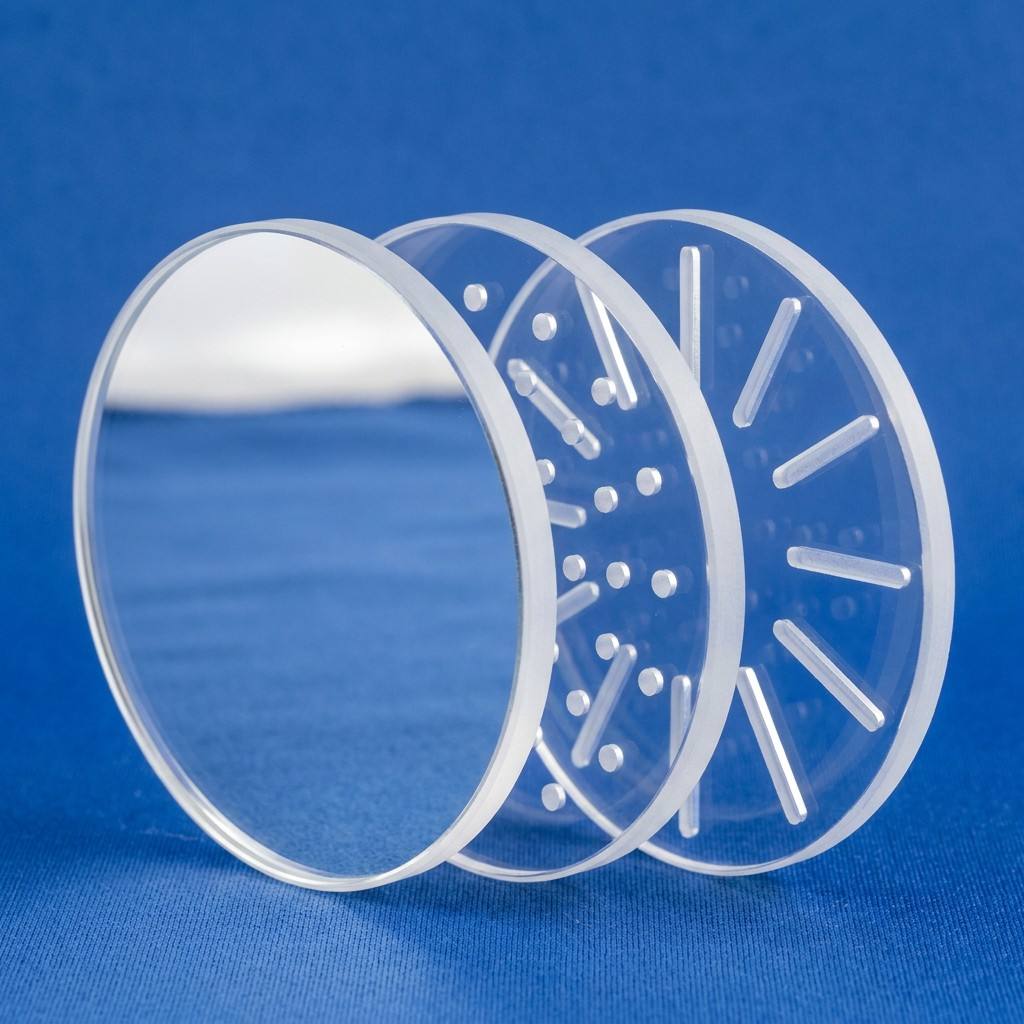

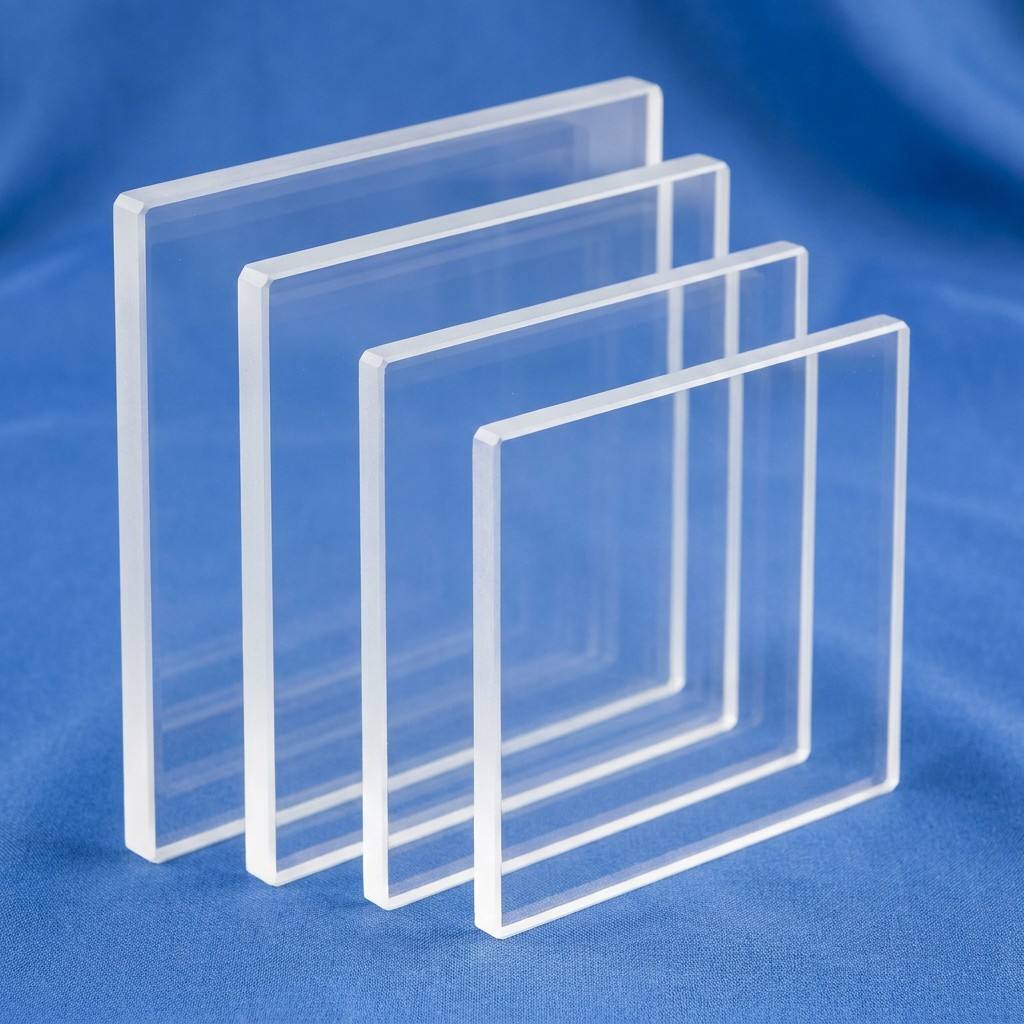

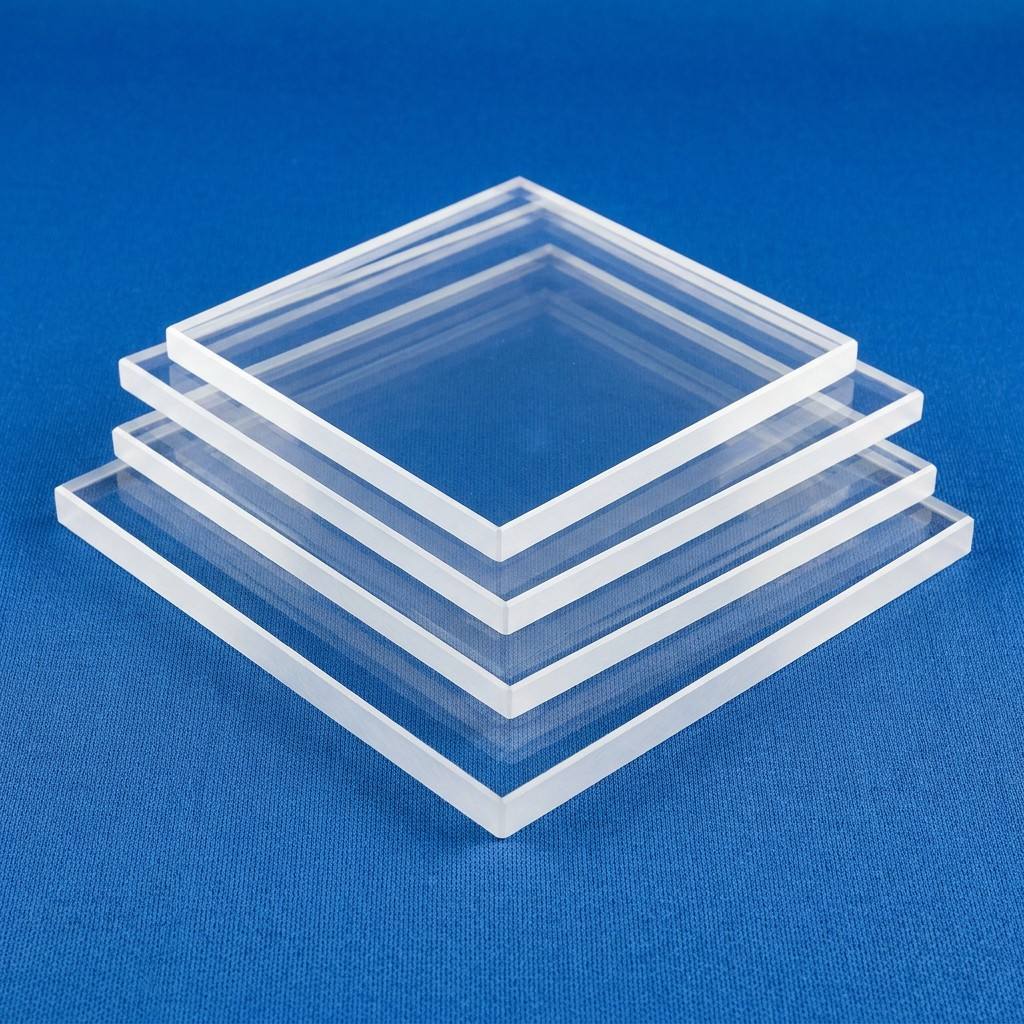
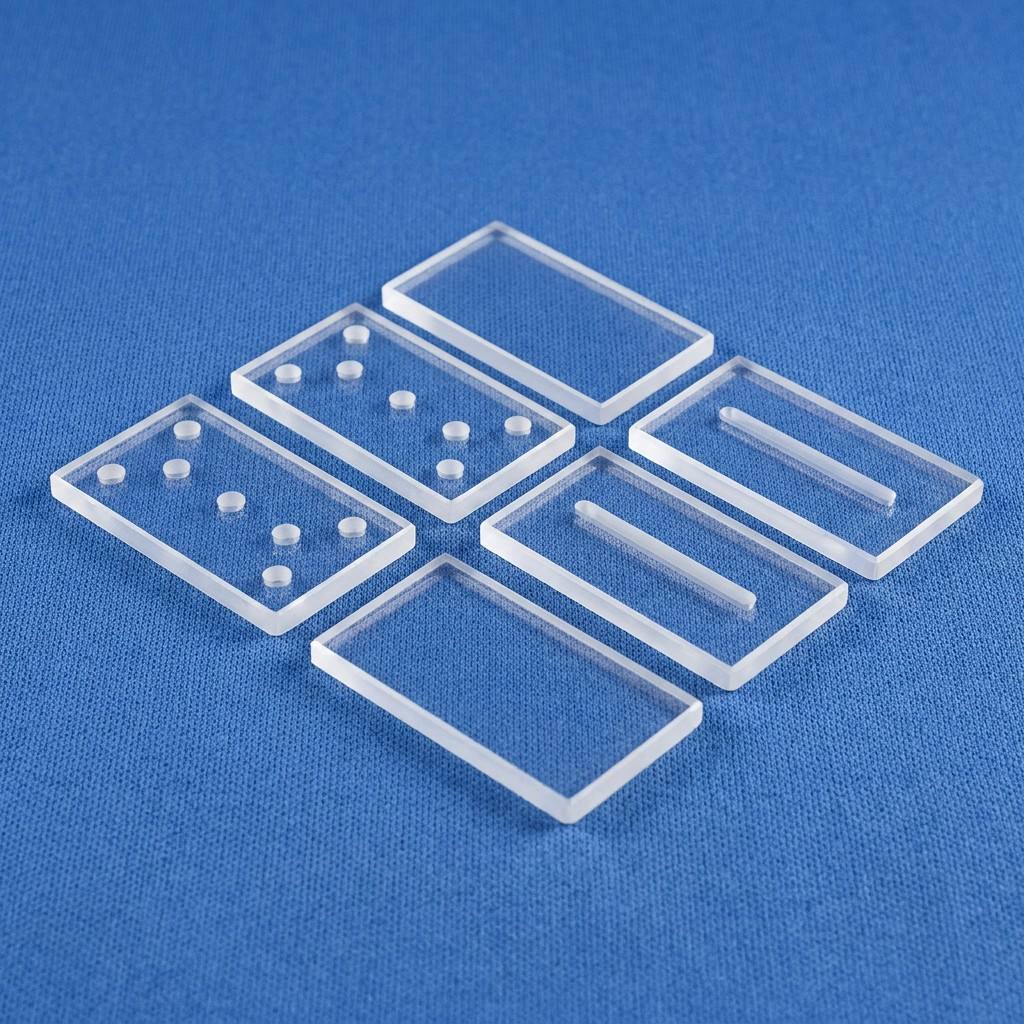
In high-precision optical, thermal, and chemical operations, specifying the correct silicon dioxide (SiO2) substrate determines the lifespan and operational accuracy of critical equipment. Standard commercial borosilicate or soda-lime glass rapidly fractures under thermal shock (ΔT > 150°C) and demonstrates catastrophic solarization under high-flux UV radiation. For engineers across the Gdańsk industrial corridor—from the petrochemical facilities at the Motława estuary to the specialized naval testing basins at the Polish Academy of Sciences (PAN)—transparent optical quartz plates (Fused Silica) are the non-negotiable benchmark.
At our Donghai manufacturing base, optical quartz is synthesized either through electric arc fusion of natural pegmatite crystals (producing thermal-grade JGS2/JGS3) or through chemical vapor deposition / flame hydrolysis of silicon tetrachloride (producing ultra-pure, bubble-free synthetic fused silica JGS1). The resulting amorphous lattice yields a negligible coefficient of thermal expansion (5.5 × 10⁻⁷ /°C), allowing quartz plates to undergo cyclic immersion from 1100°C into ice water without structural degradation.
| Physical / Optical Parameter | JGS1 (Synthetic Silica) | JGS2 (Optical Fused Quartz) | JGS3 (Infrared Fused Quartz) | Engineering Significance for Gdańsk Procurements |
|---|---|---|---|---|
| Primary Transmission Spectrum | 185 nm – 2500 nm (Deep UV) | 220 nm – 2500 nm (UV-Vis) | 260 nm – 3500 nm (Near-to-Mid IR) | Select JGS1 for water treatment UV reactors; JGS3 for marine infrared sensing. |
| Hydroxyl (OH⁻) Concentration | ≤ 1200 ppm | ≤ 150 ppm – 200 ppm | ≤ 5 ppm (Water-free) | Low OH⁻ prevents infrared absorption dips at 2.73 μm in laser optical paths. |
| SiO2 Chemical Purity | ≥ 99.999% | ≥ 99.99% | ≥ 99.98% | Eliminates heavy metal leaching into corrosive refinery acids & bio-pharm solutions. |
| Continuous Service Temperature | 1100 °C | 1150 °C | 1100 °C | Exceeds peak temperatures of marine exhaust gas desulfurization (EGCS). |
| Softening Point | 1730 °C | 1683 °C | 1680 °C | Guarantees mechanical stability in industrial sintering & diffusion furnaces. |
| Abbe Number (vd) / Refractive Index | 67.8 / 1.458 @ 589 nm | 67.8 / 1.458 @ 589 nm | 67.6 / 1.459 @ 589 nm | Minimal optical dispersion across multispectral marine and drone cameras. |
Furthermore, our precision mechanical polishing workshops utilize double-sided planetary lapping followed by Magnetorheological Finishing (MRF) or chemical-mechanical planarization (CMP). This process achieves surface roughness values down to Ra ≤ 0.3 nm with surface wavefront distortion below λ/10 per 100 mm aperture. These technical parameters ensure zero beam distortion in LiDAR emitters, interferometric wave analyzers, and industrial laser cutting optics deployed across Pomeranian production facilities.
Serving key maritime, petrochemical, scientific, and energy installations throughout Gdańsk, Gdynia, and Sopot with mission-critical quartz components.
Ship repair yards around the Port of Gdańsk (such as Remontowa Holding) require high-pressure fused silica sight glasses for marine auxiliary boilers, heat recovery steam generators (HRSG), and Exhaust Gas Cleaning Systems (EGCS). Our heavy-duty circular and oblong quartz sight glass plates withstand extreme hydrostatic pressure, hot saltwater spray, and sudden thermal cycling during ballast changes.
At major refining facilities in Gdańsk (ORLEN Group), catalytic cracking, sulfur recovery units, and hydrodesulfurization columns operate under intense chemical aggressiveness. Fused silica windows are virtually impervious to hydrogen sulfide, sulfuric acid, and chlorine vapors, serving as durable optical inspection ports for spectroscopic flame monitoring and visual reactor control.
With the Baltic Sea offshore wind farms (Baltic Power, MFW Bałtyk II/III) driving renewable expansions off the Pomeranian coastline, wind LiDAR scanners require optical windows with >99.5% anti-reflective (AR) coated transmittance at 1550 nm. Our optical quartz plates protect pulsed Doppler LiDAR heads from saline mist, high winds, and solar degradation.
Laboratories at Gdańsk Tech (Politechnika Gdańska) and the University of Gdańsk demand custom-fabricated quartz substrate plates for microfluidic chips, femtosecond laser pulse experiments, and synchrotron beamline windows. We supply polished blanks with customized drilled micro-orifices, precise beveling, and extreme wavefront flatness (λ/10).
Automotive and electronics assembly plants in the Pomeranian Special Economic Zone (PSEZ) utilize high-power fiber laser cutting heads and UV polymer curing lines. Our laser protective quartz cover slides feature high laser damage thresholds (>10 J/cm²), protecting expensive focusing optics from molten spatter and chemical outgassing.
Compliance with IMO D-2 Ballast Water standards requires Gdańsk-docked merchant vessels to install intensive ultraviolet purification units. Our ozone-free and high-transmittance JGS1 quartz sleeve plates provide >90% transmission at the crucial 254 nm germicidal line while withstanding internal hydrostatic pressures up to 16 bar.
The Pomeranian voivodeship is undergoing rapid industrial diversification, evolving from traditional shipbuilding into an advanced deep-tech, renewable energy, and microelectronics nexus. Procurement directors and project managers in Gdańsk should monitor three macro trajectories influencing quartz component specifications:
1. Offshore Wind Expansion & Maritime Telemetry Automation: With the development of massive offshore wind concessions in the Polish Exclusive Economic Zone of the Baltic Sea, ports in Gdańsk and Gdynia are establishing staging bases. The deployment of autonomous surface vehicles (ASVs) and subsea remotely operated vehicles (ROVs) for subsea cable inspection has increased demand for optical sapphire-and-quartz hybrid camera domes capable of resisting deep-water hydrostatic loads.
2. Hydrogen Economy and Clean Refinery Transitions: Projects like ORLEN's "Vistula Hydrogen Valley" in Pomerania are driving capital investments into high-temperature electrolysis and green hydrogen distribution. Quartz plates and tubes are required in these pilot plants because fused silica remains completely inert to high-purity hydrogen permeation at elevated temperatures, avoiding the embrittlement issues common with specialty alloys.
3. Advanced Sensor Packaging & Microelectronics: The growth of technology parks in Gdańsk (such as Pomeranian Science and Technology Park in nearby Gdynia) has created a robust prototyping ecosystem for IoT photonic sensors. Local R&D teams increasingly require fast-turnaround, customized quartz wafer carriers and thin polished substrates (≤0.5 mm thickness) delivered with full material chemical analysis reports.
Rooted in Donghai County—China's quartz capital—we integrate raw mineral processing, precision thermal forming, and advanced optical CNC machining to provide European buyers with unparalleled quality-to-cost ratios.
Operating within the world's most concentrated natural quartz deposit cluster, our raw feedstock is refined to total conventional metallic impurities of ≤20 ppm, ensuring zero internal micro-voids, bubbles, or crystallization seeds.
Our 320 mm high-purity quartz tube project was designated an official Jiangsu Provincial Science & Technology Support Project, while our 520 mm large-diameter tube passed national new product reviews for next-generation wafer fabs.
We understand the urgency of dockyard repairs and ongoing manufacturing lines. Our bilingual engineering sales desk provides feasibility assessments and detailed commercial quotations within 2 hours of drawing submission.
Over half of our international buyers place recurring batch orders. Every production run is backed by independent third-party onsite verifications, Alibaba Trade Assurance, and rigorous CMM dimensional certificates.
Clear, technical answers to address customs, logistics, standards compliance, and fabrication tolerances.
Whether you require standard 100 mm × 100 mm fused silica viewports or custom-machined CNC quartz substrates for Baltic naval systems, our technical sales engineers are ready to assist with rapid production and guaranteed delivery.