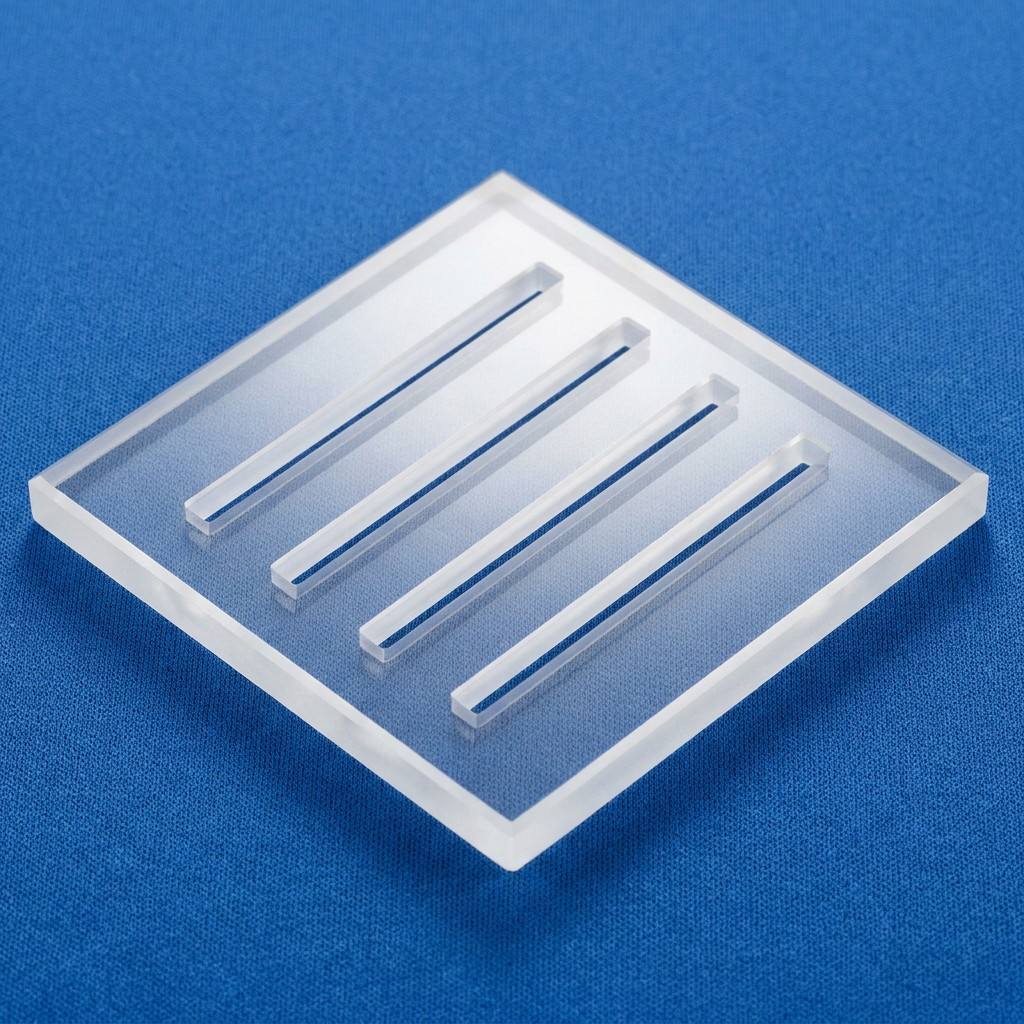
Export-Grade Product Matrix
Engineered Quartz Products & Precision Components
Manufactured in Donghai's centralized crystal processing corridor, finished with advanced double-sided polishing, CNC grooving, and calibrated thermal annealing for rigorous industrial facilities across Japan.
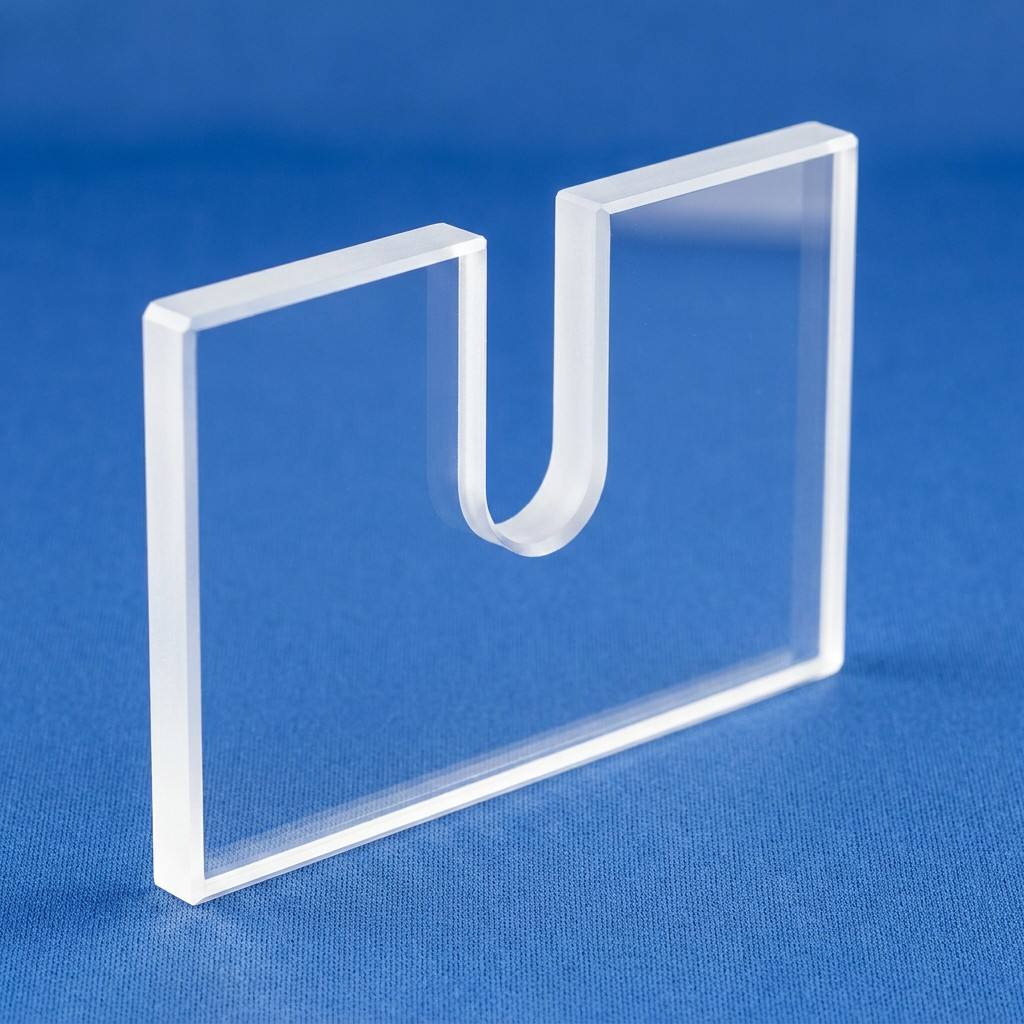
Deep-UV / Vis Transmission
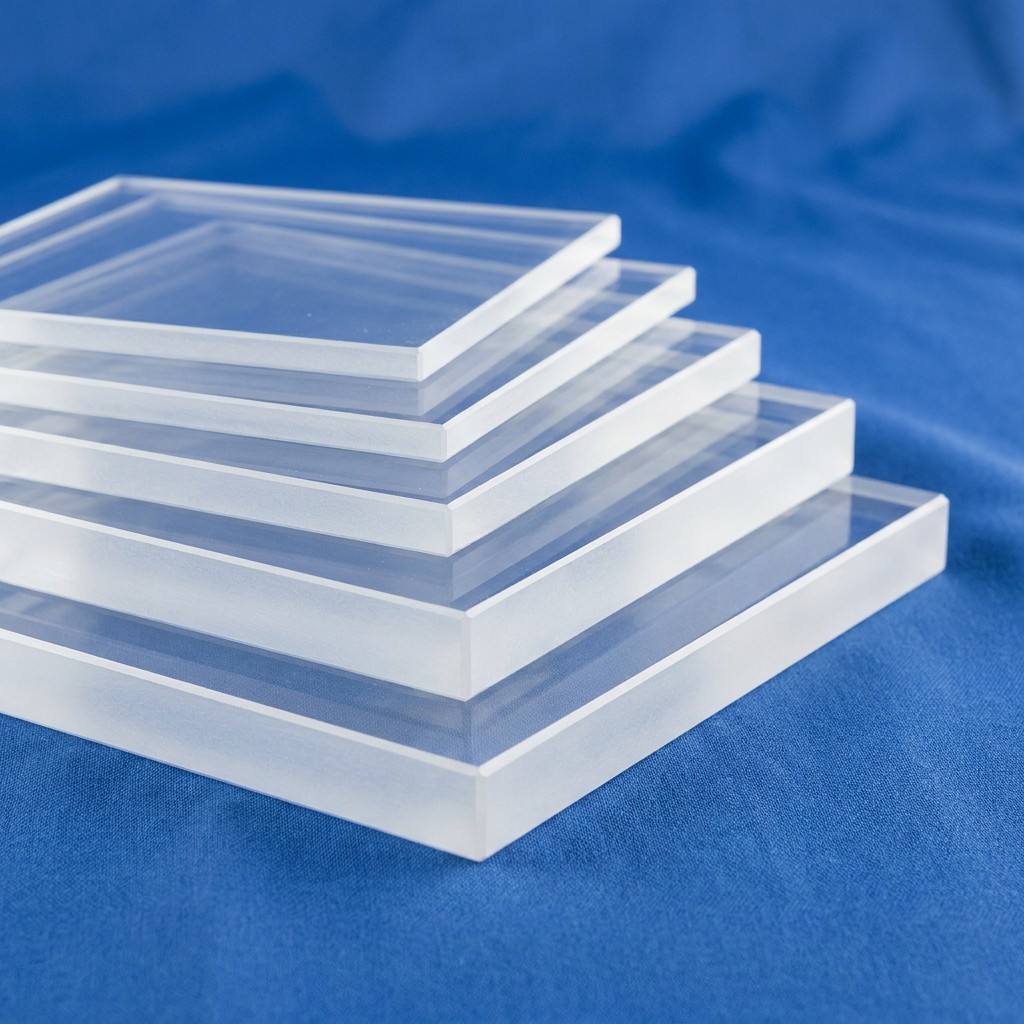
Quartz Viewport Glass Quartz Window Plate Optical Window Quartz High Pressure
View Specification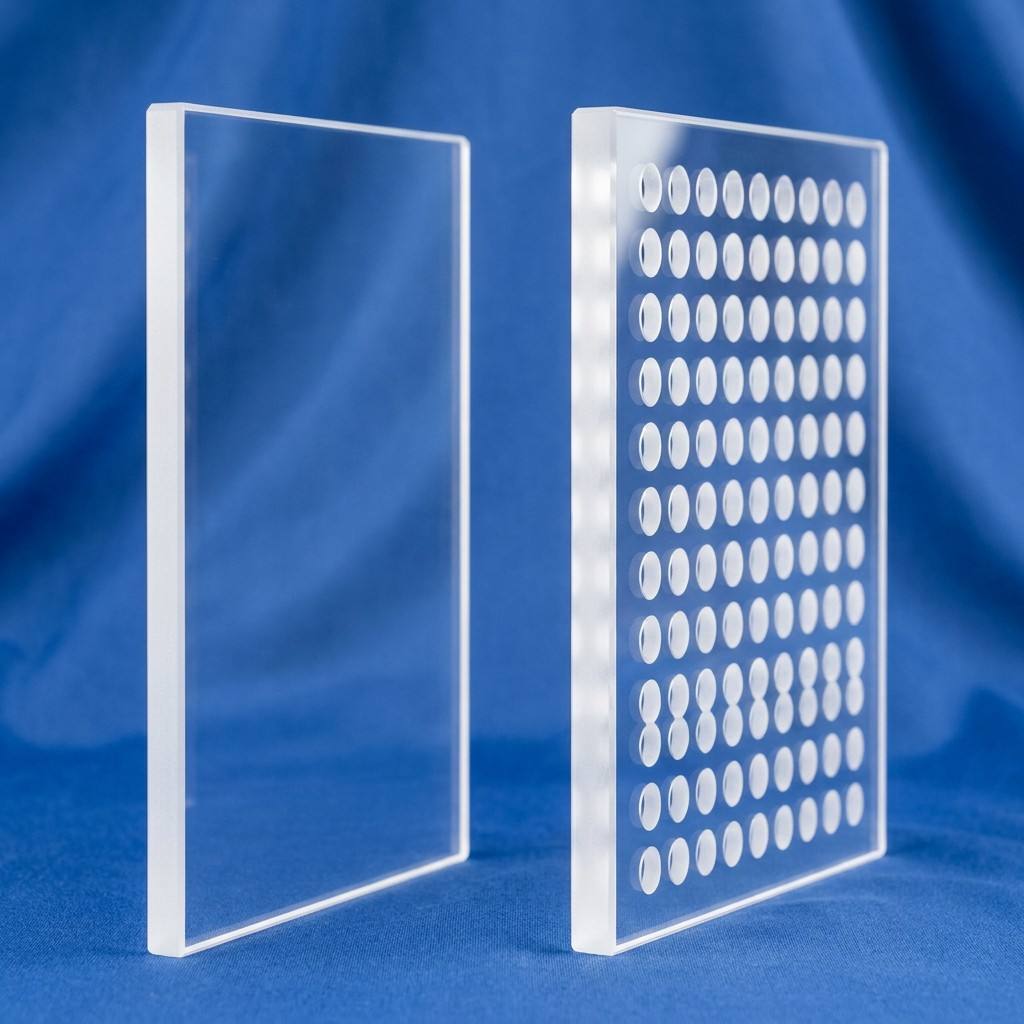
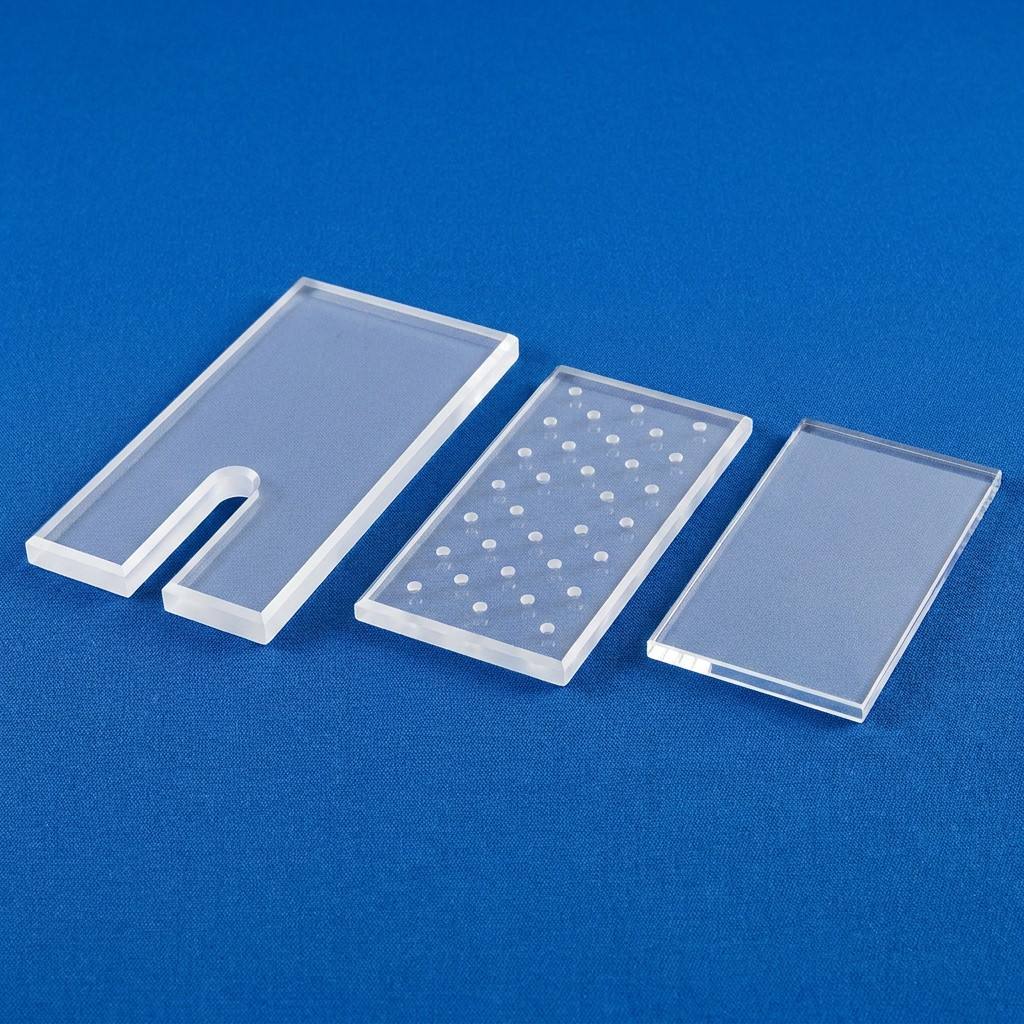
Thermal Shock Resistant
Quartz Oil Level Sight Glass Plate Fused Silica Clear Custom Size
View Specification

Titanium Doped Silica
Quartz Tube for Ozone Generator High Purity Fused Silica Ozone Free
View Specification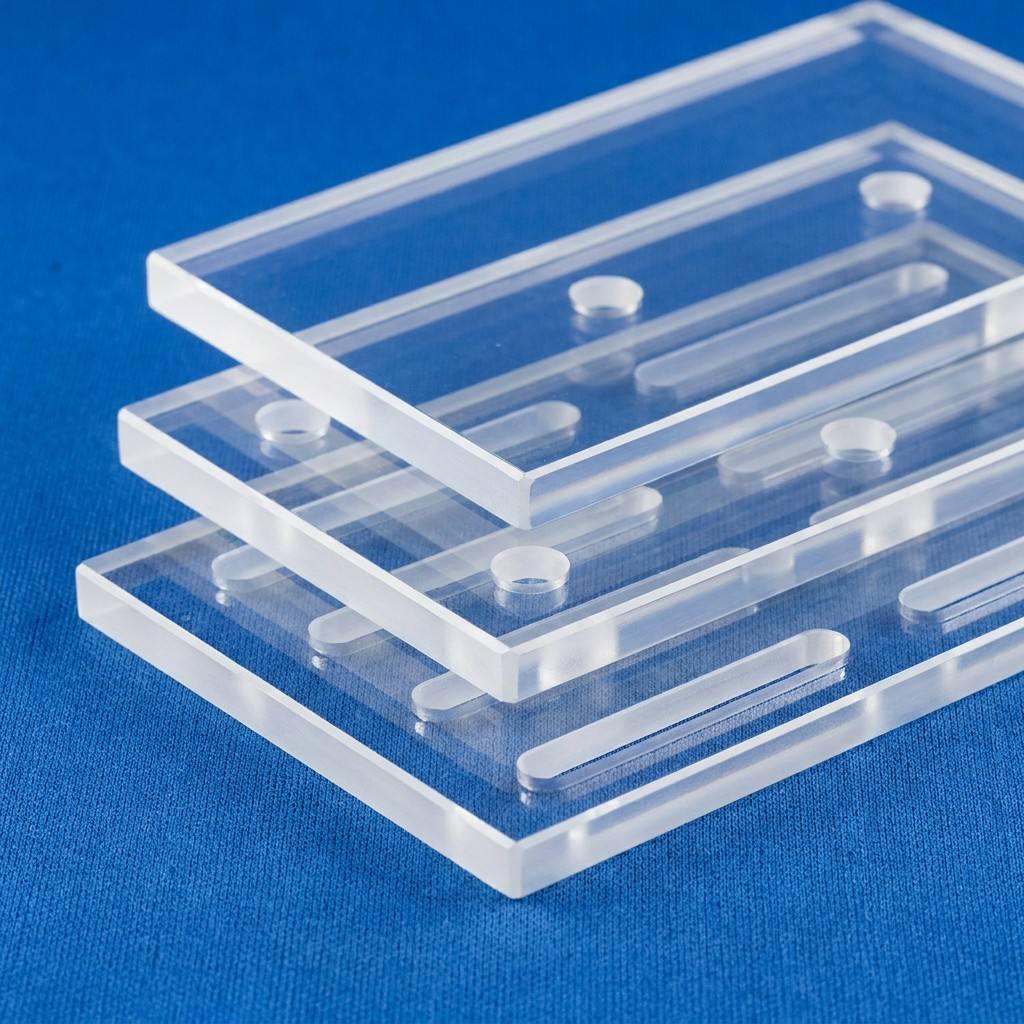
Engineering Whitepaper
Quartz Beaker & Fused Silica Engineering for the Japan Industrial Ecosystem
In Japanese industrial and scientific environments, quartz beakers (石英ビーカー) and auxiliary fused silica vessels operate far beyond simple volumetric liquid handling. From the cleanrooms of Kanagawa, Kumamoto, and Hiroshima to the precision biochemical institutes in Kyoto and Tsukuba, Japanese engineers enforce some of the world's most exacting quality management standards. Fused quartz labware is the critical baseline for trace-metal analytical chemistry, semiconductor sub-fab wet etching, photovoltaic seed purification, and synthetic crystalline pharmaceutical development. When handling boiling acids (such as sulfuric acid-hydrogen peroxide mixtures, or SPM), standard borosilicate glassware leaches alkaline earth metals and boron ions into the substrate. Synthetic fused silica and high-purity natural fused quartz are the only chemically inert materials capable of ensuring zero background contamination at part-per-trillion (ppt) levels.
The "Monozukuri" Standard for Fused Quartz: Japanese precision manufacturing prioritizes dimensional uniformity, stress-free optical properties, and flawless surface integrity. Our factory implements stringent annealing profiles with cooling cycles designed to prevent microscopic strain birefringence, providing zero thermal shock failure under acute temperature deltas exceeding 1,000°C.
Localized Application Scenarios in Japan's Leading High-Tech Sectors
The integration of high-purity quartz beakers, sight windows, and thermal containment vessels plays an indispensable role in Japan's modernized manufacturing architecture:
Semiconductor Wet Bench & RCA Cleaning
Used widely across advanced Japanese wafer fabs for manual dipping, ultrasonic agitation, and high-temperature stripping. Beakers withstand concentrated nitric, hydrofluoric-adjacent, and sulfuric cleaning chemistries without surface micro-pitting.
Next-Gen EV Battery Electrolyte Synthesis
In solid-state battery R&D laboratories in Aichi and Osaka, quartz beakers provide uncontaminated reaction environments for sintering and dissolving lithium compounds, sulfide precursors, and specialized ceramic conductors.
ICP-MS Trace Analysis in Pharmaceuticals
Precision laboratories running Inductively Coupled Plasma Mass Spectrometry (ICP-MS) rely on high-purity beakers for sample digestion. Our SiO₂ purity (≥99.99%) ensures zero iron, aluminum, or sodium ion leaching.
Localized Industrial Trends Driving Quartz Glass Demand in Japan
Three structural macro trends are accelerating the procurement of customized high-specification quartzware throughout the Japanese archipelago:
1. Domestic Semiconductor Revitalization (Rapidus & Kumamoto Foundry Corridors): The rapid deployment of leading-edge sub-2nm semiconductor fabrication in Hokkaido and high-volume image sensor/power discrete expansion in Kyushu has triggered a supply crunch for certified quartz components. Tier-1 and Tier-2 Japanese tool manufacturers are actively diversifying their supply chain strategies beyond domestic monopolies, seeking agile original equipment manufacturers who can meet rigorous SEMI guidelines with shorter delivery lead times.
2. Strict Decarbonization & Green Energy Transition: Japan's aggressive commitment to carbon neutrality by 2050 has invigorated demand for next-generation solar photovoltaics (Perovskite-on-Silicon tandem cells) and hydrogen fuel cell membrane synthesis. High-temperature thermal degradation testing requires continuous-use quartzware capable of operating at 1,100°C without devitrification.
3. Extreme Purity Standards in Analytical Chemistry: As Japanese pharmacopoeia and environmental water contamination benchmarks become increasingly stringent regarding PFAS/PFOS trace monitoring, traditional borosilicate glassware has become unacceptable due to background interference. Fused silica beakers and customized crucibles have become standard requirement across academic and commercial quality control laboratories.
Technical Comparison: Fused Quartz vs. Standard Borosilicate Laboratory Glass
| Material Property | High Purity Fused Quartz (VEZLO) | Standard Borosilicate 3.3 Glass | Significance for Japanese Engineering Teams |
|---|---|---|---|
| SiO₂ Content | ≥ 99.99% | ~ 81.0% | Prevents metal leaching into SPM/RCA semiconductor baths |
| Thermal Expansion (CTE) | 5.5 × 10⁻⁷ / °C | 33.0 × 10⁻⁷ / °C | Can be heated to 1,100°C and plunged into ice water without fracture |
| Continuous Service Temp | 1,100 °C | 450 °C | Enables prolonged high-temperature furnace and burner digestion |
| Softening Point | ≈ 1,683 °C | ≈ 820 °C | Maintains structural vessel integrity under direct flame processing |
| Total Metallic Impurities | ≤ 20 ppm | > 5,000 ppm (Al, Na, Ca, Fe) | Mandatory baseline for trace analysis and ICP-MS sample prep |
| UV Transmission (254 nm) | > 90% | < 5% (Opaque to UV) | Allows direct in-situ photochemical and UV curing reactions |
Enterprise Distinction
Factory Direct Manufacturing Advantages
Leveraging the raw mineral concentration of Donghai, China with an integrated production chain directly serving Japanese trading houses and original manufacturers.
Cluster Capital Location
Our 33,000 m² (50-mu) modern manufacturing base in Donghai County operates within the epicenter of global quartz crystal refining. Backed by RMB 10M in fixed assets, we ensure continuous supply chain continuity without intermediaries.
Provincial R&D Recognition
Our 320 mm high-purity quartz tube for large-scale integrated circuits was completed as an official Jiangsu Provincial Science & Technology Project. Our 520 mm large-diameter furnace tube has passed national new product reviews for 14-inch wafer processing.
Export-Certified Logistics
Japanese shipments receive our specialized vacuum-sealed polyethylene wrapping, individualized shock-absorbent multi-layer pearl foam, and non-fumigation ISPM-15 plywood wooden crating engineered for break-free door-to-door transit to Tokyo, Yokohama, or Kobe.
Procurement Reference
Frequently Asked Questions by Japanese Sourcing Teams
Clear, technically verified responses regarding tolerances, material quality certificates, custom fabrication, and Japanese cross-border transactions.
Can you fabricate customized quartz beakers according to specific CAD or 2D technical drawings?
Yes. We specialize in OEM/ODM custom fabrication. Japanese buyers regularly supply DWG, DXF, or PDF drawings with custom spouts, calibrated graduation lines, reinforced rim beads, flat bottoms for magnetic stirring, or specialized thermocouple wells. We produce low-profile, standard Griffin form, and tall Berzelius form beakers ranging from 5 mL micro-volumes up to 20,000 mL industrial processing vessels.
How do you ensure zero contamination and chemical compliance for Japanese semiconductor cleanroom use?
Every batch is produced using ultra-pure fused quartz sand with conventional trace metallic elements (Fe, Al, Ca, Mg, Na, K, Li) controlled under ≤ 20 ppm. Products undergo multi-stage deionized ultrasonic cleaning followed by Class 10,000 cleanroom final packaging. Detailed Chemical Inspection Certificates (COA), ICP-MS purity analysis data, and RoHS/REACH compliance documentation are available with every shipment.
What dimensional tolerances can your CNC processing maintain for viewport plates and discs?
For ground and laser-machined quartz discs, viewports, and grooved plates, we maintain outer diameter tolerances down to ±0.05 mm, thickness tolerances of ±0.02 mm, and surface flatness within λ/4 to λ/10 per 25 mm aperture. Edge beveling (chamfering) and optical surface polishing down to 40/20 or 20/10 Scratch-Dig can be specified to match JIS B7090 standards.
What are your lead times and shipping logistics from China to ports and airports across Japan?
For rapid prototypes or urgent wafer fab maintenance, expedited air freight via DHL, FedEx, or SF International reaches Narita (NRT), Haneda (HND), or Kansai (KIX) within 2 to 4 business days. Consolidated maritime container or LCL freight to major Japanese sea ports (Tokyo, Yokohama, Nagoya, Osaka, Kobe) takes approximately 5 to 8 shipping days.
How does VEZLO prevent transit breakage during overseas delivery to Japanese facilities?
With over 15 years of fragile glassware export experience, our breakage rate remains below 0.1%. Each piece is isolated within contoured high-density EPE foam, packed inside rigid inner cartons, and secured within custom export-grade plywood crates lined with vibration dampeners. Full shipping insurance coverage is standard on all direct purchases.
What transaction payment terms and currency options are supported for Japanese corporate procurement?
We support standard wire transfers (T/T), Letters of Credit (L/C at sight), and Alibaba Trade Assurance for complete payment and order tracking protection. Transactions can be invoiced directly in USD, EUR, or JPY depending on your corporate international procurement accounting framework.
Request an Engineering Quotation for Japanese Procurement
Looking for reliable, cost-efficient high-purity quartz beakers, furnace tubes, or precision optical quartz viewports? Submit your engineering drawings or dimensional requirements. Our technical team responds within 2 hours with CAD review, material specs, and competitive FOB/CIF quotation.