
≥ 99.99%
SiO₂ High Purity Standard
1200°C
Continuous Working Thermal Threshold
≤ 20ppm
Trace Metallic Impurities
< 2h
Rapid Engineering Response Time
Engineered Vitreous Silica & Quartz Components
Custom fabricated for extreme thermal gradient resilience, chemical inertia, and vacuum processing in industrial engineering hubs.




Industrial Whitepaper: Fused Silica & Quartz Carriers in Eastern European Engineering
A technical assessment of thermal dynamics, chemical vapor compatibility, and localized procurement strategies for high-spec manufacturing environments.
The Metallurgy and Mechanics of Quartz Boats
In advanced thermal diffusion, chemical vapor deposition (CVD), and precision sintering, high-temperature transport fixtures—commonly referred to as quartz boats or carrier cradles—act as the primary thermal interface. These vessels must endure relentless thermal cycles spanning from ambient temperatures up to 1,200°C without undergoing macroscopic plastic deformation, devitrification, or particulate flaking.
For engineering operations and industrial repair hubs operating in the Tiraspol regional zone and the broader Dniester river valley, equipment uptime hinges on thermal stress resistance. Fused silica exhibits a remarkably low coefficient of linear thermal expansion (5.5 × 10⁻⁷ /°C), imparting virtually unmatched thermal shock resistance. Whether subjected to rapid furnace insertion or quenched under inert gas flow, these carriers maintain mechanical geometry, ensuring that delicate substrates remain coplanar and undamaged.
Key Thermal & Physical Thresholds
- Strain Point: Approximately 1,075°C (Relaxation of structural stresses)
- Annealing Window: ~1,215°C (Equilibrium relief state)
- Softening Limit: ~1,683°C (Viscous boundary deformation)
- Dielectric Strength: 25–40 kV/mm at 20°C (High-voltage electrical isolation)
- Microhardness (Mohs): 5.5 to 6.5 (Scratch-resistant matrix)
Information Gain Insight: Unlike standard borosilicate or aluminosilicate technical glasses, natural fused quartz delivers elemental purity exceeding 99.99% SiO₂. This ultra-low alkali profile stops secondary auto-doping and ionic contamination during diffusion operations, securing crystalline structural integrity during high-temperature semiconductor, microelectronic, and sensor fabrication.
Localized Application Scenarios in the Tiraspol Industrial Corridor
Tailored integration pathways across precision electrical equipment, metallurgy, energy generation, and scientific laboratories.
Electrotechnical & Heavy Transformer Manufacturing
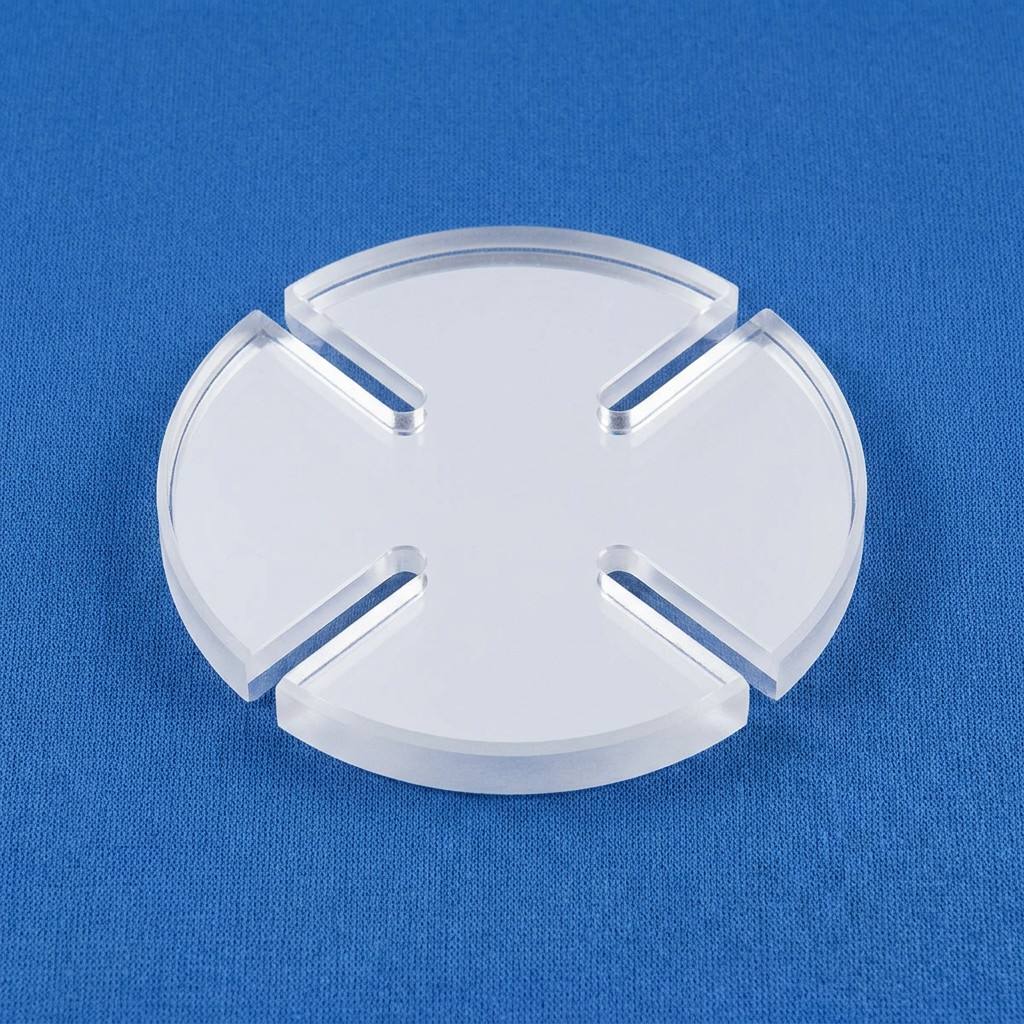
Tiraspol boasts an enduring engineering heritage in large electrical machinery, cast-resin transformers, and high-voltage power hardware. Custom slotted quartz plates and quartz boats serve as non-conductive, ultra-high-temperature annealing fixtures for high-permeability magnetic cores and wire-drawn elements.
Combined Heat & Power (CHP) Boiler Instrumentation
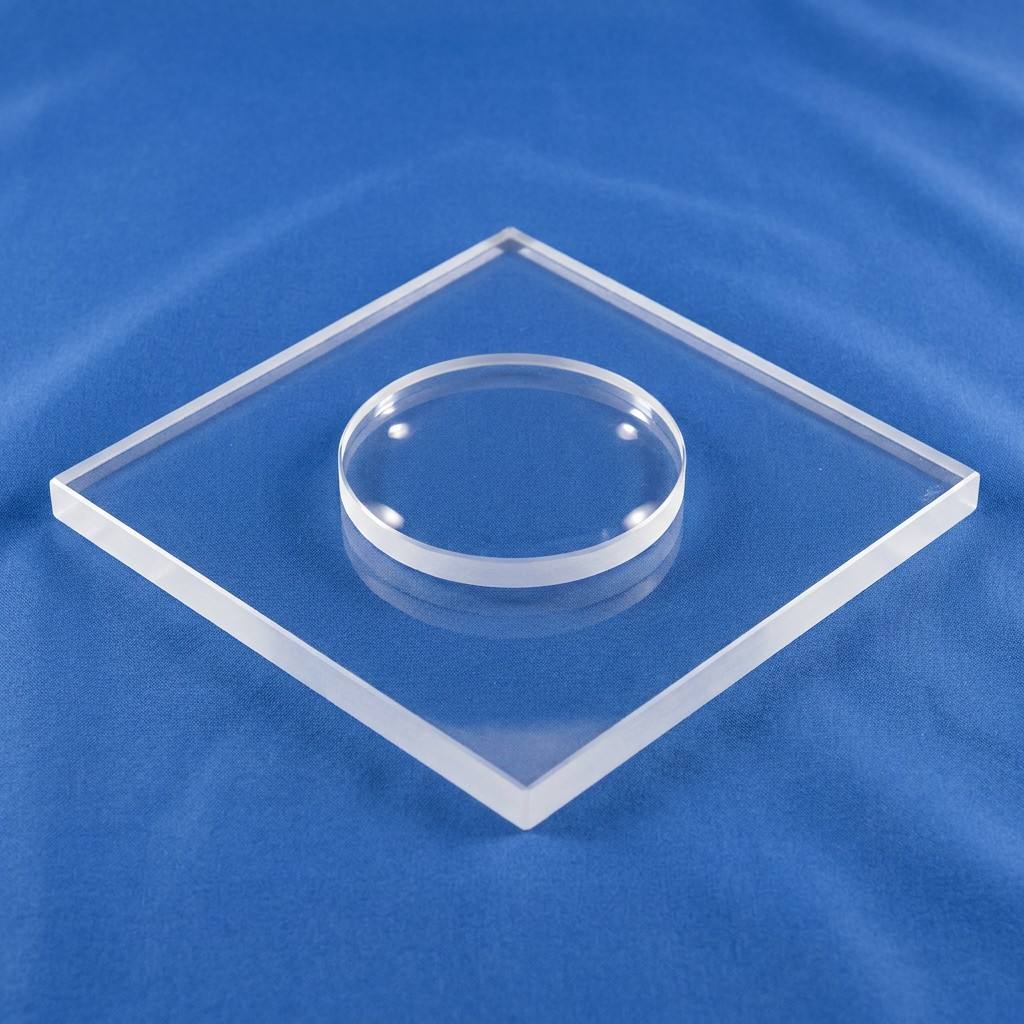
Regional thermoelectric generation facilities, including district power complexes near the Dniester, rely continuously on high-pressure quartz sight glass plates and viewport discs. These components withstand direct exposure to superheated steam, caustic alkaline washdowns, and high hydrostatic pressures.
Agrochemical, Food Refining & Analytical Testing
The Transnistrian agricultural and food-processing belt demands certified laboratory glass for elemental digestion, spectroscopic sample preparation, and chromatographic analysis. Fused silica crucibles and transparent quartz boats guarantee acid-proof resistance against aggressive reagents like aqua regia and hot nitric acid.
Regional Sourcing Trends & Supply Chain Resilience
Evaluating trade corridor logistics, modernization initiatives, and the migration toward direct-from-source manufacturing partnerships.
Industrial procurement throughout Eastern Europe has undergone rapid recalibration. Manufacturers and regional maintenance workshops in Tiraspol, Bender, and Chișinău are increasingly avoiding intermediary European redistributors who often add steep markups and suffer from extended supply delays. Instead, production managers are establishing direct commercial connections with deep-tier quartz glass manufacturers capable of executing custom OEM/ODM fabrications directly from engineering schematics (CAD/STEP files).
Concurrently, modernization programs in municipal water infrastructure and industrial wastewater filtration have accelerated local adoption of high-output ultraviolet (UV-C) treatment systems. These sanitization platforms require specialized ozone-free quartz tubes and protective jackets that transmit the germicidal 254 nm wavelength while eliminating hazardous 185 nm air-ionization paths. Furthermore, localized laser-cutting facilities and tooling shops consistently upgrade to UV-grade fused silica laser protective windows to prevent thermal blooming and optical distortion during heavy sheet-metal fabrication.
Comparative Material Specifications
Critical metric benchmarking of high-purity natural fused quartz against alternative engineering glass substrates.
| Property Parameter | High-Purity Fused Quartz (VEZLO) | Borosilicate Glass 3.3 | Optical Crown Glass (BK7) |
|---|---|---|---|
| SiO₂ Content | ≥ 99.99% | ~81% | ~69% |
| Continuous Max Operating Temp | 1,100°C – 1,200°C | 450°C – 500°C | ~550°C |
| Thermal Shock Resistance | Extreme (1,100°C to cold water) | Moderate (ΔT ~ 150°C) | Poor (ΔT ~ 60°C) |
| Thermal Expansion (0–300°C) | 5.5 × 10⁻⁷ /°C | 3.3 × 10⁻⁶ /°C | 8.6 × 10⁻⁶ /°C |
| Optical Transmission Range | 190 nm – 3,500 nm (UV to NIR) | 320 nm – 2,500 nm | 350 nm – 2,000 nm |
| Corrosion Resistance to Acid | Complete (Inert except HF / hot H₃PO₄) | High | Medium |
Why Tiraspol Procurement Specialists Partner with VEZLO
Combining primary mineral reserves from China's quartz capital with advanced flame-working and precision CNC grinding capabilities.
Source-Cluster Origin
Operating a 33,000 m² state-of-the-art facility in Donghai County (China’s Quartz Capital), we secure natural crystal sand with total metallic impurities below 20 ppm.
Rigorous Dimensional Precision
CNC cold processing, diamond-tool edge polishing, precision waterjet slicing, and hydrogen-oxygen flame torch fusion provide groove tolerances down to ±0.05 mm.
Certified Integrity & R&D
Our large-diameter (320–520 mm) quartz development forms part of national and provincial Science & Technology programs, supporting cleanroom-grade standards.
Engineered Export Packaging
Every shipment is protected by shock-absorbing multi-layer polyethylene foam, individual moisture vapor barriers, and reinforced fumigation-free wooden export crates.
Procurement & Technical FAQ for Tiraspol Buyers
Clear, direct answers regarding custom drawings, transit arrangements, customs documentation, and thermal operational parameters.
Can VEZLO fabricate custom-slotted quartz boats from CAD or technical drawings?
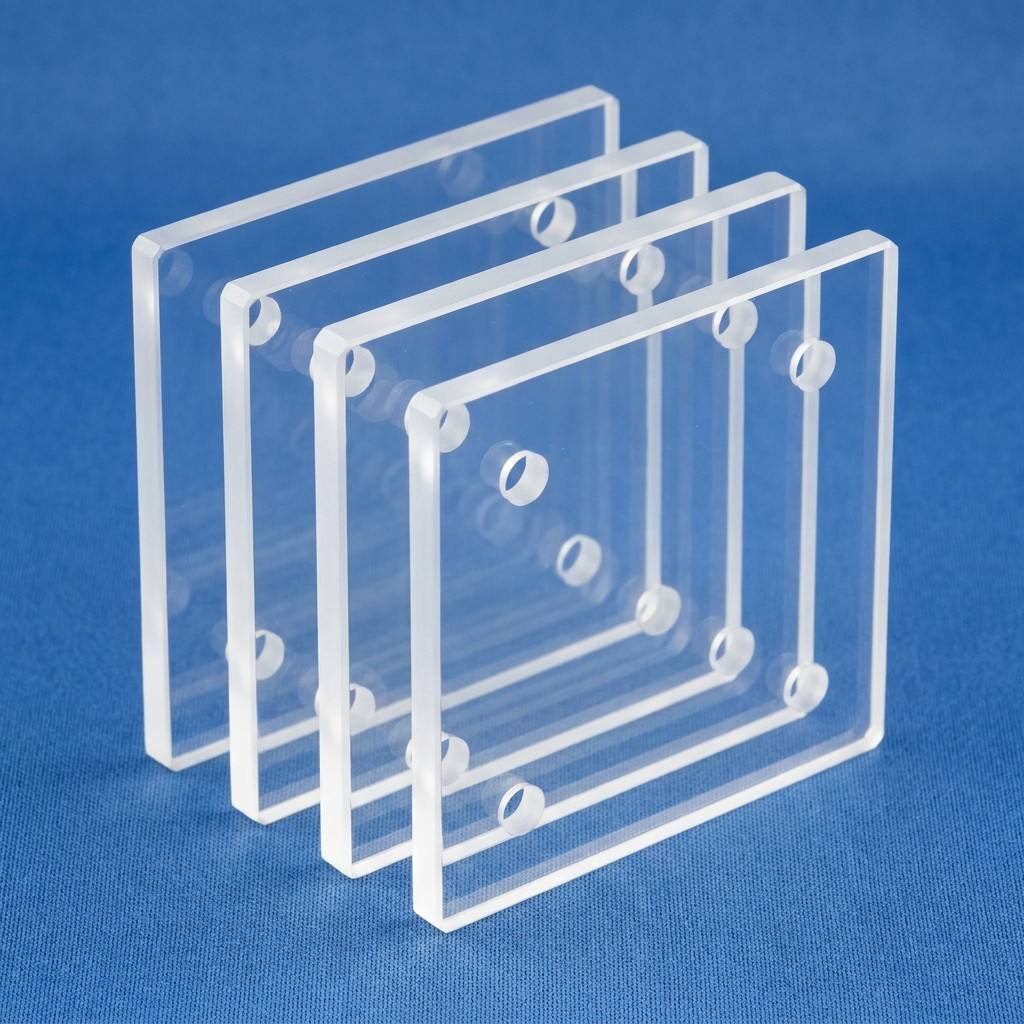
Yes, absolutely. Our flame-working and CNC ultrasonic grinding workshops build customized wafer carriers, combustion boats, diffusion cradles, and slotted plates directly from customer specifications. Buyers can submit formats including .DWG, .DXF, .STEP, or dimensioned PDF schematics. We regularly accommodate customized slot pitches, wafer pocket depths, handle styles, and integrated thermocouple wells.
What are the freight routes and logistics lead times for deliveries to the Tiraspol region?
For urgent maintenance components, optical windows, and prototype sample runs, we deploy expedited international air couriers (such as DHL, FedEx, or specialized air freight forwarding) with typical transit windows of 5 to 9 business days. For bulk container shipments of large boiler sight glasses, raw quartz tubes, or high-volume crucibles, cargo is routed via multimodal sea-to-rail/truck routes through designated Eastern European hub ports (such as Constanța) before secure overland delivery directly to your facility.
How does high-purity fused silica resist devitrification during prolonged heating cycles?
Devitrification—the transition of amorphous vitreous silica into crystalline cristobalite—is accelerated primarily by high thermal exposure combined with surface alkali contaminants (sodium, potassium, lithium, or calcium). By sourcing ultra-pure quartz sand containing ≤ 20 ppm total metallic impurities and implementing strict cleanroom flame annealing, our quartz products exhibit exceptional resistance to surface nucleation, ensuring thousands of continuous operating hours at 1,100°C without clouding or microcracking.
What export documentation is provided to satisfy regional Transnistrian and Moldovan customs?
VEZLO provides full export compliance dossiers with every batch. This includes commercial invoices, standardized packing lists specifying net/gross weights and HS codes (e.g., Chapter 70 for fused quartz and vitreous silica wares), Certificates of Origin, Factory Acceptance Inspection Reports (FAIR), Spectrophotometric Transmission curves (for optical grades), and Raw Material Purity Assay Certificates.
How does VEZLO protect fragile quartz glassware and tubes from transit fracture?
Our comprehensive export packaging methodology includes individual wrapping in pearl cotton (EPE), vacuum-sealed cushioning, internal corner buffering, and external suspension within heavy-duty, reinforced fumigation-free plywood shipping cases. Consignments carry visible tilt/shock indicators and are palletized with forklift skids to eliminate handling stress across international logistics hubs.