Standard & Custom Fabricated Quartz Optical Components
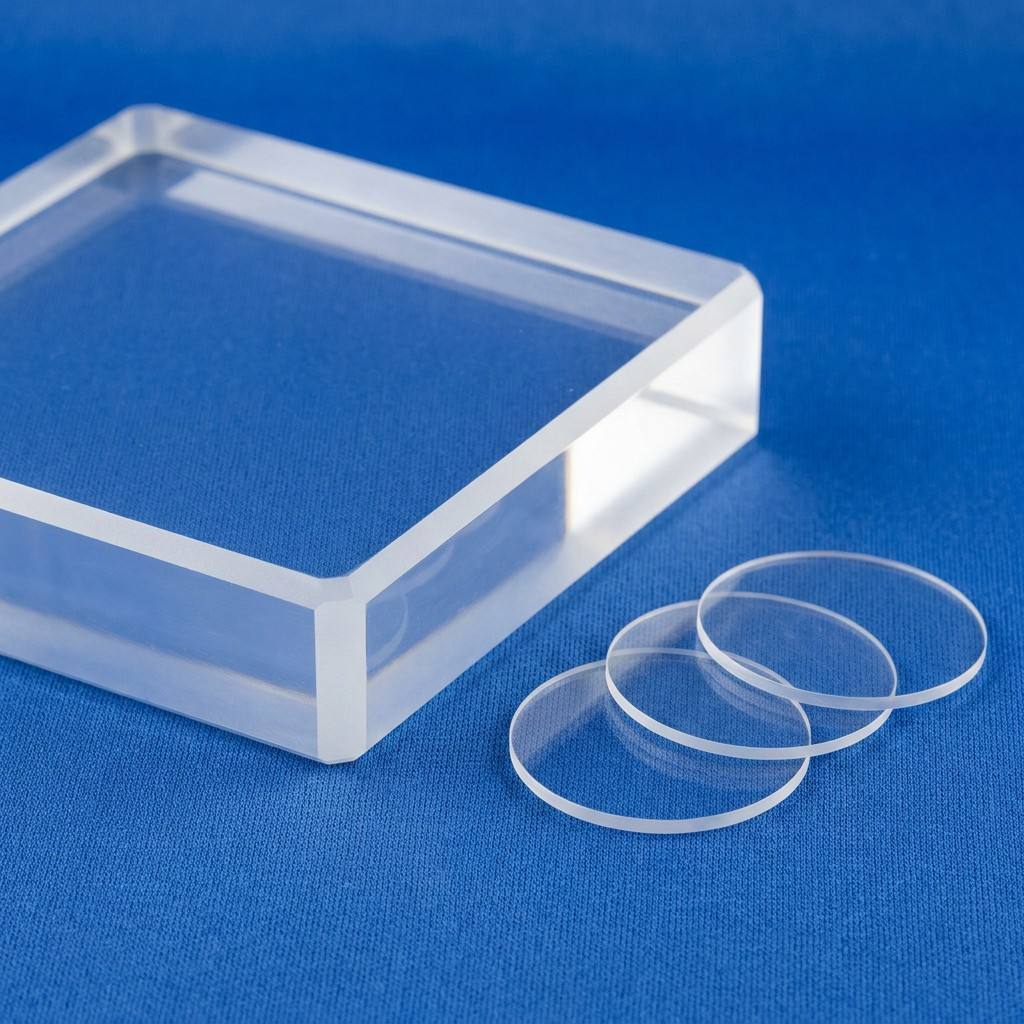
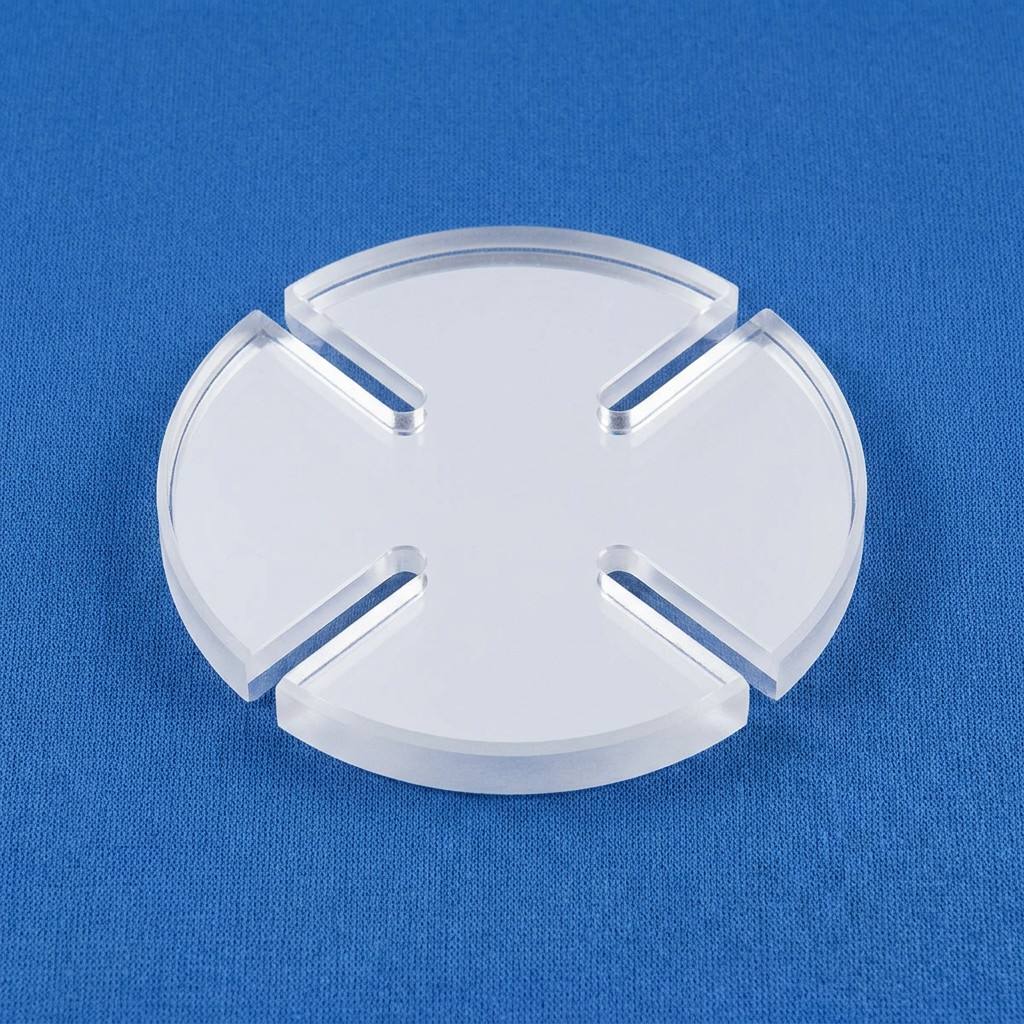
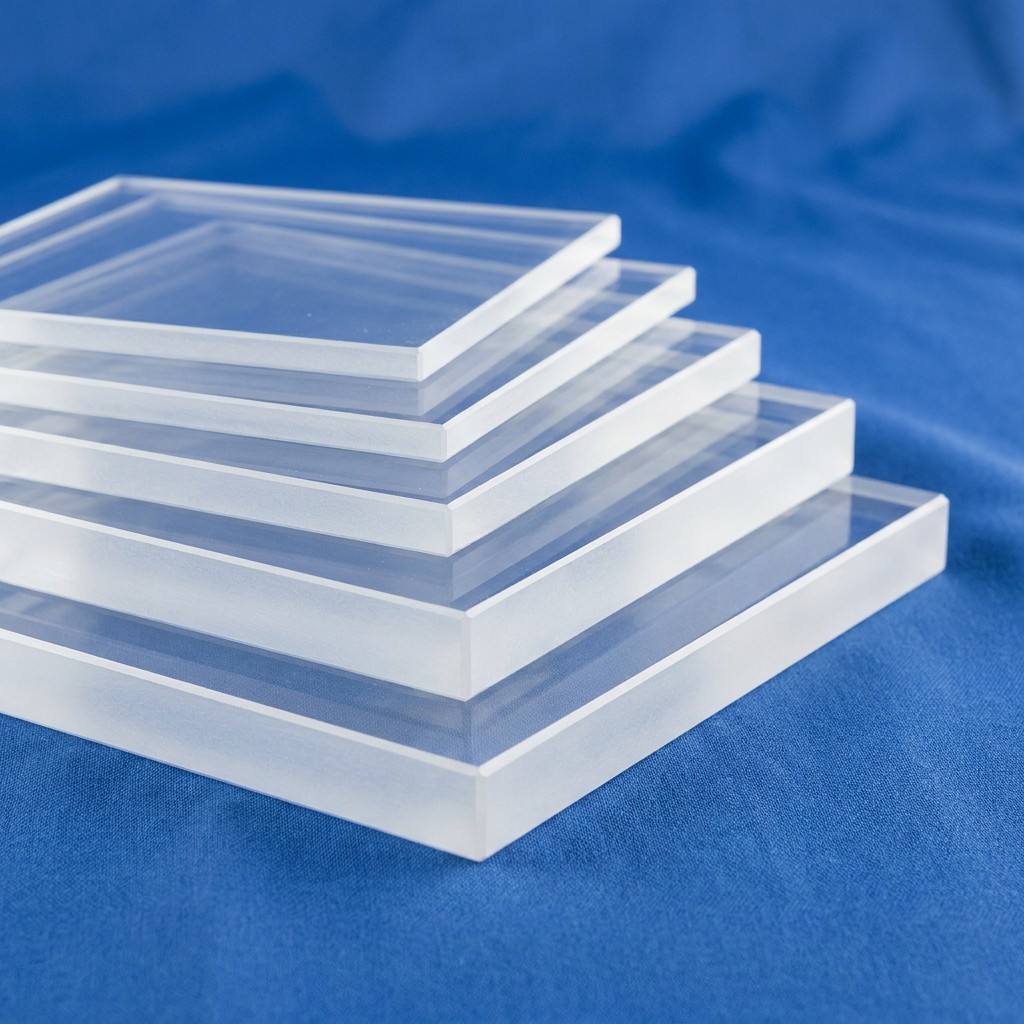
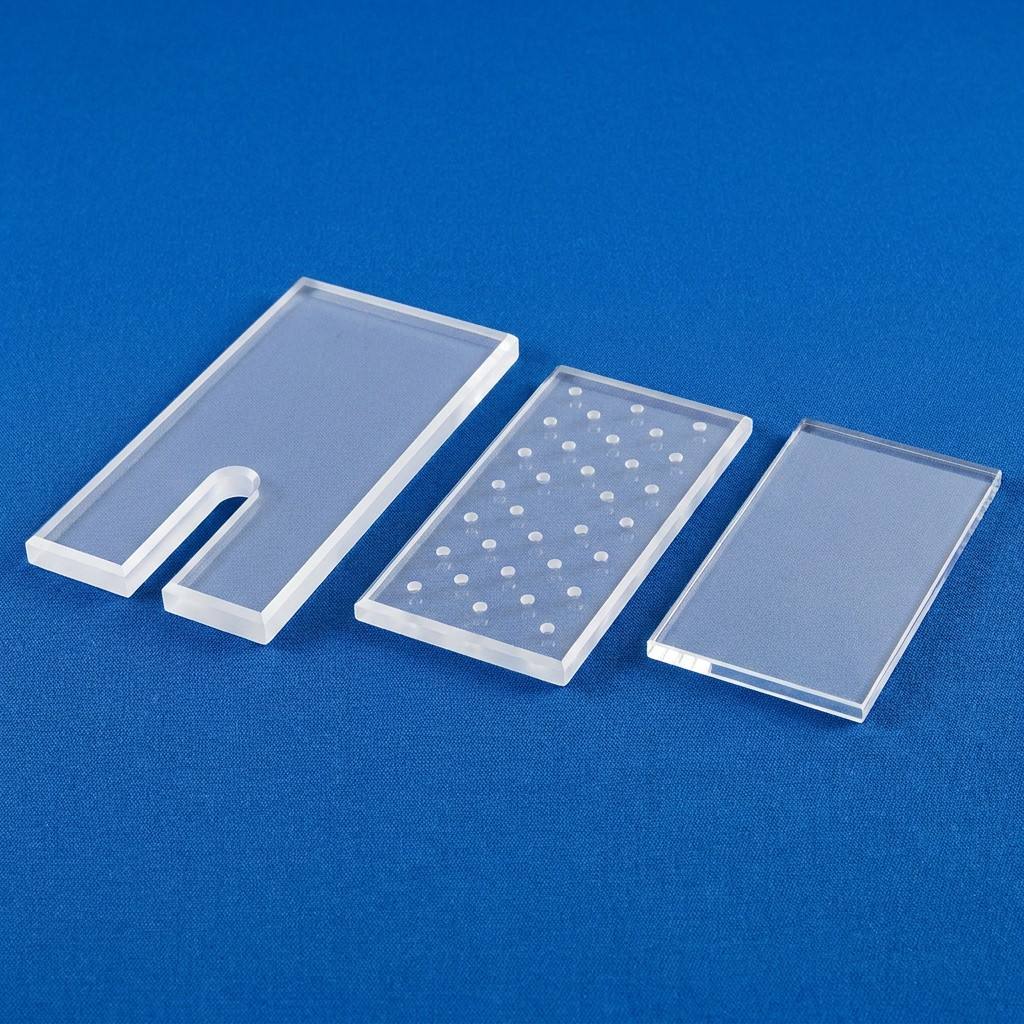
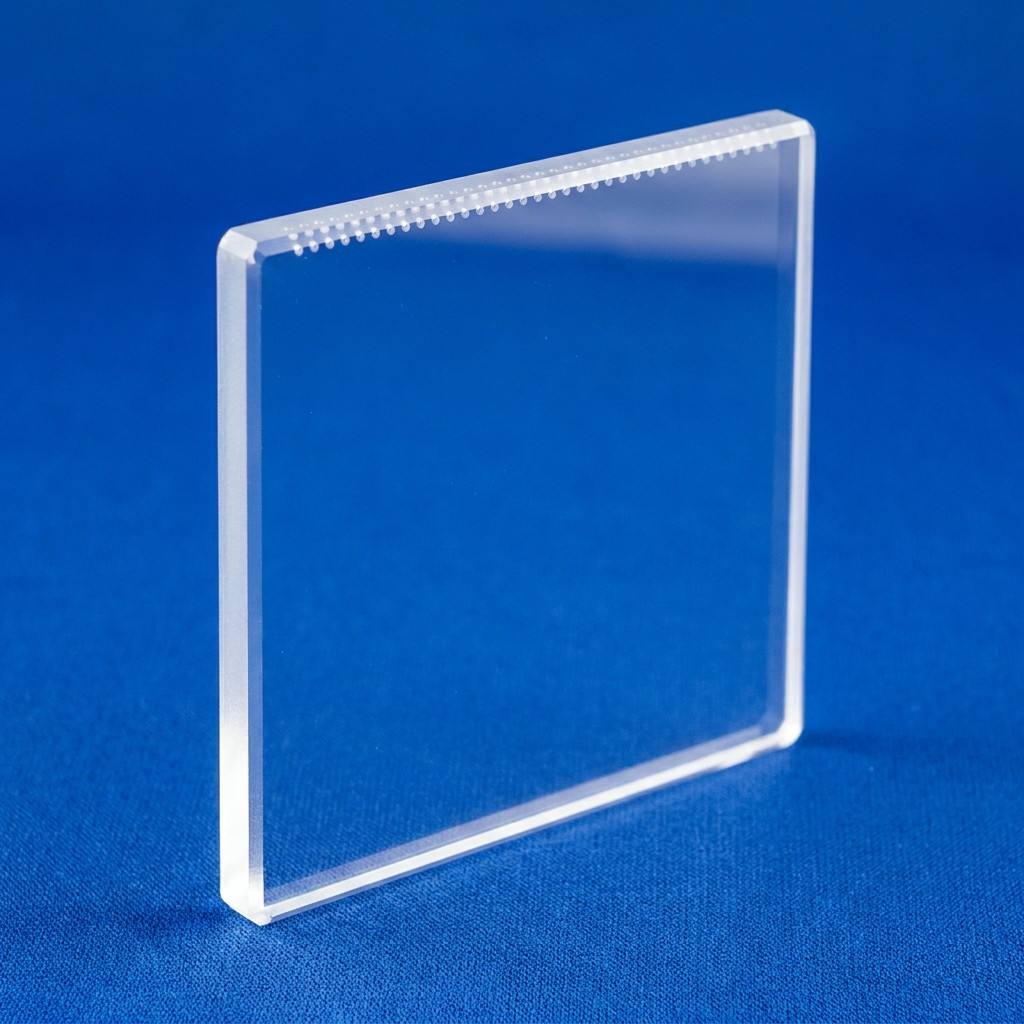
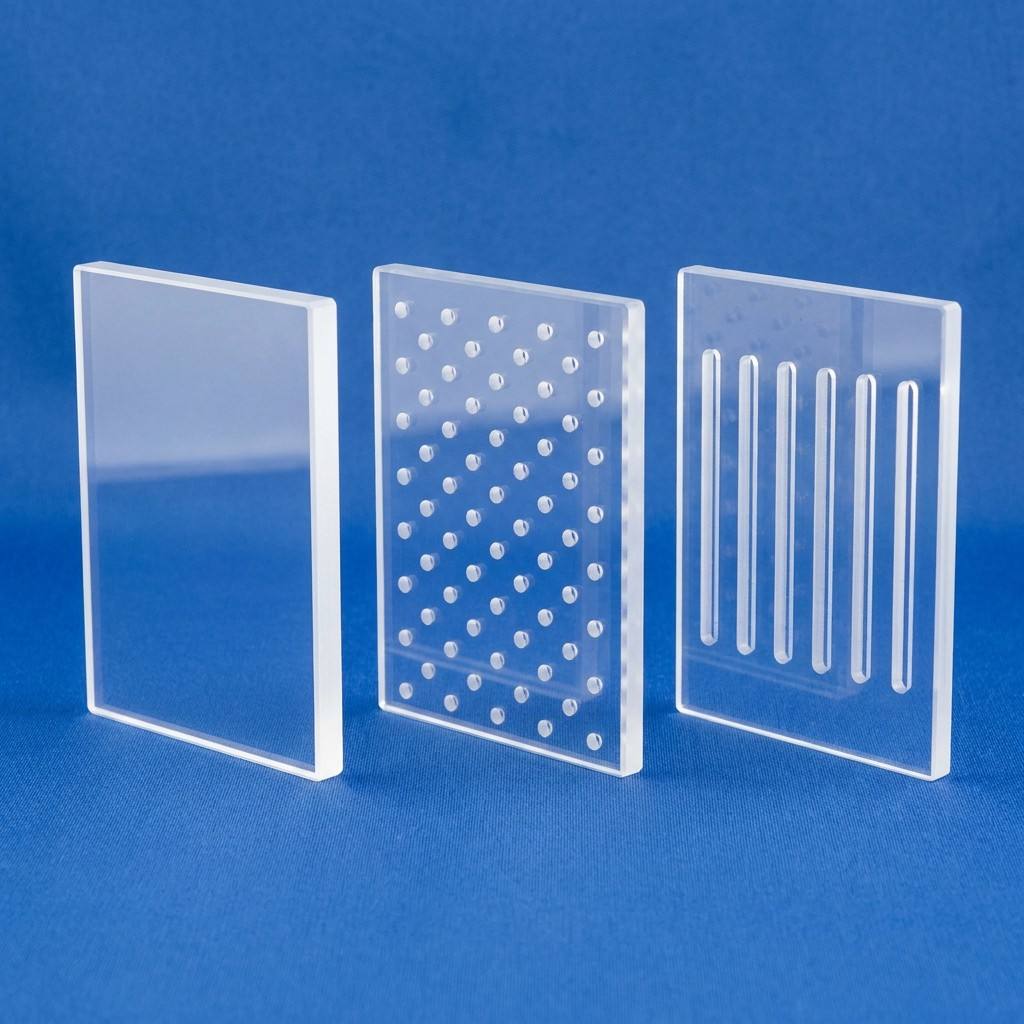
Directly manufactured using high-purity synthetic fused silica (JGS1) and optical quartz (JGS2). Our precision CNC grinding, ultrasonic polishing, and flame fusion processes guarantee rigorous dimensional stability and unmatched spectral transmission from 190 nm to 2500 nm.


Navigating Precision Quartz Cuvette Procurement for Oslo's Advanced Analytical Laboratories
Spectrophotometry across academic, clinical, and industrial complexes in the Greater Oslo region requires uncompromising standards for optical transmission, structural parallelism, and chemical resilience. Analytical outcomes governed by the Beer-Lambert law (A = ε · c · l) depend directly upon the fidelity of the pathlength (l). A minor mechanical deviance of ±0.05 mm on a standard 10 mm absorption cell translates into an automatic 0.5% systematic measurement error, fundamentally compromising downstream quantitative determinations in pharmaceutical drug discovery, clinical pathology, and environmental aquatic testing.
As a vertically integrated quartz manufacturer established in Donghai County—the definitive quartz capital of China—we bridge the geographic distance to Norway by supplying factory-direct, high-precision synthetic fused silica (UV Quartz, JGS1) and optical fused quartz (JGS2) cuvettes. Our synthesis protocols leverage raw crystalline feedstock exhibiting conventional trace metallic impurities below 20 ppm, ensuring Oslo’s analytical laboratories receive cells devoid of internal crystalline inclusions, striae, or micro-bubble matrices that induce unwanted Rayleigh scattering.
Molecular Fusion vs. Adhesive Bonding: The Integrity of Optical Cells
Traditional lower-tier analytical cells often employ epoxy resins or low-temperature glues to adhere the optically transparent windows to the sintered wall plates. In demanding Nordic lab environments—such as laboratories using corrosive organic solvents, aromatic hydrocarbons, or aggressive acid washes like aqua regia—adhesive-bonded cells experience rapid chemical delamination, optical clouding, and catastrophic sample cross-contamination. Our manufacturing facility uses proprietary high-temperature molecular fusion welding above 1680°C. The joint boundaries melt seamlessly into unified amorphous silicon dioxide matrices, delivering lifetime chemical inertness against all organic solvents, concentrated hydrochloric acid, sulfuric acid, and high-temperature thermal cycling.
| Material Classification | Spectral Range | Nominal UV Transmission (at 200 nm) | Thermal Shock Threshold | Primary Laboratory Applications |
|---|---|---|---|---|
| Synthetic Fused Silica (JGS1 / Suprasil Equivalent) | 190 nm – 2500 nm | ≥ 82% – 85% | ΔT = 1100°C | Deep-UV proteomics, DNA/RNA quantification, HPLC optical flow detectors |
| Optical Fused Quartz (JGS2 / Infrasil Equivalent) | 220 nm – 2500 nm | ≥ 75% – 80% | ΔT = 1100°C | Standard UV-Vis absorption, routine industrial photochemistry, organic synthesis |
| Far Infrared Quartz (JGS3) | 260 nm – 3500 nm | ≥ 88% (NIR band) | ΔT = 1050°C | Near-infrared spectroscopy, petroleum fraction testing, process gas chromatography |
| Optical Crown Glass (BK7 / OG) | 340 nm – 2500 nm | 0% (Opaque in UV) | ΔT = 150°C | Visible light colorimetry, clinical routine assays (400–700 nm), educational biology |
To assure baseline standardization for institutional researchers at Forskningsparken and Gaustad, every production batch undergo laser interferometric verification. We enforce window flatness to within λ/4 at 632.8 nm, minimize window parallelism deviation below 15 arcseconds, and certify optical transmission consistency across paired matched sets within ΔT ≤ 0.25% across the entire wavelength continuum.
Tailored Applications Across Oslo's Scientific & Industrial Hubs
Oslo represents a uniquely sophisticated market with heavy capital concentration in clinical immunology, environmental maritime sciences, and renewable energy development.
Oslo Science Park & Biotech Incubators
In the biopharmaceutical research clusters surrounding the University of Oslo (UiO) and Oslo Cancer Cluster, our sub-micro volume quartz cuvettes (45 μL to 100 μL) enable precise DNA, RNA, and monoclonal antibody characterization without wasting precious micro-liter biological isolates.
Oslo Fjord & Marine Environmental Testing
Institutes like NIVA (Norwegian Institute for Water Research) monitor coastal fjord ecosystems, tracking polycyclic aromatic hydrocarbons (PAHs) and microplastic pollutants. Our optical flow cells and long-pathlength (50 mm – 100 mm) cuvettes deliver high sensitivity for low-concentration marine contaminants.
Renewable Energy & Battery Research
Collaborative energy initiatives at SINTEF Oslo and the Institute for Energy Technology (IFE) rely on our heat-resistant, optically polished fused quartz substrate plates and electrochemical quartz cuvettes to analyze electrolyte breakdown dynamics and advanced battery interfaces under UV-Vis excitation.
Technological Trends Reshaping Laboratory Procurement in Norway
Laboratory supply chains in Norway are evolving beyond standard off-the-shelf catalog ordering toward customized, high-yield, and ecologically sustainable supply channels.
Micro-Volume Flow & Process Automation
Continuous-flow bioprocessing and high-throughput automated screening platforms demand custom flow-through cuvettes integrated with PEEK or PTFE micro-tubing. Custom micro-machined quartz geometries reduce reagent consumption and eliminate dead volumes during automated spectral sampling.
Shift from Disposable Polymers to Pure Silica
Due to European Green Deal priorities and strict Norwegian lab sustainability directives, laboratories are reducing single-use plastic consumables. High-durability fused silica cuvettes provide endless operational reuse cycles with standard chemical decontamination, lowering institutional plastic waste footprints.
Direct OEM Integration for Sensor Developers
Oslo's burgeoning hardware start-ups developing portable water sensors, aquaculture diagnostic tools, and NIR oil-monitoring systems require customized quartz optical sight plates and non-standard cuvette forms manufactured straight from CAD drawings to bypass distributor markups.
Engineered Purity: Why Oslo Laboratories Source from Us
Our manufacturing infrastructure in Donghai County—China's premier quartz capital—delivers full structural oversight from raw mineral refinement to cleanroom-packaged optical exports.
Source-Level Raw Material Control
Operating a dedicated 50-mu production base with over RMB 10 million in fixed assets, we purify quartz feedstock down to ≤20 ppm total metallic impurities. This structural clarity minimizes solarization defects and protects optical transmission under persistent UV irradiation.
CNC Precision & Thermal Flame Machining
We combine advanced multi-axis CNC glass machining with meticulous manual flame-working. From multi-hole drilled plates to customized fluorometer cuvettes polished on all four sides, every component adheres to strict micro-tolerances certified before crating.
Export-Grade Integrity & Fast Response
Fragile quartz shipments bound for Oslo are protected with multi-layer high-density EVA shock suspension within export-grade reinforced cartons or fumigation-free wooden crates. Our international technical sales team responds to engineering briefs within ≤2 hours.
Frequently Asked Questions for Norwegian Buyers
Essential information on technical selection, Norwegian import compliance, and operational maintenance.
How do I determine whether my lab needs JGS1 (Synthetic) or JGS2 (Optical Quartz)?
If your protocol performs spectroscopic measurements below 220 nm (such as peptide bond absorption at 190–205 nm, nucleic acids at 260 nm with critical purity ratios, or deep-UV ozone detection), JGS1 synthetic fused silica is essential due to its transmission exceeding 80% at 200 nm. If your work operates in the conventional UV-Vis band (240–800 nm), JGS2 provides superior mechanical durability and thermal shock resistance at a more cost-effective investment.
What documentation is provided for clearance through Norwegian Customs (Tolletaten)?
All laboratory glassware shipments are fully documented under HS Code 7017 (Laboratory, hygienic or pharmaceutical glassware, whether or not graduated or calibrated). We provide comprehensive Commercial Invoices, Packing Lists indicating net and gross weights, Certificates of Conformity (CoC), and raw material purity test sheets. Norwegian corporate entities registered in the Altinn system can easily clear VAT (MVA) without administrative bottlenecks.
What are the transit lead times to delivery addresses in Greater Oslo?
Standard catalog and verified drawing cuvettes are dispatched from our factory within 48 to 72 hours. For air cargo routes routed into Oslo Gardermoen (OSL) via premium express partners (DHL Express, FedEx, UPS), total transit time typically averages 4 to 6 business days. Bulk laboratory glassware or customized reactor sight tubes can also be consolidated for maritime container shipping directly to the Port of Oslo (Oslo Havn).
What is the recommended cleaning protocol to prevent optical solarization?
Never scrub optical quartz windows with abrasive materials or wire supports. We recommend immersing contaminated cells in 3M nitric acid or a specialized non-alkaline glass laboratory detergent solution, followed by extensive triple-rinsing with analytical 18.2 MΩ deionized water. Avoid concentrated alkaline solutions (NaOH, KOH) above pH 9.5, as prolonged exposure can hydrolyze polished silica surfaces, introducing microscopic haze and baseline drift.
Request Your Custom Quartz Cuvette Quotation
Whether you require matched-pair standard 10 mm spectrophotometer cells, specialized screw-cap anaerobic cuvettes, or custom CNC-machined fused silica substrate plates, our optical engineers in Donghai provide immediate technical feasibility reviews, CAD confirmations, and prompt international shipment to Oslo.