Featured Quartz Glass & Optical Substrates
Directly integrated with high-purity continuous thermal drawing, precision CNC profile grinding, and optical-grade edge finishing for demanding industrial and laboratory specifications.
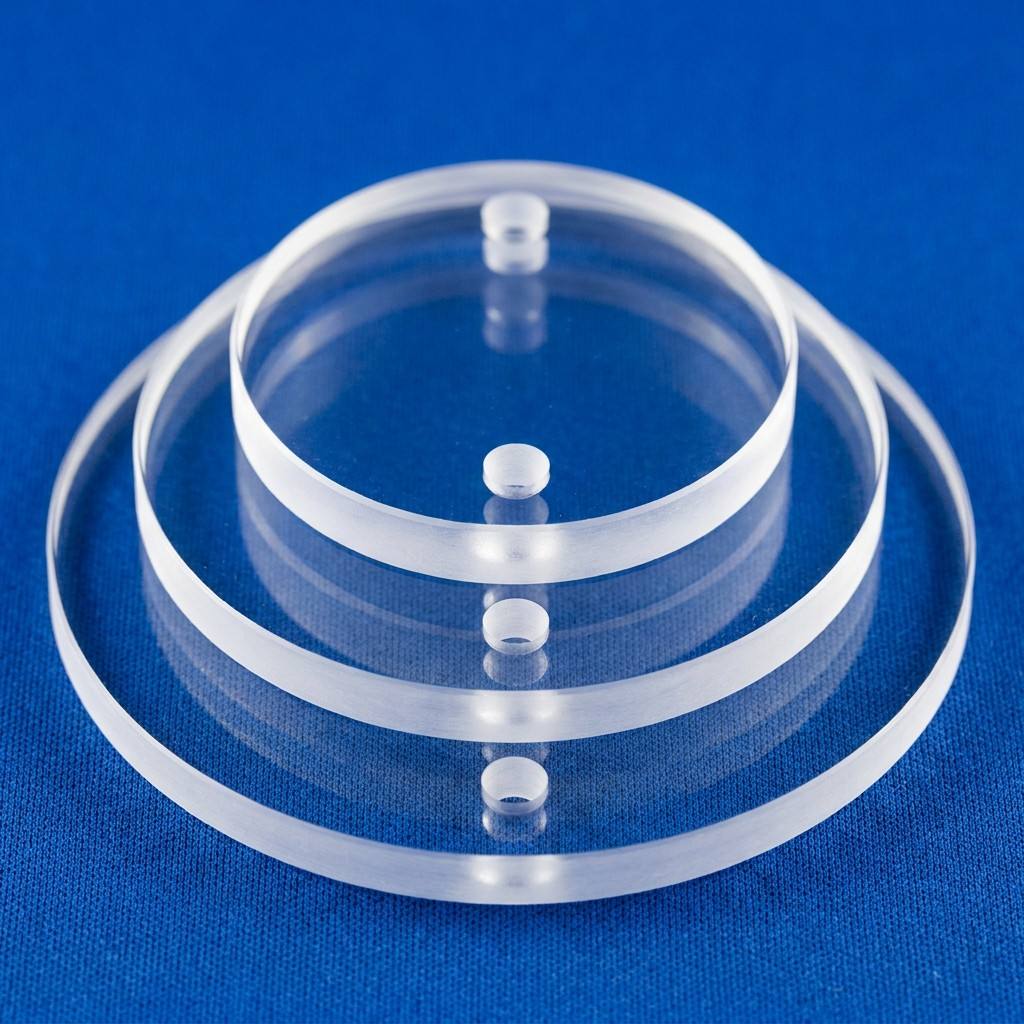
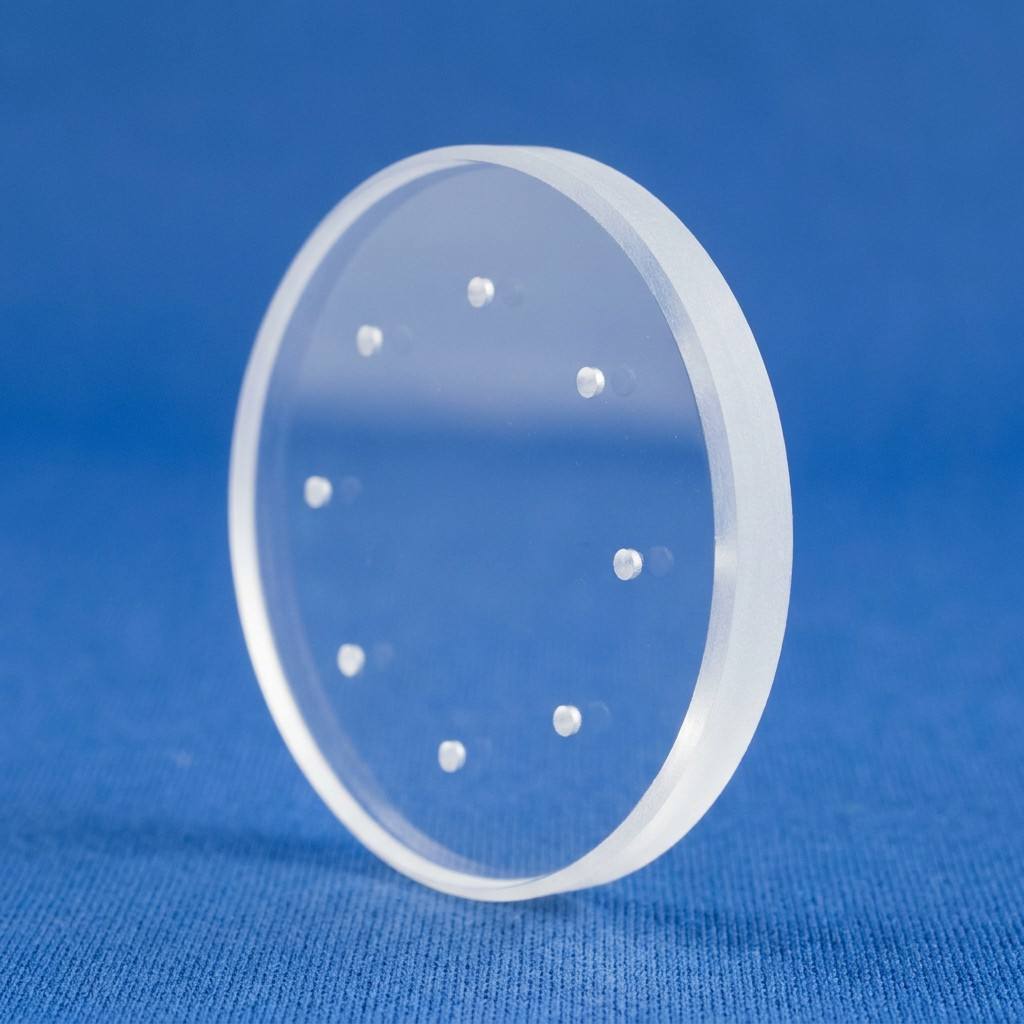
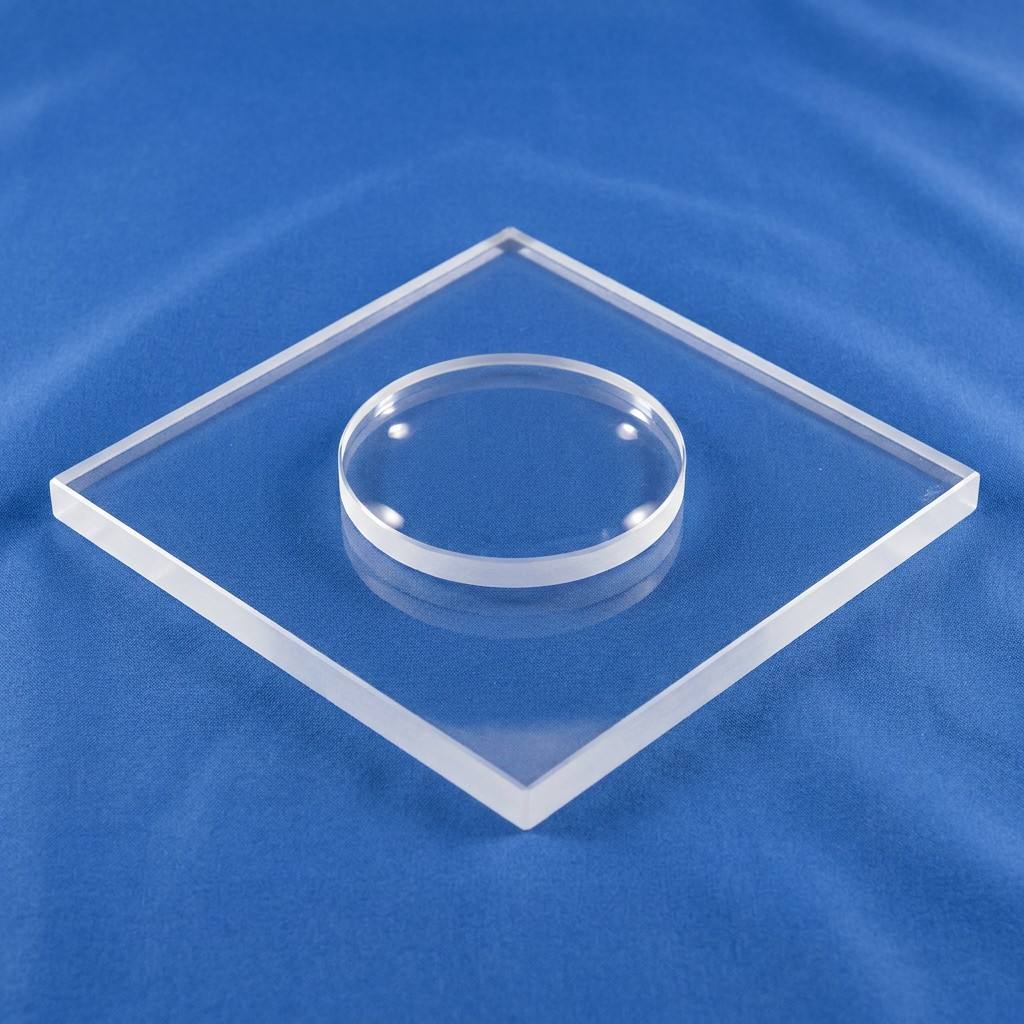
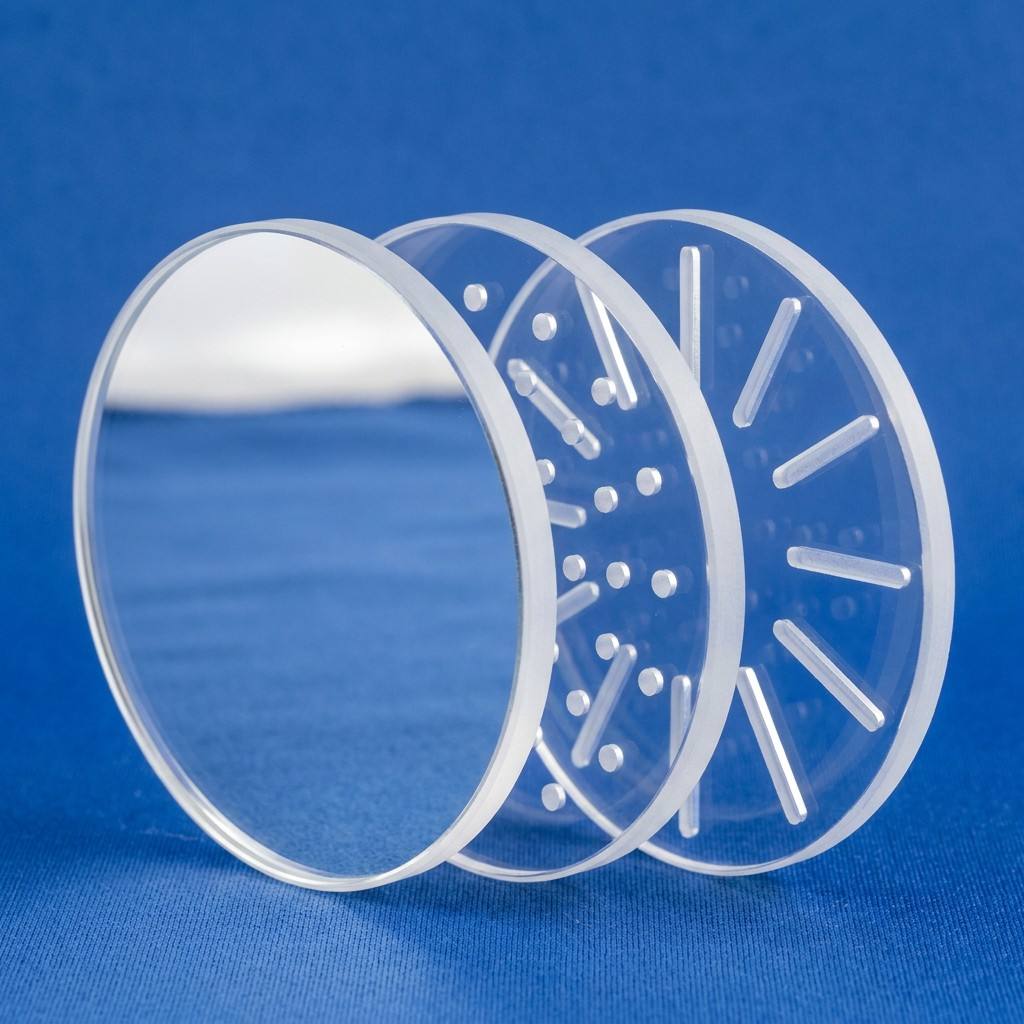

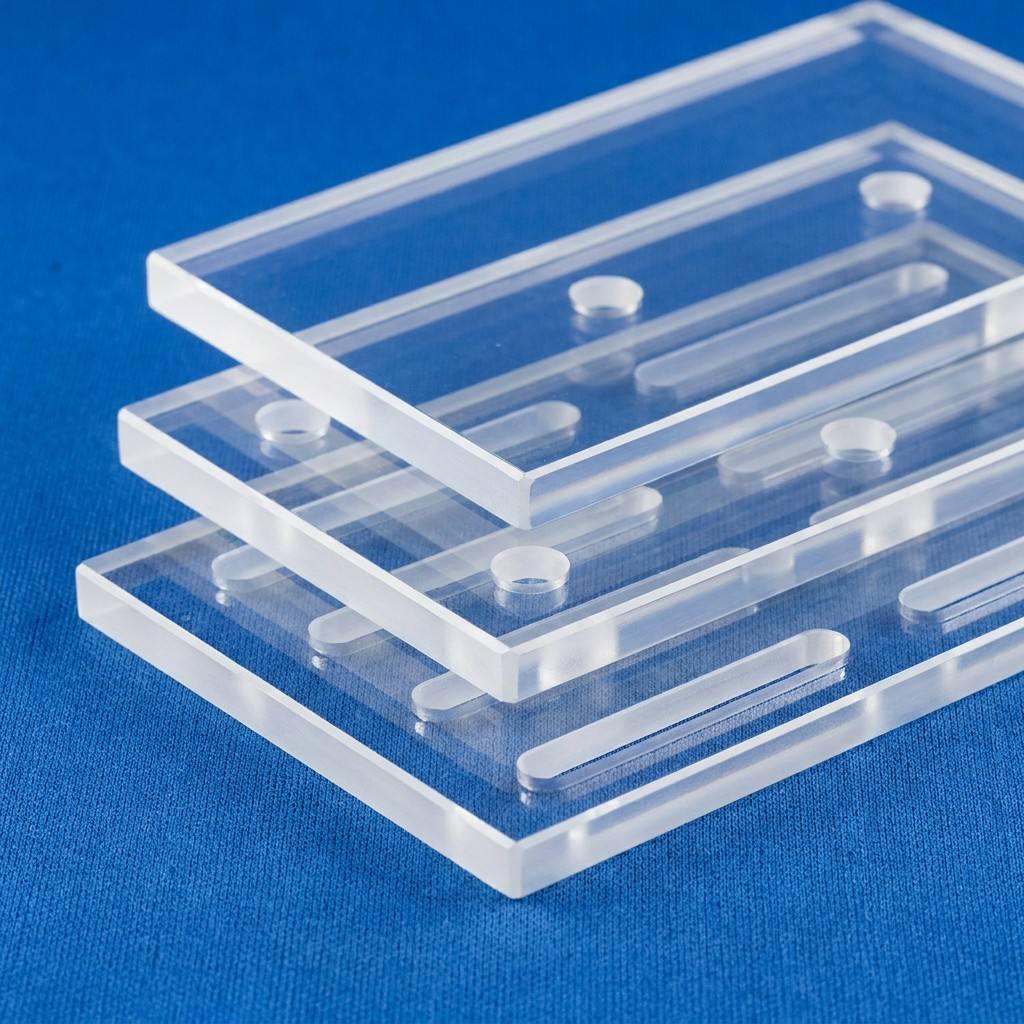

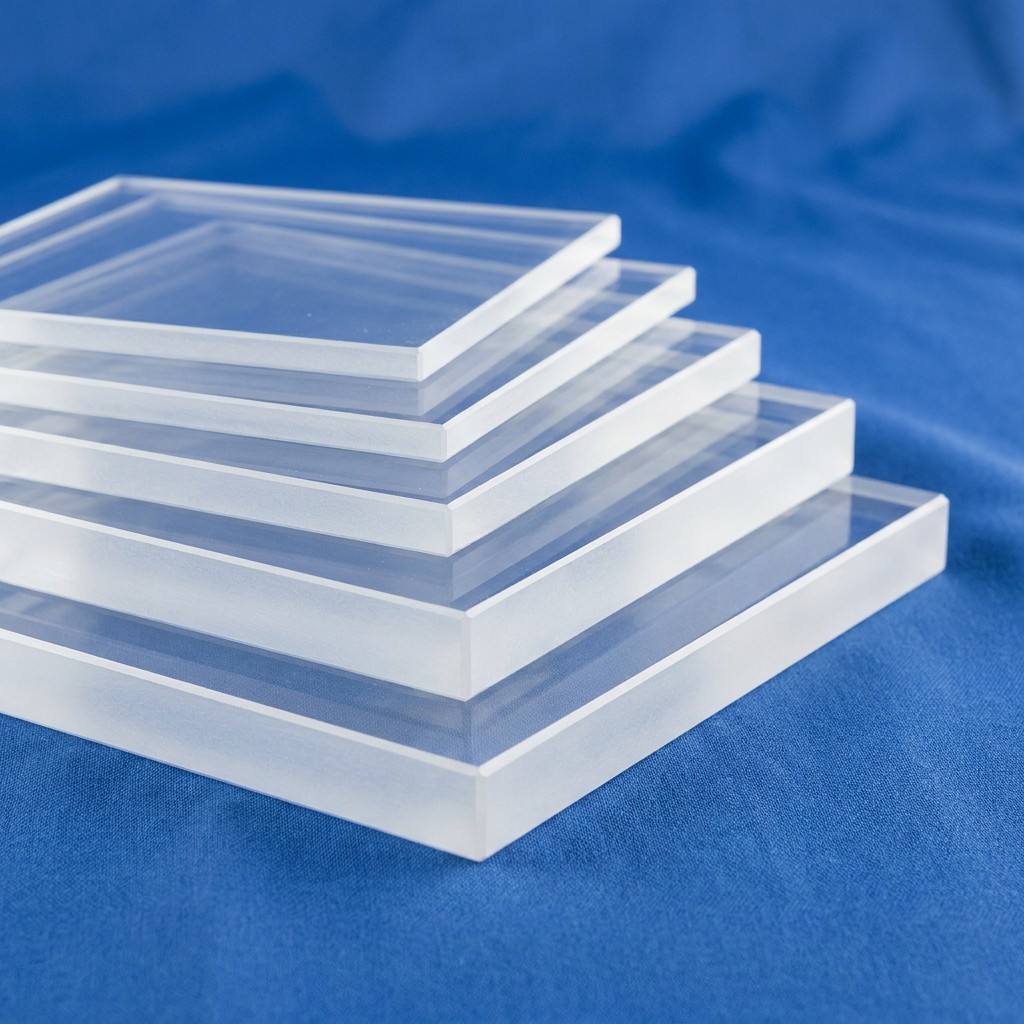
Industrial Specification & Materials Whitepaper: Quartz Cylinders in the UK Metrology Landscape
In high-precision optical, thermal, and vacuum environments across Greater London and the broader United Kingdom, quartz cylinders and heavy-wall fused silica tubes serve as indispensable structural conduits. Fused quartz cylinders are manufactured by melting naturally occurring high-purity quartz crystal or synthesized silicon precursors (synthetic fused silica, $SiO_2 \ge 99.99\%$). This creates an amorphous glassy network that possesses physical characteristics that borosilicate, aluminosilicate, and soda-lime glass cannot achieve.
For London's precision photonics laboratories, aerospace developers, and advanced biopharma facilities, the procurement of quartz cylinders revolves around several critical physical benchmarks: an exceptionally near-zero thermal expansion coefficient ($5.5 \times 10^{-7}/\text{°C}$ from 20°C to 320°C), superior continuous operational stability up to 1,100°C (with peak excursions reaching 1,300°C), virtually zero thermal birefringence, and broad spectral transmission stretching from deep ultraviolet (DUV 185 nm) through short-wave infrared (SWIR 3,500 nm).
Whether deploying high-pressure sight cylinders in maritime petrochemical installations along the Thames Estuary, or commissioning ultra-clean vacuum chambers at the White City Innovation District, specifying the appropriate quartz cylinder requires understanding the exact boundary conditions between natural electrically fused quartz (Type II), gas-fused quartz (Type I), and synthetic chemical vapor deposition silica (Type III/IV).
Quartz Cylinder Applications Across London Ecosystems
Engineered for cleanroom instrumentation, photonic sensor arrays, and vacuum test benches across the UK’s premier industrial and university corridors.
Quantum Computing & Integrated Photonics
Within London’s emerging quantum clusters around King’s Cross, Bloomsbury, and Imperial College London, cylindrical fused silica envelopes function as ultra-high vacuum (UHV) cell chambers. Their low helium permeability, non-magnetic nature, and ultra-low internal stress birefringence prevent wave-front distortions in trapped-ion experiments and laser cooling arrays.
Biopharma & Microfluidic Flow Cells
London’s Knowledge Quarter and the life sciences corridor in Southwark rely heavily on synthetic silica cylinders for continuous chromatographic columns, flow-cytometry optical cells, and deep-UV sterilization sleeves. Fused quartz is completely inert to organic solvents and harsh sanitization acids (excluding hydrofluoric acid), preventing metallic contamination during synthesis.
Industrial Boiler & Reactor Sight Glasses
Along the River Thames, maritime transit lines, and Greater London district heating plants, high-pressure quartz sight cylinders allow safe real-time visual inspection of volatile reactions. The near-zero thermal expansion eliminates catastrophic failure during sudden temperature swings, such as cold water splashes onto a 900°C viewing surface.
High-Intensity UV Curing & Plasma Etch
London advanced manufacturing workshops and electronics prototype labs deploy quartz cylinders as envelopes for high-output excimer lamps, mercury vapor fixtures, and plasma etching liners. Doped ozone-free cylinders selectively filter out 185 nm rays while transmitting peak germicidal and photochemical curing lines at 254 nm and 365 nm.
Aerospace & High-Temperature Furnace Tubes
Connecting with aerospace testing labs in Farnborough and the South East corridor, our cylinders are employed as diffusion core tubes, pyrometry isolation tubes, and vacuum furnace muffles. With continuous operation at 1,100°C, these cylinders withstand severe thermal cycles without sagging or devitrification.
UK & London Market Trends: The Shift to Large-Bore, High-Purity Cylinders
The manufacturing sector in the UK has undergone significant restructuring following the adoption of advanced silicon photonics, clean hydrogen test facilities, and localized semiconductor fabrication under national microelectronics initiatives. As London tech hubs pivot toward smaller footprint, higher-efficiency cleanrooms, several distinct procurement shifts have occurred:
- Transition from Standard Diameters to Large-Format Tubes: British semiconductor researchers are moving from legacy 100 mm and 150 mm furnace designs toward 300 mm and even 520 mm large-diameter fused quartz cylinders for batch oxidation and chemical vapor deposition (CVD). VEZLO’s proprietary development of 520 mm high-purity quartz cylinders directly addresses this scaling demand.
- Stringent Purity Demands ($\le 20\text{ ppm}$ Trace Metals): Trace alkali ions ($Na^+$, $K^+$, $Li^+$) accelerate devitrification at temperatures above 1,000°C and ruin wafer yields. London process engineers increasingly specify heavy-wall quartz cylinders with total alkali content controlled below $1.5\text{ ppm}$.
- Direct-from-Source Procurement: Due to rising overhead costs among domestic UK distributors, London-based procurement managers are actively seeking direct partnerships with source manufacturers in primary mineral hubs like Donghai, China, eliminating multi-tiered markups while guaranteeing custom-drawing precision.
Furthermore, the rapid growth of localized UV-C surface and air treatment systems within the London public transport and healthcare sectors has driven steady consumption of hydroxyl-controlled synthetic quartz cylinders, ensuring maximized transmittance without solarization degradation over prolonged lifecycles.
Fused Quartz Cylinder Physical & Thermal Properties
Direct comparative metrics validating structural performance under extreme thermodynamic and optical stresses.
| Physical / Chemical Property | Standard Fused Quartz (Natural) | Synthetic Fused Silica (UV Grade) | Engineering Impact for UK Buyers |
|---|---|---|---|
| $SiO_2$ Purity Content | ≥ 99.99% | ≥ 99.9999% | Prevents wafer contamination and devitrification. |
| Coefficient of Thermal Expansion (CTE) | $5.5 \times 10^{-7} \text{ /°C}$ | $5.2 \times 10^{-7} \text{ /°C}$ | Near-zero expansion eliminates thermal-shock breakage. |
| Maximum Working Temp (Continuous) | 1,100 °C | 1,150 °C | Essential for furnace tubes, muffles, and high-temp lamps. |
| Softening Point | 1,683 °C | 1,730 °C | Defines upper forming limits and torch-welding safety. |
| Refractive Index ($n_d$, 589.3 nm) | 1.4585 | 1.4584 | Consistent optical path for sight glasses and flow cells. |
| UV Transmission Cut-off | ~220 nm | ~185 nm (Deep UV) | Synthetic silica is required for high-energy excimer lasers. |
| Dielectric Strength (at 20°C, 1MHz) | 25 – 40 kV/mm | ≥ 40 kV/mm | Ideal electrical insulation in RF plasma environments. |
Why London Engineers Source from VEZLO Quartz
Delivering uncompromised Chinese raw mineral advantages paired with aerospace-level machining tolerances.
Located in China's Quartz Capital
VEZLO Quartz operates an expansive 50-mu (~33,000 m²) manufacturing complex in Donghai County, Jiangsu Province. Holding over RMB 10 million in fixed assets, we melt, draw, and mechanically polish our quartz cylinders directly adjacent to primary high-purity natural silica mineral reserves, minimizing supply chain latency.
National R&D Recognition
Our proprietary 320 mm high-purity quartz tube engineering was executed under the Jiangsu Provincial Science & Technology Support Project. Furthermore, our 520 mm large-diameter high-purity quartz tube has officially passed preliminary review for National New Products, keeping us at the forefront of wafer oxidation furnace components.
Full Custom Machining & Flame Working
We do not merely supply raw drawn tubing. We execute high-precision CNC end-face grinding, cylindrical diamond core drilling, flame-polished beveling, ground taper joints, quartz flange welding, and optical surface polishing ($80/50$, $60/40$ or $20/10$ scratch-dig) strictly per client STEP or DWG drawings.
Rigorous Export Quality Assurance
Every single quartz cylinder undergoes internal stress polariscope verification, coordinate measuring machine (CMM) dimensional verification, spectrophotometer transmission validation, and bubble class grading. Verified by onsite Alibaba audit teams and third-party inspectors for absolute authenticity.
Direct London Air Freight Logistics
Fragile quartzware demands exceptional packaging engineering. Components are isolated using customized high-density pearl cotton and EPE foam inserts, encased within multi-layered shock-absorbing corrugated cartons, and crated in heavy-duty fumigation-free plywood boxes ready for direct delivery to London Heathrow (LHR).
Rapid Response Engineering Desk
UK buyers consistently operate on tight research and project milestones. Our dedicated international technical desk guarantees drawing review and engineering feedback within 2 hours. With a proven 50% reorder rate across European accounts, we are a dependable fabrication partner.
London Buyer & Engineer FAQs
Straight answers regarding tolerances, UK import regulations, material grading, and shipping protocols.
How are import duties and VAT handled when shipping quartz cylinders into London, UK?
What dimensional tolerances can VEZLO maintain on custom precision quartz cylinders?
What is the practical difference between natural fused quartz and synthetic fused silica cylinders?
Can you provide custom quartz cylinders with welded flanges, ground joints, or viewing ports?
How do you guarantee that heavy-wall or large-diameter quartz cylinders will not break during air transit?
What is an ozone-free quartz tube, and why is it frequently ordered for UK water/air sanitation systems?
Ready to Engineer Your Custom Quartz Cylinder?
Send your 2D/3D CAD drawings (PDF, DWG, STEP) along with operating temperatures, tolerance requirements, and required purity grade. Our senior glass engineers provide rapid DFM (Design for Manufacturability) analysis and factory-direct pricing within 2 hours.