Recommended Quartz Crucible & Companion Glassware
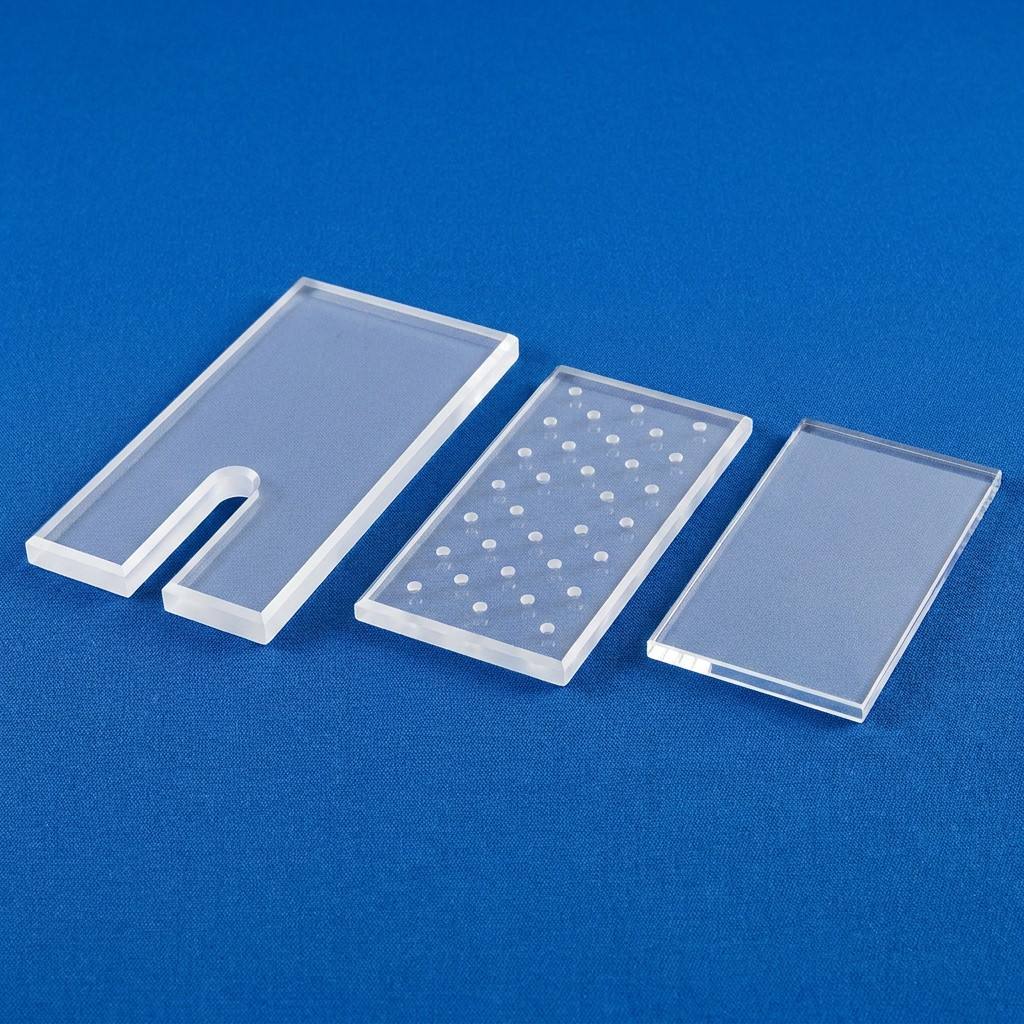
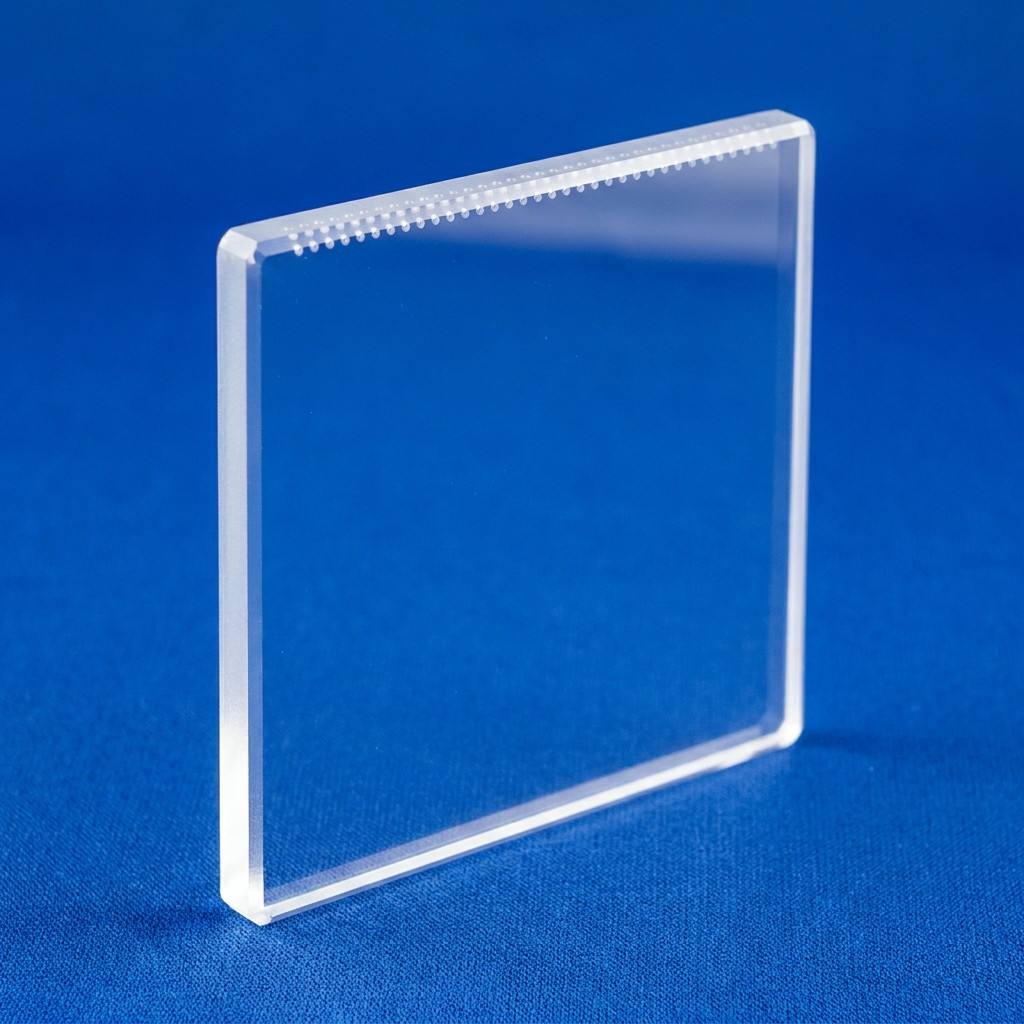
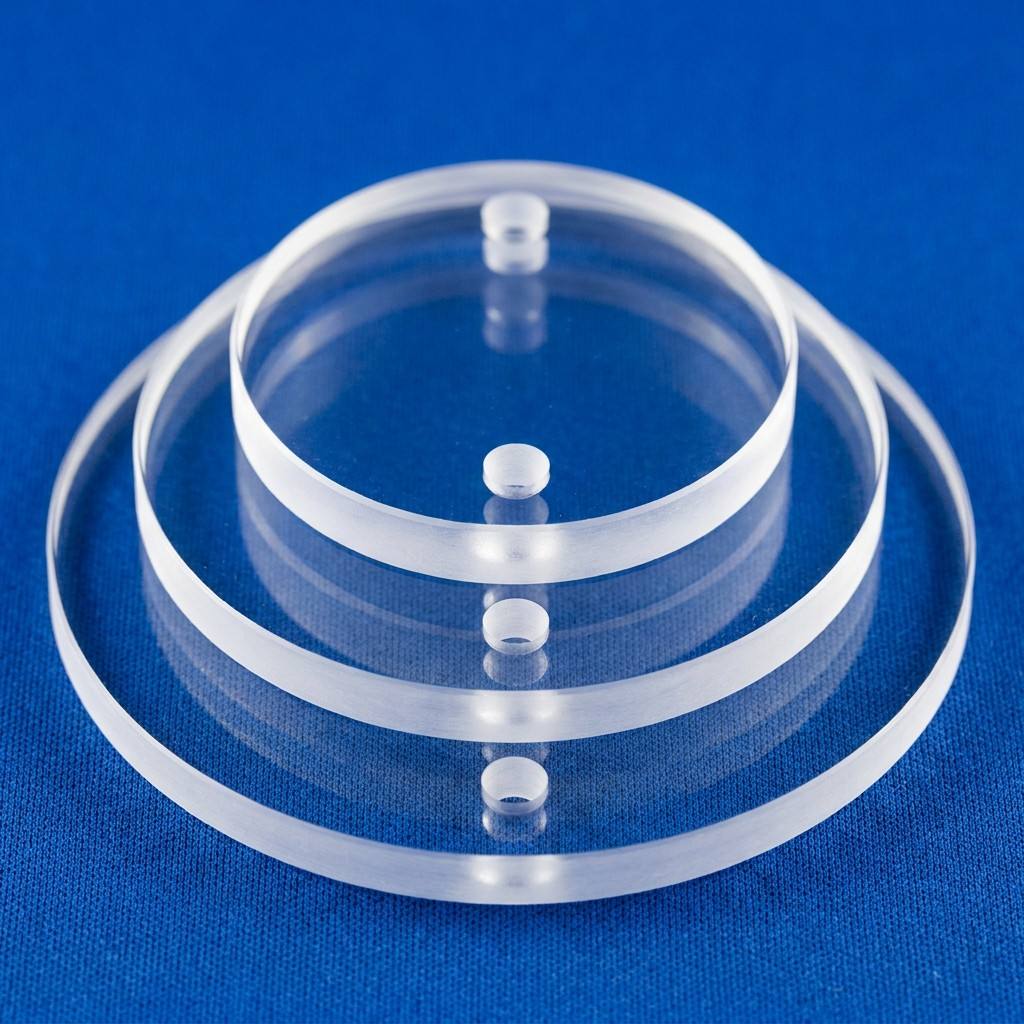
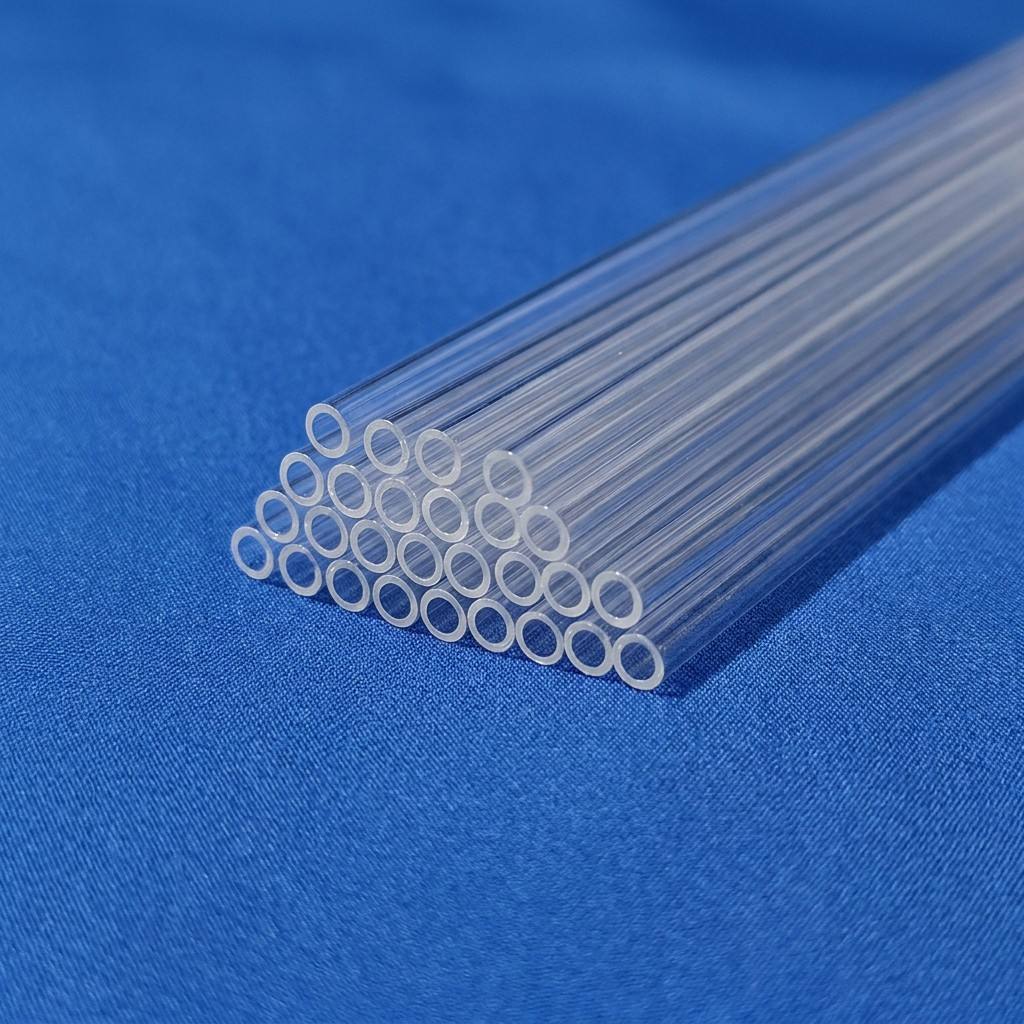
Precision-machined fused silica vessels, high-pressure sight plates, and refractory-grade tubes designed for Italian foundries and industrial thermal processing lines.


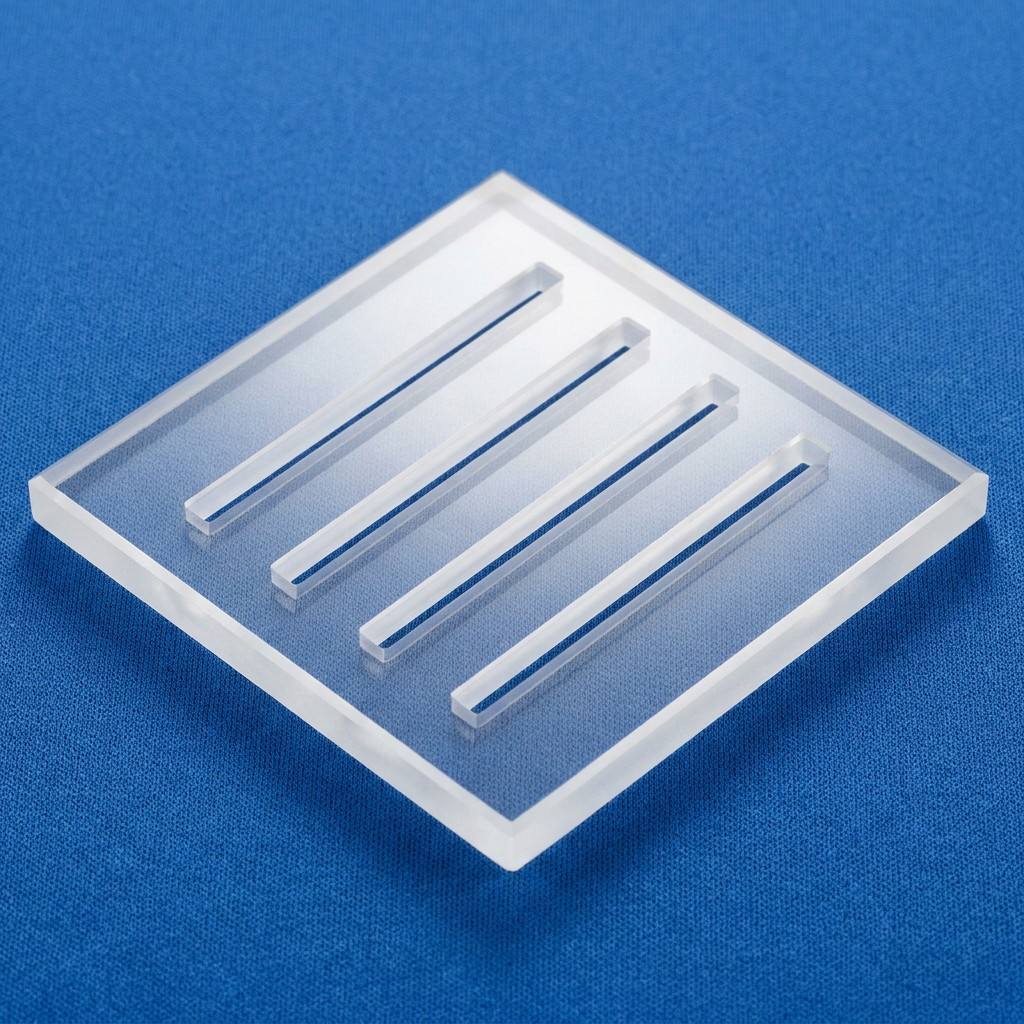

Thermodynamics & Purity Profiles of Fused Quartz Crucibles
Understanding devitrification kinetics, high-temperature creep resistance, and chemical compatibility in extreme metallurgical environments.
In high-temperature metallurgy, semiconductor crystal growth, and precision optical casting, the performance of a quartz glass crucible is dictated by the thermo-mechanical stability of amorphous silicon dioxide (SiO₂). Unlike polycrystalline ceramic vessels such as alumina (Al₂O₃), zirconia (ZrO₂), or silicon carbide (SiC), fused quartz features an isotropic disordered tetrahedral network. This structure provides an extraordinarily low coefficient of thermal expansion (CTE) of approximately 5.5 × 10⁻⁷ /°C between 20°C and 1000°C. For process engineers in northern Italy's metallurgical hubs and research institutes, this minimal thermal expansion translates to near-invulnerability against catastrophic thermal shock, allowing rapid induction thermal cycling from room temperature up to 1450°C without spalling or micro-cracking.
However, when operating near the practical limit of fused quartz, material purity governs both service longevity and melt contamination. Above 1150°C, amorphous silica begins a slow transition toward crystalline cristobalite—a phenomenon known as devitrification. The initiation of cristobalite crystallization is exponentially catalyzed by trace alkali and alkaline earth metal contaminants, specifically Lithium (Li), Sodium (Na), Potassium (K), Calcium (Ca), and Magnesium (Mg). These mobile cations act as network modifiers, breaking bridging oxygen bonds in the Si-O-Si backbone and reducing the activation energy required for atomic rearrangement into crystalline phases. Because the α-β cristobalite inversion occurs around 220°C–270°C accompanied by a sudden 3–5% volumetric contraction, devitrified regions will fracture and flake upon cooling, shedding ceramic particulates into precious melts.
VEZLO addresses this thermodynamic limitation through the vertical integration of high-purity quartz raw stock mined and beneficiated within the renowned Donghai geological cluster. By maintaining a cumulative metallic impurity profile under 20 parts per million (≤20 ppm), our transparent and opaque quartz crucibles demonstrate an extended continuous operating window up to 1100°C, and short-term excursion resistance up to 1450°C. For Italian procurement teams seeking to eliminate crucible-induced carbonization or metal leaching in induction melting furnaces, our fused quartz crucibles deliver exceptional stoichiometry and batch-to-batch repeatability.
Electric Arc Fusion
High-energy rotating electric arc fusion creates a double-layered structure: a transparent, bubble-free inner wall for zero dissolution and an opaque outer micro-bubble layer for superior radiant heat insulation.
Slip-Cast Fused Silica
For non-standard geometries, large-volume metallurgical troughs, and rectangular melting trays, precision slip-casting followed by sintering delivers tight mechanical tolerances without expensive graphite tooling.
Oxy-Hydrogen Flame Rework
Manual and automated flame glassblowing permits post-fusion modifications, such as flared pour spouts, thermocouple guide sleeves, internal baffles, and ground flange rims designed to seal directly to vacuum furnace chambers.
Localized Application Scenarios Across Italy's Industrial Clusters
How advanced manufacturing, artistic glassblowing, and aerospace fabrication in Italy depend on precision quartz thermal ware.
Italy stands as the second-largest manufacturing powerhouse in the European Union, distinguished by its specialized regional industrial clusters. Across northern and central Italy, precision thermal processing requirements demand quartz crucibles customized to regional metallurgical, glassworking, and chemical specifications.
Veneto & Murano Glass Arts
Renowned Venetian glassmakers utilize our transparent fused quartz crucibles for high-refractive-index crystal melts, lead-free optical chalcedony, and rare-earth dopant test batches where iron oxide contamination (≤1.5 ppm Fe) is mandatory to prevent unwanted color shifts.
Piedmont Aerospace & Superalloys
The aerospace cluster in Turin and Cameri leverages our slip-cast fused silica crucibles and vacuum furnace observation windows for investment casting of nickel-based superalloys and titanium aluminides without ceramic spallation.
Lombardy Chemical & Pharma
Chemical and active pharmaceutical ingredient (API) manufacturers in Milan and Bergamo utilize trace-element-free quartz evaporating dishes, sintering boats, and boiling crucibles resistant to all mineral acids except hydrofluoric and boiling phosphoric.
Emilia-Romagna & Motor Valley
In Bologna and Modena, high-performance automotive component suppliers rely on high-purity quartz vessels for powder metallurgy atomization, metal matrix composite sintering, and plasma spray feed analysis.
Furthermore, in Sicily's "Etna Valley" (Catania) and Lombardy's Agrate Brianza, Italy is executing massive capital expansions in wide-bandgap semiconductors, particularly Silicon Carbide (SiC) and Gallium Nitride (GaN) power electronics. Fused quartz crucibles and high-purity diffusion furnace tubes are vital consumables for epitaxy substrate handling, thermal oxidation, and high-temperature dopant drive-in furnaces. The strict exclusion of mobile ions (Na < 0.5 ppm, K < 0.5 ppm) is critical to safeguard dielectric breakdown voltages and gate oxide integrity across Italian semiconductor fabrication lines.
Technical Specifications & Refractory Comparison
Benchmarking transparent fused quartz crucibles against industrial alternative refractories under severe thermal and vacuum conditions.
| Performance Parameter | Fused Quartz (VEZLO Standard) | High-Purity Alumina (99.7% Al₂O₃) | Isostatic Graphite | Zirconia (Y-PSZ) |
|---|---|---|---|---|
| Purity / Main Phase | ≥ 99.99% SiO₂ | 99.7% Al₂O₃ | ≥ 99.9% Carbon | ≥ 94.5% ZrO₂ + Y₂O₃ |
| Density (g/cm³) | 2.20 | 3.92 | 1.82 | 6.05 |
| Thermal Expansion Coeff. (20-1000°C) | 5.5 × 10⁻⁷ /°C (Ultra-Low) | 8.0 × 10⁻⁶ /°C (Moderate) | 4.5 × 10⁻⁶ /°C | 1.0 × 10⁻⁵ /°C (High) |
| Thermal Shock Resistance | Superior (Water quench from 1100°C) | Poor to Moderate (Prone to cracking) | High | Moderate |
| Continuous Max Temp (°C) | 1100°C (1450°C short-term) | 1700°C | 2500°C (Inert atmosphere only) | 2200°C |
| Atmospheric Reactivity | Oxidizing, Neutral, & Vacuum stable | Stable in oxidizing & reducing | Rapid oxidation above 450°C in air | Stable up to ultra-high temps |
| Melt Wetting / Adhesion | Hydrophobic to many noble melts | Moderate slag adhesion | Carbide formation with reactive metals | Low wetting by molten superalloys |
As demonstrated in the comparison matrix above, while alumina and zirconia provide higher absolute softening temperatures, their thermal expansion coefficients are over an order of magnitude higher than fused quartz. In induction furnaces frequently cycled on and off by Italian metallurgical research labs, alumina crucibles suffer from high crack propagation rates caused by steep thermal gradients. Conversely, isostatic graphite is unable to operate in standard oxygen-containing kilns or open-air furnaces without rapid oxidation into CO and CO₂ gas. Fused quartz crucibles provide the ultimate equilibrium of structural durability, complete electrical insulation for induction coupling, transparency for pyrometric temperature monitoring, and low elemental leaching.
| Impurity Element | Al | Fe | Ca | Mg | Na | K | Li | Ti |
|---|---|---|---|---|---|---|---|---|
| Typical Concentration (ppm) | ≤ 12.0 | ≤ 1.2 | ≤ 1.0 | ≤ 0.5 | ≤ 0.8 | ≤ 0.8 | ≤ 0.4 | ≤ 1.8 |
Macroeconomic Drivers Reshaping Italian Crucible Sourcing
From European industrial autonomy to the National Recovery and Resilience Plan (PNRR), structural shifts are accelerating quartz glass demand in Italy.
The European Chips Act
With Brussels targeting a 20% global market share in semiconductor manufacturing by 2030, Italy is deploying multi-billion-euro incentives. This boom requires resilient, direct supply lines of ultra-pure quartz crucibles and wafer carriers to prevent supply chain chokepoints.
Green Energy & Decarbonization
Italy's aggressive solar expansion and transition away from fossil-fueled kilns has elevated the adoption of electric induction melting. Fused quartz crucibles provide unmatched energy efficiency via transparent thermal coupling with minimal wall conduction losses.
PNRR & Industry 4.0 Digitalization
Under the Piano Nazionale di Ripresa e Resilienza, Italian foundries are adopting automated sensors and pyrometry systems. Transparent quartz vessels allow continuous non-contact infrared thermal monitoring directly through crucible sidewalls.
In response to these trends, Italian procurement leaders are actively diversifying away from vulnerable distributor intermediaries. Sourcing directly from accredited manufacturing facilities like VEZLO provides Italian engineers with transparent raw-material traceability, custom dimensional engineering, and rapid prototype turnarounds without European distributor markups.
VEZLO Quartz: Factory Integration & Engineering Pedigree
Operating from the quartz epicenter of Donghai, China, delivering verified industrial quartzware with global compliance.
Donghai Industrial Footprint
Our 50-mu (33,000 m²) manufacturing center is backed by RMB 10 million in fixed assets, directly anchored at the natural silica center of China, securing guaranteed supplies of refined high-purity quartz sands.
Provincial S&T Innovation
VEZLO's 320 mm high-purity quartz tube for integrated circuits was commissioned as a Jiangsu Provincial Science & Technology Support Project. Our newly developed 520 mm large-diameter furnace tube has passed national reviews for advanced materials.
Export Certification & Reliability
Onsite verified by Alibaba third-party auditors with full Trade Assurance coverage. Over 50% repeat order rate from international buyers, underpinned by an average RFQ technical evaluation turnaround within 2 hours.
Step-by-Step Engineering Procurement Checklist for Italian Buyers
Follow this structured five-point inquiry workflow to eliminate technical ambiguity and expedite quotation processing.
Geometric Parameters
Specify outer/inner diameter (OD/ID), overall height, wall thickness, bottom radius (flat vs. hemispherical), and dimensional tolerances in millimeters.
Purity & Optical Finish
Choose between transparent flame-fused quartz or opaque slip-cast fused silica, noting acceptable bubble classes, inclusions, and optical surface finish.
Thermal Environment
Indicate peak continuous and excursion temperatures (°C), heating ramp rates (°C/min), furnace atmosphere (vacuum, Ar, N₂, air), and chemical contact.
Logistics & Delivery
Specify required Incoterms (DAP Milan/Bologna, CIF Genoa/Trieste), custom wooden crating mandates, batch inspection certificates, and annual volume.
Frequently Asked Questions for Italian Sourcing Specialists
Clear, expert answers addressing Italian import customs, regulatory compliance, logistics protection, and engineering tolerances.
How do Italian import duties (TARIC) and customs clearance apply to quartz crucibles from China? +
Are VEZLO fused quartz crucibles fully compliant with EU REACH and RoHS environmental standards? +
How are fragile quartz crucibles packaged to guarantee zero breakage during transit to Italy? +
What is the standard delivery lead time from the Donghai facility to northern Italian industrial plants? +
Can VEZLO fabricate non-standard, custom-molded quartz crucibles according to our internal STEP/CAD drawings? +
How does VEZLO help operators prevent devitrification and premature crucible failure during high-temperature thermal cycles? +
Request a Factory-Direct Technical Quote for Italy Delivery
Connect directly with our senior quartz engineering team in Donghai. Send your crucible dimensions, technical drawings, or operating environment details for rapid engineering feasibility review and competitive FOB/DAP pricing.