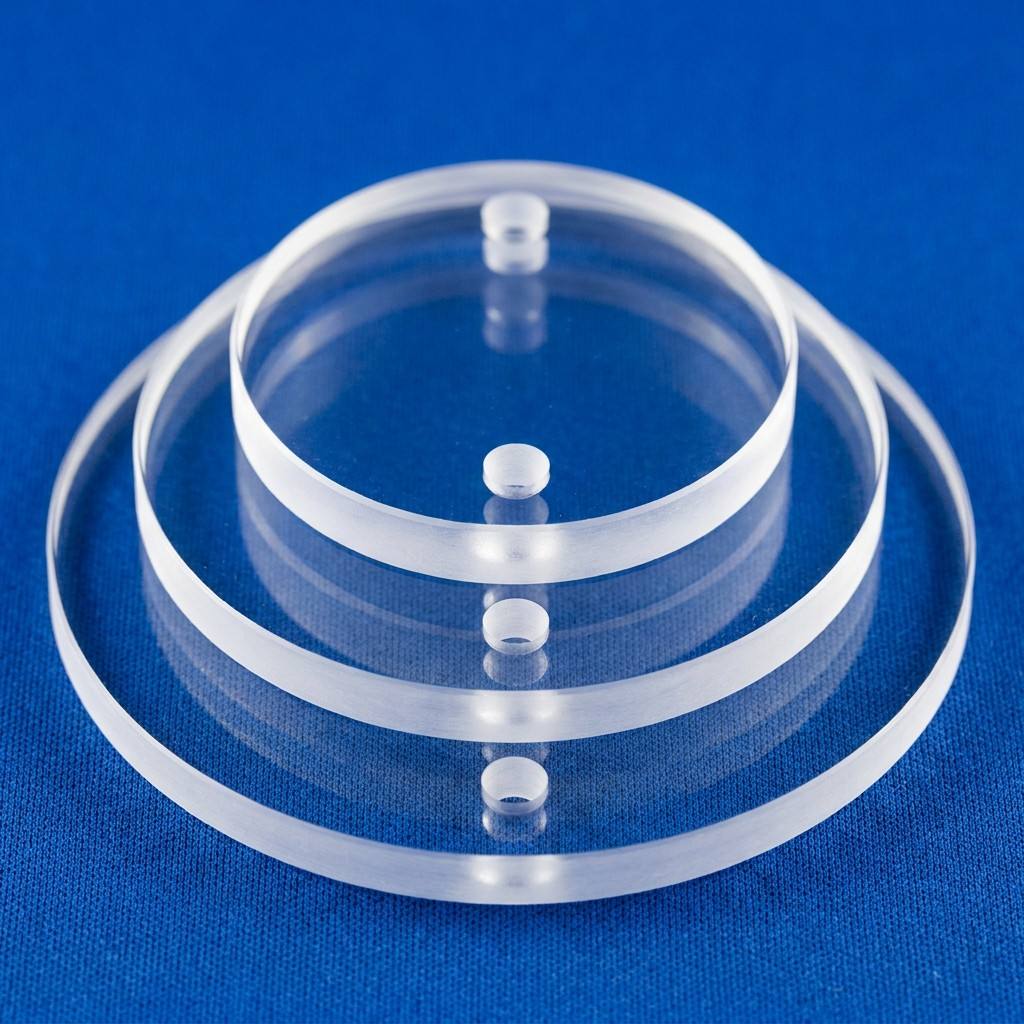
Precision Quartz Flange Engineering & High-Purity Fused Silica Solutions
As Lithuania’s scientific and deep-tech capital, Vilnius stands at the forefront of the global ultrafast laser, photonics, and biotechnology landscape. Operating within the high-vacuum (HV), ultra-high vacuum (UHV), and chemical vapor deposition (CVD) domains requires thermal and optical packaging that exceeds ordinary borosilicate standards. As an internationally certified high-purity quartz glass manufacturer rooted in China’s quartz cluster, we engineer custom quartz flanges, viewing ports, sight plates, and vacuum envelopes specifically tuned to the rigorous operational tolerances demanded by research universities, laser manufacturers, and semiconductor cleanrooms in Vilnius.
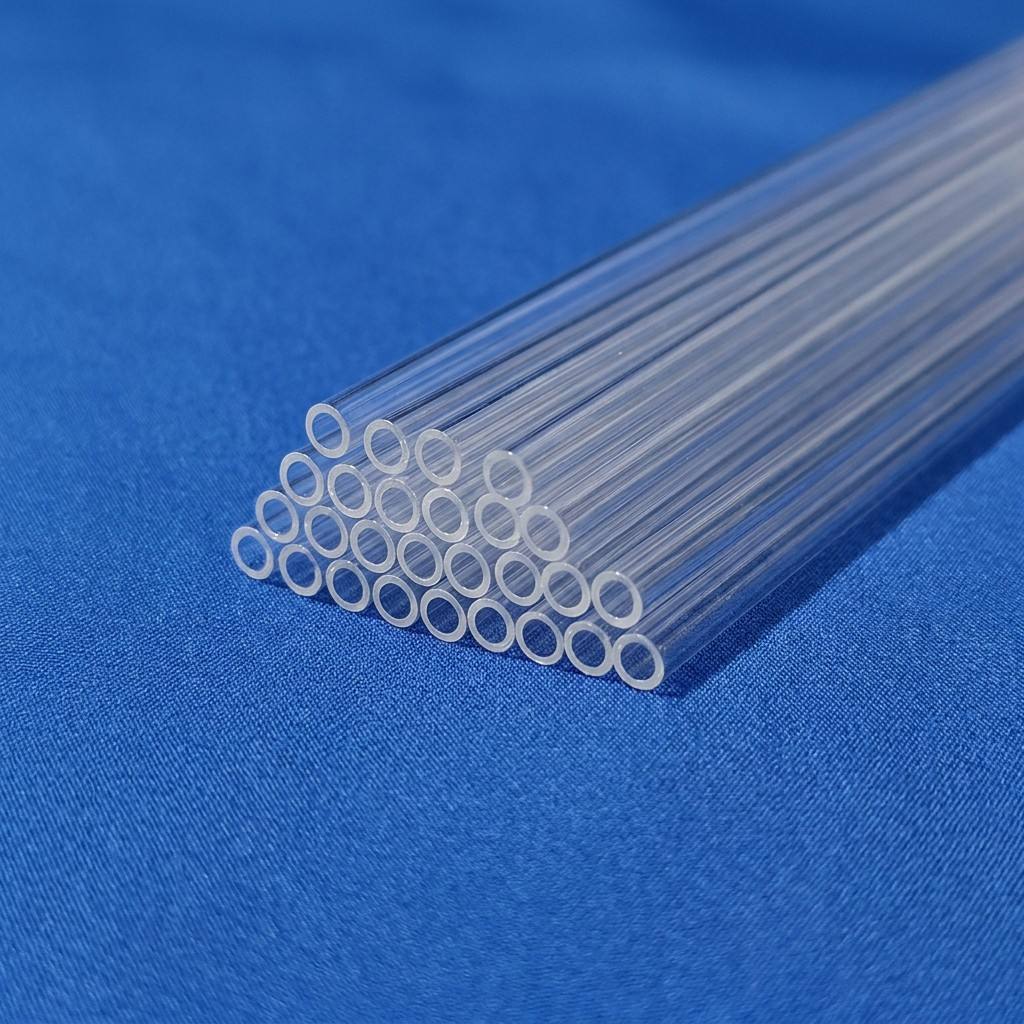
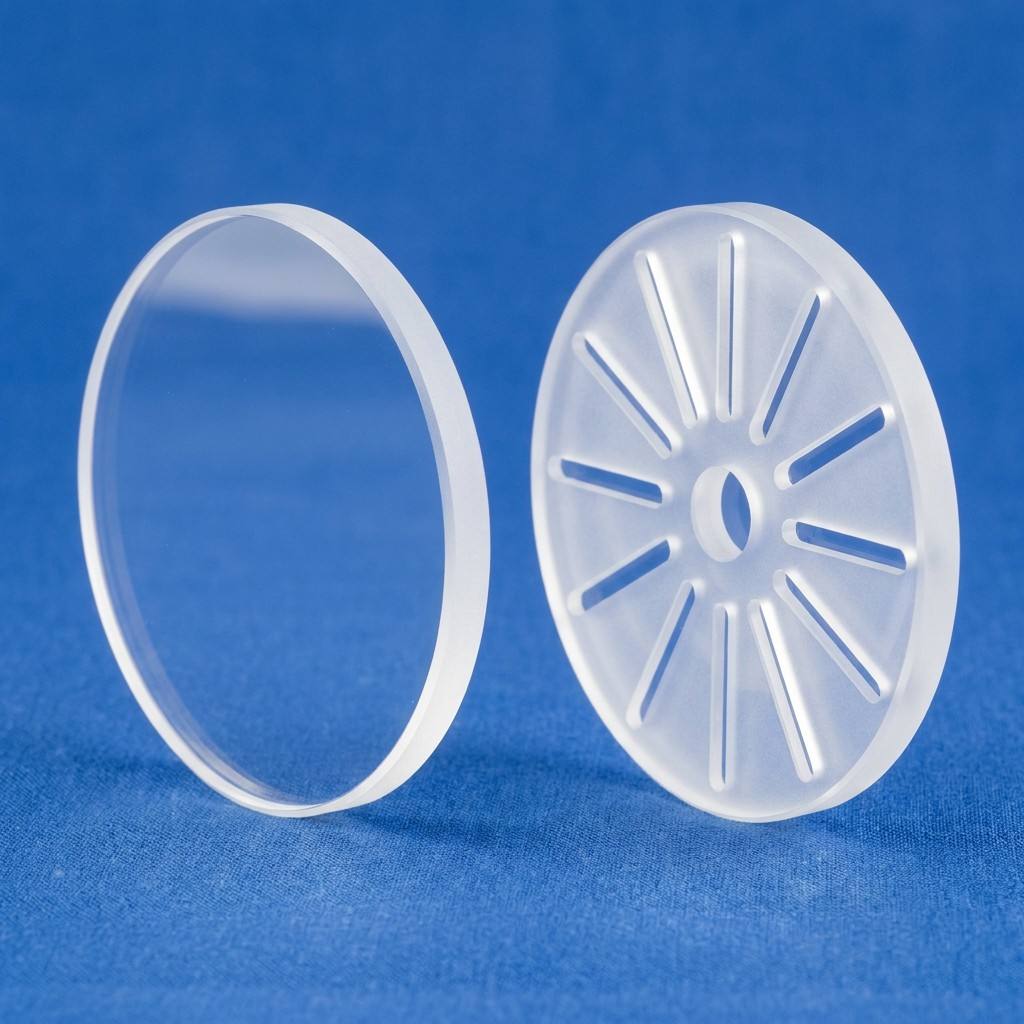
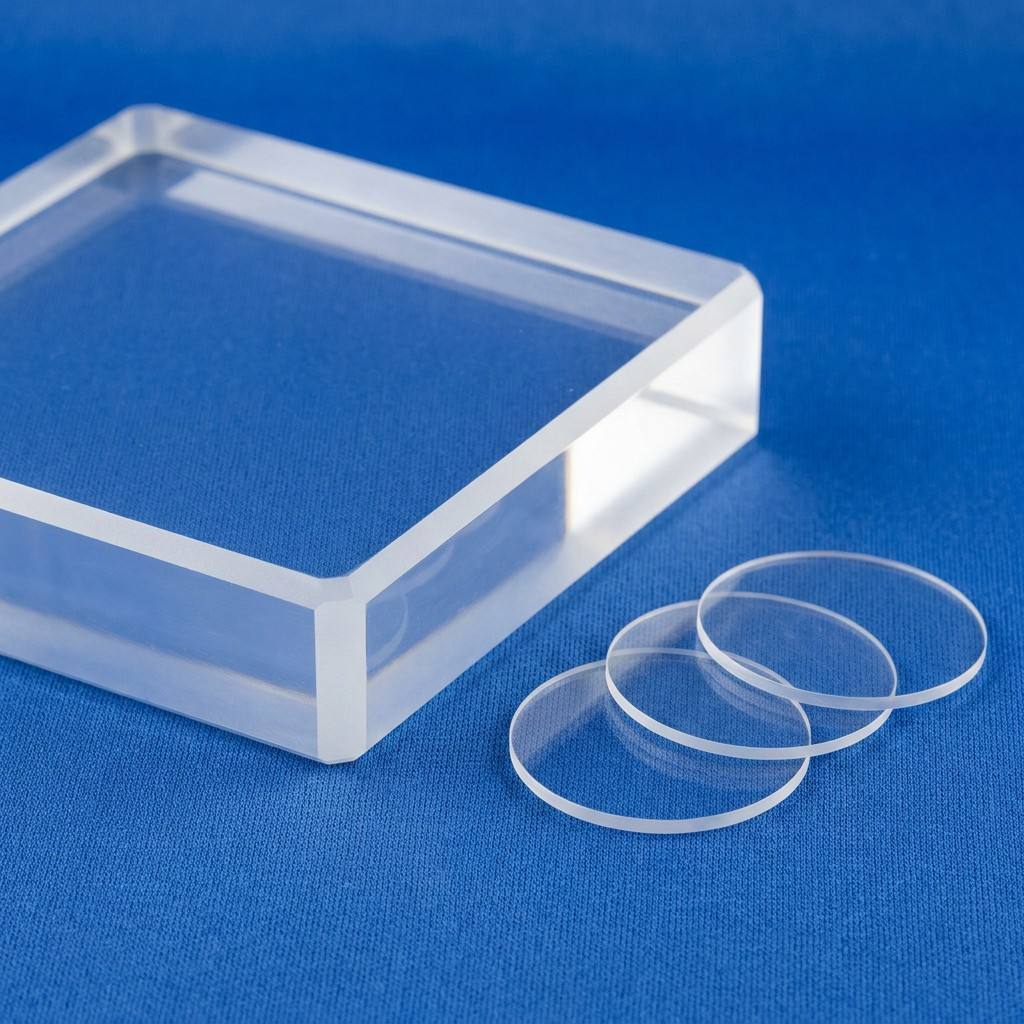
Engineered Quartz Components Portfolio
Select standard catalog specifications or request custom fabrication according to ISO 10110 drawings.



1. The Strategic Role of Quartz Glass Flanges in High-Tech Vilnius
The industrial ecosystem of Vilnius, encompassing the Sunrise Valley (Saulėtekis) science hub, the Visoriai Information Technology Park, and multiple laser research clusters, depends fundamentally on optical-mechanical boundary integrity. In ultrafast femtosecond and picosecond laser development, vacuum chambers, and plasma sputtering systems, standard optical interfaces face multiple failure modes: mechanical shear caused by thermal expansion mismatch, solarization under continuous deep-UV radiation, and outgassing under high-vacuum regimes.
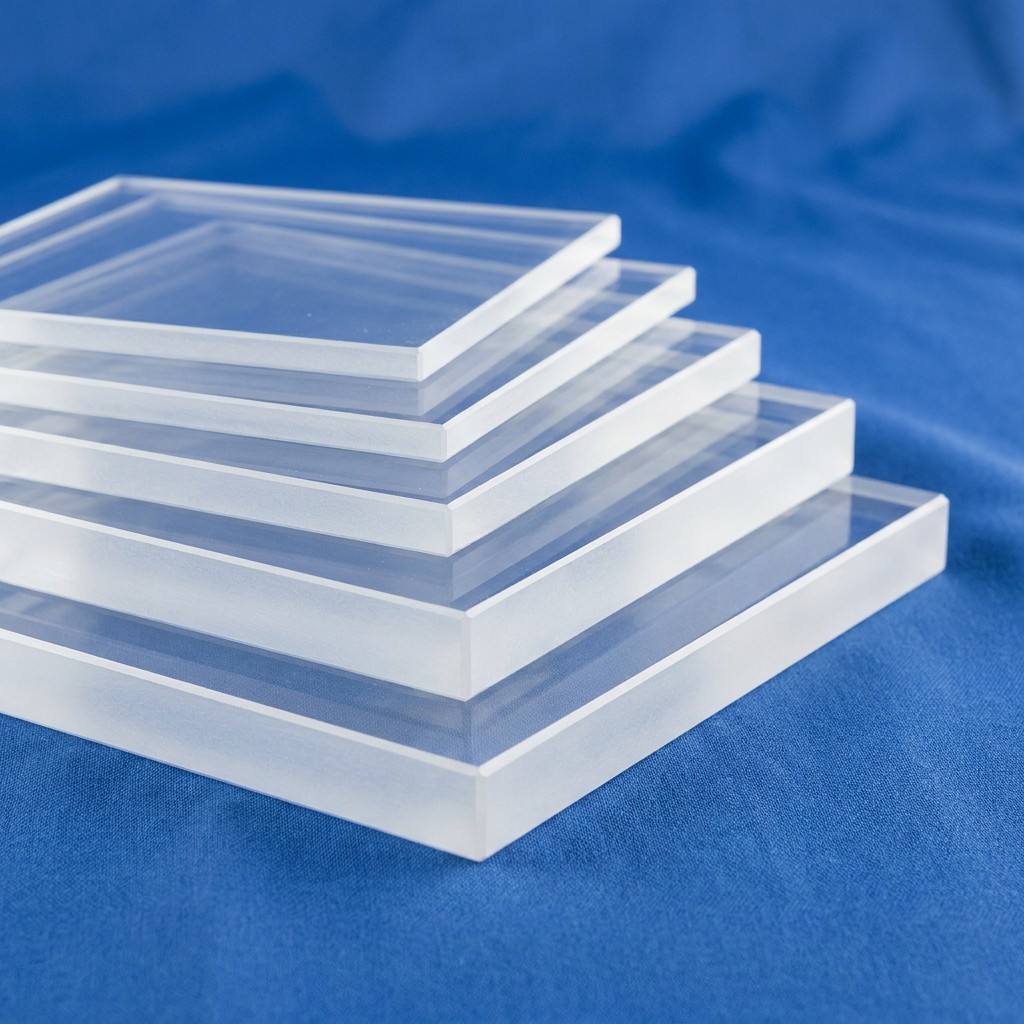
A quartz glass flange bridges these extreme environments. Fabricated from synthetic fused silica or natural high-purity fused quartz (SiO2 ≥ 99.99%), quartz flanges offer a coefficient of thermal expansion (CTE) of merely 5.5 × 10⁻⁷ / °C. This is roughly one-tenth the thermal expansion coefficient of borosilicate glass, allowing seamless thermal cycling up to 1,100 °C without risk of micro-fracturing or catastrophic vacuum seal degradation.
2. Mechanical & Thermal Specification Matrix
Procurement engineers and laboratory designers in Lithuania must balance purity profiles against operational stresses. Below is an engineering comparison of our industrial fused quartz against specialized synthetic fused silica:
| Physical / Chemical Property | High-Purity Fused Quartz (Direct Melt) | Synthetic Fused Silica (Chemical Vapor) | Relevance for Vilnius Laser & Fab Applications |
|---|---|---|---|
| SiO2 Content | ≥ 99.99% | ≥ 99.999% | Prevents metal leaching into plasma or wet-bench etching tanks |
| Continuous Max Operating Temp | 1,100 °C | 950 °C - 1,050 °C | Critical for semiconductor diffusion furnaces & high-heat viewports |
| Annealing Point | ≈ 1,215 °C | ≈ 1,140 °C | Thermal stress mitigation post-flame-welding |
| Optical Transmission Window | 260 nm – 2,500 nm | 185 nm – 2,500 nm (Deep UV) | Excimer lasers, harmonic generation, and spectrophotometry |
| Total Conventional Impurities | ≤ 20 ppm | ≤ 1 ppm | Controls laser-induced damage thresholds (LIDT) |
| Helium Permeability Rate | Extremely Low (Vacuum Tight) | Extremely Low | Essential for UHV envelope seals down to 10-10 mbar |
3. Localized Industrial Application Scenarios in Vilnius
Across Vilnius’s industrial districts and research facilities, quartz flanges and related fused silica components serve in diverse, mission-critical capacities:
- Ultrafast Laser Cavities & Harmonic Generation: Vilnius manufactures over half of the world's market for scientific-grade ultrafast picosecond and femtosecond lasers. Custom quartz vacuum viewports and flanged chambers prevent beam wave-front distortion, maintaining high laser damage resistance across 1030 nm, 515 nm, and 343 nm harmonics.
- Semiconductor Wafer Processing & Epitaxy: For emerging compound semiconductor and sensor startups around Santaka and Sunrise Valley, our flanged furnace core tubes (outer diameters up to 500 mm and 520 mm) provide non-contaminating, thermally stable oxidation, annealing, and LPCVD reaction envelopes.
- Biophotonics & Microfluidic Spectroscopy: Analytical medical equipment manufacturers in Lithuania incorporate precision-slotted and optical-grade fused silica plates within hermetically sealed flanged flow cells, benefiting from zero fluorescence and total chemical inertness against harsh solvents and biological acids.
- High-Temperature Sight Glasses in Heavy Equipment: Thermal power plants and district heating networks in the Vilnius municipal area utilize our pressure-tested fused silica sight glasses to monitor boilers operating above 800 °C under high mechanical shear.
4. Emerging Technology Trends in Lithuania (2025–2030)
The Baltic region is rapidly diversifying from pure fundamental scientific laser research toward commercialized quantum computing hardware, advanced lithography optics, and industrial space satellite payloads. These developments demand three notable shifts in quartz engineering:
First, flanged quartz assemblies with diffusion-bonded windows are replacing elastomer-sealed assemblies, eliminating fluoropolymer outgassing in cryogenic quantum traps. Second, the integration of large-diameter quartz tubes (OD 300 mm–520 mm) is escalating due to regional investments in next-generation silicon-carbide (SiC) and gallium-nitride (GaN) power electronics manufacturing. Third, laser system architects are mandating strictly certified bubble-class 0/A quartz glass blanks with zero inclusion lines to prevent localized thermal blooming when exposed to kilowatt-class average laser powers.
Factory-Direct Engineering Advantages
Why Lithuanian OEMs, academic researchers, and system integrators partner directly with our manufacturing facilities.
⚙
Complete Integrated Supply Chain
Located in Donghai County (China’s Quartz Capital) with 33,000 m² of factory infrastructure. From raw crystal and ≤20 ppm quartz sand refining to finished glassblowing and optical lap-polishing, our vertical integration guarantees strict quality control and price efficiency.
🔬
Proprietary Large-Diameter Capabilities
Developer of the 320 mm high-purity quartz tube for provincial science initiatives, and the 520 mm furnace core tube under national review. We hold the specialized rotary lathe capacity required to weld custom flanges onto tubes up to 500 mm OD with sub-millimeter concentricity.
🛡
Rigorous Cleanroom Finishing & Metrology
Every flanged interface undergoes coordinate-measuring machine (CMM) dimensional verification, optical flatness interferometry, and laser bubble-airline inspection. Parts are degreased, acid-leached, and ultrasonically cleaned before packing.
🚀
Fast 2-Hour Engineering Response
Our bilingual engineering desk understands European technical documentation, DIN/ISO optical standards, and vacuum flange dimensions (CF, KF, ISO-K). Inquiries and RFQs receive full technical assessments within 2 business hours.
📦
Certified Shock-Proof Export Logistics
Fragile quartzware is safeguarded via customized high-density EPE molded foam, suspended interior cartons, and export-grade fumigation-free plywood crates, ensuring safe air-cargo transit directly to Vilnius Airport (VNO) or regional hubs.
🤝
50% Reorder Rate & Trade Assurance
Backed by Alibaba onsite-verified facilities and comprehensive Trade Assurance. Over half of our global procurement clients maintain recurring supply agreements, relying on our repeatability across both prototype runs and volume fabrication.
Frequently Asked Questions for Vilnius Buyers
Essential insights covering specifications, tolerances, logistics, and international trade compliance.
Can you manufacture quartz flanges compatible with standard vacuum standards (CF / KF / ISO)?
Yes. We regularly produce standard NW/KF, ConFlat (CF), and ISO-K style flanged components in pure fused quartz, as well as customized non-standard rectangular or oval flanges based on customer drawings. Ground flat interfaces or grooved O-ring profiles are precision-machined to ensure helium leak rates below 1 × 10⁻⁹ mbar·l/s when paired with fluoroelastomer or metal wire seals.
How does shipping to Lithuania work, and what is the typical lead time to Vilnius?
For urgent laser research prototypes or maintenance replacements in Vilnius, we ship via express air freight (DHL, FedEx, UPS) directly to your facility, typically arriving within 4–7 business days after production. Volume production batches of tubes or plates can be consolidated via air cargo or combined sea-rail routes to Lithuania. Standard custom machining takes 7–15 working days depending on complexity.
What surface finish and optical flatness can you achieve on quartz flange viewing windows?
For viewing ports, optical access flanges, and sight glasses, we offer double-sided optical polishing reaching scratch-dig tolerances of 60/40, 40/20, or 20/10 (MIL-PRF-13830B). Optical transmitted wavefront error can be controlled to λ/4 or λ/10 per 25 mm at 632.8 nm, with surface roughness (Ra) down to < 0.5 nm for specialized laser applications.
What are the primary differences when choosing between fused quartz and synthetic fused silica flanges?
Fused quartz (such as JGS2 / natural quartz) is melted from high-grade natural crystal sand. It provides superior structural rigidity, high thermal shock resistance, and economical pricing up to 1,100 °C, making it ideal for furnace tubes, industrial viewports, and standard optical housings. Synthetic fused silica (such as JGS1 / Corning 7980 equivalent) is synthesized chemically; it eliminates internal bubbles, exhibits negligible fluorescence, and offers UV transmission down to 185 nm, making it essential for excimer lasers and DUV lithography systems.
Can you work with European educational and research institutional purchase orders?
Yes, we regularly support European universities, institute laboratories, and technology accelerators. We provide commercial proforma invoices, technical drawings for approval, material purity certificates (COA), and flexible payment options through wire transfer (T/T), Letter of Credit (L/C), or Trade Assurance.
Accelerate Your Vilnius Project with Custom Quartz Solutions
Send your PDF / CAD drawings, flange specifications, or dimensional requirements directly to our engineering team for a comprehensive technical review and competitive quotation within 2 hours.