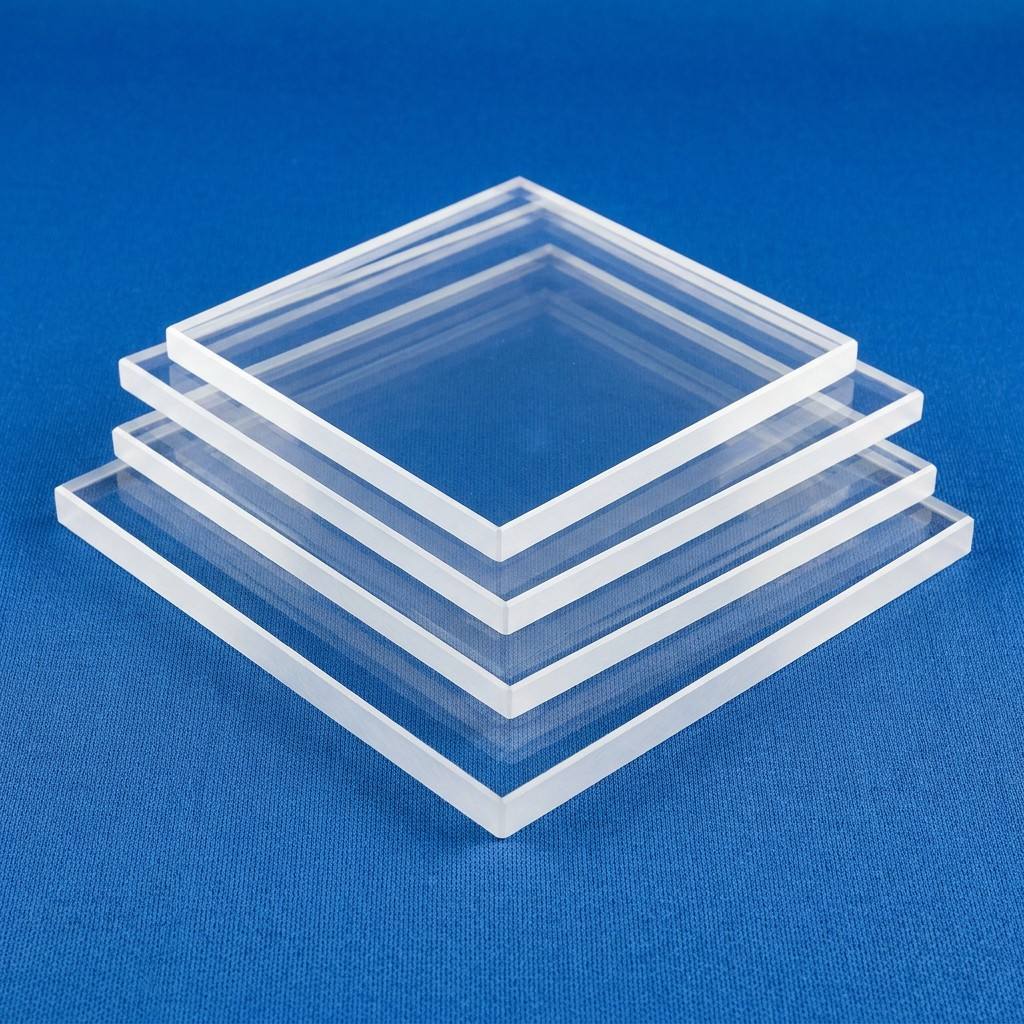
Precision-Engineered Quartz Glass Sheet Series
High-grade fused silica products processed with advanced thermal stability, exceptional optical transmission, and dimensional precision tailored for extreme industrial environments.

1200°C
Continuous Working Temp
99.99%
Purity SiO₂ Content
≤20ppm
Trace Metallic Impurities
<2h
Technical Response Time
Technical Monograph: Quartz Glass Sheet Mechanics & Material Selection
In modern thermodynamic and optical systems, ordinary borosilicate or soda-lime glass fails rapidly due to thermal shock, low softening points, and mechanical fatigue. As a dedicated partner supplying international procurement channels including the North Korean market, our manufacturing protocols rely on ultra-pure natural quartz crystal sand (SiO₂ ≥ 99.99%) refined through continuous vacuum electric fusion and flame-fusion procedures.
The resulting amorphous fused silica possesses a remarkably low linear coefficient of thermal expansion (5.5 × 10⁻⁷ /°C), enabling sheets to transition from high thermal states (over 1,100°C) into cold liquid baths without micro-fracturing. For specialized vacuum furnaces, optical lithography equipment, and petrochemical reactor sight glass installations across regional manufacturing centers, choosing precision-machined fused silica sheet material ensures operational safety, long service life, and chemical non-reactivity across severe corrosive conditions.
| Physical / Chemical Property | Technical Value (Metric) | Engineering Impact in Industrial Applications |
|---|---|---|
| Density (ρ) | 2.20 ± 0.02 g/cm³ | Optimal strength-to-weight ratio for vacuum observation viewports |
| Thermal Expansion (20°C to 320°C) | 5.5 × 10⁻⁷ cm/cm·°C | Near-zero risk of shattering during severe thermal gradients and thermal shock |
| Softening Point | ≈ 1683°C | Preserves structural stability far beyond standard glass limits |
| Continuous Service Temperature | 1100°C - 1200°C | Safe for continuous metallurgical, smelting, and thermal annealing cycles |
| Transmittance (UV - Vis - Near IR) | 90% - 93% (λ = 260nm to 2000nm) | Unmatched optical clarity for high-accuracy laser viewports and analytical cells |
| Chemical Acid Resistance | Grade 1 (Resistant to all acids except HF) | Zero erosion from hot sulfuric, nitric, and hydrochloric process acids |
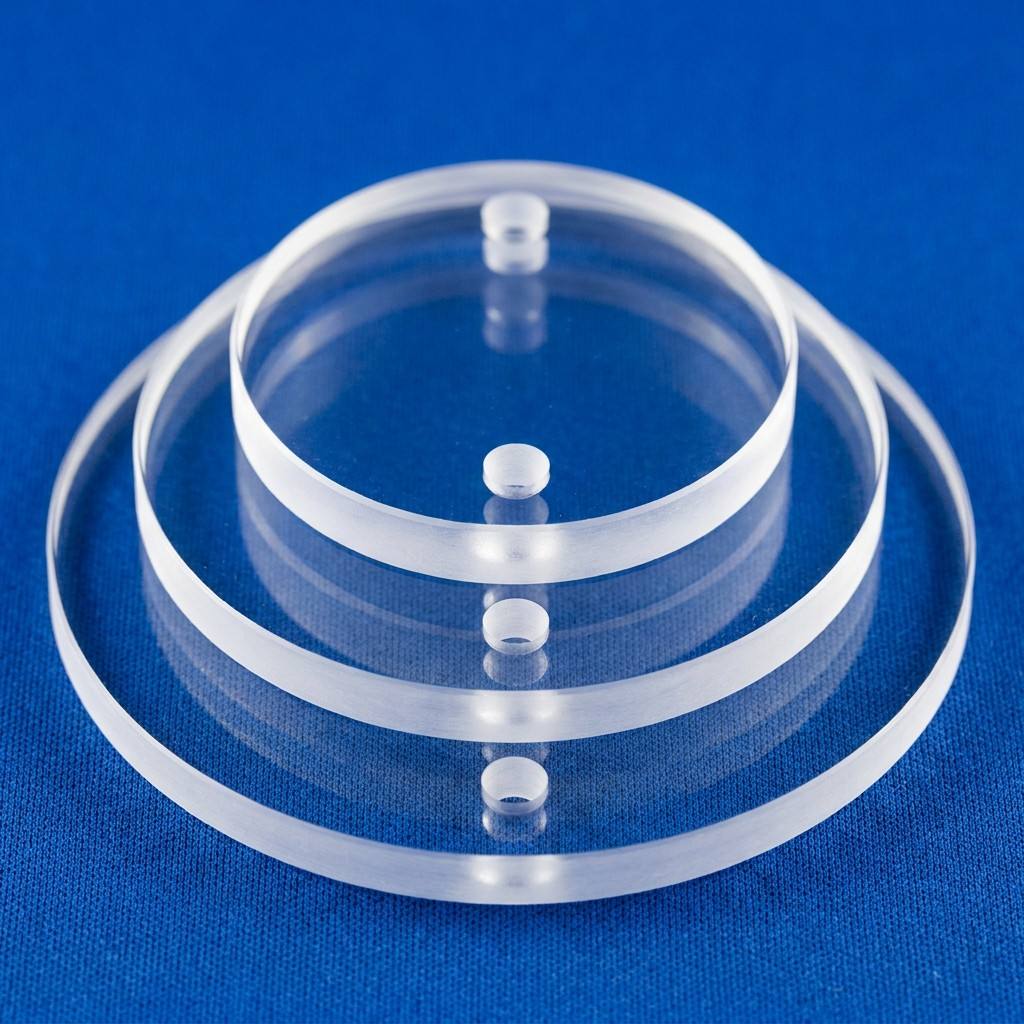
Every quartz glass sheet undergoes high-precision surface grinding, computerized CNC edge beveling, laser center-hole perforation, and optical-grade double-sided chemical-mechanical polishing (CMP). Surface roughness can be held to Ra < 0.5 nm with parallelism within 20 arcseconds, guaranteeing zero optical distortion in sensitive spectroscopy, pyrometry, and sight glass applications.
Localized Application Scenarios in North Korea
Supporting foundational heavy industries, mining refining operations, chemical processing complexes, and national scientific institutions with heavy-duty fused silica components.
Metallurgical Smelting & Foundry Sight Windows
In heavy industrial centers such as Chongjin and Nampo, blast furnaces, induction furnaces, and rotary kilns operate non-stop. Our thick quartz glass sheets (10mm to 30mm) serve as critical furnace observation ports, shielding pyrometric equipment and operators from molten metal splashes and blistering radiative heat up to 1,300°C.
Chemical & Fertilizer Synthesis Piping
Facilities across the Hungnam and Hamhung industrial clusters rely on acid-resistant quartz sight glass panels for autoclave reactors and acid synthesis columns. Because fused quartz remains totally inert to boiling nitric, sulfuric, and organic acids, our sight plates eliminate vessel failure risk and fluid contamination.
Research Centers & Physical Analysis Laboratories
Educational institutes, high-vacuum test centers, and scientific laboratories in Pyongyang require ultra-thin, highly polished optical quartz plates. From ultraviolet spectroscopy cuvette windows to specialized vacuum chamber observation flanges, our plates deliver unmatched spectral transmission across the deep-UV and near-IR bands.
Industrial Trends & Quartz Demand Dynamics
Understanding shifting technical requirements and self-reliance engineering targets influencing fused quartz adoption in regional factories.
Modernization of Industrial Heating Systems
With an emphasis on localized energy optimization and efficient coal combustion, factories are revamping boiler houses and thermal power generators. Demand has rapidly shifted toward high-pressure, thermal-shock-resistant quartz level gauge sheets that eliminate sudden boiler shutdown risks common with inferior glass.
Stringent Specifications for Material Purity
Engineering departments are replacing multi-component silicate materials with high-purity fused silica (SiO₂ > 99.99%). This purity transition minimizes trace transition metal leaching (Fe, Cu, Ti) in specialized chemical synthesis reactors and prevents premature devitrification under prolonged high-temperature exposure.
Demand for Custom Sub-Assemblies & CNC Processing
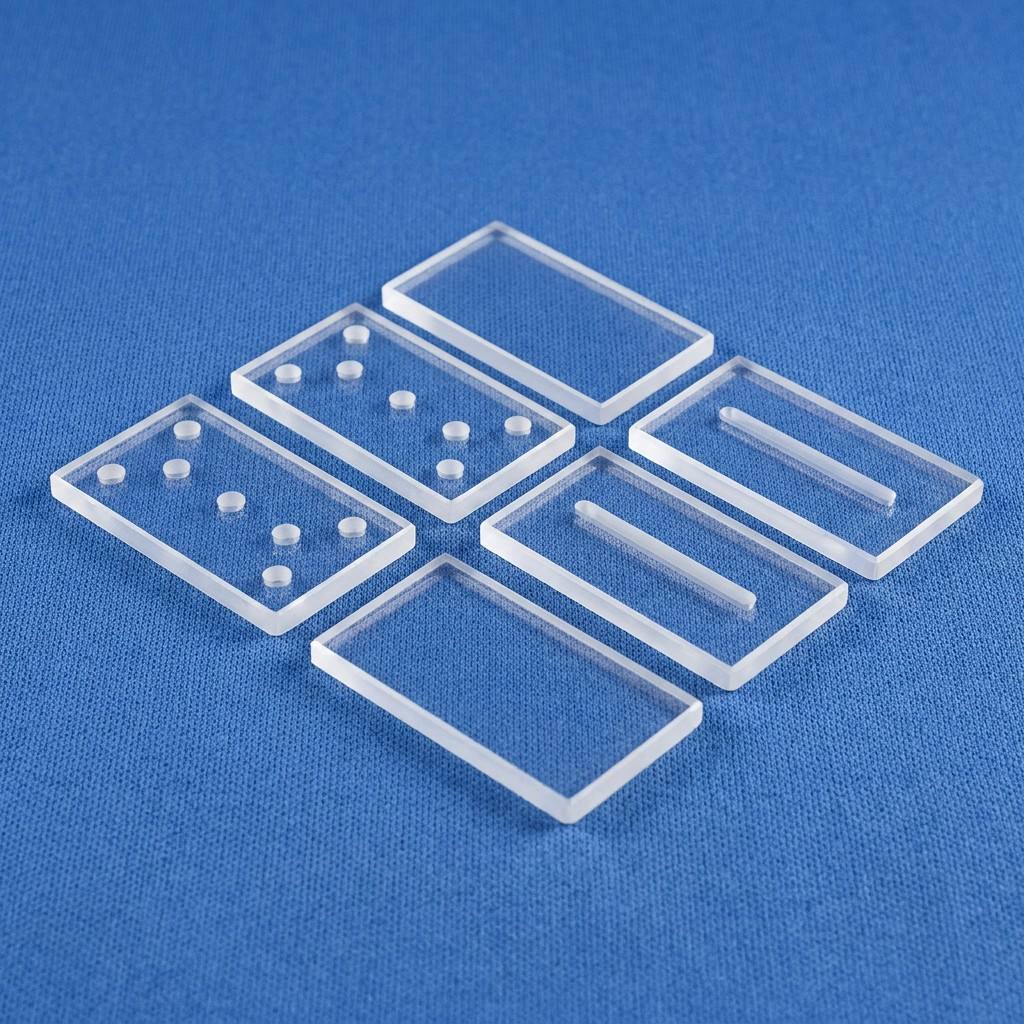
Standard geometric sheets are no longer sufficient. Production lines frequently require pre-drilled bolt circles, polished beveled sealing steps, calibrated ground joints, and tailored viewport flanges ready for immediate mechanical drop-in assembly without secondary machining on-site.
Factory Advantages & Production Capability
Rooted in China's quartz capital, delivering vertically integrated fused quartz engineering from raw sand purification to precision micro-machining.
Donghai Manufacturing Base
Operating a 33,000 m² (50-mu) integrated production facility in Donghai County with RMB 10M in fixed assets, directly positioned at the core of high-purity quartz reserves and raw crystal supply chains.
Provincial R&D Recognition
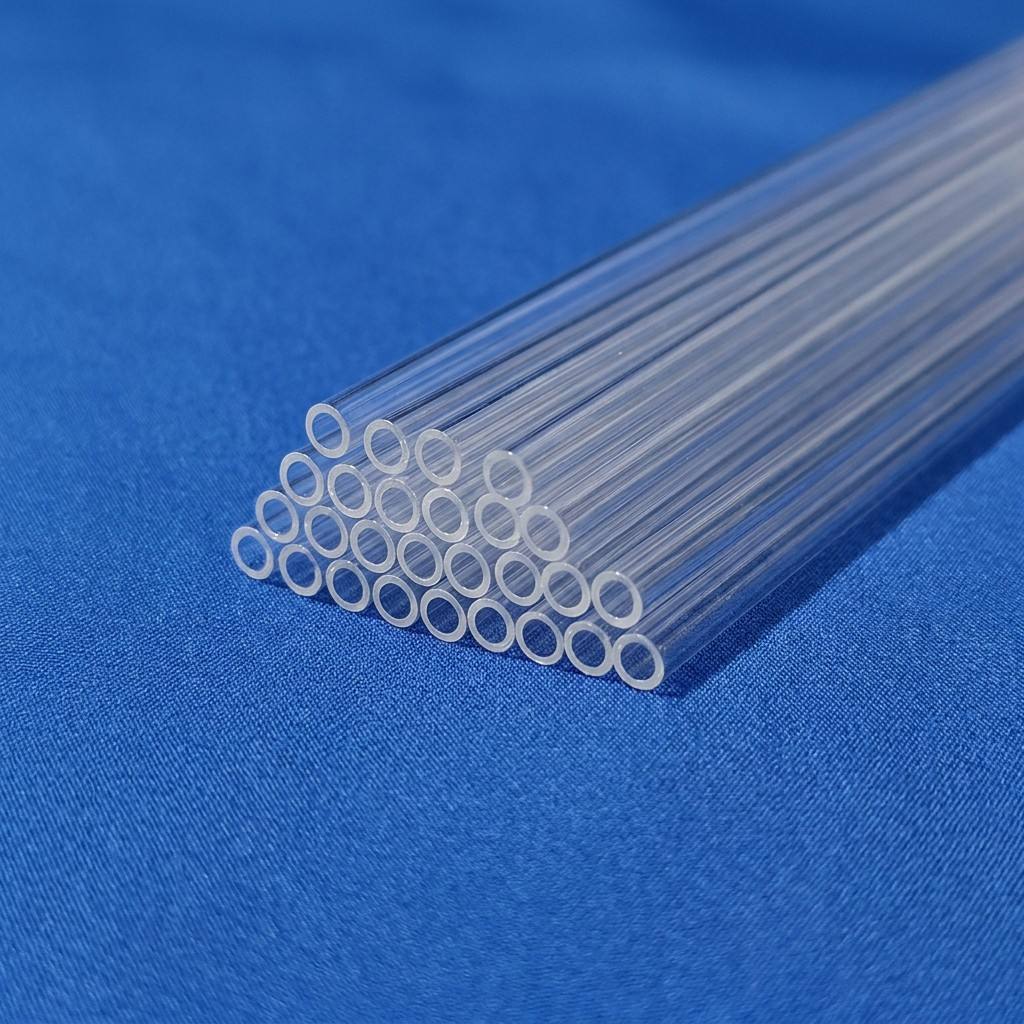
Developer of the 320mm high-purity quartz tube under the Jiangsu Provincial Science & Technology Project, and the breakthrough 520mm diameter tube approved under national industrial reviews.
High-Purity Sand Integration
Full control over 13 proprietary grades of ultra-high-purity quartz sand featuring total metallic impurities ≤20 ppm, ensuring zero visual bubble streaks, inclusions, or structural micro-voids.
Cross-Border Logistics Mastery
Specialized heavy-duty export packaging using multi-layer shockproof pearl cotton and reinforced fumigation-free wooden crates tailored for cross-border rail and sea delivery with 0% transit breakage.
Frequently Asked Questions for Regional Buyers
Direct answers addressing technical selection, tolerance validation, cross-border shipping protocols, and custom fabrication workflows.
What is the maximum operating temperature for your quartz glass sheets?
Our clear fused quartz sheets support continuous operation at 1,100°C and can withstand short-duration peak exposures up to 1,300°C. With a softening point near 1,683°C and an annealing point of approximately 1,215°C, they retain their structural integrity without sagging or deforming under continuous industrial furnace duty.
Can you manufacture non-standard quartz sheets with center holes, steps, or custom edge bevels?
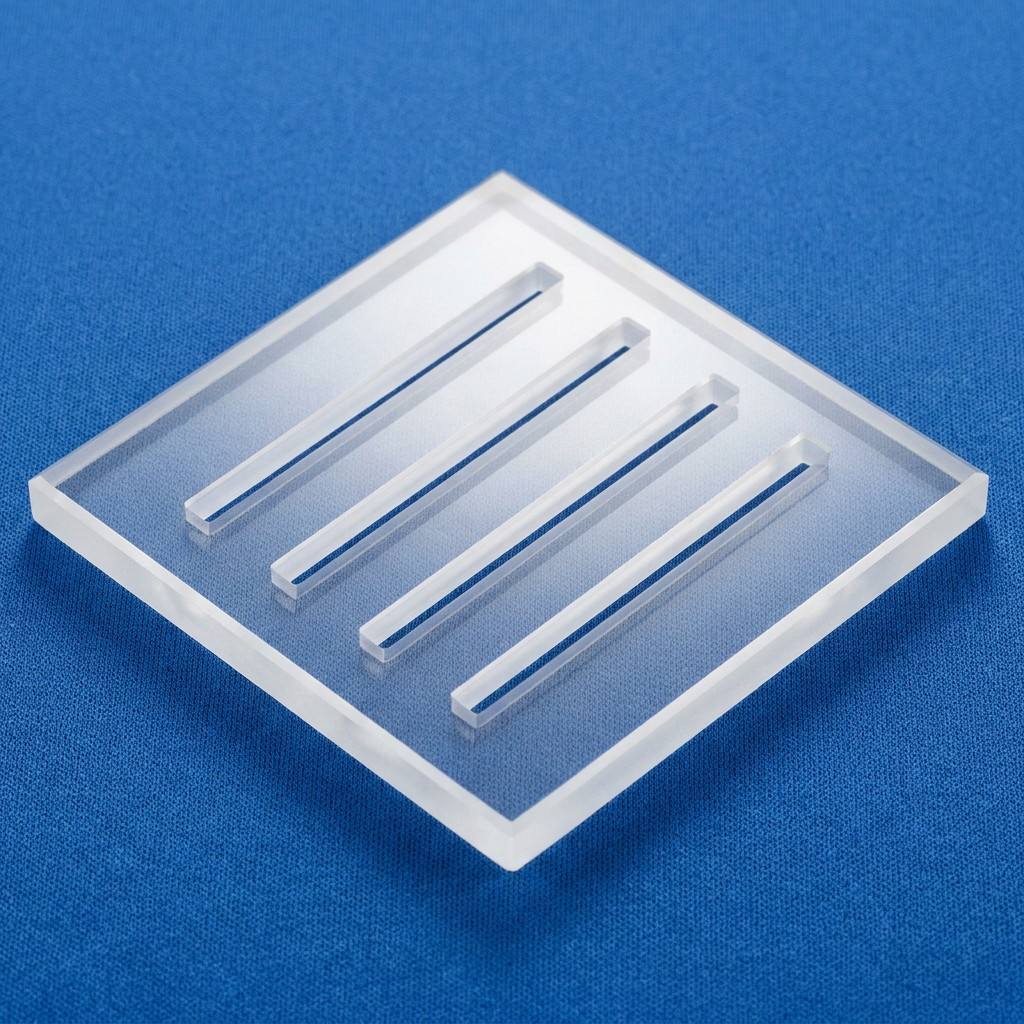
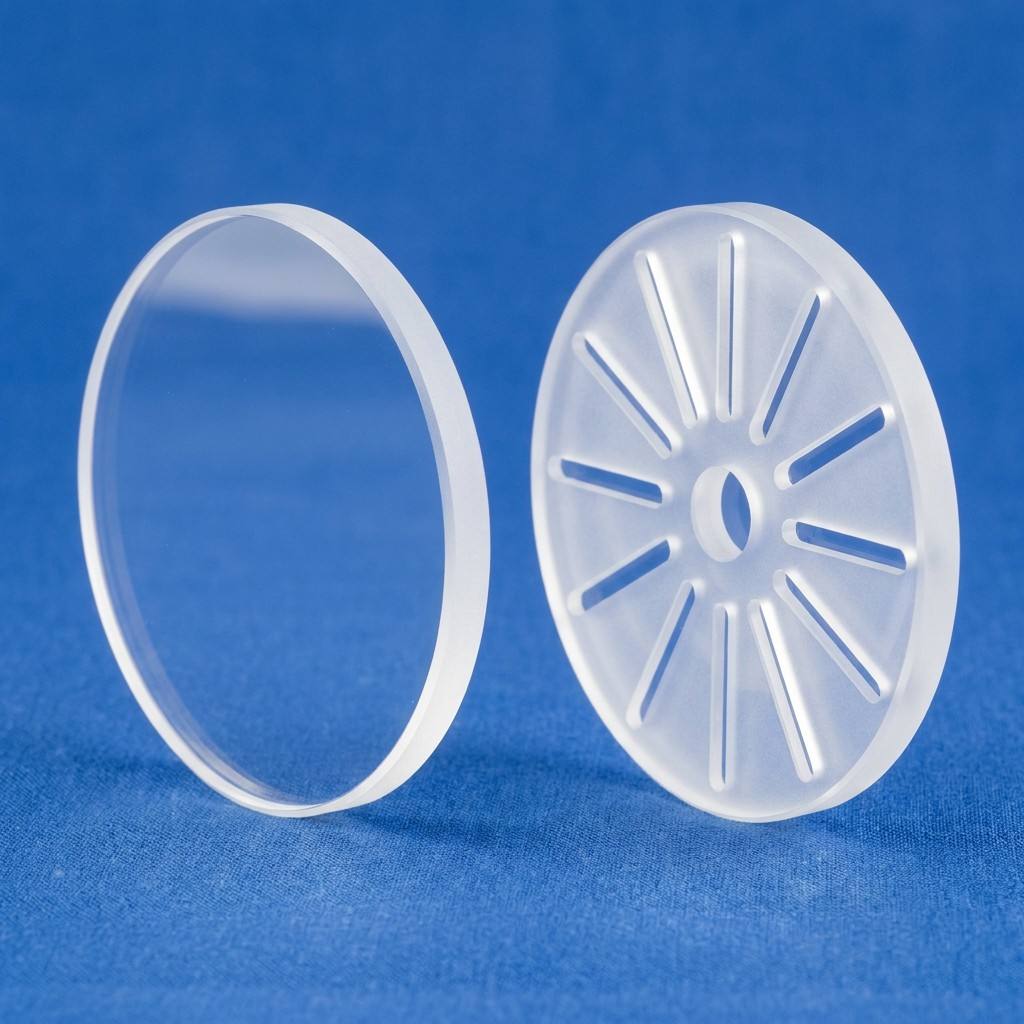
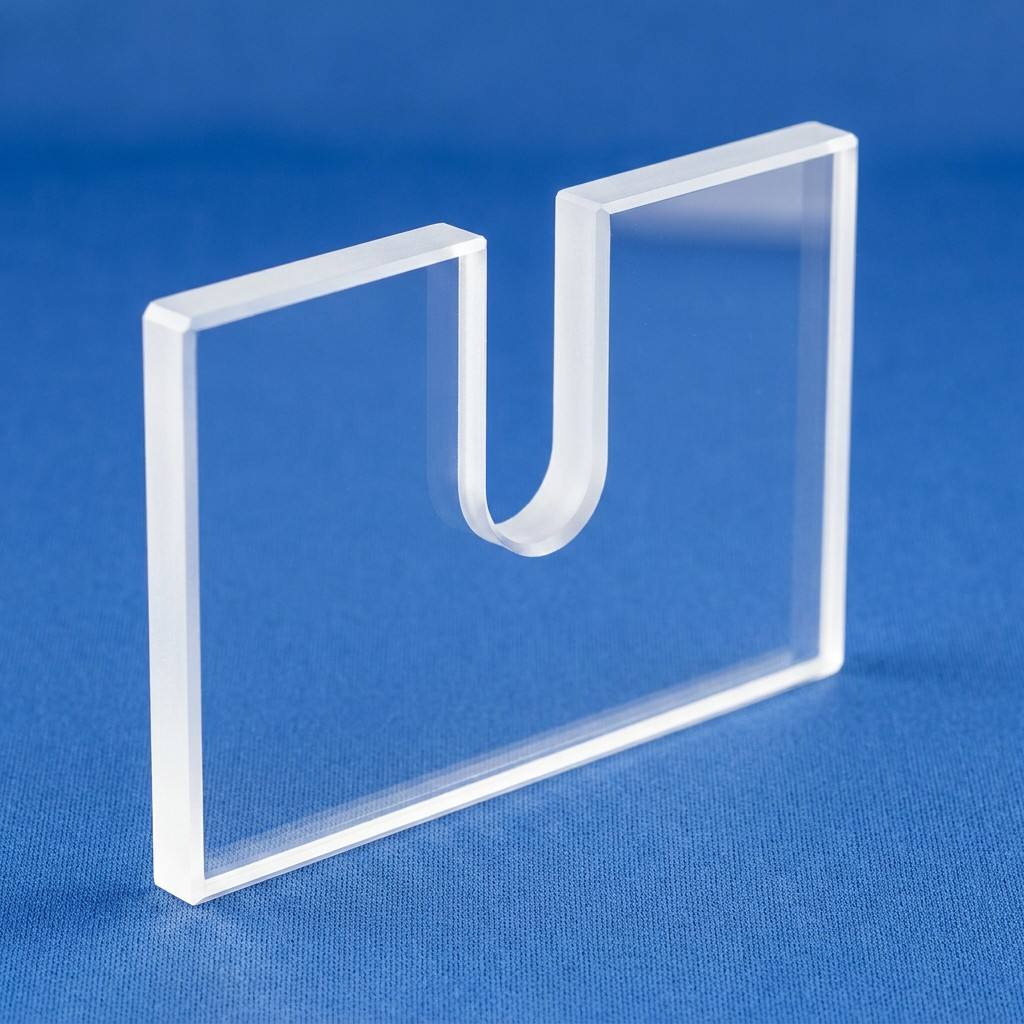
Yes. We operate complete multi-axis CNC glass machining and cold-working workshops. We produce center-hole circular disks, rectangular viewport steps, countersunk mounting holes, polished optical bevels, and ground joint interfaces strictly according to CAD/PDF engineering drawings.
How does fused quartz compare against high-borosilicate glass in boiler sight glass service?
While borosilicate glass functions well up to 250°C - 300°C, high-pressure steam boilers and industrial metallurgical kilns frequently experience thermal spikes and sudden atmospheric cold blasts that cause borosilicate to shatter. Fused quartz features an expansion coefficient nearly ten times lower than borosilicate and safely operates at triple the temperature without devitrification.
What dimensional tolerances and surface finishes can be maintained for optical and vacuum plates?
For mechanical sight windows, standard dimensional tolerance is ±0.1 mm to ±0.2 mm. For precision optical and semiconductor substrates, we achieve thickness tolerances within ±0.02 mm, surface flatness of λ/4 to 2λ per 25 mm, and surface quality scratch/dig ratings of 60/40 or 40/20 depending on end-use specifications.
How do you ensure fragile quartz glass sheets arrive undamaged through regional transit routes?
Every quartz sheet is individually wrapped in protective anti-scratch film, cushioned within vacuum-sealed high-density EPE pearl foam compartments, and packaged in heavily braced, fumigation-free composite wooden crates. Our packaging withstands long-distance intermodal freight handling, ocean container transit, and regional cross-border trucking with a verified zero-breakage record.
What is the typical inquiry turnaround time and sample production lead time?
Our technical engineering sales desk maintains an average response time of under 2 hours for standard RFQs. Standard inventory plates ship within 3–5 working days, while custom CNC cut, drilled, or polished sheet prototypes generally complete fabrication within 7–12 days.
Request an Engineering Consultation & Factory Quote
Send us your dimensional drawings, required optical tolerances, or operational parameters. Our technical specialists will verify mechanical feasibility, optimize material selection, and provide competitive factory-direct pricing within 2 hours.