Precision Quartz Glass Tanks, Tubes & Substrates
Explore our core fused silica products engineered for extreme thermal shock, deep ultraviolet transmission, and harsh chemical containment across regional engineering plants.



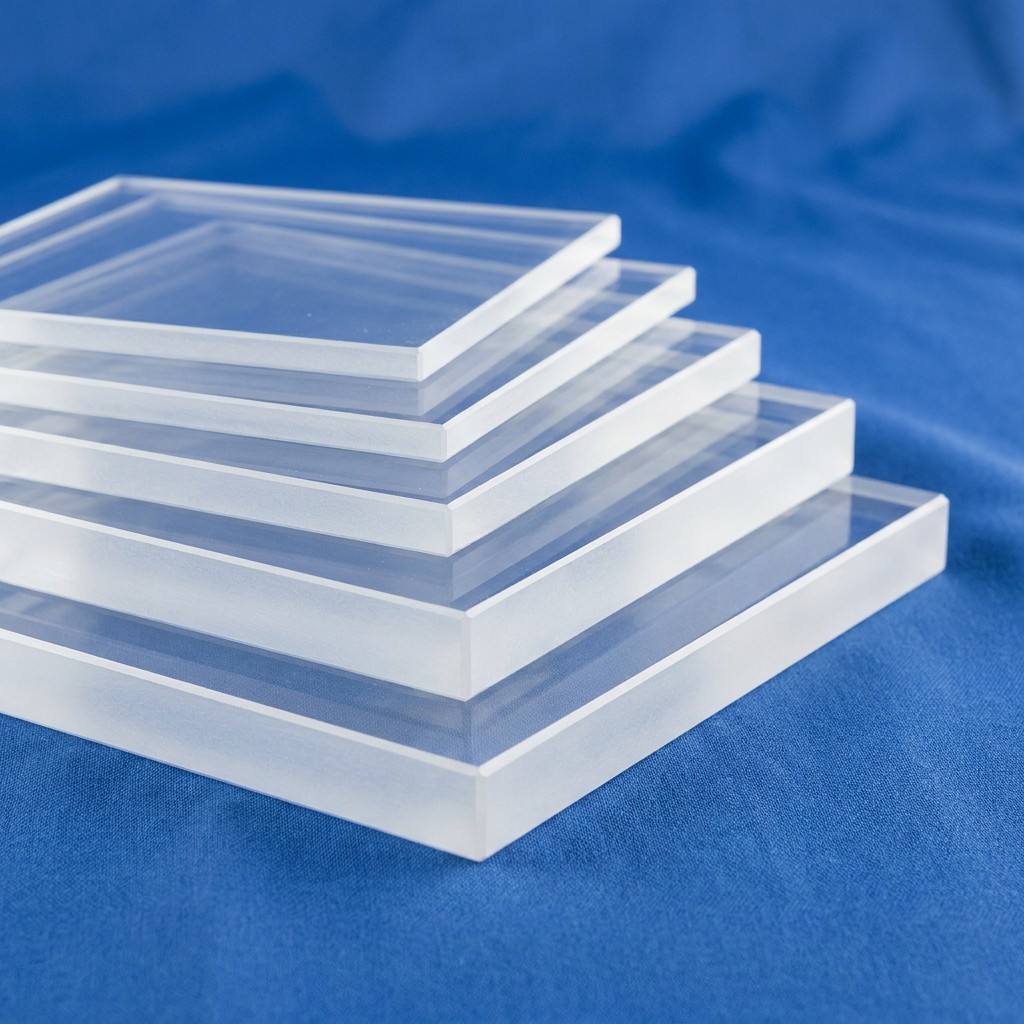
Industrial Quartz Tank Engineering: Material Science & Structural Superiority
In modern metallurgical assays, precision wet-chemical synthesis, high-temperature roasting, and optical spectroscopy, standard borosilicate or aluminosilicate glasses invariably fall short. Borosilicate matrices, while adequate for mild laboratory thermal cycles below 450°C, exhibit significant devitrification and thermal expansion risks when subjected to cyclical kiln surges, aggressive aqua regia digestion, or high-intensity UV irradiation. For processing engineers, plant supervisors, and laboratory managers operating in Taunggyi—the administrative hub and commercial epicenter of Myanmar's mineral-rich Shan State—the transition toward ultra-high-purity fused quartz glass tanks (SiO2 ≥ 99.99%) is an operational necessity driven by stringent purity controls and harsh environmental demands.
A quartz glass tank is not merely a transparent vessel; it represents an analytically inert, thermally indestructible containment system. Manufactured through precision oxy-hydrogen flame fusion or vacuum electric melting from natural monocrystalline quartz sand originating in Donghai County—the quartz capital of the world—these vessels feature near-zero coefficients of thermal expansion (5.5 × 10⁻⁷ / °C). This physical attribute allows a glowing-hot quartz tank heated to 1,100°C to be instantaneously doused in cold water without catastrophic fracturing or tensile micro-fissuring.
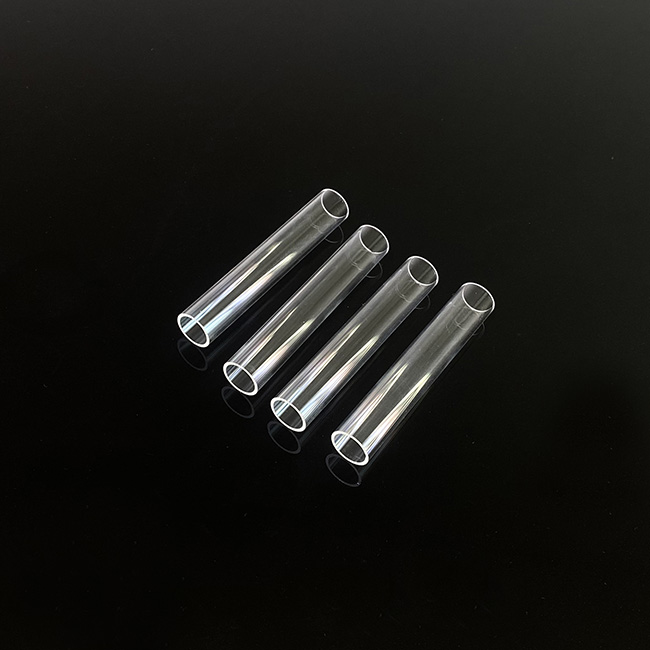
Whether configuring welded rectangular fused quartz immersion tanks for mineral acid digestion or seamless cylindrical quartz vessels for high-temperature atmosphere-controlled vacuum annealing, procurement specialists in Southern Shan require verifiable dimensional accuracy, bubble-free wall homogeneity, and robust flame-annealed seams capable of mitigating mechanical stress concentration.
Localized Application Scenarios in Taunggyi & Shan State
Tailored quartz containment systems solving unique physical and chemical challenges in Southern Shan's mineral processing, agriculture, highland meteorology, and water treatment sectors.
Antimony, Lead & Silver Assay Refining
The mineral belt surrounding Taunggyi, extending through Bawsaing and Kalaw, contains major polymetallic veins. Fused quartz tanks and crucibles are essential for fire assays, hot acid digestion (HNO3/HCl), and molten lead-silver separation, where chemical resistance to corrosive fluxes is paramount.
Inle Lake Ecosystem UV Water Treatment
With eco-tourism and agricultural runoff posing microbial threats to the Inle Lake basin adjacent to Taunggyi, municipal and commercial purification facilities employ ozone-free and high-transmission UV quartz sleeve tanks for continuous germicidal radiation at the critical 254nm spectral band.
Shan Tea & Coffee Phytochemical Extraction
Taunggyi and Ywangan's expanding specialty coffee, tea, and botanical processing industries utilize high-pressure quartz sight vessels and solvent reaction tanks for ultrasonic fluid extraction, supercritical CO2 processing, and pure essential oil distillation without heavy metal cross-contamination.
High-Altitude Atmospheric & Solar Research
Situated over 1,400 meters above sea level, Taunggyi offers distinct atmospheric advantages for high-altitude solar radiation tracking, environmental spectrometry, and academic physics laboratories requiring deep UV-transparent quartz windows and optical cell tanks.
Geothermal Fluid & Hot Spring Chemical Analysis
The Southern Shan geothermal corridor produces mineral-dense geothermal brines rich in sulfur and silicates. Quartz level gauges and testing tanks maintain pristine optical clarity under scaling temperatures without glass corrosion or etching degradation.
Industrial Smelting & Kiln Flue Gas Viewports
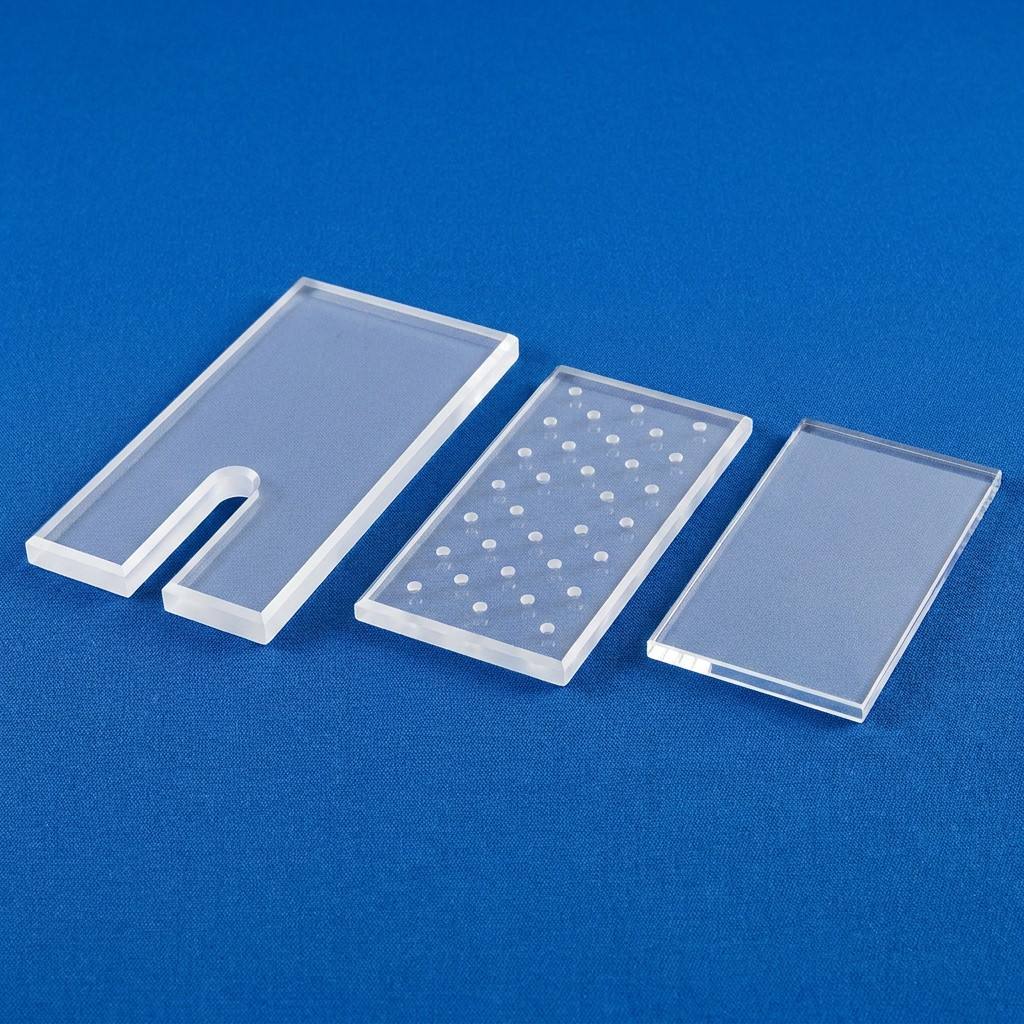
Regional brick, cement, and metal casting kilns operate continuous high-heat processes. Heat-resistant fused silica viewing plates safeguard inspection ports from flame impingement, explosive spatter, and thermal fracturing during winter night temperature plunges.
Material Property Benchmark: Fused Quartz vs. Industrial Borosilicate 3.3
Procuring the correct grade of glass container requires understanding the quantitative boundaries between standard industrial borosilicate and true fused silica quartzware. Below is our verified testing comparison table:
| Performance Characteristic | High-Purity Fused Quartz (VEZLO) | Standard Borosilicate 3.3 Glass | Critical Engineering Impact |
|---|---|---|---|
| SiO2 Purity Content | ≥ 99.99% | ≈ 80.5% | Prevents metal leaching during assay digestion and trace chemical analysis. |
| Continuous Service Temperature | 1,100 °C | 450 °C | Enables prolonged exposure inside roasting furnaces without sagging. |
| Softening Point | ≈ 1,683 °C | ≈ 820 °C | Allows high-temperature flame welding, vacuum sealing, and flange reforming. |
| Thermal Expansion (0-300°C) | 5.5 × 10⁻⁷ / °C | 33 × 10-7 / °C | Extreme thermal shock resistance; survives cold quenching from 1,000°C. |
| UV Spectral Transmission (254nm) | ≥ 88% (Up to 92%) | ≤ 5% (Strongly absorbs UV) | Essential for photo-oxidation, ozone generation, and water sterilization. |
| Acid Resistance (except HF & hot H3PO4) | Class 1 (Chemically Inert) | Class 1 to 2 | Withstands aqua regia, hot nitric, hydrochloric, and sulfuric acids indefinitely. |
Procurement & Technological Trends in Southern Shan State
The manufacturing and processing landscape across Taunggyi, Ayetharyar Industrial Zone, and the wider Southern Shan corridor is experiencing a structural modernization. Three critical trends dominate current demand for quartz glass equipment:
1. Shift Towards Localized Assay and Mineral Refining Verification: Rather than exporting unrefined ores or relying exclusively on remote laboratories in Mandalay or Yangon, local mining ventures in Kalaw, Bawsaing, and Hopong are expanding in-house assay and refining workshops. This localized capability requires reliable supplies of heavy-duty quartz tanks, crucibles, and optical viewports capable of resisting corrosive vapors and repetitive thermal cycling.
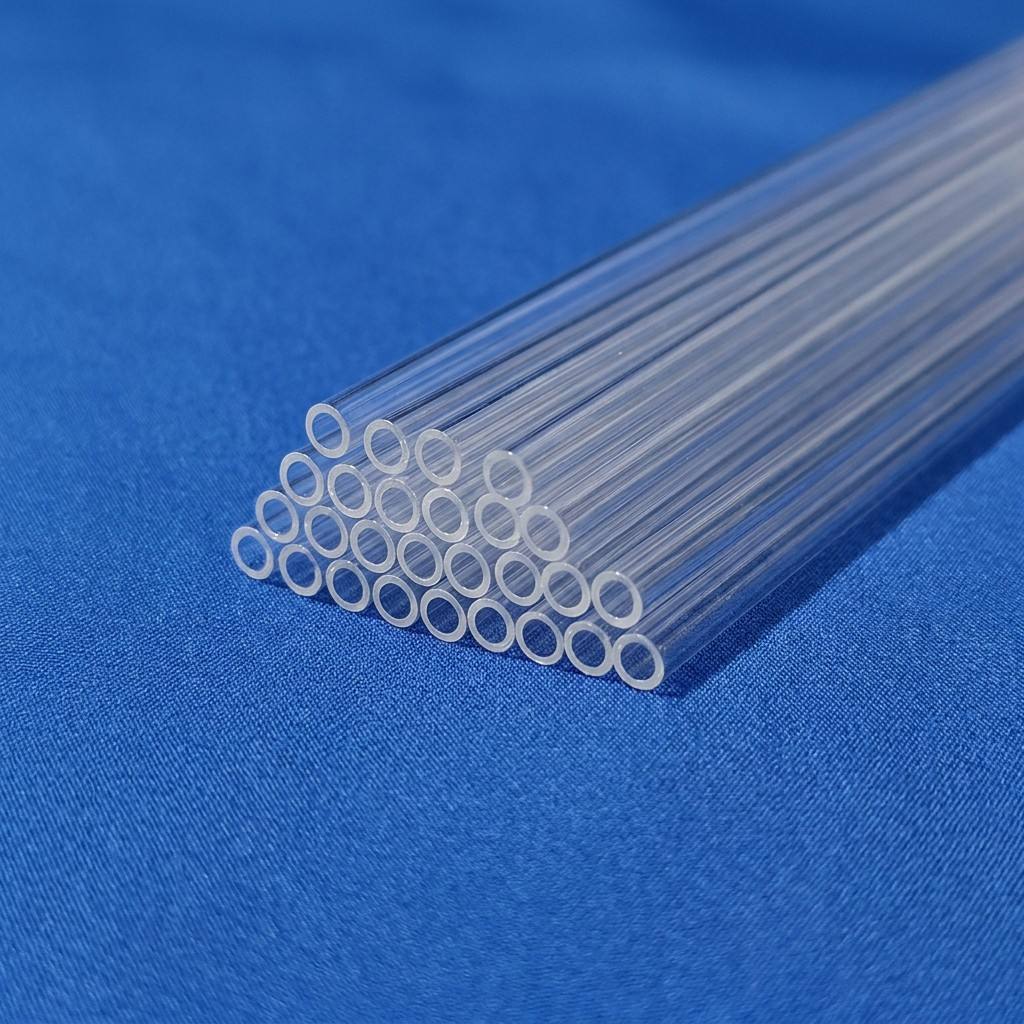
2. Adoption of Environmentally Compliant Water & Air Treatment: Stricter environmental monitoring around regional freshwater resources—specifically the Inle basin—has triggered accelerated investment in industrial ozone generation and UV-C germicidal systems. Because ozone generators produce intense corona discharge and highly reactive oxidants, conventional polymers fail rapidly. High-purity, ozone-free fused silica tubes and quartz tanks represent the sole material capable of decades-long performance under dielectric stress.
3. Demand for Turnkey Custom Glass Fabrications: Regional enterprises increasingly specify customized quartz hardware: tanks equipped with custom overflow weirs, ultrasonic immersion transducer housings, ground taper joints, and welded quartz ball valves. Off-the-shelf catalog vessels rarely match legacy machinery, elevating the value of direct factory partnerships capable of fabricating to detailed technical drawings.
Why Global & Regional Buyers Partner with VEZLO Quartz
Originating from Donghai, the quartz capital of China, we combine source-level raw material control with world-class engineering and rapid international logistics.
Raw Purity from Source
Located on a 33,000 m² production site in Donghai, Jiangsu, we refine our own natural quartz sand with total metallic impurities ≤ 20 ppm, ensuring exceptional optical clarity and bubble-free integrity.
R&D Project Leadership
Our 320 mm high-purity quartz tube development was completed under the Jiangsu Provincial Science & Technology Support Project, while our 520 mm large-diameter tube earned National New Product Review recognition.
OEM/ODM to Precision CAD
From complex welded multi-chamber cleaning tanks and quartz boats to custom optical viewport plates, our glassblowing and cold-grinding workshops fabricate rigorously to your CAD drawings and ISO tolerances.
Rapid Global Logistics
With an average engineering inquiry response time under 2 hours, dedicated bilingual support, and shock-proof wooden crate packaging, we deliver factory-direct to Myanmar, Southeast Asia, and worldwide.
Frequently Asked Questions for Taunggyi Quartz Sourcing
Direct answers addressing freight safety, custom fabrication tolerances, temperature limits, and chemical compatibility for plant engineers and purchasing officers.
How do you safeguard fragile quartz tanks and large tubes during cross-border freight into Myanmar? +
Transporting specialized glassware into inland logistics hubs like Taunggyi requires industrial-grade export crating. Every quartz vessel, tank, or tube is individually wrapped in high-density closed-cell polyethylene (EPE) pearl cotton foam, stabilized inside custom shock-absorbing inner boxes, and secured into heavy fumigation-free multilayer plywood crates.
For large-diameter quartz vessels, external shock-watch sensors and tip-and-tell indicators are affixed. Consignments shipped via air freight to Yangon/Mandalay or overland freight through Muse/border transit routes receive reinforced internal bracing to withstand rough topography across the Shan hills.
Can you fabricate quartz cleaning tanks and reaction vessels to custom dimensions and CAD drawings? +
Yes. We specialize in OEM and ODM bespoke quartz fabrication. Our engineers work directly with DWG, DXF, STP, or PDF drawings. We can produce:
• Welded rectangular quartz immersion tanks with reinforced corner fillets.
• Seamless cylindrical reaction vessels up to OD 520 mm.
• Custom CNC cutouts, drain holes, flared necks, ground glass ball/socket joints, and flanged viewports.
• Internal quartz wafer boats, carrier racks, and baffle plates.
What is the primary operational difference between natural fused quartz and synthetic fused silica? +
Fused Quartz is produced by melting natural ultra-high-purity quartz crystal or sand (SiO2 ≥ 99.99%). It delivers exceptional thermal resilience, minimal thermal expansion, high mechanical strength, and cost-effective pricing, making it ideal for furnace tubes, industrial acid tanks, sight glasses, and standard UV sleeves.
Synthetic Fused Silica is synthesized using chemical precursors like silicon tetrachloride (SiCl4). It achieves purity levels of 99.9999% and transmits deep vacuum-UV light down to 185nm and 193nm without solarization. For over 90% of industrial chemical, furnace, and mineral refining applications in Taunggyi, natural fused quartz delivers superior structural stability at a significantly more competitive procurement cost.
How does fused quartz handle thermal shock, and what are its upper temperature thresholds? +
Fused quartz features an exceptionally low coefficient of thermal expansion (5.5 × 10⁻⁷ / °C). Consequently, it possesses unmatched thermal shock resistance compared to any commercial glass or ceramic. A standard quartz plate or vessel can be heated continuously to 1,100°C and withstand short-term excursions up to 1,300°C. It can be dropped directly into ice water from 1,000°C without catastrophic mechanical failure. The annealing point occurs at approximately 1,215°C, and the softening point is approximately 1,683°C.
Are quartz glass tanks completely resistant to all industrial acids and solvents? +
Fused quartz is completely inert to virtually all acids—including aqua regia, boiling concentrated nitric acid, hydrochloric acid, and sulfuric acid—as well as organic solvents and halogens. The only chemical compounds that attack fused silica quartz at room or elevated temperatures are Hydrofluoric Acid (HF) and concentrated Phosphoric Acid (H3PO4) when heated above 150°C. It is also susceptible to caustic alkaline solutions (such as hot concentrated NaOH or KOH) at high temperatures.
What data must I provide in an inquiry to receive a formal price quote and engineering assessment? +
To receive a verified engineering quotation within 2 hours, please specify:
1. Dimensions: Length, width, height, outer diameter (OD), inner diameter (ID), wall thickness, and dimensional tolerances.
2. Operating Environment: Maximum working temperature, continuous vs. cyclic heating, operating pressure or vacuum levels, and chemical chemicals contained.
3. Workmanship: Cut and fire-polished edges, optically lapped faces, or flame-welded seams.
4. Volume: Prototype/single-vessel order or recurring batch quantities.
Click the Get Catalog button to initiate your technical review immediately.
Engineer Your Custom Quartz Solution Today
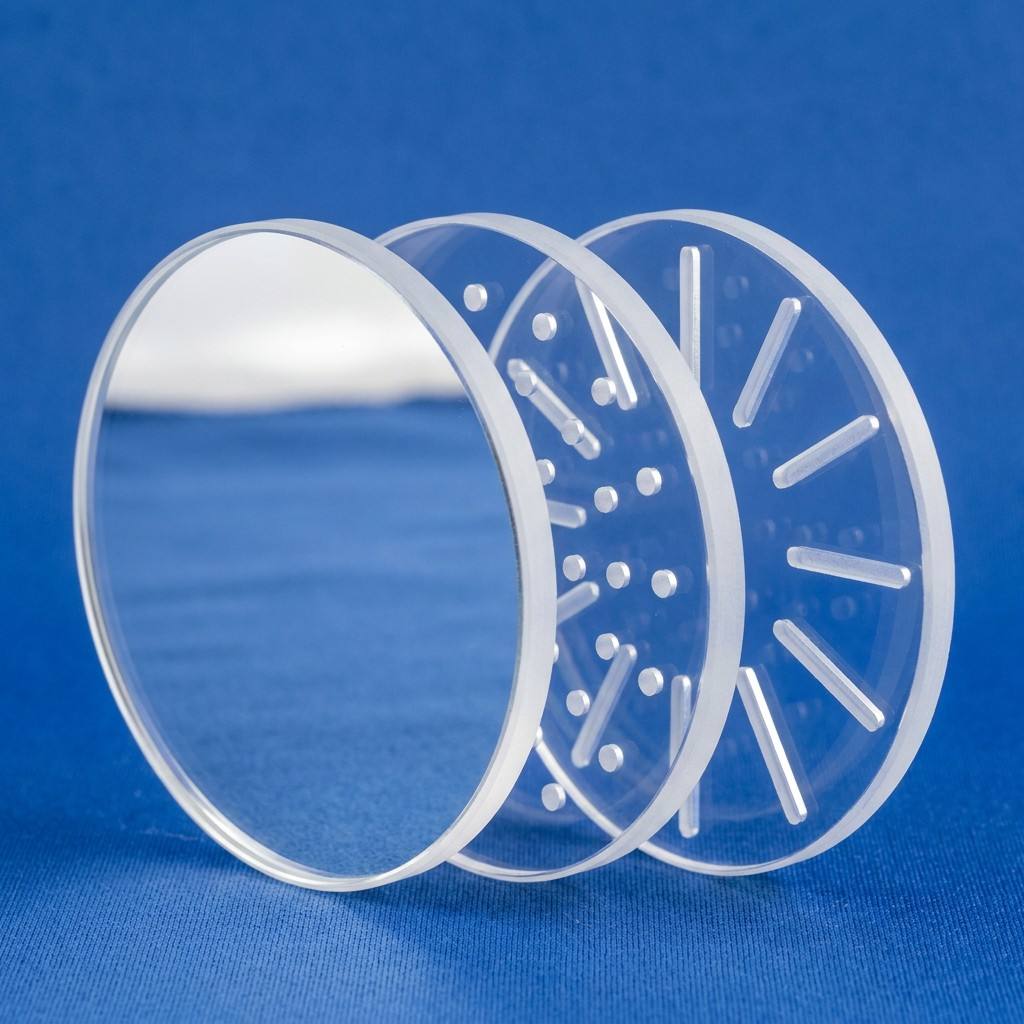
Whether sourcing high-purity quartz tubes, rectangular acid immersion tanks, or precision viewport discs for operations in Taunggyi, our engineering team in Donghai provides factory-direct technical feasibility reviews, CAD design validation, and certified export fulfillment.