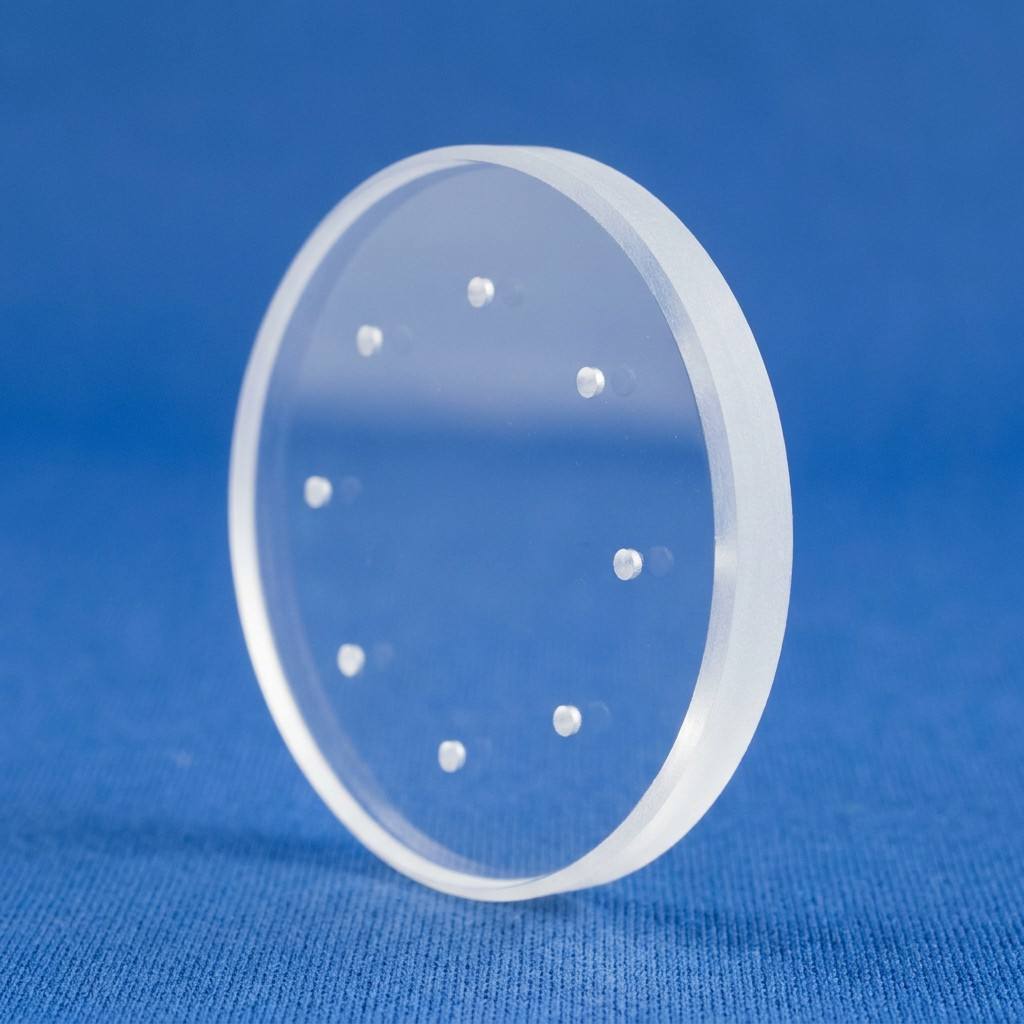
5-Axis Machining
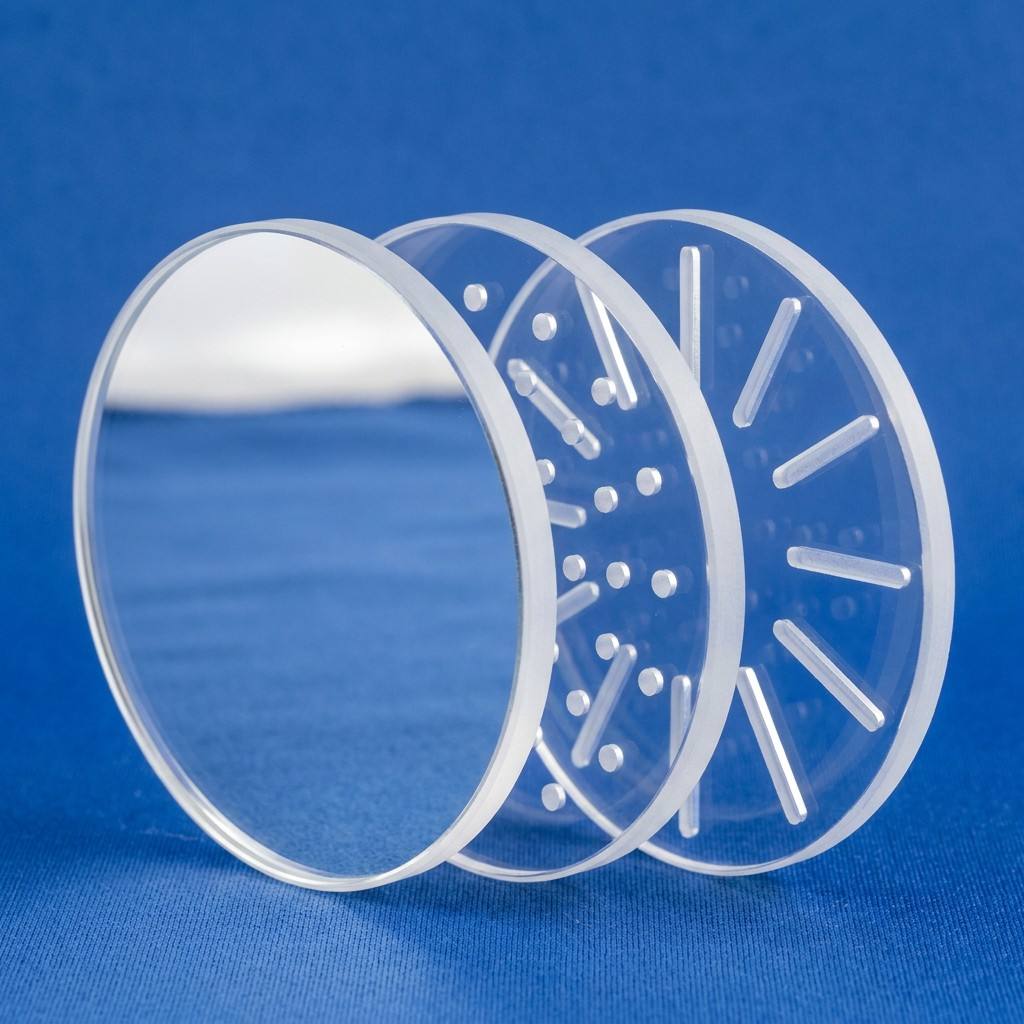
CNC Machined Quartz Plate Fused Silica Complex Shape Custom Size
Tolerance ±0.02 mm
Details →
Engineered in compliance with strict international tolerances, our fused quartz solutions combine ultra-low thermal expansion with superior spectral transmission and chemical resistance for critical operational environments in Gjakova.
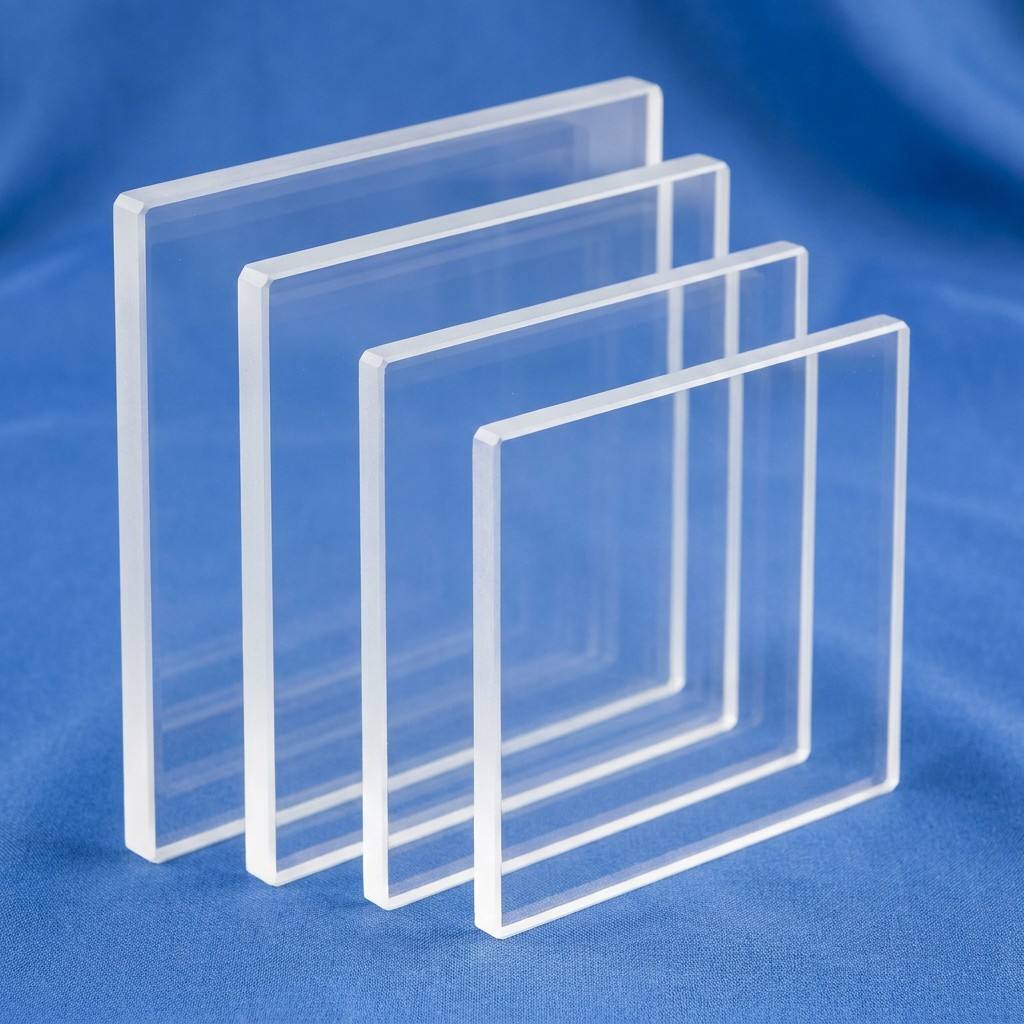
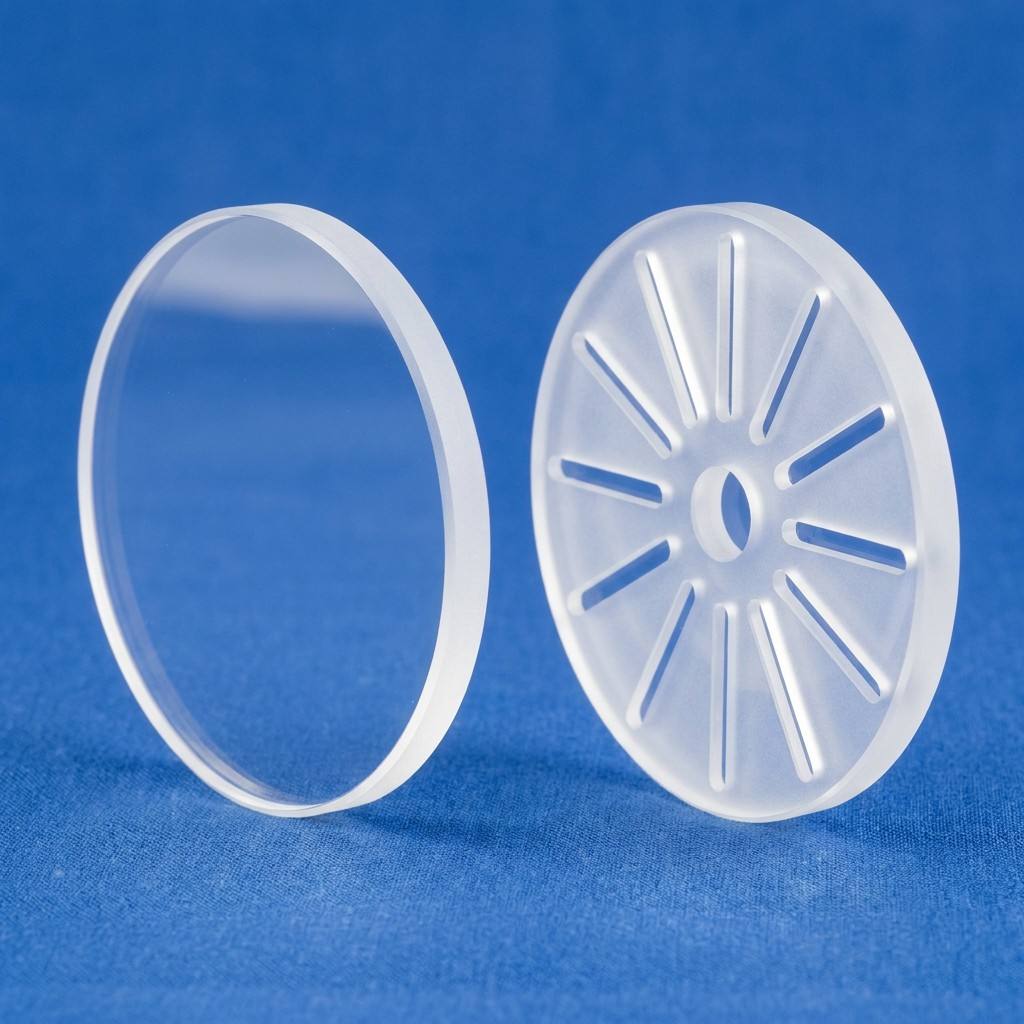
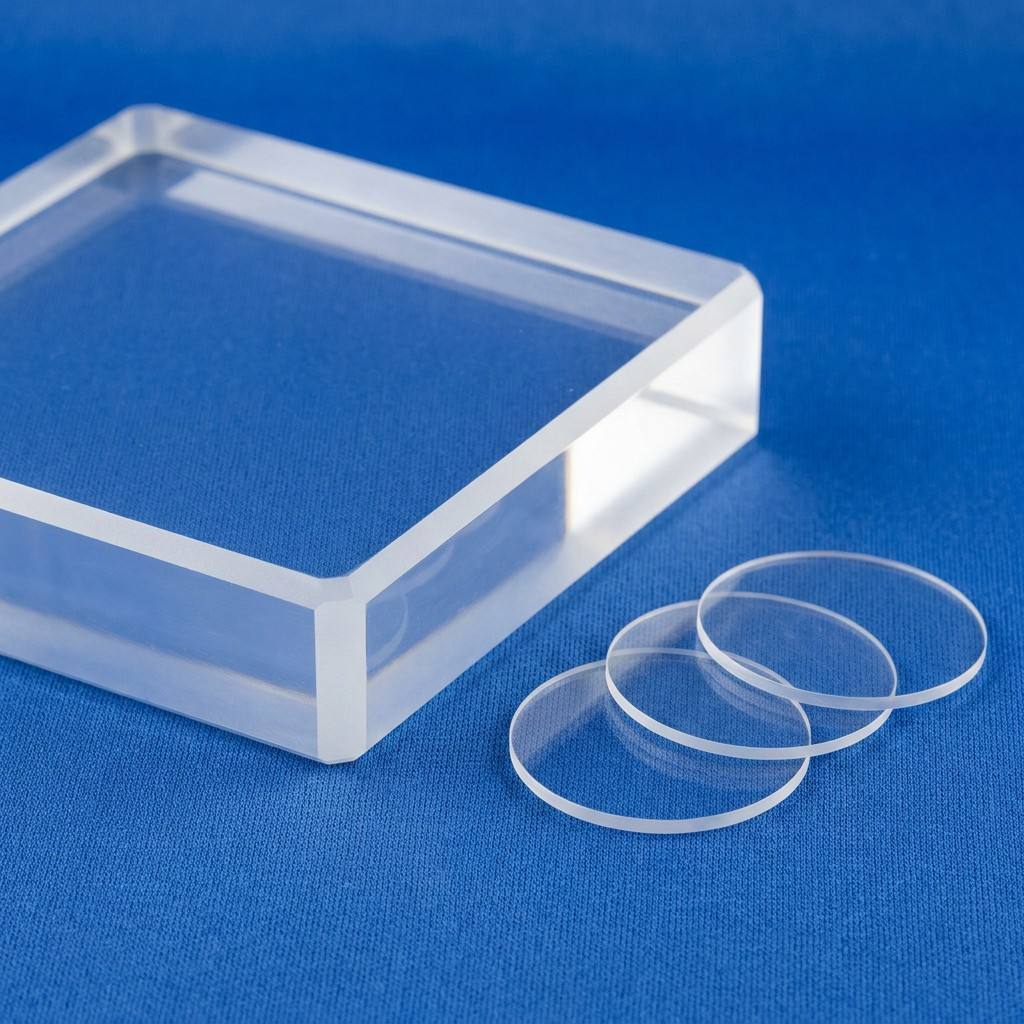


A comprehensive guide for project engineers, laboratory directors, and procurement specialists in Gjakova evaluating material integrity for extreme thermal and optical operating parameters.
Fused quartz tubing represents one of the most critical structural and functional inorganic materials in modern industrial thermodynamics, photochemistry, and process diagnostics. Synthesized from ultra-high-purity crystalline silica (SiO₂) deposits, our tubing production utilizes high-temperature electrical resistance and continuous gas-phase thermal fusion operating at temperatures exceeding 2,000°C. At these extreme melting thresholds, the crystalline quartz matrix is converted into an amorphous (non-crystalline) vitreous silica network. This non-crystalline lattice is characterized by strongly directional, tetrahedral silicon-oxygen (Si-O) bonds, exhibiting a near-zero coefficient of thermal expansion (5.5 × 10⁻⁷ /°C between 20°C and 320°C).
For industrial systems operating throughout the Gjakova district—ranging from advanced thermal heating, municipal effluent treatment, and optical inspection to educational physics and biotechnology facilities—standard borosilicate 3.3 or aluminosilicate glass tubing cannot withstand sustained service temperatures above 500°C without permanent structural sag, strain warping, or catastrophic devitrification. Fused quartz tubing safely tolerates continuous continuous service at 1,100°C, with peak excursion thresholds up to 1,280°C, offering complete immunity to thermal shock. A quartz tube heated red-hot to 1,100°C can be immediately plunged into cold water without micro-fracturing or explosive failure.
Devitrification is the phase transformation where metastable amorphous quartz transitions into crystalline cristobalite when subjected to prolonged temperatures above 1,150°C. This process is drastically accelerated by alkaline surface contamination (Na⁺, K⁺, Ca²⁺) and elevated residual hydroxyl (OH⁻) content. Our Gjakova-bound quartz tubing undergoes secondary vacuum dehydroxyl thermal baking, reducing internal OH⁻ levels below 15 ppm (or below 5 ppm for specialized electrical infrared emitter shells). This treatment mitigates thermal sagging under cantilever loads and extends service lifetimes by over 300% relative to standard commercial-grade fused glass.
| Material Property | Fused Quartz (Clear Tubing) | Synthetic Fused Silica | Borosilicate Glass 3.3 | Significance for Industrial Usage |
|---|---|---|---|---|
| SiO₂ Purity Level | ≥ 99.99% (4N) | ≥ 99.9999% (6N) | ~ 81% (with B₂O₃, Na₂O) | Prevents elemental leaching into high-purity chemical processes |
| Max Working Temp (Continuous) | 1,100 °C | 1,150 °C | 450 – 500 °C | Allows placement inside muffle kilns, IR ovens, and CVD furnaces |
| Thermal Expansion (CTE) | 5.5 × 10⁻⁷ / °C | 5.2 × 10⁻⁷ / °C | 33 × 10⁻⁷ / °C | Guarantees dimensional stability during rapid temperature cycling |
| UV Transmission Bandwidth | 260 nm – 2,500 nm | 185 nm – 2,500 nm | Cut-off below 310 nm | Vital for germicidal disinfection (253.7 nm UV-C lamps) |
| Dielectric Strength (20°C) | 25 – 40 kV/mm | 30 – 45 kV/mm | 10 – 15 kV/mm | High-voltage insulation for plasma reactors and ozone generation |
How manufacturing facilities, agricultural processing plants, municipal systems, and testing laboratories in the Gjakova municipality leverage our quartz tubes to drive operational reliability.
Protecting the Erenik and Drin river sub-basins, Gjakova's wastewater utilities and beverage bottling plants employ our single-ended and double-ended open quartz thimble sleeves. Engineered with ≥ 90% internal transmittance at 253.7 nm UV-C germicidal wavelengths, these tubes isolate high-output mercury vapor lamps from fluid pressures up to 16 bar.
Local metal processing, brick manufacturing, and powder-coating workshops across Western Kosovo rely on our heavy-wall quartz tubes as protective envelopes for medium and short-wave infrared (IR) emitters. These tubes provide uniform radiating profiles while guarding resistive tungsten heating coils against corrosive flux gases.
Diagnostic testing laboratories, clinical biochemical testing centers, and educational laboratories at regional institutes utilize custom-fabricated quartz test apparatus, flow-cell analysis tubes, and pyrolytic digestion vessels that are chemically non-reactive to boiling mineral acids (HNO₃, HCl, aqua regia).
As Gjakova expands investments in renewable energy and modernized municipal illumination, our ozone-free doped and standard quartz envelopes serve as the backbone for concentrated solar thermal absorption tubes and high-pressure sodium (HPS) and metal halide streetlighting assemblies.
Analyzing the industrial transition toward high-specification materials, regulatory compliance within the CEFTA and EU pre-accession framework, and total cost of ownership (TCO) optimization.
Process engineers in Gjakova are systematically replacing legacy borosilicate viewing sight glasses and furnace reaction tubes. While borosilicate exhibits lower upfront acquisition cost, its tendency to etch, solarize under UV exposure, and fail prematurely under thermal shock creates unbudgeted downtime. Fused quartz provides an operational lifetime 5 to 7 times longer, dramatically reducing maintenance labor costs.
As Kosovo aligns its environmental and industrial directives with the European Union acquis (including RoHS, REACH, and EN 60335 standards), factory managers in Gjakova must guarantee that fluid-contact glass tubing contains zero hazardous heavy metals. Our fused quartz tubing contains lead, cadmium, and arsenic levels well below 1 ppm, ensuring immediate regulatory audit compliance.
Procuring fragile technical glassware into landlocked Kosovo historically carried freight breakage risks. By utilizing shock-isolated packaging combined with rapid freight routing through Pristina International Airport (PRN) or multimodal marine-rail transit via the Port of Durrës, our logistics pipeline delivers precision-machined quartz directly to Gjakova industrial zones with zero transit mortality.
VEZLO Quartz Products Co., Ltd. operates an integrated 50-mu (≈33,000 m²) production complex in Donghai County, Jiangsu Province—globally acknowledged as China's premier high-purity quartz manufacturing center. Backed by RMB 10 million in fixed manufacturing assets, we control the entire vertical synthesis sequence from refined quartz sands to precision-drawn tubing and 5-axis CNC-profiled glassware.
Our proprietary high-purity quartz production pipeline has executed prestigious regional science and technology support projects, including the industrialization of large-scale 320 mm and newly validated 520 mm diameter high-purity fused quartz furnace core tubes engineered for high-temperature thermal oxidation furnaces. By investing more than RMB 5 million annually in continuous technical optimization, VEZLO delivers unmatched dimensional stability, optical clarity, and structural longevity to engineering partners in Gjakova.
Every quartz tube dispatch consigned to European industrial markets is subjected to rigorous multi-stage physical and analytical verification before crating:
Key technical and contractual insights compiled for engineering buyers, maintenance directors, and import managers in Kosovo.
Whether you require standard UV-C disinfection sleeves, custom-welded furnace heating tubes, or optical-grade fused silica plates, our engineering department provides rapid feasibility reviews, CAD file support, and competitive factory-direct pricing for facilities in Gjakova.