Essential Fused Silica Components for Laboratory & Industrial Systems
Engineered alongside our quartz stirring rods, our manufacturing base produces an extensive suite of certified fused quartz components manufactured to exacting European and international tolerances.

Quartz Sight Glass Plate Boiler Fused Silica High Temperature Resistant
View Specifications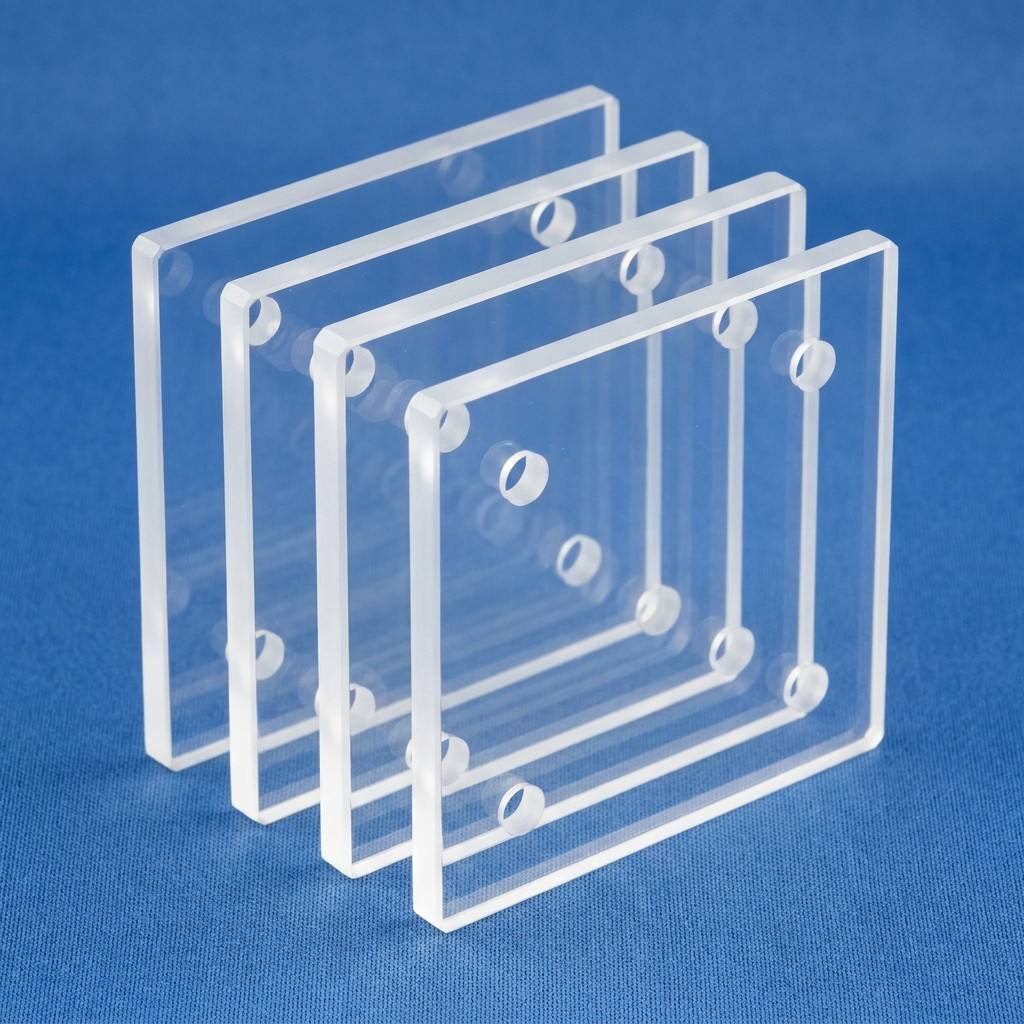
Quartz Plate for Laser Protection Window Fused Silica UV Grade
View Specifications
Quartz Viewport Glass Quartz Window Plate Optical Window Quartz High Pressure
View Specifications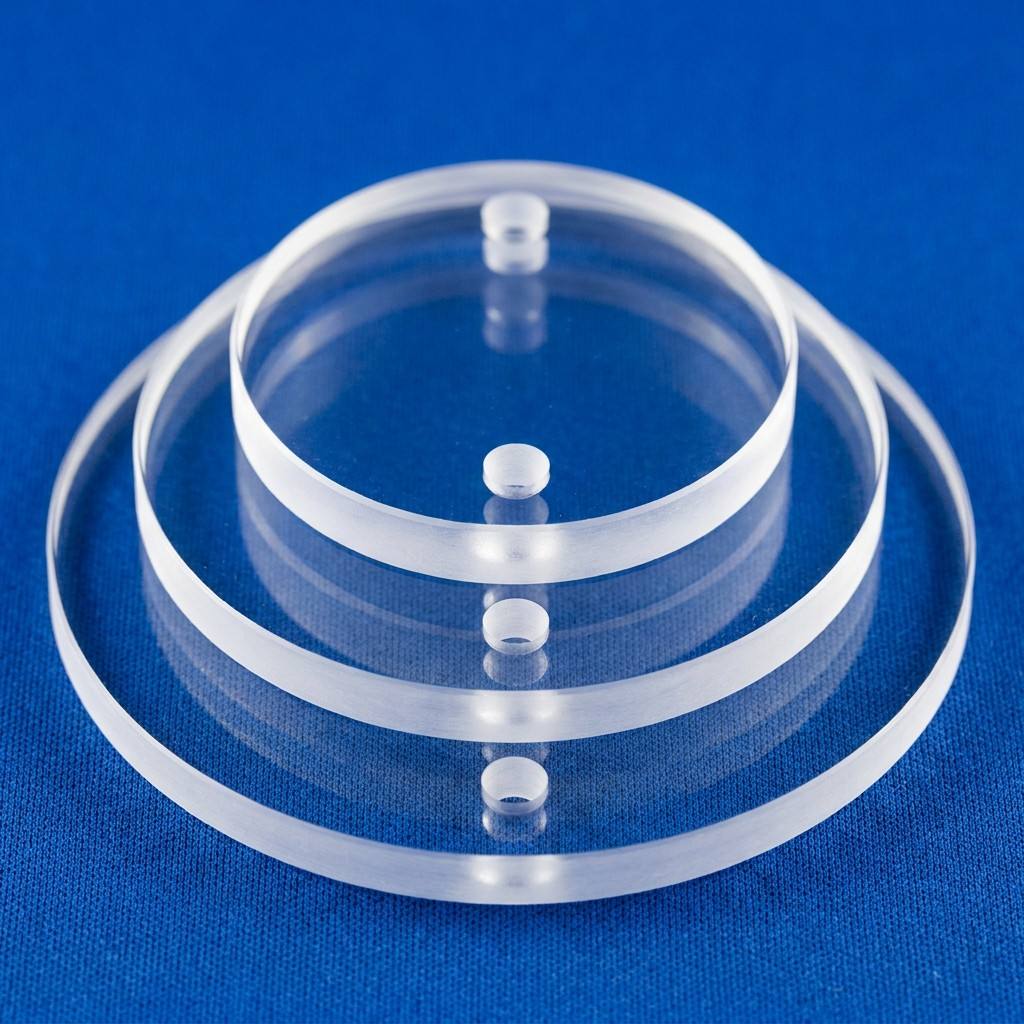
Quartz Plate for Boiler Sight Glass Fused Silica Heat Resistant
View Specifications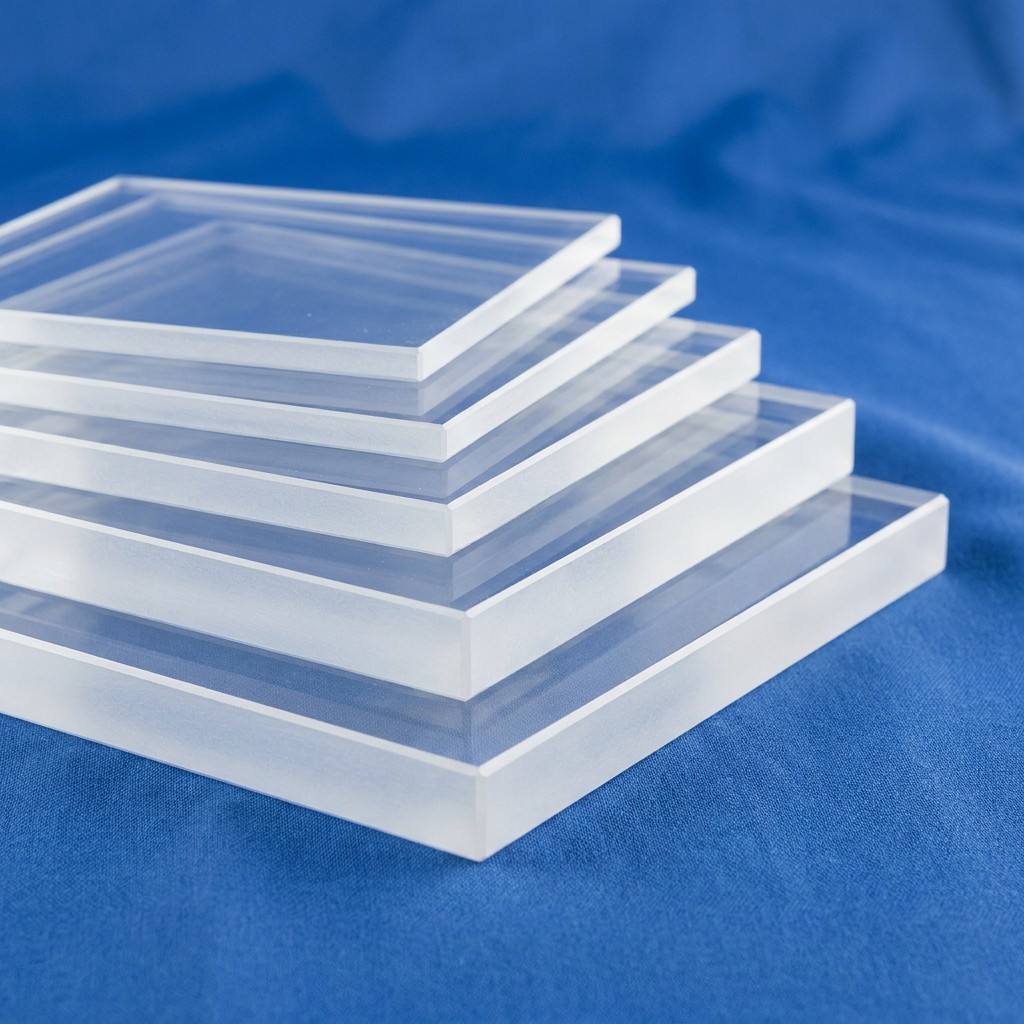
Quartz Fireplace Viewing Glass Plate Heat Resistant Fused Silica
View Specifications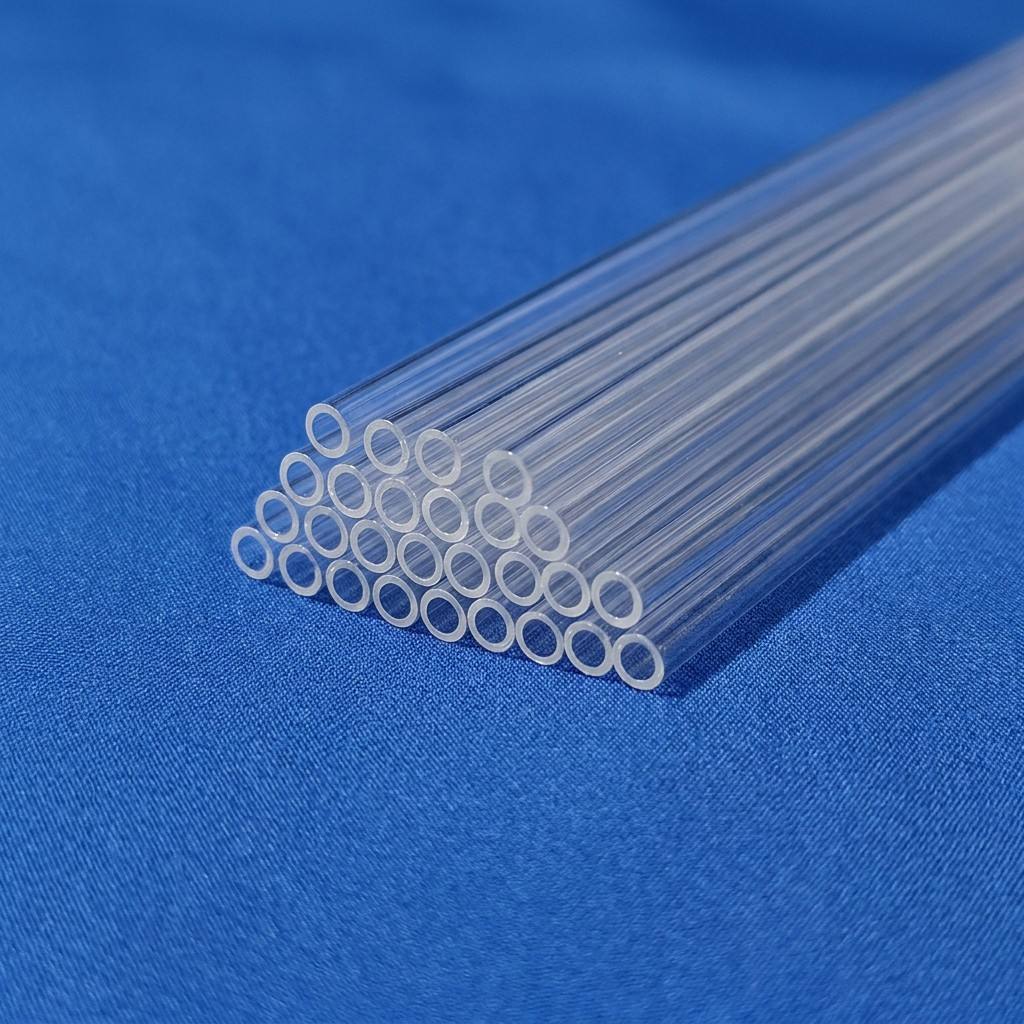
Quartz Glass Tube Raw Stock Clear Fused Silica Transparent Pipe Blank Custom Length
View Specifications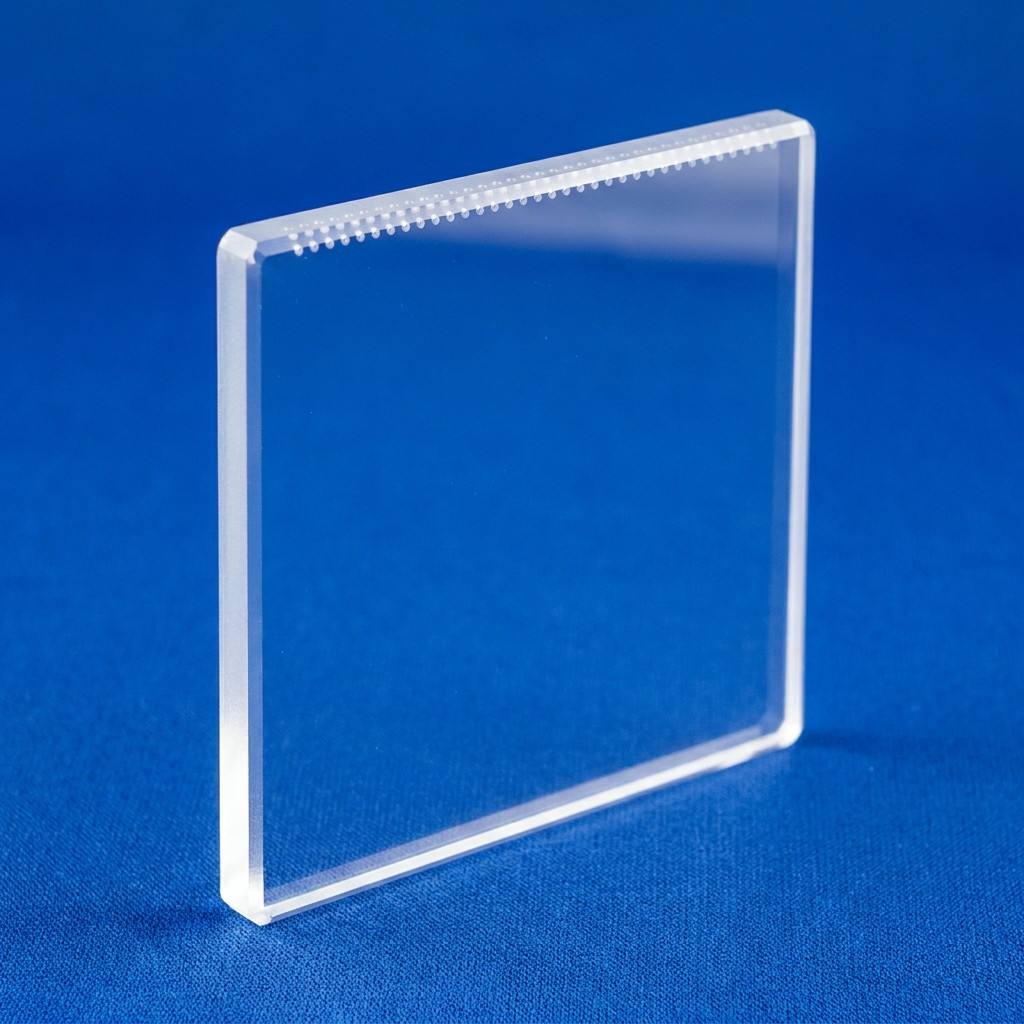
Quartz Optical Flat Plate Fused Silica High Flatness Polished Custom
View Specifications
Quartz Viewport Glass Plate Vacuum Chamber Fused Silica Custom Size
View SpecificationsTechnical Whitepaper: Engineering Fused Quartz Stirring Rods for Manchester Research & Industry
In precision laboratory synthesis, semiconductor manufacturing, and nanotechnological extraction across Greater Manchester, standard borosilicate 3.3 laboratory glass and fluoropolymer (PTFE) stirring rods increasingly encounter hard operational limits. As a direct-foundry quartz manufacturer supplying Manchester's academic research corridors and high-throughput production lines, our fused quartz stirring rods are synthesized from virgin high-purity natural quartz crystals (SiO² content ≥ 99.99%), providing unmatched structural stability under extreme thermal differentials and aggressively corrosive reagents.
Unlike ordinary borosilicate glass which softens around 560°C and leaches trace boron and sodium ions into acidic analytes, our electric and oxy-hydrogen flame-drawn fused quartz stirring rods withstand temperatures up to 1,200°C in transient states and 1,100°C indefinitely. Furthermore, with an ultra-low linear coefficient of thermal expansion of 5.5 × 10−&sup7; /°C, a glowing-red quartz stirring rod can be immersed directly into liquid nitrogen or ice-cold aqueous media without micro-fracturing or catastrophic shattering.
Material Benchmark: Fused Silica Quartz Rod vs. Standard Borosilicate 3.3 vs. PTFE Rods
For procurement directors, analytical chemists, and plant engineers across the North West of England, selecting the correct substrate ensures reproducibility, minimizes reagent contamination, and eliminates process downtime.
| Physical / Chemical Property | VEZLO Fused Quartz Rod | Standard Borosilicate 3.3 | PTFE (Polytetrafluoroethylene) |
|---|---|---|---|
| Silicon Dioxide (SiO²) Purity | ≥ 99.99% | ~ 81.0% (contains B²O³, Na²O, Al²O³) | 0% (Fluoropolymer chain) |
| Maximum Continuous Operating Temp | 1,100 °C | 450 °C | 260 °C |
| Softening Point | 1,683 °C | 820 °C | 327 °C (Melting Point) |
| Coefficient of Thermal Expansion (CTE) | 5.5 × 10−&sup7; /°C (Zero shock) | 33 × 10−&sup7; /°C | 1000–1200 × 10−&sup7; /°C |
| Trace Metal Leaching Risk | Virtually Zero (≤ 20 ppm) | Elevated (Boron, Sodium, Potassium) | Organic fluorosurfactant extractables |
| Hydrofluoric / Phosphoric Acid Resistance | Attacked only by HF & Hot H³PO&sup4; | Degraded by alkaline media & HF | Universal chemical inertness |
| Flexural Strength & Rigidity | 67 MPa (Zero flex at speed) | 35 MPa | Subject to shear creep and bending |
| UV-Vis Spectral Transmission | > 92% (190 nm to 2500 nm) | Opaque below 320 nm | Completely opaque |
Serving Manchester’s Innovation Clusters & Precision Industrial Landscapes
From the Oxford Road Corridor to Trafford Park, our quartzware supply line is tailored to meet the exacting purity, custom geometry, and documentation requirements of Greater Manchester’s key technical hubs.
Graphene & 2D Nanomaterials (GEIC & NGI)
Operating in direct synergy with researchers at the Graphene Engineering Innovation Centre (GEIC) and National Graphene Institute (NGI), our custom flame-polished quartz stirring rods are specified for liquid-phase exfoliation, high-shear sonochemical dispersal, and acid functionalization protocols where trace alkali contamination would poison catalyst matrices.
Cheshire & Alderley Park Pharmaceutical Labs
For API (Active Pharmaceutical Ingredient) synthesis and GMP analytical suites in the Greater Manchester biotechnology sphere, our rods deliver non-porous, fire-sealed ends that eliminate bacterial harborage. Fully compatible with automated autoclave validation, nitric acid pickling, and cleanroom sanitization regimes.
Trafford Park Specialty Chemical Processing
In industrial pilot plants and batch formulation facilities throughout Trafford Park, plant operators deploy large-diameter (Ø15 mm to Ø50 mm) quartz stirring rods and custom impeller shafts. Their extreme chemical inertness stands up against boiling sulfuric, hydrochloric, and aqua regia solutions without mechanical degradation or pitting.
University of Manchester Material Science
Supporting academic metallurgy, ceramic sintering research, and molten salt electrochemical baths within the School of Natural Sciences. Quartz rods withstand localized induction fields and immersion in flux baths up to 1,050°C without bending under rotational mechanical loads.
Clean Energy & Battery Cathode Slurry Mixing
With the rapid rise of North West UK gigafactories and energy storage pilots, our pure silica rods prevent iron, nickel, or cobalt contamination during the sensitive formulation of lithium-ion cathode slurries and solid-state electrolyte precursor dissolution.
Photochemical & UV Spectrometric Reactions
Because fused silica exhibits superior deep-ultraviolet transparency down to 185 nm, our dual-purpose quartz rods operate simultaneously as reaction stirrers and total-internal-reflection light guides for localized UV catalysis and in-situ spectroscopic monitoring.
Emerging Trends Shaping Quartzware Sourcing Across Greater Manchester & the North West
Procurement practices for scientific glass across Greater Manchester, Cheshire, and Lancashire have undergone a profound transformation. In line with the UK Government's Innovation Strategy and Greater Manchester’s Local Industrial Strategy, research laboratories and contract manufacturing organizations (CMOs) face tightening standards that directly influence how quartz stirring rods and fused silica hardware are procured:
1. Shift to Single-Source High-Purity Synthetics
In response to nanostructure reproducibility demands in Graphene Valley, Manchester labs are systematically replacing standard glassware with high-purity quartzware. Preventing ppb-level trace metal leaching has become mandatory for research teams publishing in high-impact journals and scaling patents to commercial pilot viability.
2. UK REACH & Traceability Compliance
Post-Brexit UK REACH regulations mandate total supply chain visibility. Manchester pharmaceutical and bio-analytical procurement officers require comprehensive certificates of conformity (CoC), material melt logs, and heavy metal screening for all silica items directly contacting biological media or finished active formulations.
3. Custom Flame-Worked Geometry for Automation
High-throughput screening robots in modern pharmaceutical incubators require custom stirring rods with integrated paddle heads, triangular agitation tips, ground joints (such as 14/23 or 24/29 cones), and laser-engraved depth calibration markers, transitioning standard stock rods into high-precision mechanical assemblies.
4. Supply Chain Resilience & Direct-to-Factory Procurement
Escalating domestic distributor markups have led university procurement consortiums (such as NWUPC) and independent contract labs in Manchester to bypass trading middlemen, establishing direct factory partnerships with established quartz fabricators capable of holding buffer stock and delivering custom OEM batches on rapid turnarounds.
Direct Foundry Advantages Rooted in China's Quartz Capital
Combining raw sand refining, automated thermal drawing, and bespoke artisanal glassblowing under one unified ISO 9001 certified quality infrastructure.
Primary Resource Monopoly
Operating from our 33,000 m² production complex in Donghai County ("China's Quartz Capital"), we directly utilize proprietary high-purity natural silica sand refined to ≤ 20 ppm total metallic impurities.
Provincial S&T Track Record
Proven engineering capacity: Developers of Jiangsu Provincial S&T Projects for 320 mm semiconductor diffusion tubes and 520 mm large-bore furnace cores passed through national new product reviews.
Bespoke Fabrication to Drawing
Diameter capacities from Ø1.5 mm ultra-fine micro-stirrers up to Ø80 mm heavy structural agitation shafts. Custom geometries, paddle pressings, rounded ends, and ground taper joints fabricated to CAD drawings.
Zero-Damage UK Export Protocol
Every stirring rod undergoes ultrasonic deionized washing, high-density pearl cotton sheath wrapping, reinforced inner cartons, and heavy-gauge export plywood casing with guaranteed breakage-free Manchester door-to-door delivery.
Frequently Asked Questions for Manchester Buyers
Detailed answers regarding technical specifications, customs, UK delivery times, and bespoke manufacturing parameters.
What are the standard dimensions and custom tolerances for quartz stirring rods supplied to Manchester?
We stock and continuously draw clear fused quartz solid rods ranging in diameter from Ø2.0 mm to Ø30.0 mm in standard lengths of 150 mm, 200 mm, 250 mm, 300 mm, and 500 mm. For specialty mixing, autoclave vessels, or reactor applications across Greater Manchester, we produce custom diameters up to Ø80 mm and lengths up to 2,000 mm. Standard diameter tolerance is maintained at ± 0.1 mm, with precision centerless-ground and polished rods achieving tolerances as tight as ± 0.02 mm upon request.
Can you produce custom tip configurations such as paddle ends, button ends, or ground joint couplings?
Yes. Our master glassblowers provide comprehensive cold and hot flame-working secondary fabrication. We frequently supply Manchester research centers with fire-rounded ends, cut flat and polished ends, flattened paddle heads (single or multi-vane for viscous slurries), triangular cross-sections, bent L-shape and helical configurations, as well as fused quartz ground joints (e.g., standard taper cones 10/19, 14/23, 19/26, 24/29) to seal directly into multi-neck distillation and reflux flasks.
How do you handle shipping logistics, UK import customs, and transit insurance to Greater Manchester addresses?
We routinely deliver to university laboratories, industrial parks, and commercial addresses throughout Greater Manchester (including Manchester City Centre, Trafford Park, Salford, Didsbury, and Cheshire science corridors). For urgent prototypes and low-to-medium volume orders, we utilize air express (DHL/FedEx/UPS) with an average transit time of 4 to 7 working days directly into Manchester Airport (MAN). For high-volume production batches, sea freight is routed via the Port of Liverpool or Felixstowe. We provide complete documentation (commercial invoice, packing list, certificate of origin, HS Code 7002.31 / 7017.10) for seamless UK customs clearance, offering both CIF Manchester and DDP (Delivered Duty Paid) terms.
What quality documentation and chemical purity certifications are provided with the delivery?
Every commercial consignment is accompanied by a comprehensive Certificate of Analysis (CoA) documenting the SiO² content (≥ 99.99%) and ICP-MS trace metal impurity limits (Fe ≤ 1.5 ppm, Al ≤ 14 ppm, Ti ≤ 1.0 ppm, Ca ≤ 0.5 ppm, Na ≤ 1.0 ppm). We also supply dimensional inspection sheets verifying diameter, straightness (typically ≤ 1.5 mm/m for precision agitation), and stress-birefringence polariscope examination reports verifying the complete absence of residual thermal stress.
What is your policy on breakages during international air or ocean transit to the UK?
We boast a transit breakage rate of under 0.2% thanks to our multi-tier export packaging protocol: individual bubble or pearl-cotton sheath isolation, rigid interior boxes, shock-absorbing vermiculite/foam fills, and robust, fumigation-free exterior plywood crates strapped and marked with fragile indicators. In the rare event of transit damage, clients simply photograph the affected items within 48 hours of receipt; our factory immediately issues free replacement rods shipped via priority air express without administrative delay.
How does the thermal shock resistance of your fused quartz rods perform during high-temperature flux baths?
Due to the exceptionally low thermal expansion coefficient of our fused quartz (5.5 × 10−&sup7; /°C from 20°C to 1,000°C), our rods demonstrate near-zero expansion over vast temperature swings. In laboratory testing, an engineered quartz stirring rod can be repeatedly brought to 1,100°C in a muffle furnace and plunged instantaneously into room-temperature water or ice slush without fracturing, crazing, or loss of mechanical tensile strength.
Connect with Our Technical Quartz Engineering Team
Whether you require prototype quartz stirring rods for an academic trial, high-tolerance paddles for a biotech reactor, or bulk fused silica sight glasses for industrial plants in Greater Manchester, our engineers are on standby with fast pricing, material data, and drawing validation.