
Export Grade Silica Components
Featured Fused Quartz Precision Solutions
Engineered from raw natural crystals and refined in Donghai County, China. Our portfolio serves high-temperature, optical, and industrial heating infrastructure across Chonburi and greater Pattaya.
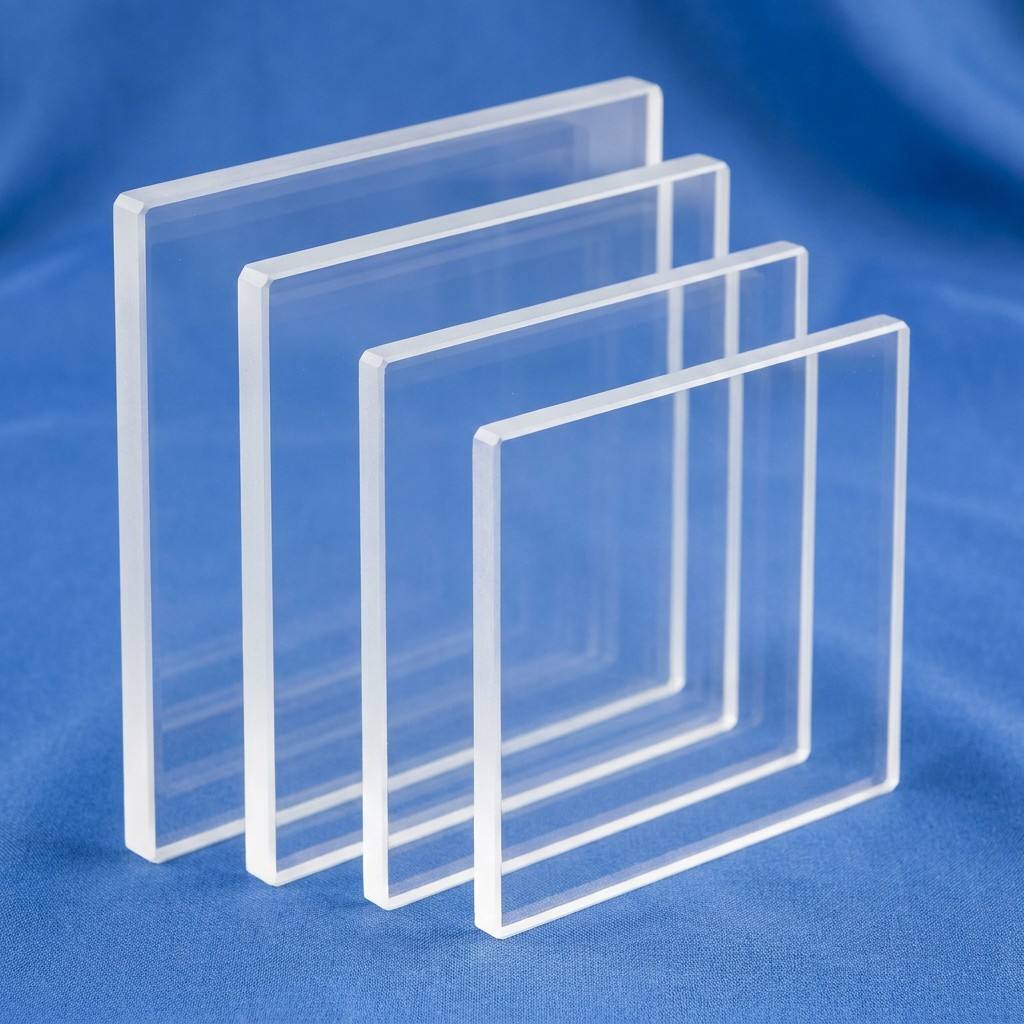

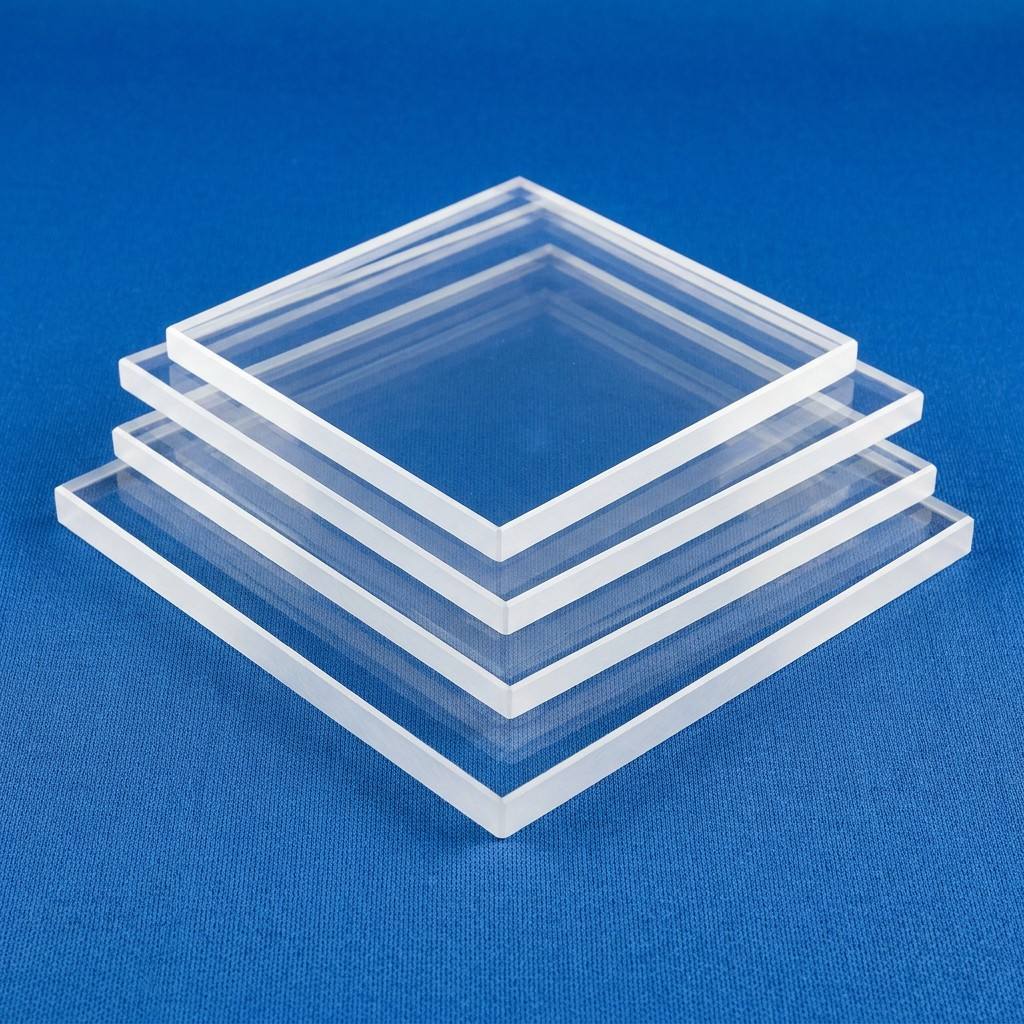
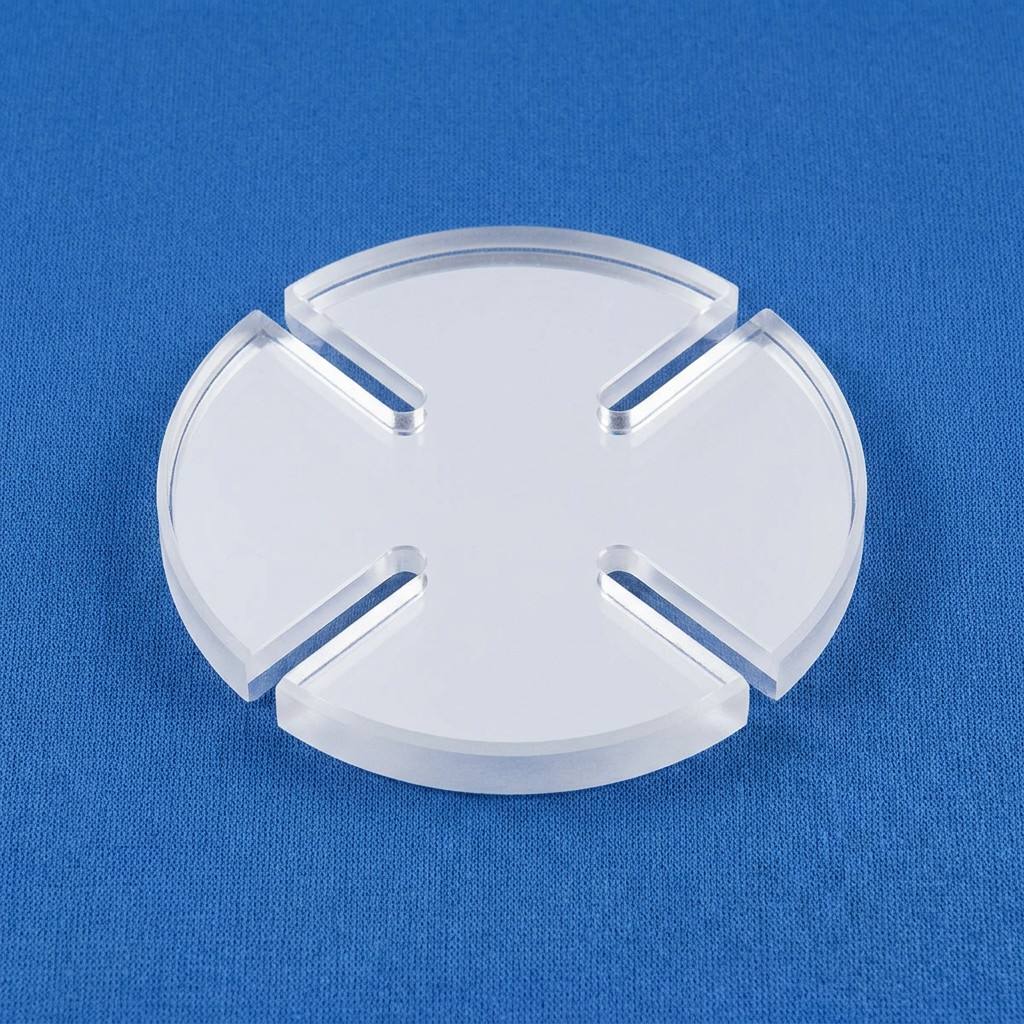
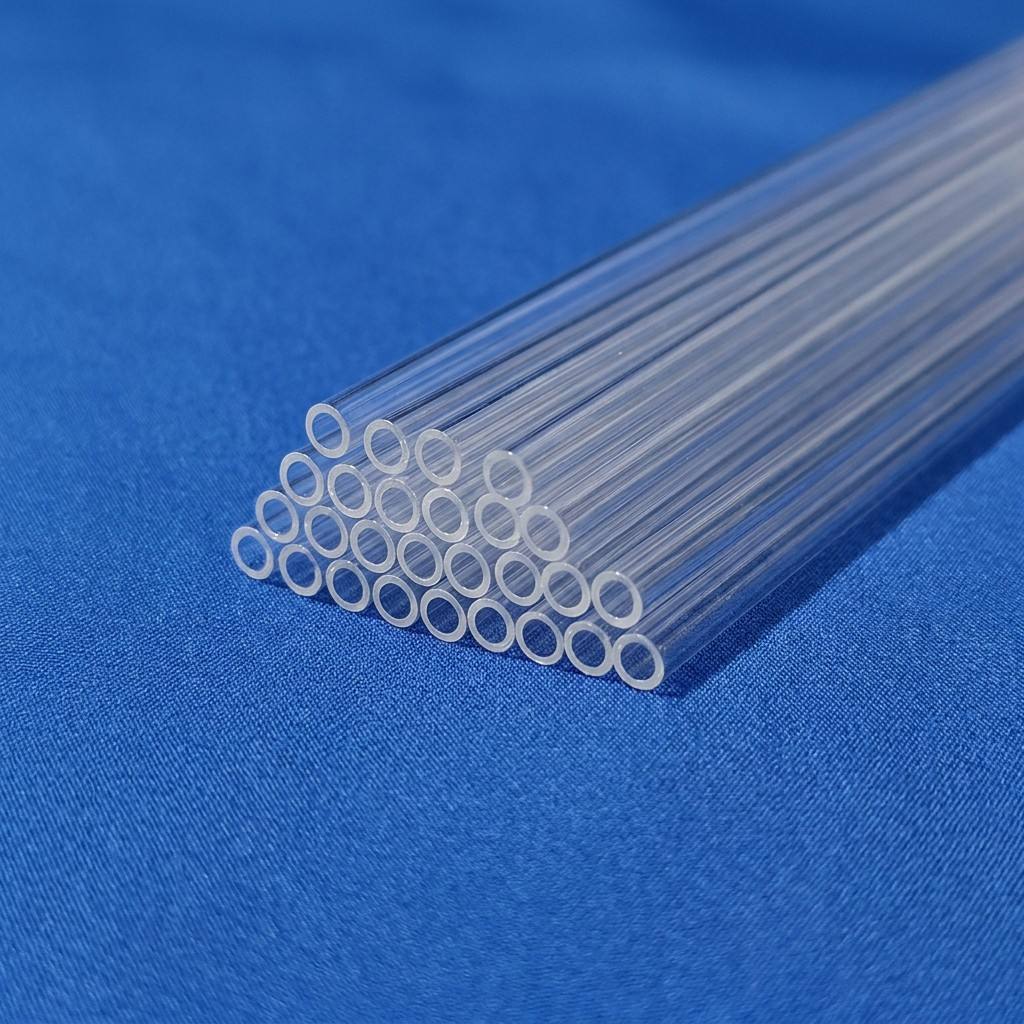

OD 2–500mm
Fused Tube Production Scope
≤ 20 ppm
Trace Metal Impurity Threshold
≤ 2 Hours
Technical RFQ Response Time
50%
Verified Buyer Reorder Rate
Engineering Whitepaper
Twin Tube Geometries & Fused Silica Mechanics
Evaluating structural deflection, directional infrared emission, and high-temperature thermal behavior in modern automated processing plants.
When evaluating high-performance heating efficiency for industrial drying, polymer activation, and rapid thermal processing, traditional single-bore round tubes often face mechanical deflection and non-uniform thermal dissipation. The twin tube profile (figure-8 geometry) represents an engineering breakthrough by fusing two parallel silica chambers into a continuous, single quartz body. This dual-channel design dramatically augments mechanical rigidity, resisting physical bending up to long service spans while hosting single-ended or dual-ended resistance filaments (such as tungsten or nickel-chromium alloys) encased in inert gas atmospheres.
VEZLO manufactures clear fused quartz twin tubes with extreme purity levels—yielding an SiO₂ composition ≥ 99.99%. By controlling hydroxyl (-OH) radicals below 20 ppm or applying selective cerium/titanium optical doping, our twin tubes deliver pinpoint control across Short Wave (1.0 to 1.4 μm peak emission), Fast Response Medium Wave (1.4 to 2.0 μm), and Medium Wave (2.0 to 2.6 μm) infrared bands. Crucially, the rear surface of the twin tube profile can be fused with a microscopic, high-reflectivity pure gold or white diffuse ceramic (aluminum oxide) reflective coating. This directional layer focuses over 90% to 95% of generated thermal radiation straight toward the target substrate, reducing ambient radiant losses and slashing thermal chamber power draws.
| Material & Mechanical Metric | Fused Quartz Engineering Value | Functional Impact on Thermal Systems |
|---|---|---|
| Thermal Shock Parameter (ΔT) | 1,100 °C → 20 °C Rapid Water Quench | Prevents catastrophic implosion during rapid cooling cycles or liquid splashing |
| Linear Thermal Expansion Coefficient | 5.5 × 10⁻⁷ / °C (20–320 °C) | Negligible dimensional expansion over lengths exceeding 2,500 mm in heating tunnels |
| Continuous Maximum Working Temp | ≈ 1,100 °C (Annealing: 1,215 °C) | Long-term resistance to devitrification and structural sagging under vacuum or atmospheric run |
| Spectral Transmission Window | 0.20 μm (Far UV) – 3.7 μm (Near-Mid IR) | Ultra-broad transmittance efficiency, accommodating both high-energy UV and IR curing setups |
| Dielectric Strength (at 20 °C) | 25–40 kV / mm | Exceptional electrical isolation preventing high-voltage filament arcing across dual channels |
Regional Manufacturing Context
Localized Applications Across the Pattaya Market
Operating along Thailand's Eastern Seaboard (EEC), industrial operations in Pattaya, Laem Chabang, and Rayong demand resilient fused quartz components suited for tropical coastal conditions.
Automotive Paint Curing & Coating
Laem Chabang automotive assembly lines rely on twin tube infrared emitters with white ceramic reflectors to cure primers, clear coats, and powder finishes in seconds without thermal blistering.
High-Humidity Solar & EVA Laminating
Chonburi renewable energy plants utilize large-diameter quartz tubes and twin-tube heaters to achieve uniform thermal cross-linking of ethylene-vinyl acetate (EVA) sheets under high atmospheric humidity.
Marine Sanitation & Desalination
Pattaya municipal water reclamation and resort water purification systems utilize ozone-free high-purity quartz sleeves (blocking 185 nm and transmitting 254 nm) to eliminate saline biofilm.
PET Preform Blow Molding
Food and beverage packaging bottling facilities in Rayong adopt custom 23x11mm and 33x15mm twin tubes to selectively reheat PET preforms before high-speed stretch blow moulding.
Strategic Industrial Intelligence
Pattaya & EEC Industrial Development Trends
Thailand 4.0 initiatives are accelerating the transition from standard resistive heat to precision wavelength radiative engineering.
Decarbonization of Industrial Drying
Heavy fuel oil and diesel combustion dryers across Eastern Seaboard factories are rapidly transitioning to electric quartz twin-tube arrays. Because fused silica heaters transfer electromagnetic radiation directly into the substrate without convective air losses, factories report energy consumption reductions of 35% to 52%, aligning directly with regional carbon abatement mandates.
Rapid Thermal Processing in EV Battery Assembly
With Chonburi solidifying its position as the EV assembly capital of Southeast Asia, localized production lines for lithium-ion battery packs require instantaneous heating cycles. Twin quartz tubes provide rapid ramp-up and cool-down intervals (under 1–2 seconds for short-wave variants), eliminating thermal inertia and protecting fragile separator films during cathode slurry drying.
Corrosion-Resistant Optical Processing
Marine salt atmospheres prevalent around coastal Pattaya cause rapid corrosion in low-grade ceramic and metallic heating modules. Synthetic fused silica and high-purity natural quartz glass remain completely impervious to chloride ion pitting, sodium deposition, and oxidation, quadrupling equipment operational lifespans in coastal manufacturing environments.
Verified Supply Chain Authority
Why Pattaya Engineers Rely on VEZLO Quartz
Combining raw sand processing in China's quartz capital with state-level research and development capabilities.
Donghai Quartz Capital Hub
Located in Donghai County with a 50-mu production base and RMB 10 million in fixed assets, sourcing ultra-pure sand with total impurities ≤ 20 ppm.
Provincial S&T Innovation
Delivered the 320mm quartz tube for integrated circuits under the Jiangsu Provincial Support Project; developed 520mm tubes passing national review.
≤ 2h Engineering Turnaround
Technical engineering team reviews AutoCAD drawings and process tolerances with an average response time of under 2 hours, driving a 50% reorder rate.
Export-Proof Packaging
Parts are packed individually in shock-absorbing pearl cotton and crated into fumigation-free plywood boxes, optimized for ocean and air delivery to Pattaya.
Technical Procurement Q&A
Frequently Asked Questions for Pattaya Buyers
Clear technical guidance addressing dimensional specs, export customs, chemical resistance, and installation requirements.
What twin tube cross-sectional dimensions are supplied for Pattaya facilities?
We supply the industry standard 23 mm × 11 mm profile (standard for medium-output curing) and 33 mm × 15 mm heavy-duty profile (engineered for high-load industrial ovens). Custom wall thicknesses ranging from 1.5 mm to 3.0 mm can be manufactured to your CAD drawing, along with custom overall lengths up to 3,000 mm.
How does coastal saline humidity in Pattaya impact quartz twin tube reflectors?
Traditional metallic foil reflectors can oxidize rapidly in tropical coastal environments. We recommend our fused white diffuse ceramic reflector (Al₂O₃), which is bonded directly onto the quartz glass surface at high temperatures. It is completely inert to atmospheric moisture, saline mist, and corrosive airborne fumes, maintaining 90% reflection efficiency without degradation.
What is the standard delivery timeframe to Laem Chabang Port and Pattaya plants?
Standard manufactured tubes ship via direct maritime freight from Lianyungang/Shanghai to Laem Chabang Port within 7 to 12 transit days. For urgent plant breakdown maintenance in Chonburi industrial parks, express air freight options deliver securely packed quartz tubes directly to U-Tapao or Suvarnabhumi Airport within 3 to 5 business days.
Can you provide tubes with customized electrical termination caps and cables?
Yes. We furnish twin tubes equipped with ceramic end-fittings (steatite caps), pure nickel leads, silicone high-temperature insulated cables, metal brackets, and customized molybdenum foil hermetic seals designed to withstand continuous terminal temperatures up to 350 °C.
What is the structural difference between natural fused quartz and synthetic fused silica?
Natural fused quartz is produced by electrically melting high-purity natural silica sand (≥ 99.99% SiO₂), offering exceptional thermal shock resistance and dimensional rigidity at cost-effective economics for heating, tubes, and crucibles. Synthetic fused silica is created from gas-phase silicon tetrachloride (SiCl₄), yielding virtually zero metal impurities and superior deep-UV transmission (down to 190 nm), ideal for excimer lasers and deep-submicron semiconductor optics.
How does VEZLO protect high-aspect-ratio twin tubes against transit breakage?
Each quartz tube is individually isolated in high-density EPE foam channeling, nested in heavy-wall internal corrugated tubes, and secured into multi-layered wooden crates constructed with internal vibration dampers. All export shipments carry comprehensive cargo insurance and international fumigation certifications.