Core Optical Products for Spectrophotometric Instrumentation
Factory-direct optical plates, laser-cut windows, and substrate glasses engineered from semiconductor-grade fused silica for analytical chemistry in Southeast Asia.
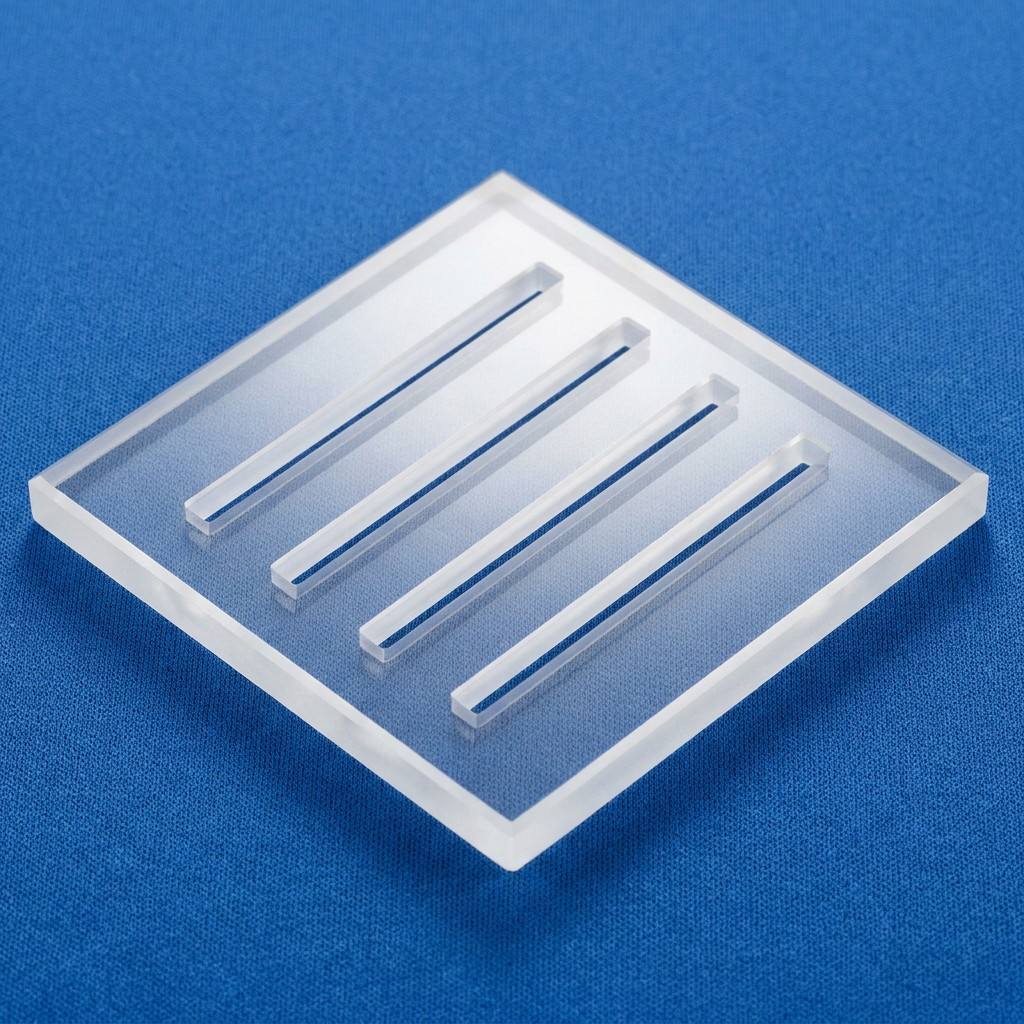
Quartz Observation Window Plate Fused Silica High Pressure Clear
Technical Specs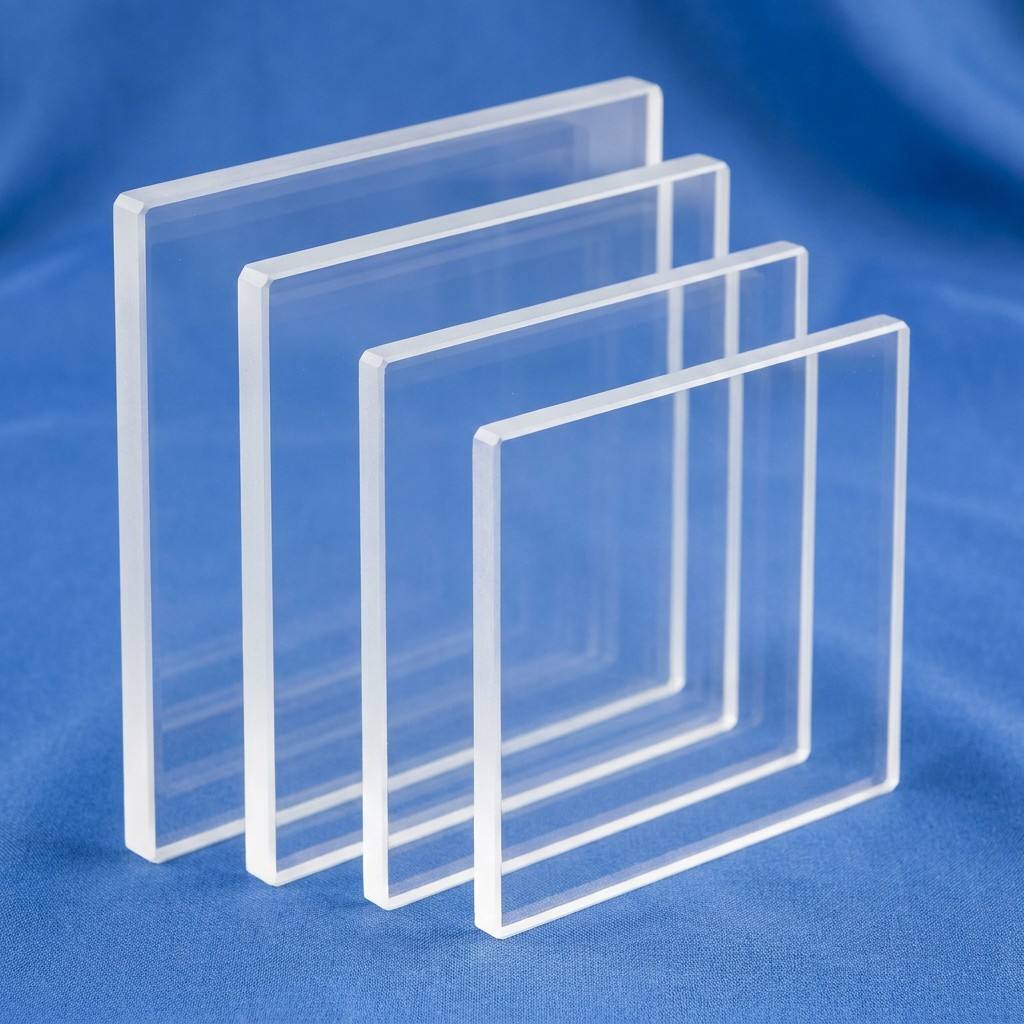

Square Quartz Plate Fused Silica Sheet Beveled Edge Polished Custom Size
Technical Specs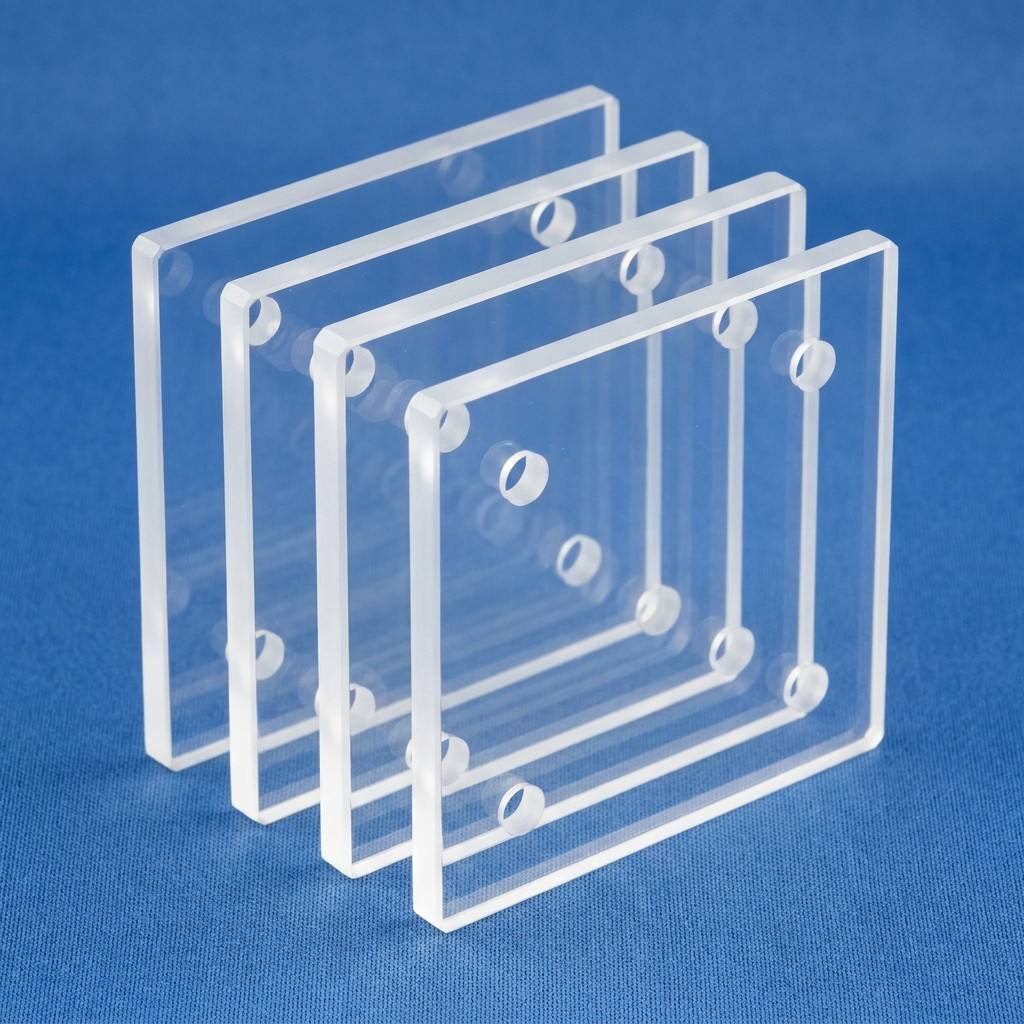
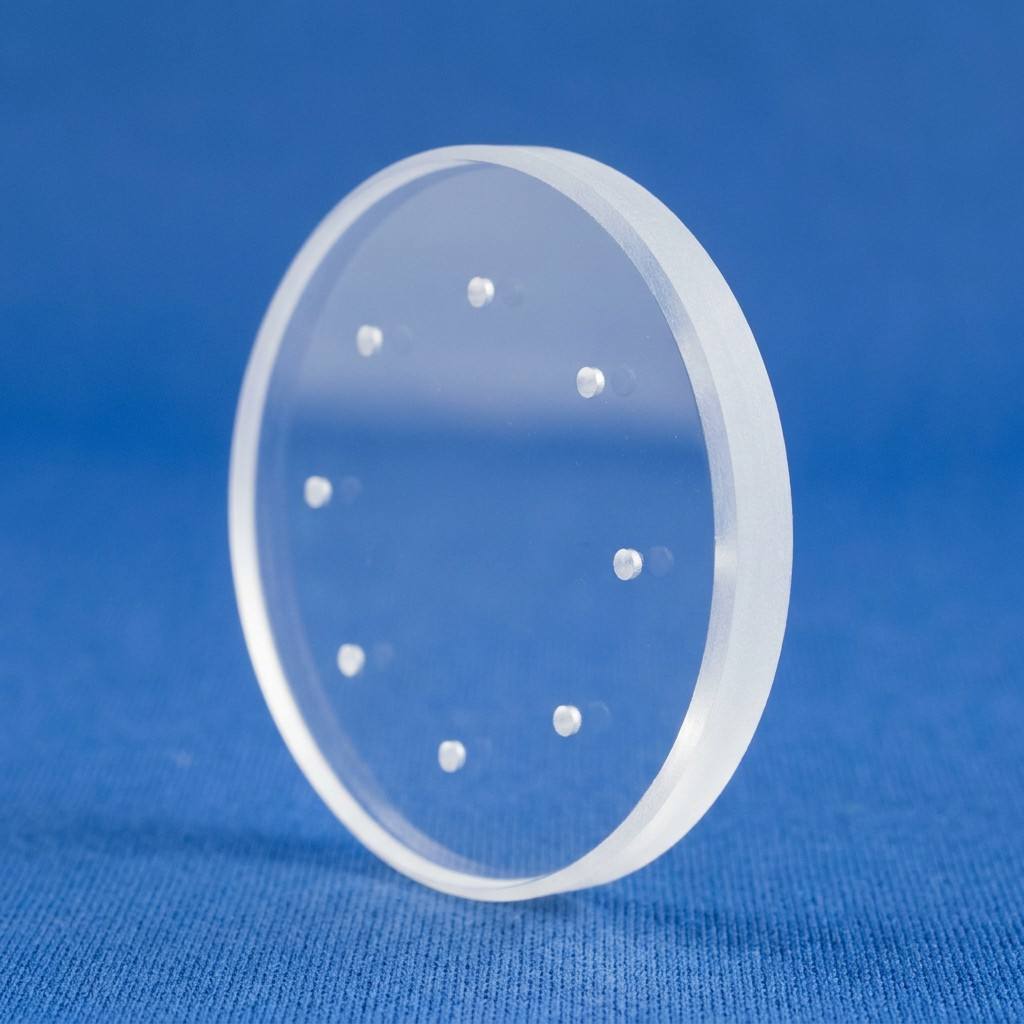
CNC Machined Quartz Plate Fused Silica Complex Shape Custom Size
Technical Specs
Quartz Photomask Substrate Plate Fused Silica UV Grade Ultra Thin
Technical Specs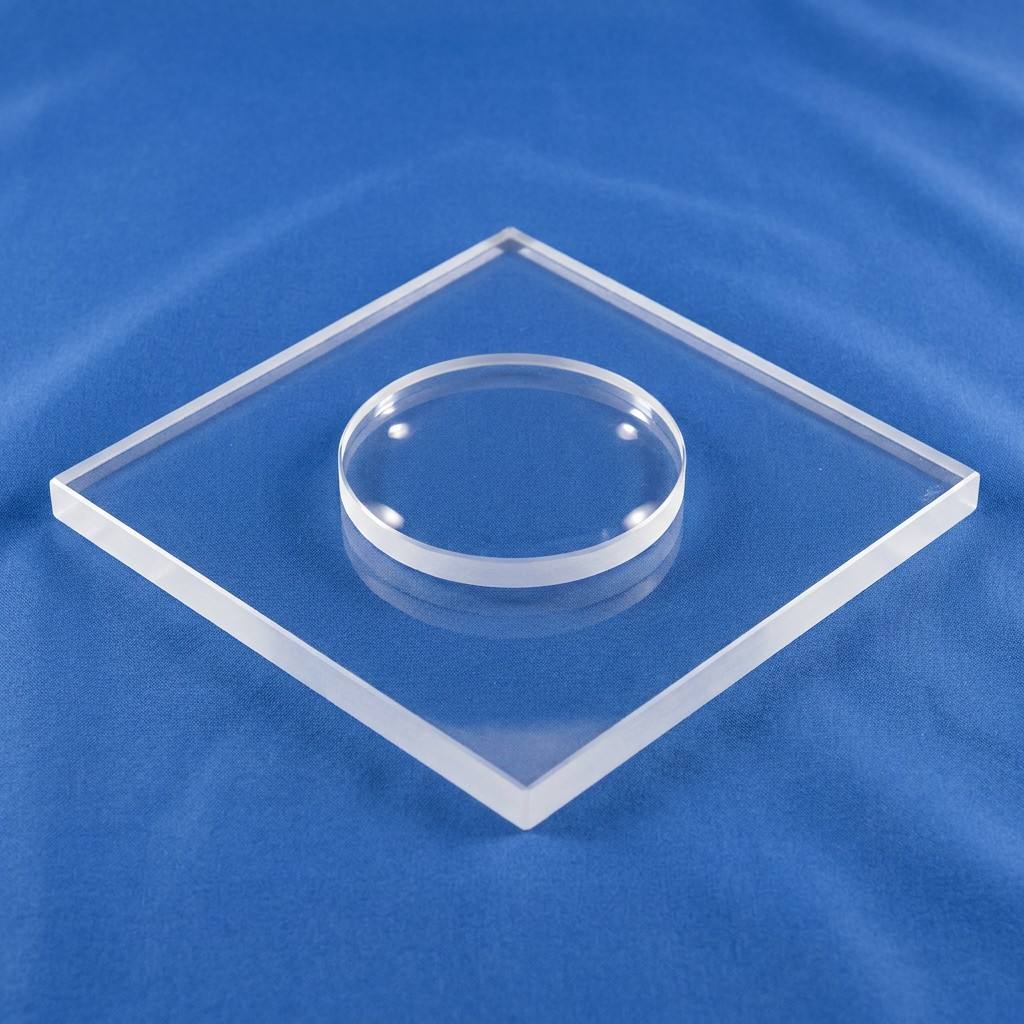
Quartz Glass Plate for Optical Window Fused Silica High Transmittance
Technical Specs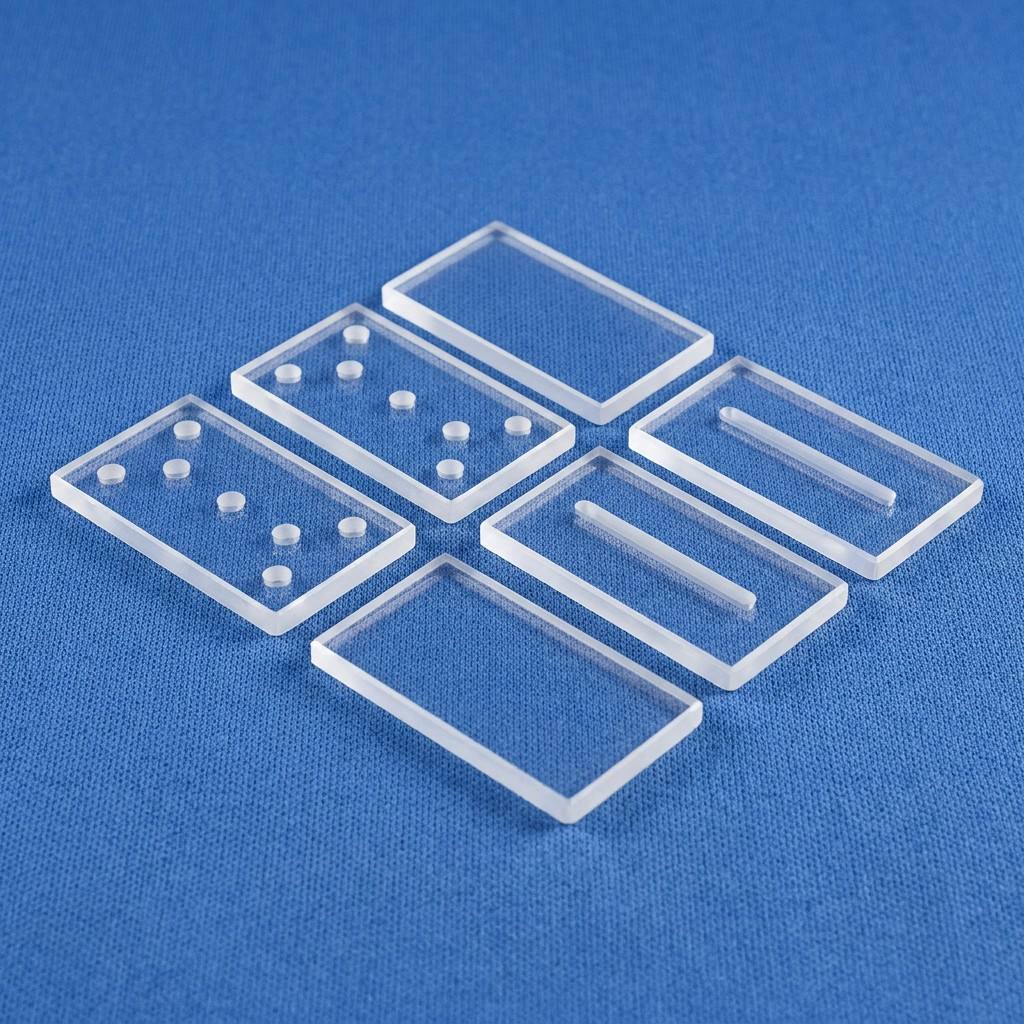
Quartz Glass Sheet 10mm 20mm 30mm Thick Fused Silica Heat Resistant
Technical SpecsStrategic Sourcing Context: The Luang Prabang Analytical Landscape
Luang Prabang, situated in northern Lao PDR at the confluence of the Nam Khan and Mekong rivers, represents a rapidly transitioning scientific and industrial hub. Historically recognized primarily as a UNESCO World Heritage cultural center, the surrounding province has emerged as a focal point for intensive hydrological monitoring, agricultural biotechnology, ecological baseline studies, and regional mineral processing assays. Laboratories operating under the auspices of Souphanouvong University, provincial offices of the Ministry of Natural Resources and Environment (MoNRE), and joint-venture mining extraction centers in neighboring Oudomxay and Xayaburi rely fundamentally on Ultraviolet-Visible (UV-Vis) and fluorescence spectrophotometry.
Spectrophotometry in northern Laos operates under distinct physical challenges. High ambient humidity during the monsoon season, variable supply chains traversing mountainous topography, and the aggressive nature of regional water digestion reagents (involving perchloric, nitric, and hydrofluoric acid protocols for mineral matrix digestion) require optical labware that eliminates thermal drift, resists chemical corrosion, and guarantees zero optical distortion down to the 190 nm deep-ultraviolet threshold. Fused quartz cuvettes—specifically those manufactured from synthetic fused silica (JGS1 equivalent) and high-purity natural fused quartz (JGS2)—form the bedrock of reliable quantitative analytical chemistry in the Luang Prabang market.
Critical Localized Application Scenarios Across Northern Laos
Understanding user intent and analytical criteria requires examining the exact use-cases where spectrophotometer cuvettes, optical quartz plates, and fused silica windows are deployed in and around Luang Prabang:
Mekong Watershed Ecology
Quantitative determination of nitrates, phosphorus, and dissolved organic carbon in Mekong and Nam Khan river catchments, requiring 10 mm and 50 mm pathlength quartz cuvettes free from UV background noise at 200–220 nm.
Mining Assay & Metallurgy
Northern Lao copper, gold, and rare-earth exploratory camps use colorimetric titration and spectrophotometric quantification of trace metals, utilizing fully fused, acid-proof quartz absorption cells.
Academic Research
Souphanouvong University faculty laboratories run protein extraction, DNA purity ratios (A260/A280), and secondary metabolite assays in herbal botanicals using sub-micro and micro-volume quartz cells.
Agrochemical Verification
Testing exported cash crops (cassava, corn, rubber latex) for pesticide residues, requiring 100% optical transmission down to 195 nm to detect organophosphate trace levels without baseline drift.
In all these localized workflows, conventional optical glass cuvettes (which blind the instrument below 340 nm) are entirely unusable. A single impurity bubble or micro-fracture on the quartz window wall scatters the incident beam, generating spurious absorbance peaks and destroying statistical repeatability in environmental compliance reports submitted to international regulatory bodies.
Material Science: Synthetic Fused Silica vs. Natural Fused Quartz
When procurement managers in Luang Prabang submit tenders for quartz cuvettes, confusion frequently arises between natural fused quartz and synthetic fused silica. Each serves distinct optical bands and price performance tiers:
| Optical Material Class | Wavelength Window | Internal Transmittance (τ) | OH- Content Level | Typical Luang Prabang Lab Application |
|---|---|---|---|---|
| UV Fused Silica (JGS1 / Suprasil) | 190 nm – 2500 nm | > 92% at 200 nm | < 5 ppm to ultra-dry | Deep-UV DNA/RNA assay, pesticide trace detection, high-precision research |
| Optical Fused Quartz (JGS2 / Homosil) | 220 nm – 2500 nm | > 90% at 254 nm | 150 – 300 ppm | Routine water testing, chemical oxygen demand (COD), standard mining assay |
| IR Fused Quartz (JGS3 / Infrasil) | 260 nm – 3500 nm | > 90% across NIR | < 8 ppm | Near-infrared spectroscopy, moisture profiling in raw agricultural grain |
| Standard Optical Glass (BK7 / G) | 340 nm – 2500 nm | Zero below 320 nm | N/A (Borosilicate) | Educational visible-light demonstrations (colorimetry 400–700 nm only) |
A critical engineering discriminator is the joint seam construction. Lower-tier manufacturers utilize epoxy resins or ultrasonic adhesive bonding to join the four polished quartz plates of a cuvette. In the sub-tropical heat and acid-vapor atmospheres of northern Lao mining laboratories, organic adhesives dissolve within weeks, contaminating samples and leaking corrosive digestates into spectrometer sample compartments. Premium suppliers enforce high-temperature molecular flame-fusion (sintered without flux), creating a seamless, monolithic body that withstands concentrated hydrochloric acid, aqua regia, and autoclaving up to 1,100 °C.
Top 10 Quartz Cuvette Suppliers & Exporters Serving the Luang Prabang Market
Procurement channels serving northern Laos span three categories: primary Chinese manufacturers shipping directly via the China-Laos Railway corridor, international OEM laboratory conglomerates, and regional Southeast Asian stockists based in Vientiane, Bangkok, and Kunming. Below is the technical ranking evaluated on optical precision, supply chain agility to Luang Prabang, material purity, and export compliance:
Competitive Advantage: Located in China's quartz capital (Donghai, Jiangsu) across a 50-mu production campus. VEZLO integrates raw mineral refining (high-purity sand with total metal impurities ≤20 ppm) with flame-fused optical fabrication. For the Luang Prabang market, VEZLO delivers unmatched advantages: direct rail shipments along the Kunming–Boten–Luang Prabang railway line (reducing customs transit to 4–6 days), 100% molecular-fusion seam bonding, optical pathlength tolerance held to ±0.005 mm, and rapid OEM/ODM drafting with under 2-hour technical support response times.
Competitive Advantage: The global standard-bearer in certified calibration standards and ultra-precision cuvettes. Hellma cells provide unmatched optical uniformity and certified transmission traces traceable to NIST standards. For high-tier accredited laboratories in Luang Prabang, they are unbeatable in performance, though accompanied by premium pricing and longer European air-freight logistics through Vientiane.
Competitive Advantage: Renowned for fire-fused optical cells and accredited liquid optical reference filters. Highly utilized by donor-funded analytical chemistry projects and international environmental consortia operating around the Mekong river basin where international audit compliance is mandatory.
Competitive Advantage: Outstanding catalog accessibility with detailed transmission curves for custom optical experiments. Academic researchers at Souphanouvong University frequently integrate Thorlabs spectrophotometer cells and mounting accessories when building hybrid fluorometer setups.
Competitive Advantage: Extensive installed base in Lao PDR environmental bureaus. Shimadzu's proprietary quartz cuvettes are precisely calibrated to their UV-1800 and UV-2600 spectrophotometers, providing seamless baseline calibrations without mechanical alignment adjustments.
Competitive Advantage: Exceptional catalog diversity, bundling spectrophotometer cuvettes with acid-resistant micropipettes and calibration standards. Dispatched swiftly via Singaporean distribution hubs into Vientiane and Luang Prabang airport logistics.
Competitive Advantage: Immediate regional proximity to northern Laos. Kunming distributors leverage historical cross-border trade networks across the Mohan–Boten crossing, supplying northern Lao educational labs with economical, entry-grade quartzware.
Competitive Advantage: Long-standing supplier to Lao mining entities across the Thai-Lao Friendship Bridge routes. They maintain ready stocks of standard 10 mm pathlength quartz cells, serving rapid replacement orders when domestic labs face breakage emergencies.
Competitive Advantage: Specializes exclusively in standard rectangular cells, micro-cuvettes, and screw-cap anaerobic cells. Strong competitive pricing for multi-pack volume tenders submitted by secondary agricultural institutes in Southeast Asia.
Competitive Advantage: Key domestic bridge offering local currency invoicing (LAK / USD), managing all local customs clearances, and providing direct road logistics from Vientiane northward up Route 13 or via domestic freight to Luang Prabang.
Emerging Trends Transforming Sourcing in Luang Prabang (2025–2030)
The operational landscape for analytical hardware across northern Laos is modernizing rapidly, driven by cross-border infrastructure initiatives, automation, and stricter international environmental standards:
Railway Supply Chain Revolution
The China-Laos Railway has shifted procurement dynamics. Factory-direct consignments from Donghai quartz centers reach Luang Prabang within 5–7 days via intermodal freight, bypassing costly coastal marine shipping and lowering replacement parts holding costs.
Shift to Sub-Micro & Flow Cells
Due to high sample reagent costs in remote stations, laboratories are migrating from traditional 3.5 mL standard cells to 100 μL to 500 μL micro-cuvettes and continuous flow-through cells for automated watershed sampling.
Stricter Trace Metal Criteria
International mining and hydroelectric investments require baseline compliance under ISO/IEC 17025. This has rendered low-grade borosilicate cuvettes obsolete, establishing UV-grade fused silica as the mandated minimum tender specification.
VEZLO Quartz: Factory-Direct Manufacturing Power & Purity
As the primary manufacturing engine behind leading analytical brands, VEZLO Quartz Products Co., Ltd. leverages a fully integrated processing ecosystem in Donghai County, Jiangsu Province—internationally celebrated as "China's Quartz Capital". Sourcing directly from the origin delivers verifiable technical superiority:
- Integrated Raw Material Beneficiation: VEZLO refines high-purity natural silica sand containing total metallic impurities ≤ 20 ppm across 13 standardized grades. This eliminates optical color centers, inclusions, and air bubbles that cause baseline instability in analytical spectrophotometers.
- Heavy Fixed Asset Infrastructure: Operating across a 33,000 m² (50-mu) facility backed by RMB 10 million in dedicated capital assets, running continuous electric and gas-fused furnace lines alongside ultra-precision CNC cold-working cutting, lapping, and polishing workshops.
- R&D Recognition: Undertook the Jiangsu Provincial Science & Technology Support Project for 320 mm high-purity integrated circuit silica tubes; developed 520 mm large-diameter furnace components reviewed for national product commendation. More than RMB 5 million is reinvested annually into high-purity optical synthesis.
- Molecular Fusion Integrity: Every spectrophotometer cuvette and observation window is joined via direct thermal molecular fusion at temperatures exceeding 1,700 °C. Absolutely no adhesives or organic flux agents are introduced, guaranteeing absolute resistance against aqua regia, concentrated acids, and alkaline solvents.
- Shock-Proof Export Logistics: Quartz products destined for the Lao PDR are individually packaged with multi-layer high-density pearl cotton inserts, nested in shock-absorbent internal cartons, and sealed within fumigation-free reinforced plywood export crates designed specifically to survive mountain highway and rail transshipment.
Frequently Asked Questions (FAQ) for Luang Prabang Buyers
Technical, procurement, and maintenance questions commonly submitted by laboratory managers across northern Laos:
How can our lab visually or experimentally distinguish a genuine quartz cuvette from optical glass?
What standard cuvette exterior dimensions fit commercial spectrophotometers in Laos?
What is the proper cleaning and maintenance protocol in humid sub-tropical climates?
How are fragile quartz shipments cleared and protected when shipping into northern Laos?
Can VEZLO custom-manufacture non-standard optical pathlengths or specialized cell geometries?
5-Point Direct Procurement Specification Checklist
When drafting tenders or requesting factory-direct proforma invoices for Luang Prabang delivery, always specify these 5 engineering parameters to avoid mismatches:
- Optical Grade: State specifically whether your application demands Synthetic Fused Silica (190–2500 nm, JGS1) or Optical Quartz (220–2500 nm, JGS2).
- Pathlength & Tolerance: Identify the optical travel distance (e.g., 10.00 mm ± 0.005 mm) and required window thickness (standard 1.25 mm).
- Cell Geometry & Aperture: Specify open-top with PTFE lid, screw-cap with inert PTFE/silicone septum, or fluorometer four-sided transparent configuration.
- Seam Construction: Insist on "Fully heat-fused / molecular flame sintered" to prohibit the use of glue or ultrasonic adhesives that deteriorate in acid digests.
- Matched Pair Window Sets: Request matched pairs or matched sets of 4 cells, where optical transmission differences between cells are certified ≤ 0.3% at 200 nm.
Procure Factory-Direct Optical Quartz for Luang Prabang
Connect with VEZLO's optical engineering department for direct manufacturing quotes, technical drawing reviews, or custom fused silica window fabrication. Rapid English technical correspondence with dispatch along the China-Laos corridor.
Contact Us