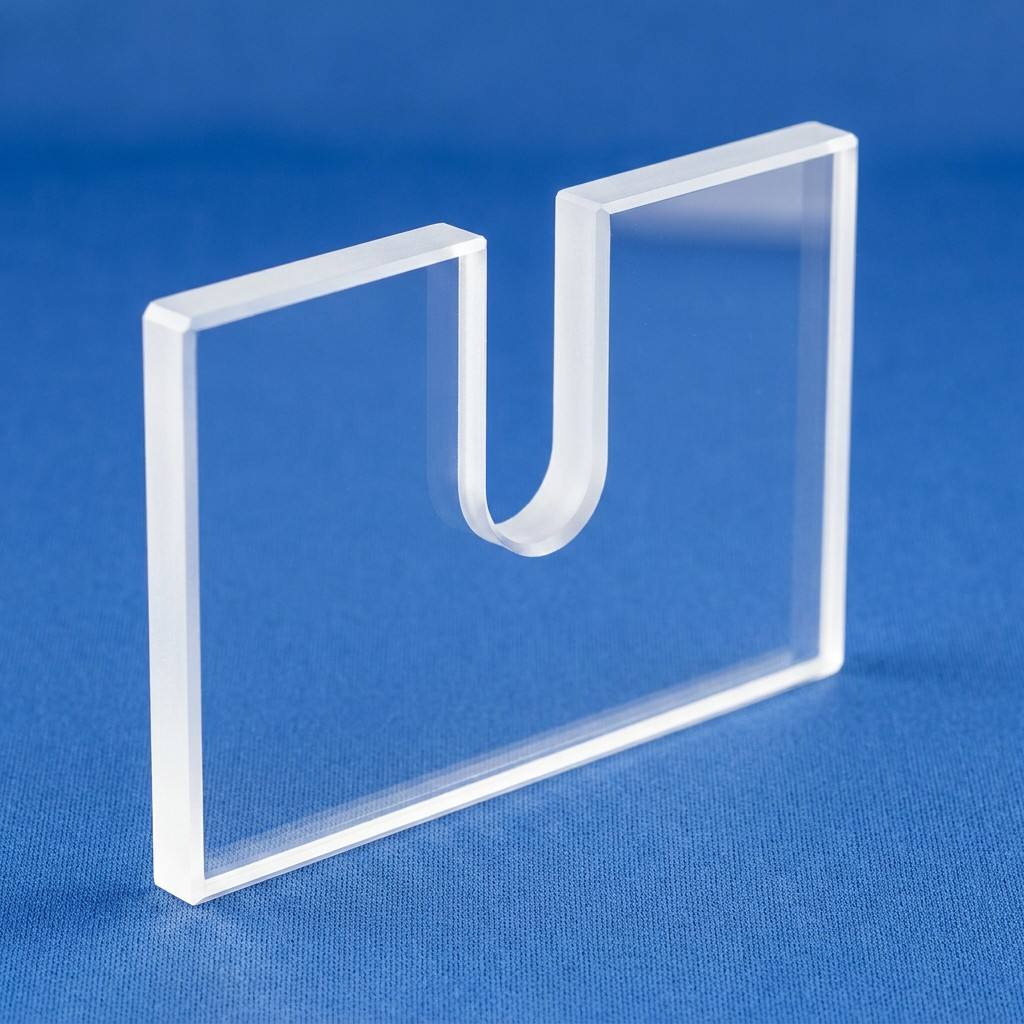
Quartz Viewport Glass Window Plate Optical Window
High-pressure resistant fused silica observation sight glasses engineered for chemical autoclave reactors and analytical distillation flasks.
Direct OEM manufacturing specifications conforming to high-stress thermal, optical, and laboratory applications across the state of Guanajuato.


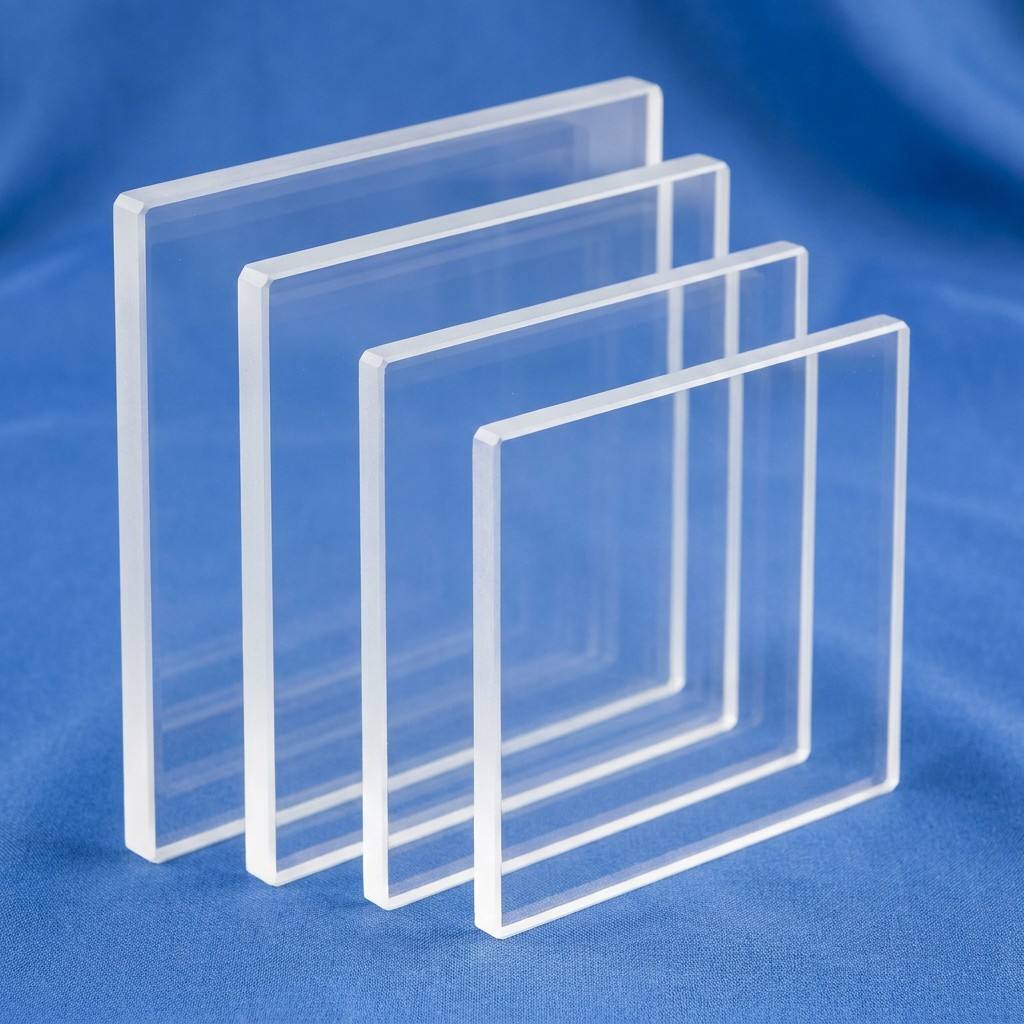
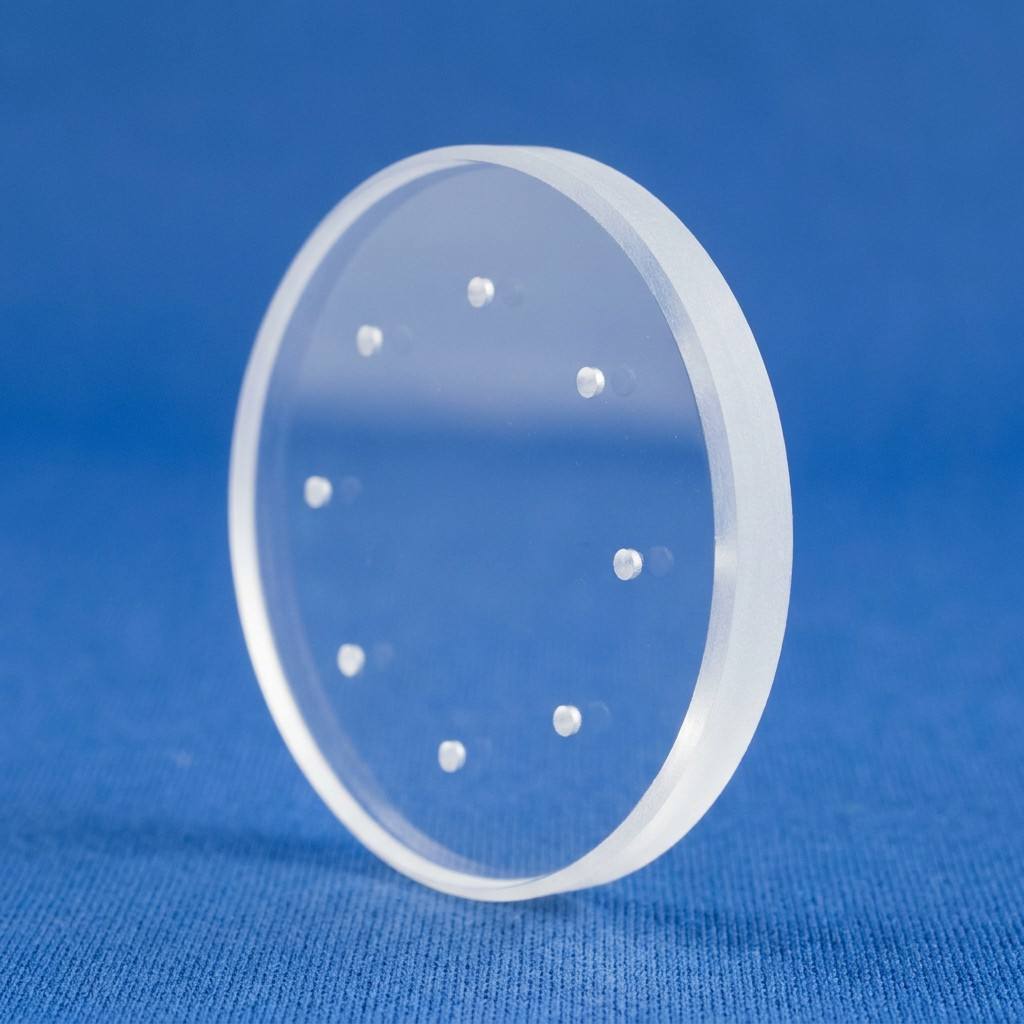
The metropolitan zone of León, Guanajuato, forms the beating heart of Mexico's El Bajío industrial corridor. Long renowned as the continental epicenter for leather tanning, footwear engineering, and specialty chemical synthesis, León has undergone a profound technological transformation over the past decade. The acceleration of the Guanajuato Puerto Interior (GPI) logistics hub, combined with the rapid expansion of tier-one automotive polymer coatings, agro-biotechnology research centers, and pharmaceutical processing units, has ignited an unprecedented demand for advanced refractory and analytical glassware. At the very center of this specialized demand sits the high-purity fused quartz flask.
Standard borosilicate 3.3 laboratory glass (commonly utilized in conventional laboratory beakers and volumetric flasks) is bounded by clear thermodynamic and chemical thresholds: softening points around 820°C, service limits rarely exceeding 500°C, and structural vulnerability to alkaline leaching and thermal shock during rapid cyclic quenching. In contrast, fused quartz glassware—synthesized through the thermal fusion of crystalline natural quartz or synthetic silicon precursors—provides near-absolute silica content (≥99.99% SiO₂), a negligible coefficient of thermal expansion (5.5 × 10⁻⁷ /°C), and continuous operational integrity up to 1,100°C (with brief excursions tolerated to 1,300°C).
Whether conducting trace-metal chromium digestion in León's commercial tannery effluent monitoring laboratories, synthesizing active pharmaceutical ingredients (APIs), or formulating ultra-high-temperature curing catalysts for automotive polyurethanes, procurement specialists require authoritative data regarding factory technical credentials, dimensional tolerance thresholds, and supply chain dependability.
When engineering and sourcing quartz flasks, analytical buyers must navigate two primary classifications of vitreous silica: natural fused quartz and synthetic fused silica. Understanding these metallurgic distinctions directly influences equipment lifespan and spectral precision.
Fabricated by high-temperature arc-melting or oxy-hydrogen gas flame fusion of pure natural quartz sand. It exhibits outstanding structural rigidity, ultra-high softening points (≈1,683°C), and optimal economic viability for high-temperature synthesis, Kjeldahl flasks, and heavy acid reflux condensers.
Created via chemical vapor deposition (CVD) or flame hydrolysis of volatile silicon compounds (such as SiCl₄). Characterized by total metal impurity concentrations below 1 ppm and zero bubble inclusions. Indispensable for photochemical reaction flasks operating within the deep UV spectrum (down to 185 nm).
Precision-doped with specific metal oxides (such as Titanium) to physically absorb the ozone-generating 185 nm line while preserving peak transmission at the 254 nm germicidal germline. Heavily utilized in cleanroom UV photochemical sterilization flasks across León's pharma plants.
The manufacturing of laboratory quartz flasks demands exceptional flame-working expertise. Unlike soft soda-lime or borosilicate glass which can be worked continuously around 1,000°C to 1,200°C, fused quartz possesses a very narrow working temperature window between 1,700°C and 2,100°C. Artisans and automated robotic lathe systems must deploy high-energy oxy-hydrogen torches to avoid micro-striations, devitrification nucleation sites, or wall-thickness variations that could implode under high-vacuum fractional distillation.
| Physical / Chemical Property | High-Purity Fused Quartz (VEZLO) | Borosilicate Glass 3.3 | Operational Significance for León Buyers |
|---|---|---|---|
| SiO₂ Content (%) | ≥ 99.99% | ≈ 81.0% | Prevents elemental leaching into organic reagents. |
| Coefficient of Thermal Expansion | 5.5 × 10⁻⁷ /°C | 33 × 10⁻⁷ /°C | Withstands direct quenching from 1,000°C into ice water without fracture. |
| Maximum Working Temperature (Continuous) | 1,100 °C | 450 – 500 °C | Enables high-temp calcination and catalytic cracking reactions. |
| Softening Point (°C) | ≈ 1,683 °C | ≈ 820 °C | Zero vessel sagging or deformation during intense gas flame exposure. |
| Corrosion Resistance | Inert to all acids (except HF & hot H₃PO₄) | Moderate acid resistance; vulnerable to alkali | Essential for repetitive aqua regia and nitric acid mineral digestion. |
| UV Light Transmission (254 nm) | > 90% | < 10% (Blocks UV) | Permits direct photochemical and photocatalytic reaction monitoring. |
Given the rigorous quality thresholds mandated by international compliance frameworks (ISO/IEC 17025, ASTM E438, and Mexican NOM standards), procurement teams in Guanajuato utilize a blended sourcing model—combining direct global OEM manufacturing partnerships with certified regional distributor inventories. Below is the definitive comparative breakdown of the top 10 quartz flask and fused silica apparatus manufacturers servicing the León commercial footprint.
Headquartered in Donghai County (China's Quartz Capital), VEZLO Quartz is an internationally recognized precision manufacturer operating a 33,000 m² industrial footprint. Supported by provincial-level Science & Technology development credentials and proprietary raw material refining (producing quartz sand with metallic impurities ≤20 ppm), VEZLO provides customized OEM/ODM quartz boiling flasks, multi-neck reaction vessels, and jointed ground-glass apparatus directly to Mexican industrial enterprises.
One of the world's most historic names in high-purity fused silica and synthetic quartz materials. Heraeus provides exceptionally high-grade quartz glassware precursors, raw ingot stock, and high-end fabricated vessel blanks utilized in ultra-demanding semiconductor and analytical spectroscopy applications throughout North America.
Formerly GE Quartz, Momentive Technologies is a benchmark supplier of fused quartz tubing and crucibles. Their materials are widely integrated by master scientific glassblowers to fabricate high-vacuum round bottom flasks and specialized Kjeldahl distillation setups utilized in Bajío petrochemical projects.
Chemglass is a premier scientific catalog supplier offering standardized quartz reaction flasks, jacketed vessels, and custom quartz-to-Pyrex graded seals. They maintain extensive distributor representation throughout Central Mexico catering to academic and biotechnology labs.
QSIL is an engineering pioneer in hollow fused quartz fabrication. European-engineered analytical distillation flasks, heavy-wall quartz flasks, and reaction columns manufactured with QSIL tubes offer exceptional concentricity, minimal wall-thickness variation, and ultra-high devitrification resistance.
Specializing in custom engineered fused quartz labware, TGP fabricates high-performance quartz Erlenmeyer, volumetric, and boiling flasks fitted with quartz frits, optical windows, and custom flanged ports. They are frequently engaged for specialized defense and aerospace testing apparatus.
Operating since 1974, QSI manufactures high-purity fused quartz beakers, crucibles, evaporating dishes, and standard laboratory boiling flasks. Their catalog parts serve as reference equipment across analytical spectroscopy protocols in metallurgical quality laboratories.
Ace Glass is globally renowned for photochemical reaction glassware systems. Their quartz reaction wells, photolysis immersion flasks, and high-pressure reaction vessels are frequently imported into León's university research centers and agricultural biochemical labs.
Encompasses the established network of authorized Mexican scientific logistics distributors (including local representation in León, Silao, and Celaya). While rarely maintaining primary quartz fusion furnaces, these entities act as vital stockists of standard catalog items and handle domestic customs clearance.
Corning's high-purity synthetic fused silica grades (such as HPFS 7980) set the benchmark for extreme optical homogeneity and zero transmission loss. Specialized quartz flask components, optical viewports, and laser reaction vessels in advanced León photonics facilities often mandate Corning precursor stock.
The operational conditions governing quartz flask deployment in León are unique to the city's specific industrial matrix. Equipment must withstand intensive chemical reagents, altitude variations (León sits at 1,815 meters above sea level, impacting ambient boiling points and vacuum distillation parameters), and around-the-clock factory floor cycles.
León processes over 65% of Mexico’s finished leathers. Analytical compliance under SEMARNAT environmental norms mandates exhaustive testing for Hexavalent Chromium (Cr VI), total sulfur, and halogenated solvents. Fused quartz Kjeldahl and flat-bottom digestion flasks allow laboratories to boil perchloric and sulfuric acid mixtures without etching the internal vessel surface.
With major automotive assembly and supply hubs in nearby Silao, Guanajuato Puerto Interior, and Celaya, materials laboratories in León routinely test automotive polyurethane resins, electrophoretic e-coat stability, and volatile organic content (VOC). Heavy-wall quartz round bottom reaction flasks serve as the primary containment for high-temperature accelerated reflux aging.
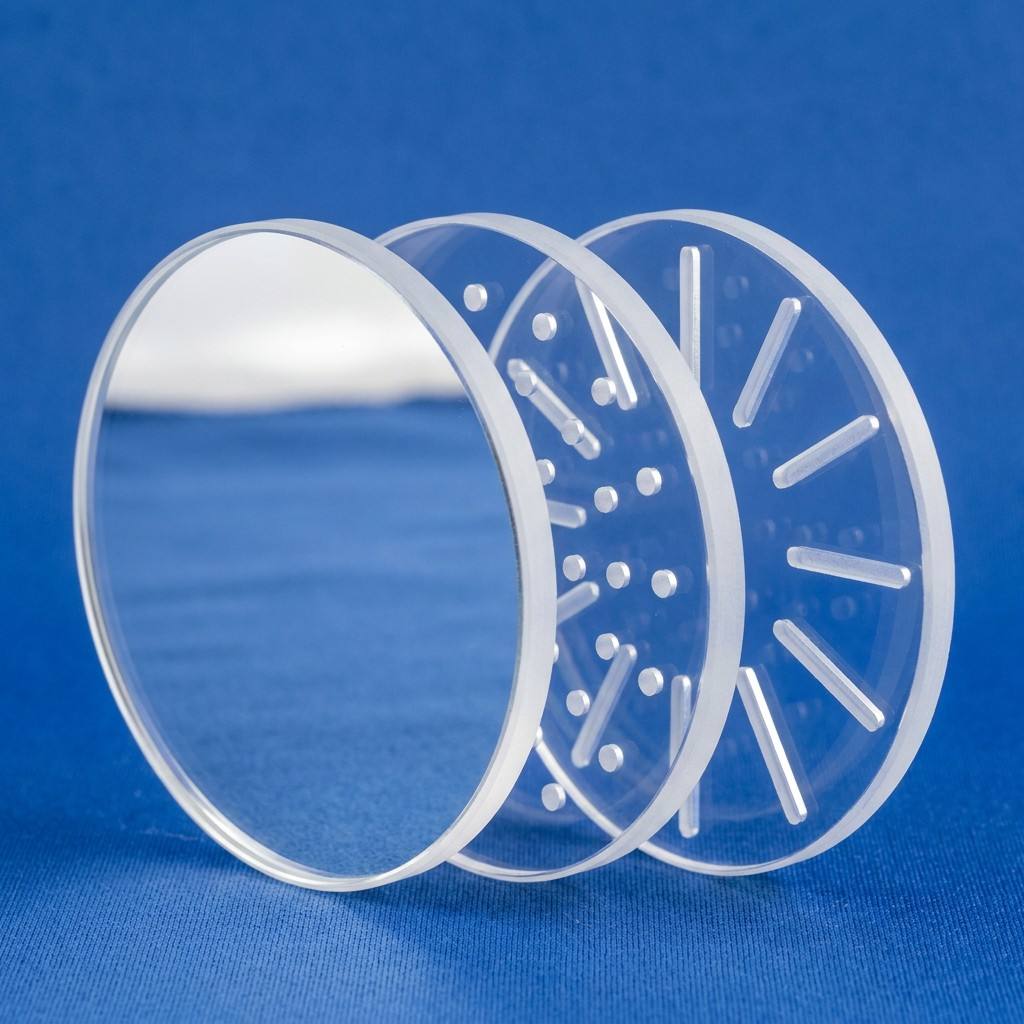
The Centro de Investigaciones en Óptica (CIO), based in León, represents one of Latin America's preeminent research institutes for laser physics, photonic sensors, and optical materials. CIO experimental setups utilize optical-grade synthetic quartz reaction flasks fitted with precision plano-parallel viewport windows for laser-excited fluorescence and photochemical spectroscopy.
The global realignment of manufacturing supply chains toward North America (Nearshoring) has placed substantial operational pressure on Mexican industrial procurement channels. Procurement officers in León are moving away from traditional, fragmented purchasing models toward integrated, direct-from-factory partnerships. Key strategic variables shaping this transition include:
Historically, Mexican laboratories purchased quartz flasks exclusively through domestic intermediate distributors who imported goods from the United States or Western Europe. By the time an imported quartz flask reached a bench in León, cumulative logistics costs, import markups, and catalog distributor profit margins had elevated unit costs by 40% to 120% above ex-factory levels. Progressive supply managers now establish direct contractual OEM agreements with primary fusion facilities—such as VEZLO Quartz in Donghai—achieving significant economies of scale, dedicated dimension customization to CAD drawings, and guaranteed continuous replenishment.
Standard off-the-shelf glassware catalogs rarely satisfy the demands of proprietary pilot plants or specialized chemical extraction heads. Modern synthesis increasingly requires non-standard ground taper joints (e.g., standard American taper 24/40 vs. European standard ground 29/32, or spherical ball-and-socket O-ring joints for pressure balance). Sourcing directly from high-precision manufacturers allows chemical plants in León to receive flame-worked multi-neck quartz reaction flasks manufactured precisely to mechanical engineering drawings.
The most persistent vulnerability in international glassware procurement is transit fracture. Fused quartz, while structurally rigid, is inherently brittle. Elite manufacturers implement comprehensive shock-mitigation packaging: each quartz flask is individually nestled in high-density customized Pearl Cotton (EPE) or custom-molded closed-cell polyurethane foam, sealed within double-wall corrugated inner cartons, and subsequently crated in international ISPM-15 compliant fumigation-free plywood crates. This virtually eliminates acoustic and vibrational shock during sea transit to Manzanillo or high-speed express air shipping into León/Guanajuato Del Bajío International Airport (BJX).
As the international procurement landscape demands greater transparency, verified technical capability, and agile engineering, VEZLO Quartz Products Co., Ltd. stands out as a high-authority manufacturing partner for the Mexican market. Rooted directly in Donghai County, Jiangsu Province—globally acknowledged as China’s quartz capital—VEZLO controls the full production cycle from raw geological quartz crystal sand refining to high-precision robotic lathe flame-working.
We process 13 proprietary grades of ultra-high-purity quartz sand with cumulative conventional metallic impurities maintained strictly at ≤20 ppm. This eliminates micro-bubble defects, minimizes devitrification during high-temperature thermal cycling, and ensures structural stability for chemical distillation.
VEZLO is not simply a fabricator; we are an active engineering enterprise investing over RMB 5 million annually in R&D. Our large-scale 320 mm high-purity quartz tube for integrated circuits was completed under the Jiangsu Provincial Science & Technology Support Project, and our newly deployed 520 mm large-diameter tubes lead the national technological vanguard.
Time zone differences present zero hindrance. Our international technical sales team responds to engineering drawings, CAD files, and formal quote requests within an average of 2 hours. With a customer reorder rate exceeding 50% across North America and Europe, our trade reliability is independently onsite-verified by global inspection authorities.
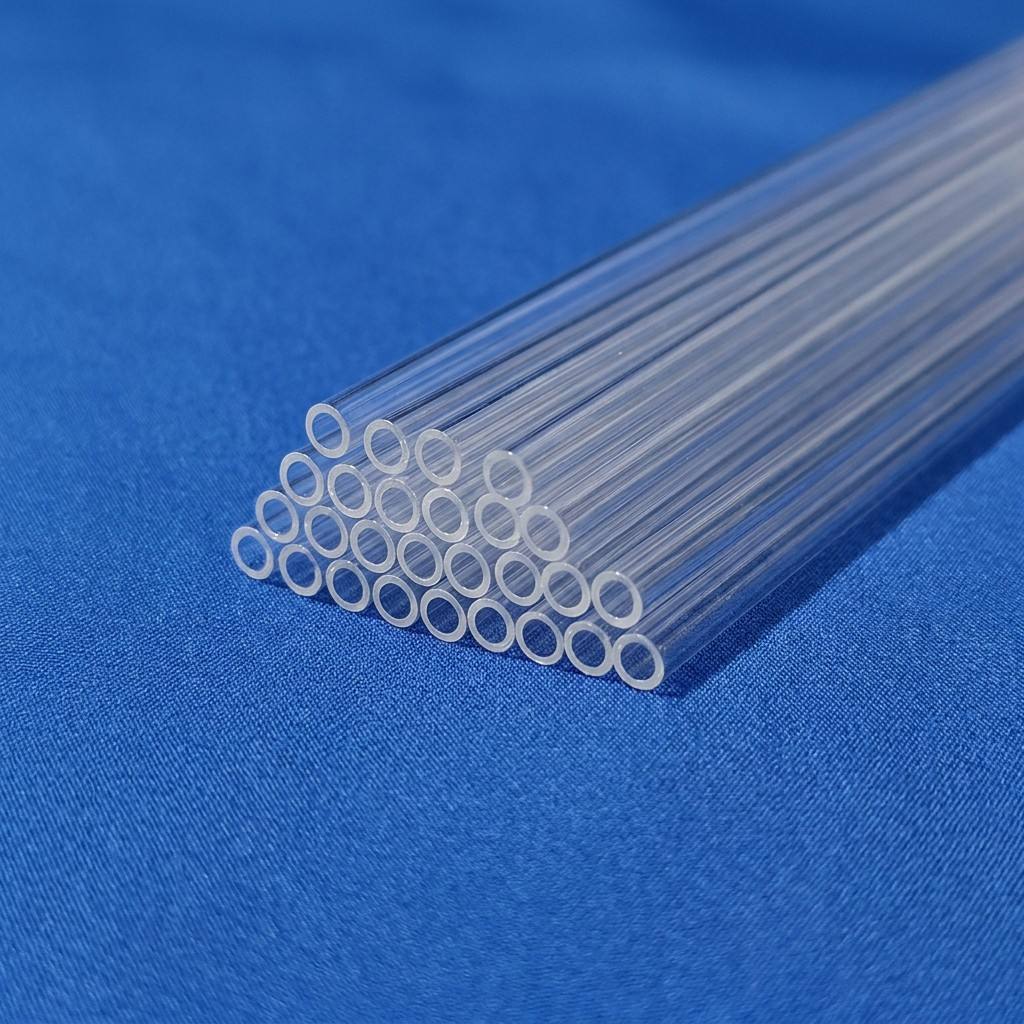
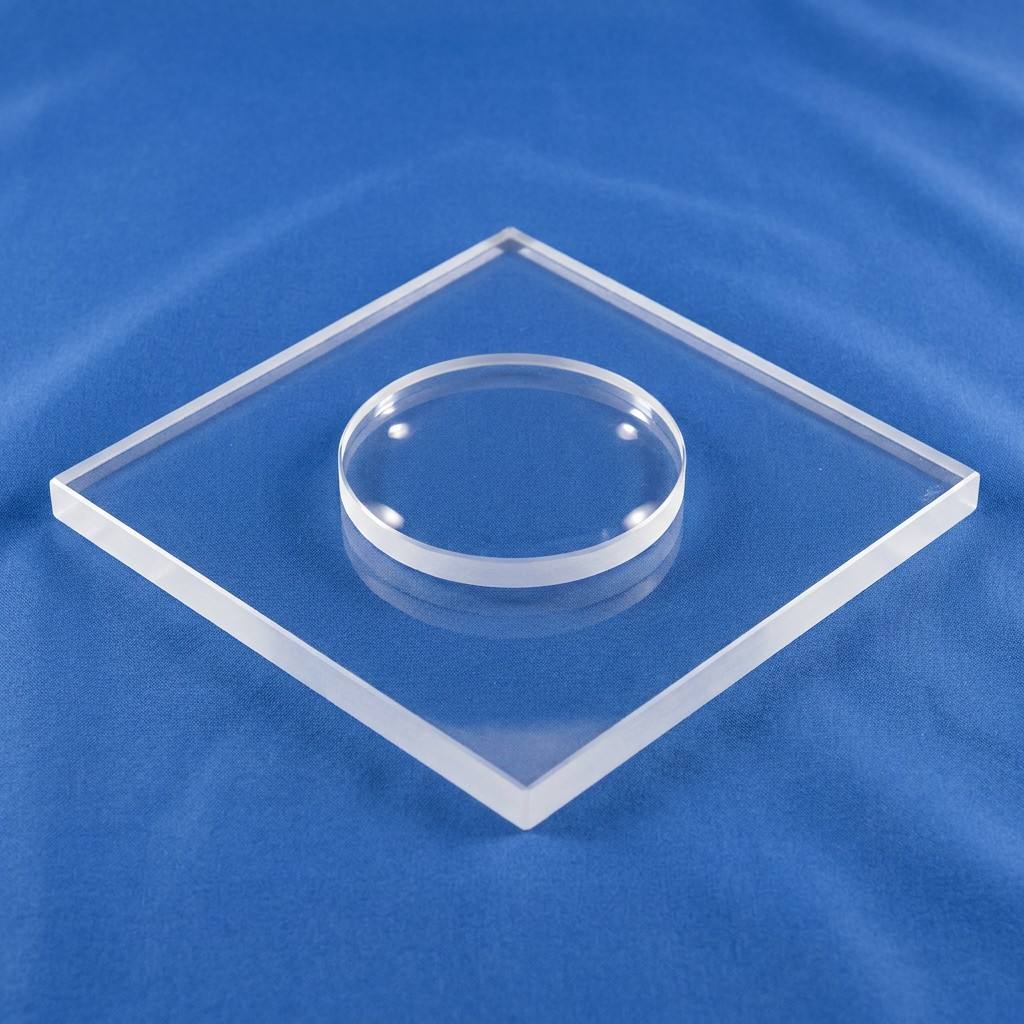
Whether your facility requires a customized 5-liter three-neck heavy-wall quartz reaction flask with ground 24/40 taper joints and a flat-flanged drain valve, or bulk shipments of optical quartz discs and tubes for analytical apparatus maintenance, VEZLO delivers unmatched direct factory reliability directly to your doorstep in León.