
Precision Portfolio
Featured Semiconductor Quartz Components
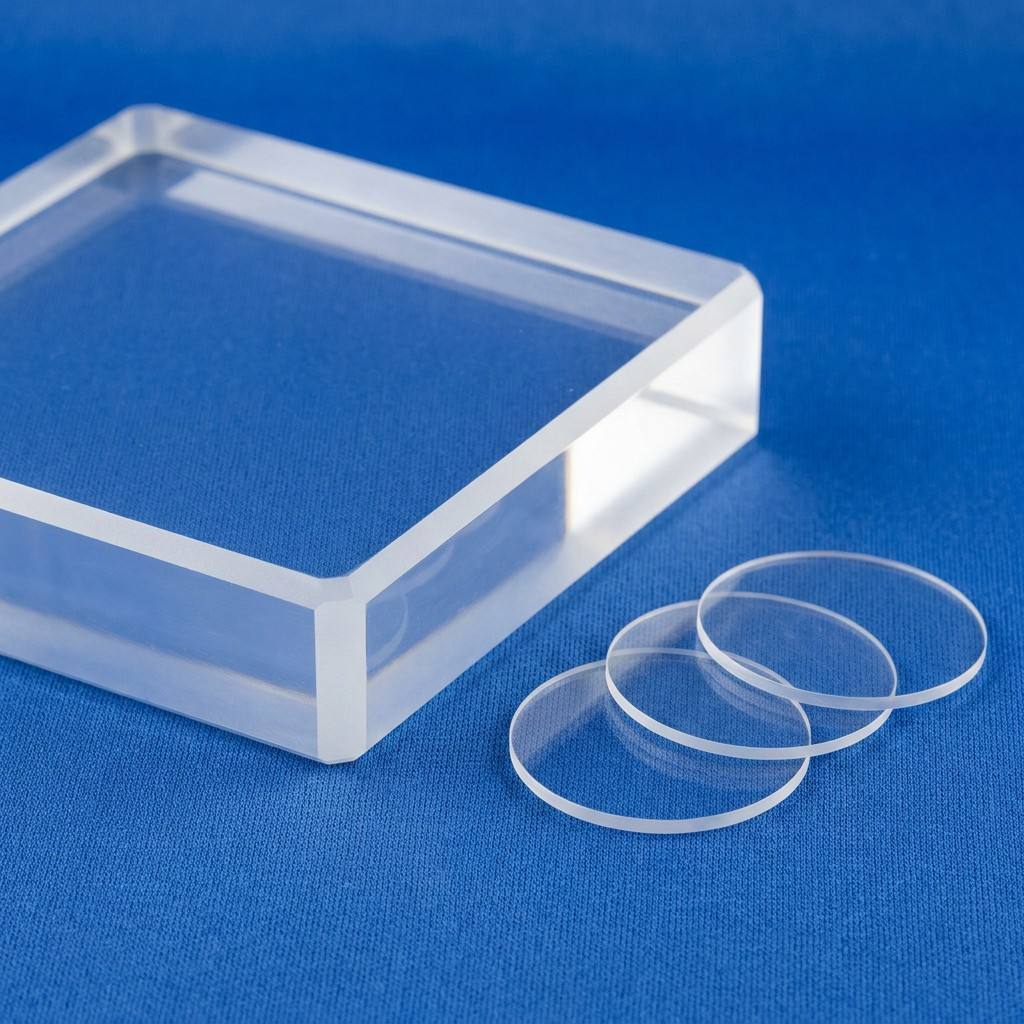
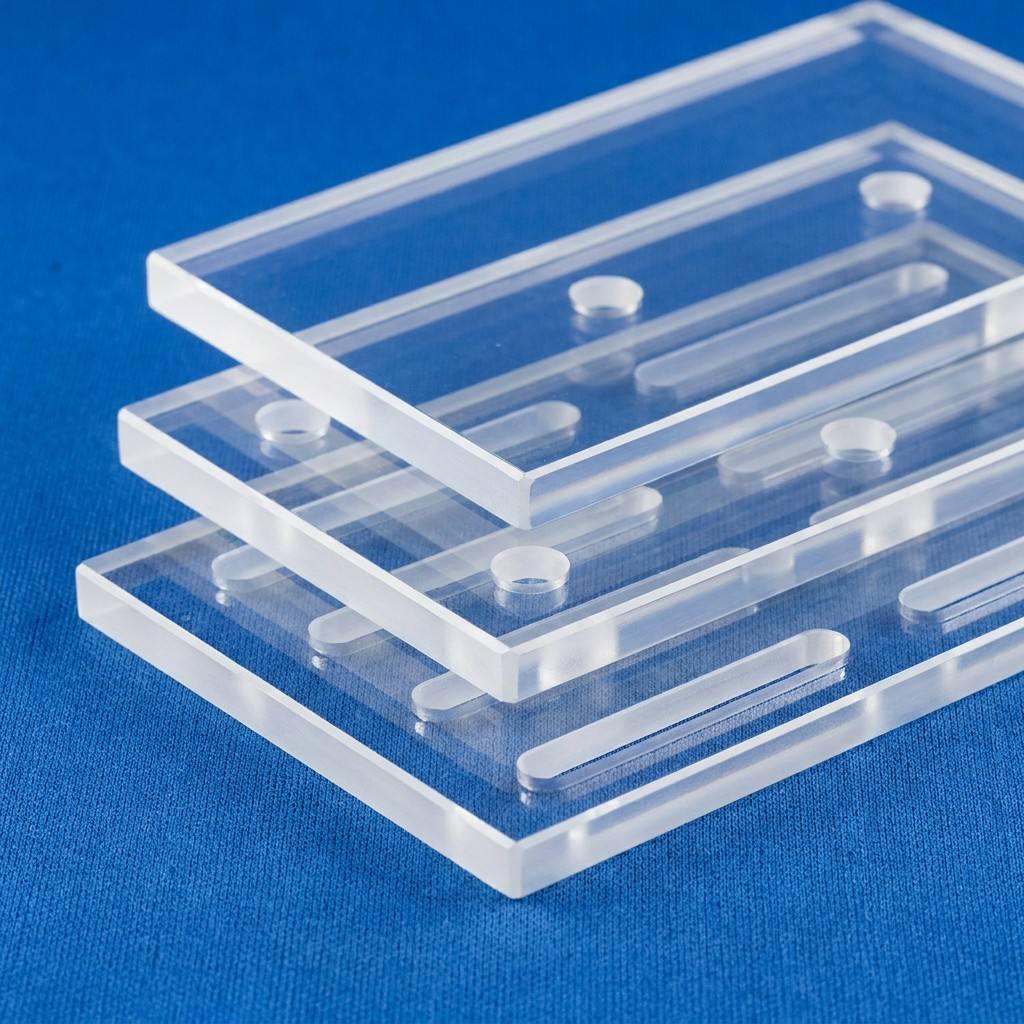
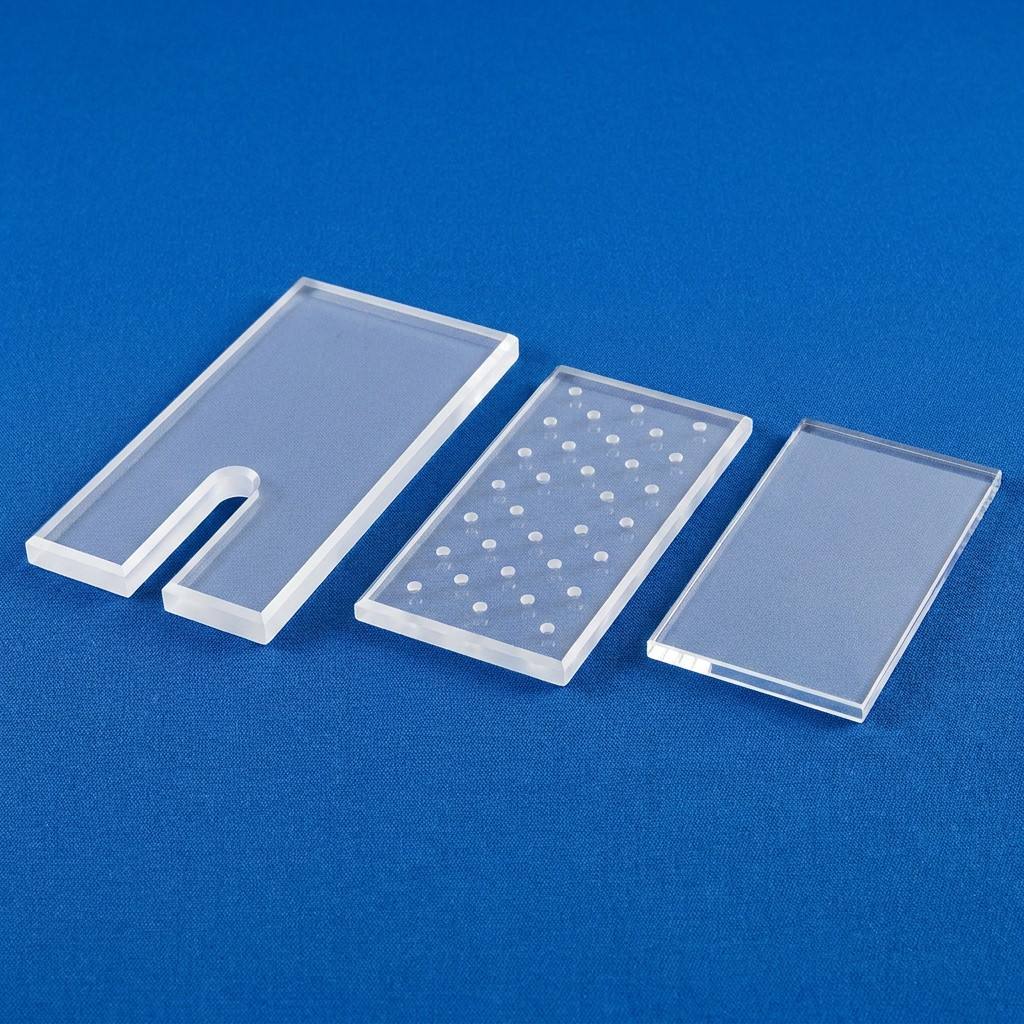
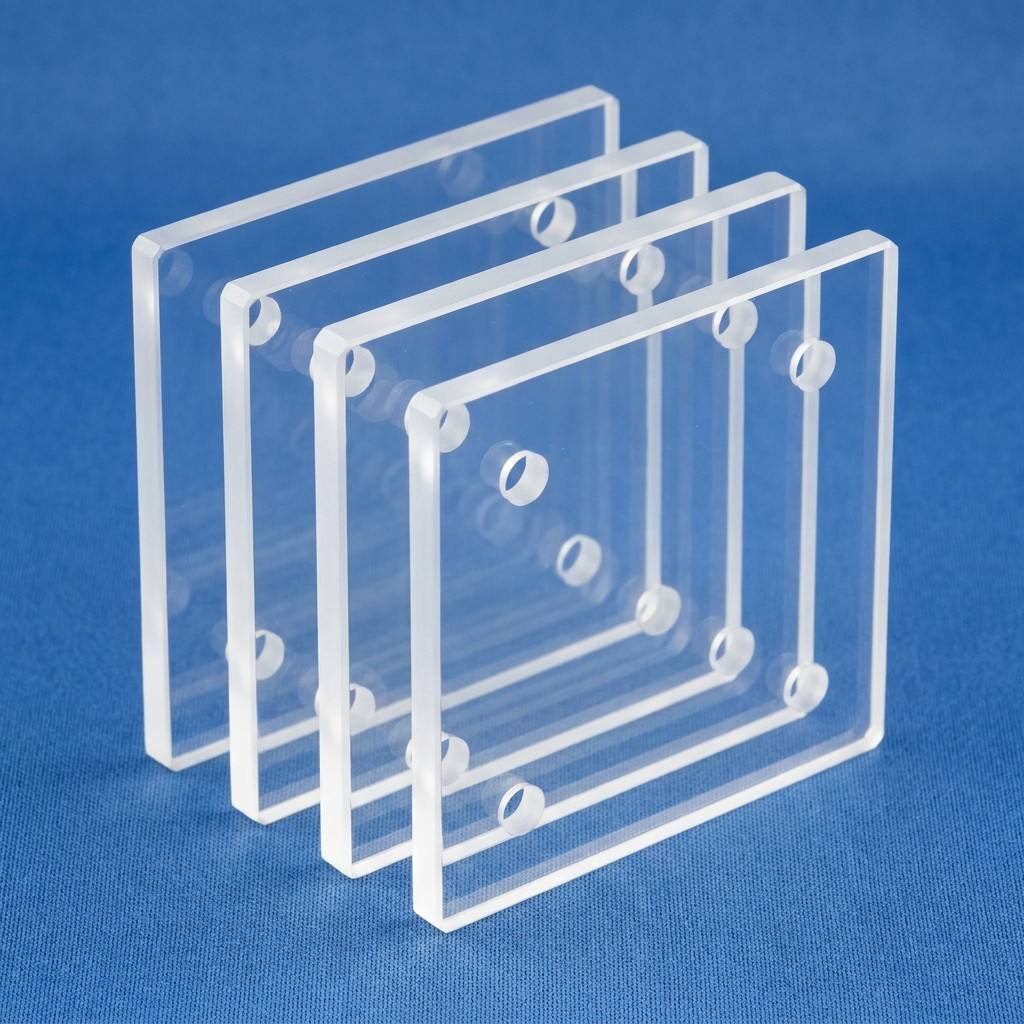
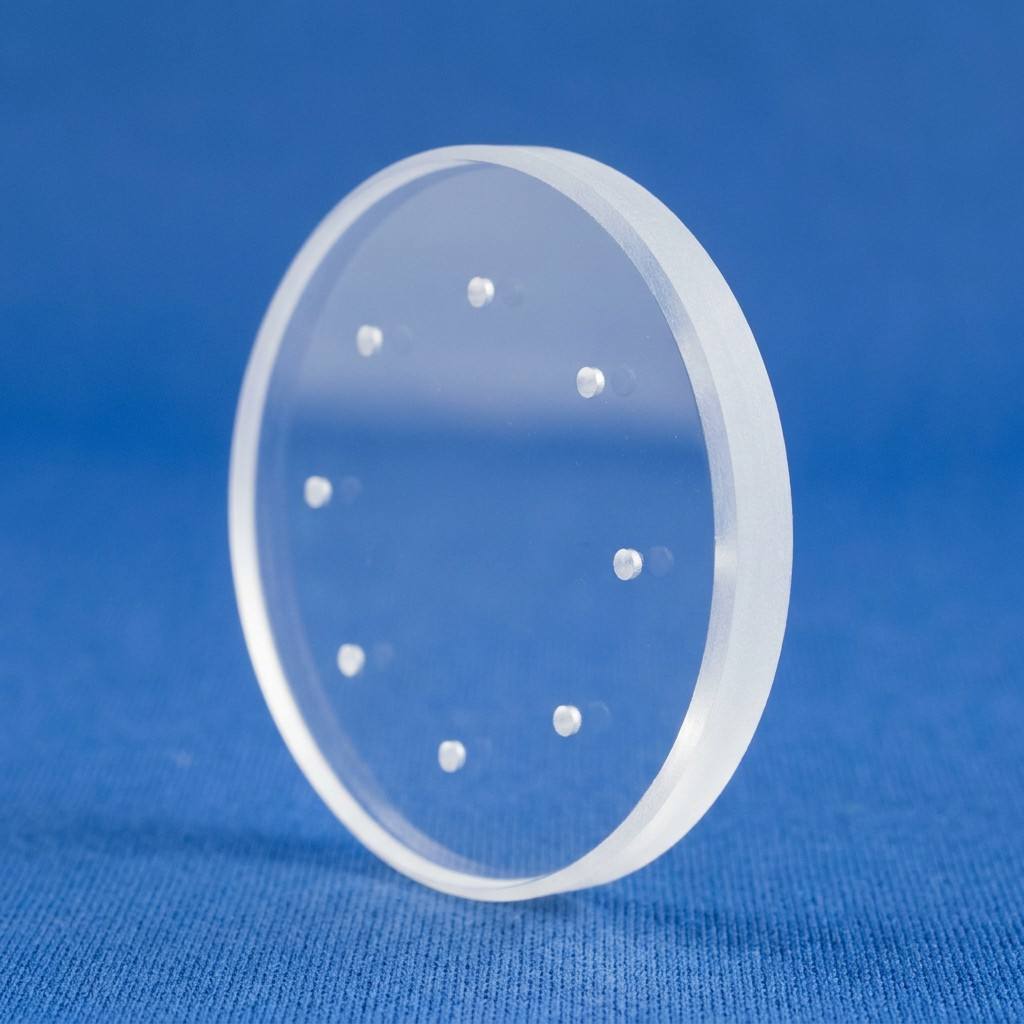
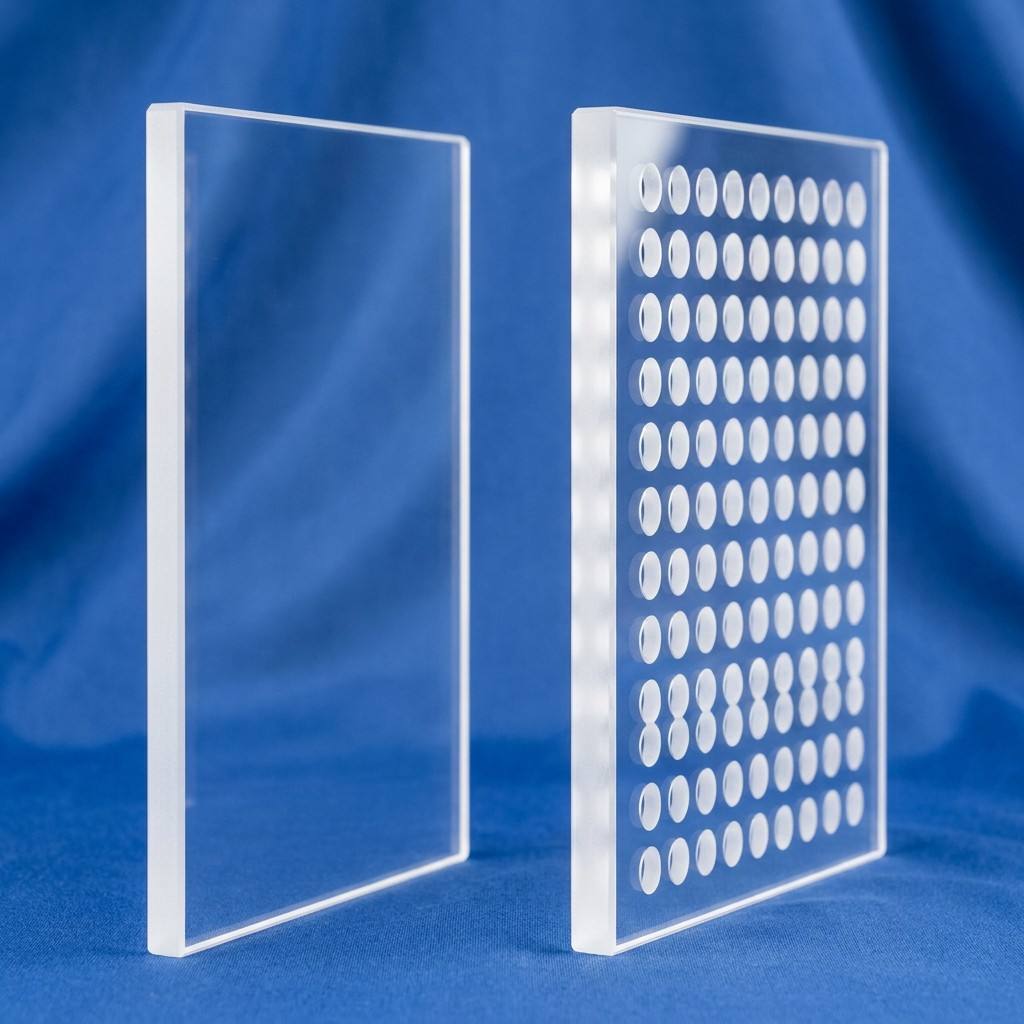
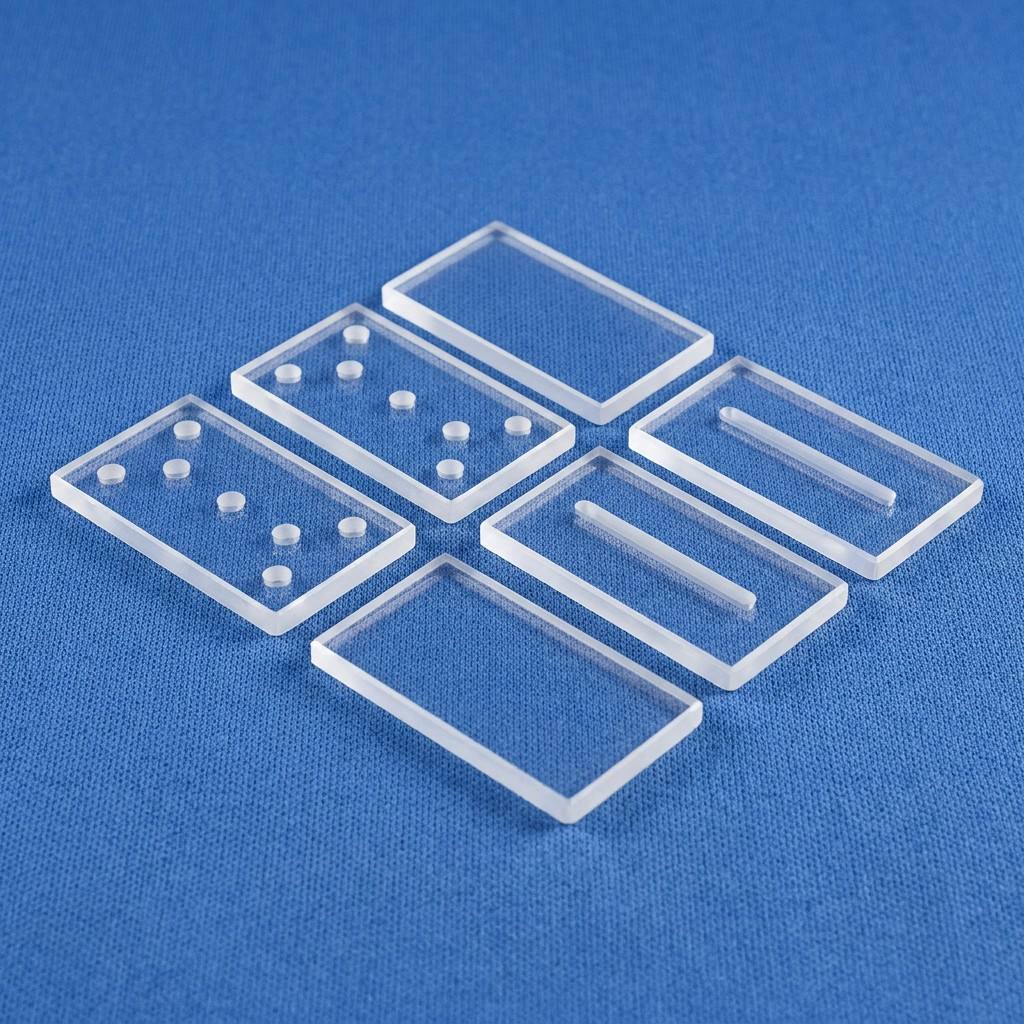
High-purity fused silica substrates, custom CNC quartz plates, laser protection windows, and carrier foundation elements engineered to SEMI specifications.
Executive Synthesis
The Strategic Nexus: Chinese Quartz Purity & South Korean Fab Demand
As the global semiconductor industry transitions into aggressive GAAFET (Gate-All-Around) architectures below 3 nanometers and 3D NAND vertical integration exceeding 300 physical cell layers, South Korea remains the epicentral crucible of mass microelectronics production. Within the mega-fab complexes across Pyeongtaek, Hwaseong, Icheon, and the emerging national semiconductor cluster in Yongin, the thermal processing budget and defect tolerances have converged on absolute zero-defect limits.
Every high-temperature thermal cycle—encompassing low-pressure chemical vapor deposition (LPCVD), atomic layer deposition (ALD), diffusion oxidation, and rapid thermal processing (RTP)—demands ultra-clean, thermally inert wafer carriers. In the vernacular of semiconductor hardware, quartz wafer carriers (commonly recognized as quartz boats, ladder carriers, slotted cassettes, and furnace quartzware) serve as the primary mechanical interface directly supporting 200 mm and 300 mm prime silicon wafers at process temperatures that continuously exceed 1,150°C.
Historically, Korean semiconductor fabs maintained an insular, domestic-focused procurement chain dominated by local tier-1 quartz fabricators. However, macroeconomic supply chain shocks, raw silica sand cartelization, and the rapid capacity expansion of the Yongin Semiconductor Mega Cluster (KRW 622 trillion projected investment) have catalyzed a structural re-evaluation. Leading Korean procurement directors and Tier-1 fab equipment manufacturers (including Wonik IPS, SEMES, Jusung Engineering, and AP Systems) increasingly leverage direct partnerships with premier Chinese fused quartz manufacturers headquartered in Donghai County, Jiangsu Province—globally acknowledged as China's Quartz Capital.
500mm
Max Tube Drawing Diameter for Large Furnace Shells
≤20ppm
Total Heavy Metal Impurities in Premium Quartz Sand
≤2h
Technical Response Turnaround for Custom RFQ Blueprints
50%
Direct Reorder Rate from Top Global & Korean Wafer Lines
Engineering Specifications
Material Purity & Dimensional Precision in Sub-3nm Thermal Regimes
The fundamental failure mode of high-temperature quartz carriers in advanced Korean wafer lines is two-fold: high-temperature plastic deformation (sagging or warp under sustained wafer payload at temperatures above 1,100°C) and trace elemental outgassing. When fused silica carriers operate near their annealing point (~1,215°C) and softening point (~1,683°C), hydroxyl group content ([OH⁻]) and network-modifying metallic ions dictate thermo-mechanical resilience.
| Critical Parameter | Semiconductor Fab Threshold (Korea Tier-1) | Donghai Advanced Silica Standard | Process Impact on Fab Yield |
|---|---|---|---|
| SiO₂ Base Purity | ≥ 99.995% to 99.999% | ≥ 99.998% | Eliminates structural lattice vacancies; shields against devitrification. |
| Total Alkali Metals (Na, K, Li) | ≤ 1.2 ppm aggregate | ≤ 0.6 ppm | Prevents high-mobility ionic gate dielectric breakdown in sub-5nm GAAFETs. |
| Iron (Fe) Content | ≤ 0.2 ppm | ≤ 0.12 ppm | Eliminates deep-level recombination centers in minority carrier lifetime tests. |
| Hydroxyl Group [OH⁻] | ≤ 30 ppm (Dry Thermal Process) | ≤ 15 ppm (Electrically Fused) | Restricts high-temperature carrier sag; maintains pitch tolerance across 200 cycles. |
| Slot Pitch Tolerance | ± 0.03 mm non-accumulative | ± 0.015 mm (5-Axis CNC) | Prevents robotic transfer arm (EFEM/AMHS) end-effector chucking lockup. |
| Thermal Expansion (0-1000°C) | 5.5 × 10⁻⁷ / °C | 5.4 × 10⁻⁷ / °C | Zero micro-fracturing during accelerated ramp-up/ramp-down thermal shock profiles. |
In automated fabrication facilities like Samsung Pyeongtaek Campus Line 3 (P3) and Line 4 (P4), robotic wafer handling robots (AMHS/OHT systems) load up to 100 or 150 wafer batches simultaneously into high-capacity vertical quartz boats. A cumulative pitch slot variance of merely 0.05 mm across the carrier profile will induce robotic end-effector mismatch, micro-scratching wafer edges, and generating shedding particles that demolish die yields on 300 mm wafer real estate.
Regional Ecosystems
Localized Application Scenarios in South Korea's Fab Corridors
Pyeongtaek & Hwaseong: 300mm Vertical Diffusion Boats
Within Gyeonggi Province's memory powerhouses, vertical quartz boats undergo continuous 1,200°C furnace cycling during ultra-high aspect ratio (HAR) contact etch annealing and 3D NAND oxide-nitride stack deposition. Precision slot-milled quartz ladders eliminate wafer vibration and catastrophic slip-line dislocation propagation.
Icheon & Cheongju: DRAM Extreme Wet-Clean Baskets
For SK Hynix DRAM fabrication corridors, fused quartz carrier baskets operate in aggressive RCA clean baths, piranha solutions (H₂SO₄/H₂O₂), and hydrofluoric acid etching tanks. Chemically pristine fire-polished quartz welds mitigate boundary micro-etching and particulate shedding across chemical sub-stages.
Cheonan & Asan: Display Gen 6/8.6 OLED Substrate Carriers
The Chungcheong display belt requires ultra-flat fused silica plates and slotted thermal carriers to stabilize fine-metal-mask (FMM) alignment during organic vapor thermal evaporation. Ultra-low thermal expansion ensures micro-meter planar fidelity without thermal runaway optical lensing.
Yongin Mega Cluster: 520mm Extended Diffusion Core Tubes
Next-generation large-scale integrated circuits engineered at the Yongin mega-hub require single-piece, drawn high-purity quartz furnace tubes with outer diameters up to 520 mm. Integrated with multi-tier quartz wafer supports, these vessels withstand continuous operational cycles up to 1,100°C without mechanical deflection.
Pangyo Techno Valley: Fabless R&D Custom Carrier Labware
Compound semiconductor (SiC and GaN) prototyping centers in Pangyo utilize custom CNC-machined quartz discs, grooved wafer pedestals, and vacuum chamber viewport plates. These custom-tailored small-batch fixtures bridge theoretical design iterations with physical foundry trial runs.
Market Trends
Localization & Supply Resilience Trends in Korea (2025–2030)
Korean procurement methodologies are currently experiencing three major paradigm shifts driven by geopolitical diversification mandates and strict Fab ESG regulations:
1 Direct China-Korea OEM Consignment
Korean tier-1 fab operators are reducing single-source domestic intermediaries. By engaging verified China manufacturers directly at the raw sand and continuous-draw ingot stage, procurement divisions compress total cost of ownership (TCO) by 28% to 42% while retaining strict SEMI S2 cleanroom conformance audits.
2 Hybrid Life-Cycle Quartz Recycling
Under RE100 and carbon footprint limitations, Korean fabs are transitioning from disposable quartzware protocols to hybrid reclamation. Chinese manufacturing partners supply precision replacement rods, CNC-cut slot plates, and high-purity repair sleeves to local Korean re-machining workshops, extending overall carrier lifespans.
3 48-Hour Incheon Bonded Supply Corridors
Proximity between Chinese coastal production bases in Jiangsu and Korean logistics gateways (Incheon International Airport and Port of Busan) provides an unmatched delivery cadence. Dedicated air-crated vacuum packaging ensures customized emergency quartz replacement components clear customs and enter fab cleanrooms within 48 hours of shipment.
Manufacturing Excellence
Why Top Korean Semiconductor Lines Source from VEZLO Quartz
Integrating raw high-purity mineral reserves with advanced flame-fusion and 5-axis CNC diamond grinding.
Donghai Industrial Scale
Spanning a 50-mu (≈33,000 m²) manufacturing base backed by RMB 10 million in fixed assets, we control the entire vertical chain from raw silica refining to finished cleanroom quartzware.
Provincial & National R&D Pedigree
Our 320 mm high-purity quartz tube was recognized as an official Jiangsu Provincial S&T Support Project, while our 520 mm large-diameter tube completed national new product technical reviews.
Ultra-Low Impurities (≤20 ppm)
We process 13 distinct grades of ultra-high-purity quartz sand with total conventional metallic impurities strictly ≤ 20 ppm, securing structural thermal integrity and non-contaminating purity.
Export Shock-Proof Engineering
Every fragile quartz boat and carrier is protected with customized form-fitting pearl cotton, sealed in vacuum barrier bags with nitrogen purge, and secured in fumigation-free wooden export crates.
Procurement Intelligence
Frequently Asked Questions: Sourcing Quartz Carriers for Korean Fabs
How do Chinese quartz carriers comply with South Korea's strict SEMI S2 and fab cleanroom standards?
Our semiconductor-grade quartz carriers undergo an exhaustive multi-stage purification protocol. After 5-axis CNC ultrasonic diamond grinding and hydrogen-oxygen flame polishing, every component is acid-etched in ultra-pure HF and deionized water (18.2 MΩ·cm) baths to eliminate sub-micron surface micro-fissures and particulate debris. Completed quartz assemblies are inspected via laser surface particle scanners and class-100 cleanroom packaging protocols before vacuum encapsulation, matching all SEMI S2 requirements enforced by Korean device manufacturers.
What is the difference between natural fused quartz and synthetic fused silica in wafer carrier applications?
Natural fused quartz is produced through electric or flame fusion of ultra-pure natural quartz crystal sand (such as our Donghai ≤ 20 ppm refined sand). It delivers exceptional thermal-shock resistance, a high softening point (1,683°C), and cost-effective structural rigidity, making it the industry standard for high-temperature furnace diffusion boats, outer tubes, and wafer carriers. Synthetic fused silica, derived from silicon chemical precursors (e.g., SiCl₄), provides superior deep-UV transmission and near-zero trace metals, rendering it ideal for photomask blanks and excimer laser optics.
How are tariff structures and customs clearance managed under RCEP and the China-Korea FTA?
Under the Regional Comprehensive Economic Partnership (RCEP) and the bilateral China-South Korea Free Trade Agreement (CKFTA), fused quartz products (classified under HS Code 7002.31 for quartz tubes, 7002.39 for quartz rods, and 7020.00 for customized semiconductor quartz apparatus) qualify for preferential customs treatment. We provide official Certificates of Origin (Form E or RCEP declarations), enabling Korean purchasers to clear Incheon or Busan customs swiftly with minimized or eliminated import duty tariffs.
What tolerances can be achieved on custom CNC-slotted wafer boats and grooved plates?
Utilizing state-of-the-art multi-axis CNC laser and diamond machining stations, we maintain slot-width and slot-depth tolerances of ± 0.015 mm, with non-accumulative pitch tolerances of ± 0.02 mm across carrier lengths exceeding 1,200 mm. Surface roughness on slotted seats can be fine-polished to Ra ≤ 0.4 µm or flame-glazed to eliminate micro-chatter marks, ensuring smooth automated wafer insertion via robotic end-effectors without particulate generation.
What are the standard lead times for custom-drawing quartz boat prototypes to South Korea?
Upon receipt of detailed engineering CAD (.dwg / .step) drawings, our engineering team returns a full DFM (Design for Manufacturability) analysis within 2 hours. Rapid prototype fabrication typically spans 10 to 18 business days depending on geometric flame-working complexity. For expedited fab-down emergencies in Gyeonggi-do, priority cleanroom fabrication and air-cargo express routes via Incheon International Airport deliver finished, certified carriers within 7 working days.
How does VEZLO guarantee zero breakage during trans-Yellow Sea air and maritime transit?
Fragile quartz carriers represent sophisticated dimensional investments. We employ a triple-stage shock-attenuation packaging method: primary encapsulation inside anti-static cleanroom vacuum bags, secondary suspension in custom-molded high-density polyethylene (EPE) foam dampening chambers, and tertiary outer crating in heavy-duty, fumigation-free engineered plywood cases fitted with multi-directional tip-and-tell shock indicator sensors.