Featured Optical Quartz Solutions Available for Estonia
Explore our export-ready range of high-transmittance fused silica rods, custom laser protection windows, thermal viewport discs, and high-pressure ozone glassware engineered to stringent ISO/DIN standards.
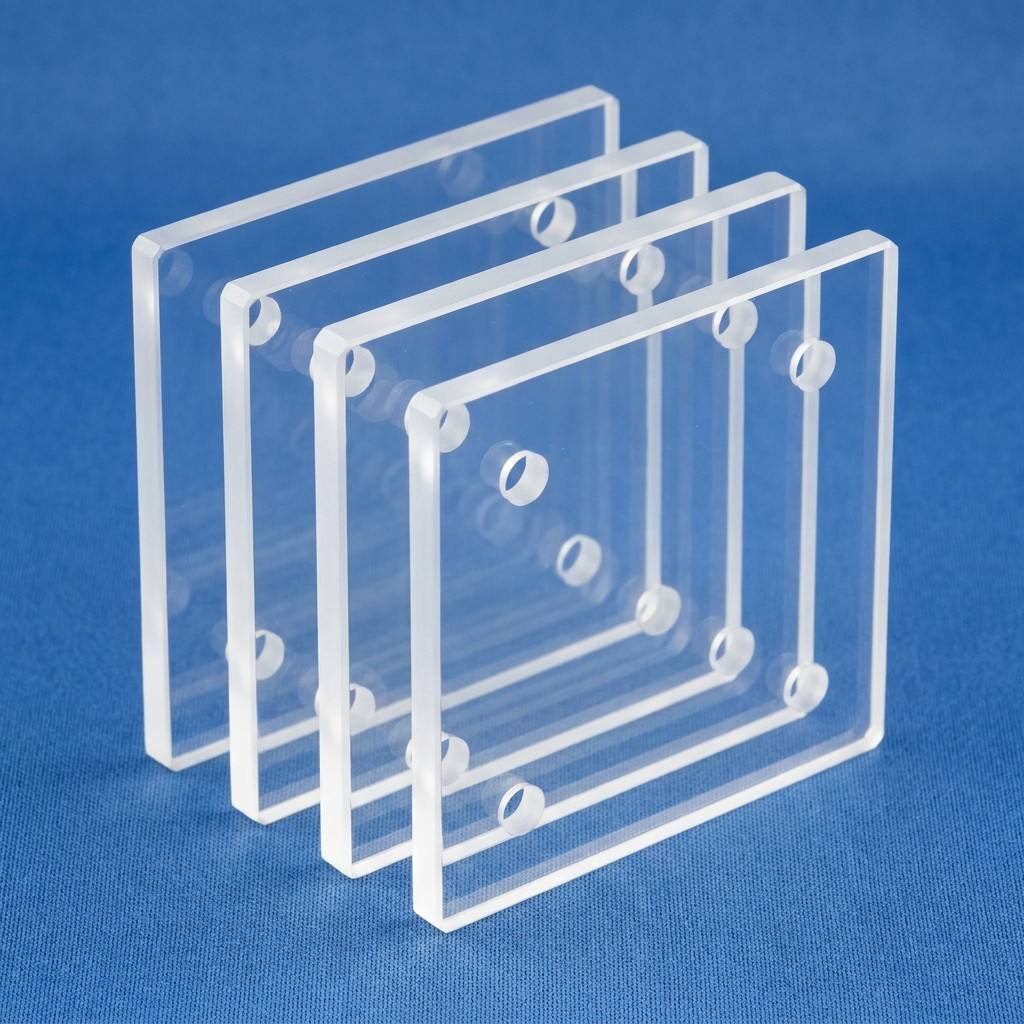
Quartz Plate for Laser Protection Window Fused Silica UV Grade
JGS1 deep ultraviolet transmission fused silica plates engineered for industrial fiber laser cutting heads and Tartu scientific optics laboratories.
Technical Details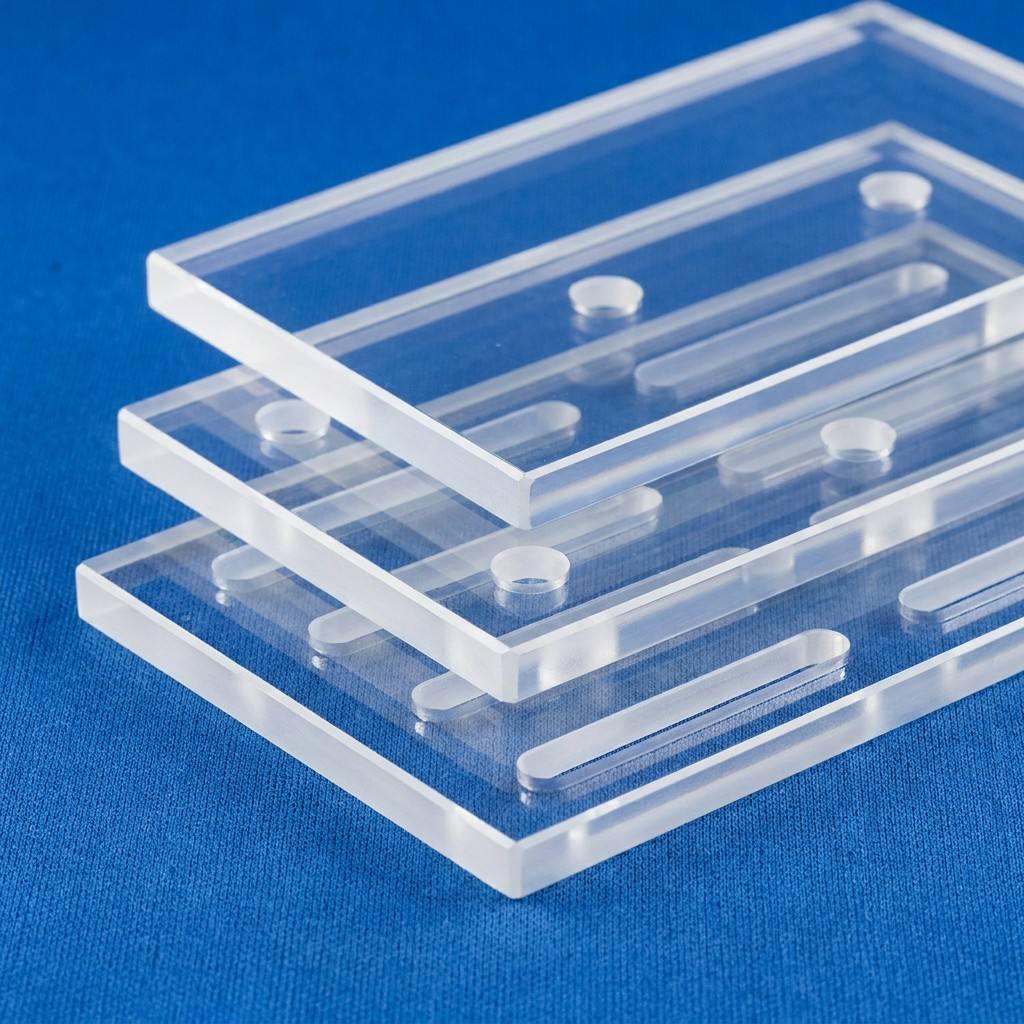
Quartz Disc with Groove Fused Silica Plate Clear Polished Custom Size
CNC chamfered and micro-grooved quartz wafers designed for mechanical O-ring vacuum seals and Baltic semiconductor sensor chambers.
Technical Details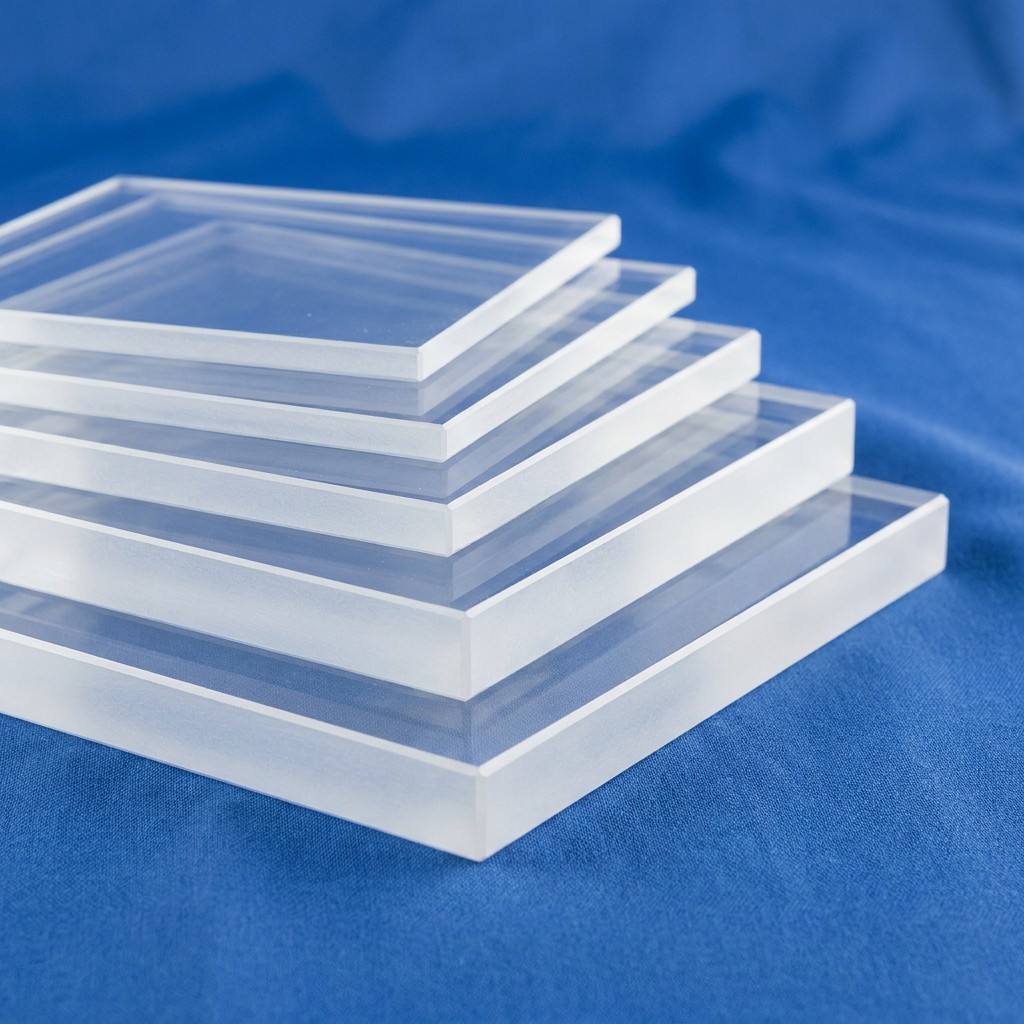
Quartz Fireplace Viewing Glass Plate Heat Resistant Fused Silica
Ultra-low thermal expansion quartz viewing glass capable of withstanding 1,100°C continuous thermal stress without surface micro-cracking.
Technical Details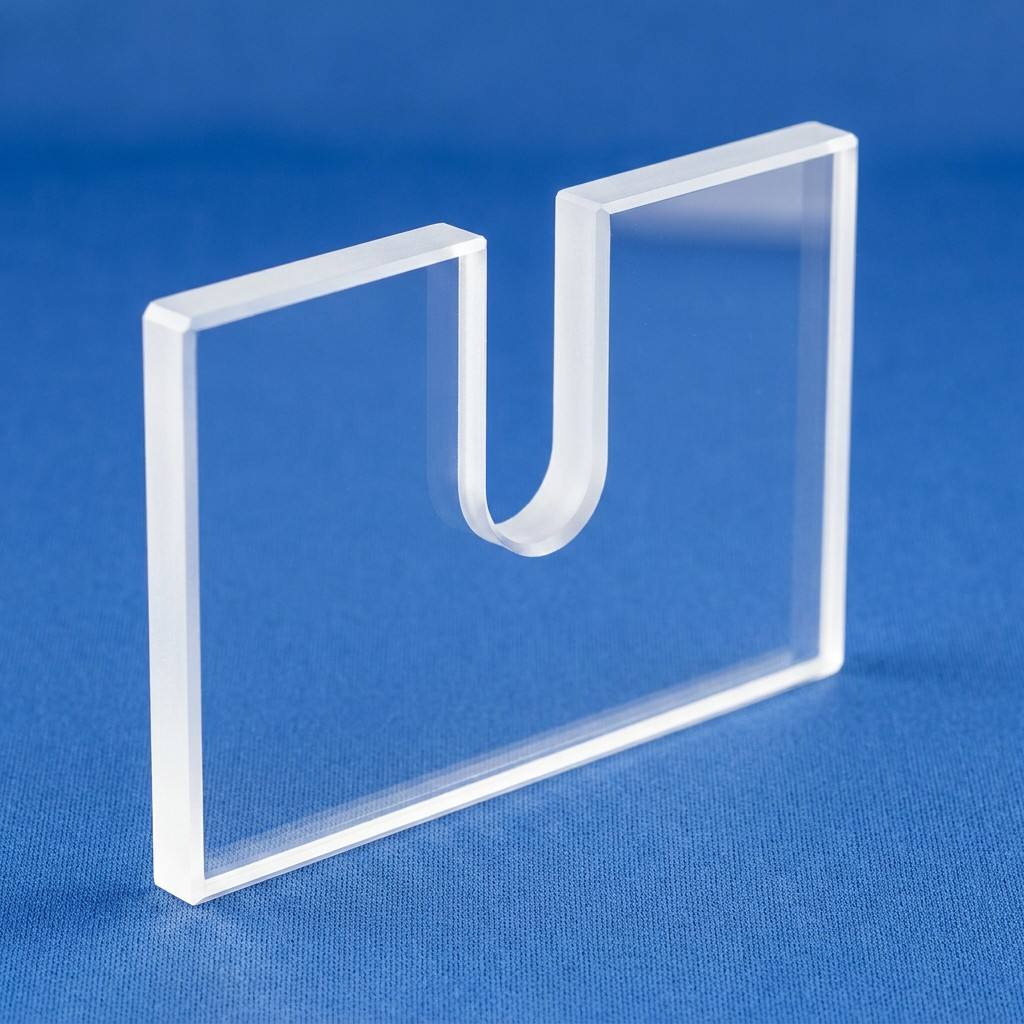
Quartz Viewport Glass Quartz Window Plate Optical Window Quartz High Pressure
Precision-ground, high-strength viewport windows for industrial pressure vessels, marine instrumentation, and harsh environment monitoring.
Technical Details
Quartz Tube for Ozone Generator High Purity Fused Silica Ozone Free
Titanium-doped or high-purity synthetic fused silica tubes for corona discharge modules and municipal ultraviolet water treatment facilities.
Technical Details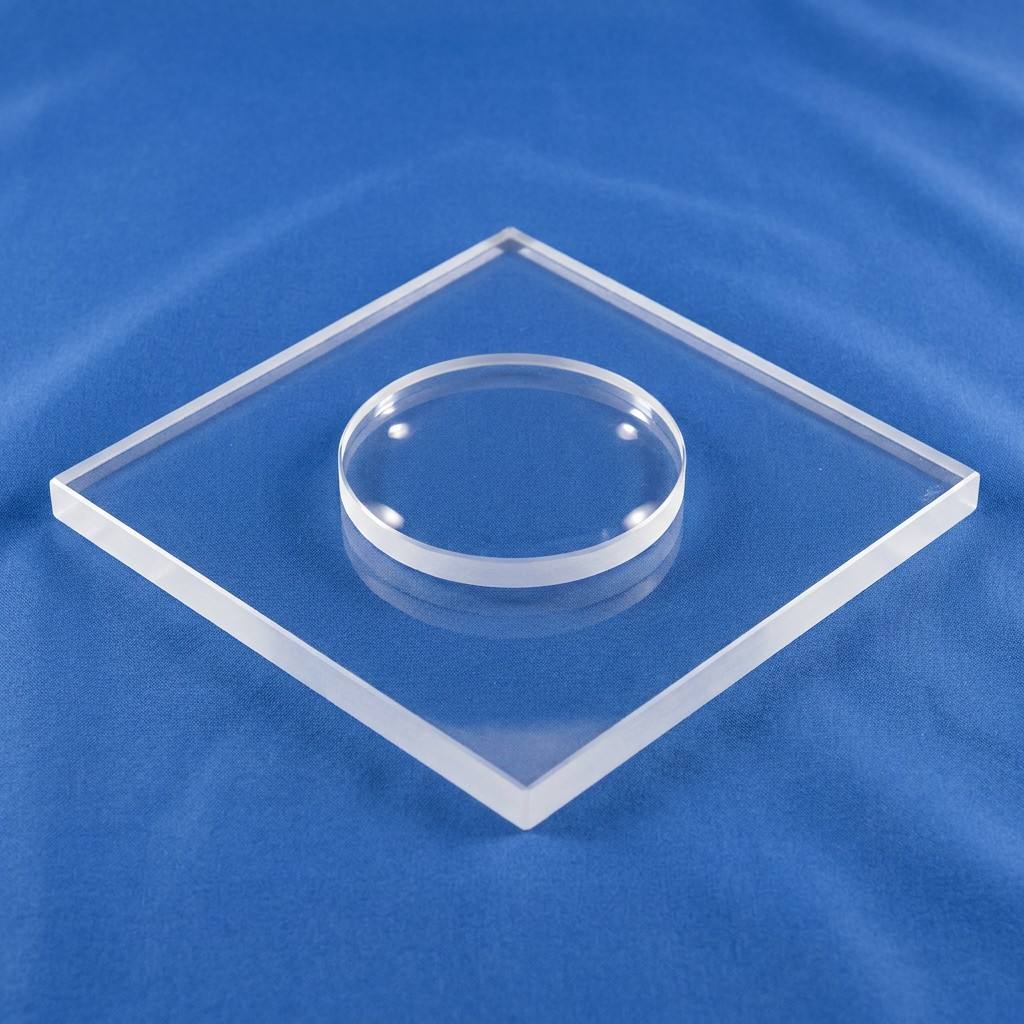
Quartz Glass Plate for Optical Window Fused Silica High Transmittance
Double-side polished flat optical blanks with parallelism < 30 arc seconds, suitable for spectrographic equipment and collimator assemblies.
Technical Details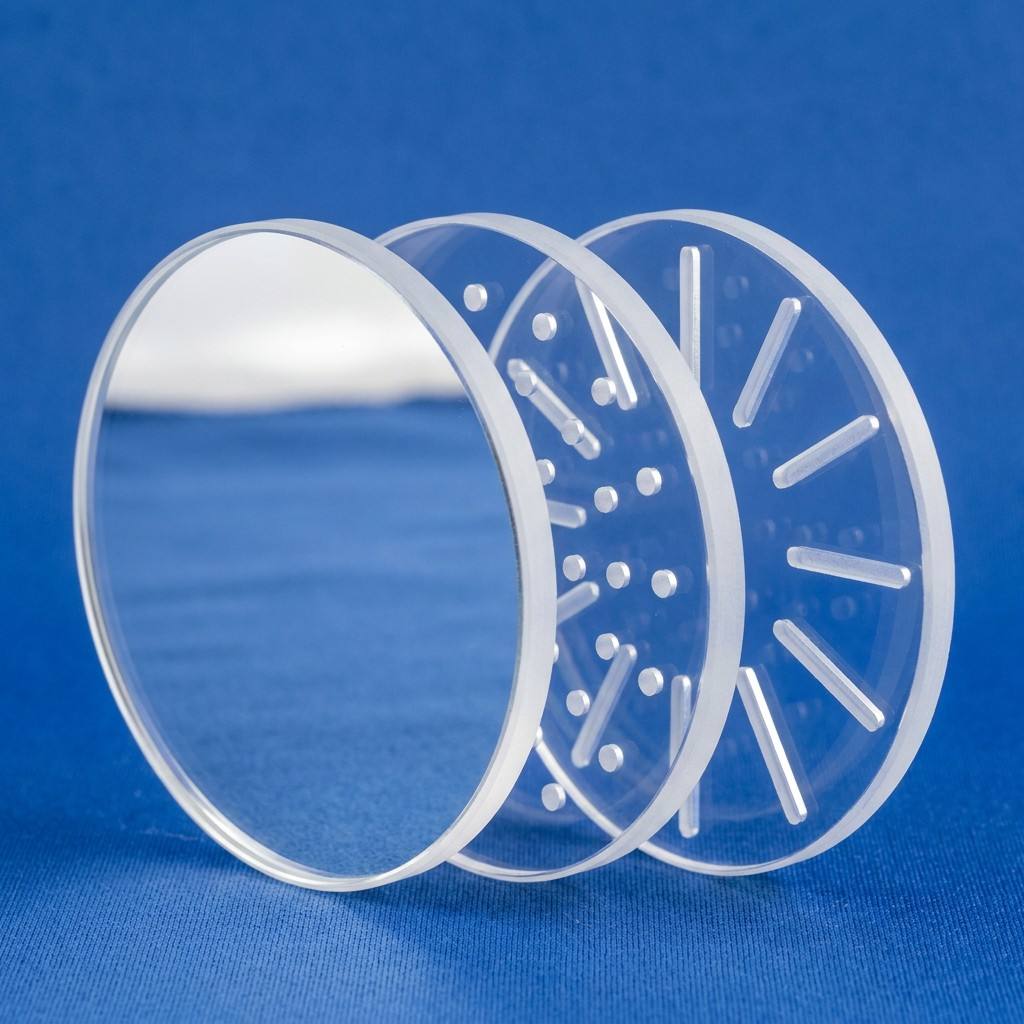
Rectangular Quartz Plate Fused Silica Clear Precision Cut Custom Size
Tight tolerance rectangular quartz plates cut to precision specifications with bevelled edges for high-voltage dielectric isolation partitions.
Technical Details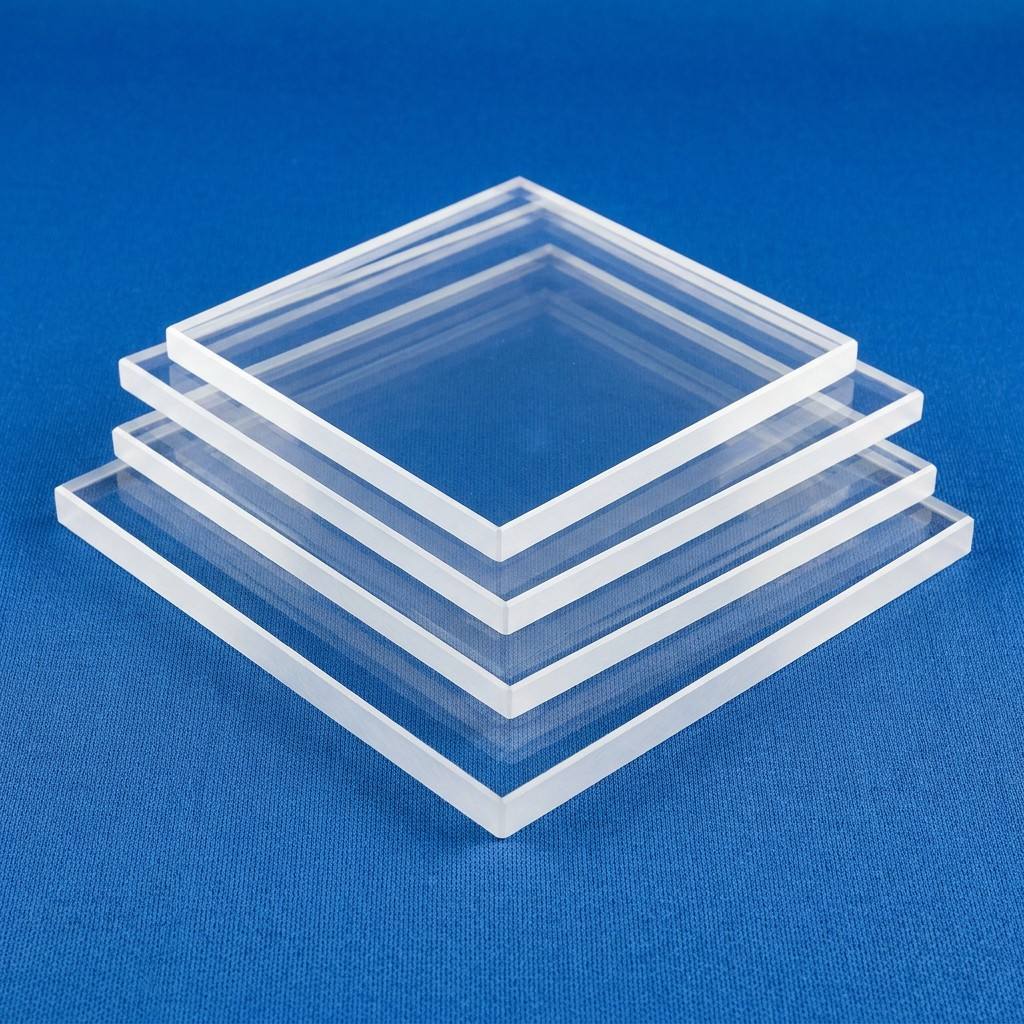
Quartz Plate with Center Hole Fused Silica Clear Polished Custom Size
Ultrasonic core-drilled quartz wafers providing zero internal stress concentrations, widely used in optical thermocouple lead-through assemblies.
Technical DetailsProcuring Industrial Quartz Glass Rods in Estonia: The Factory Advantage
Estonia’s high-tech manufacturing sector, known across the European Union for its dynamic agility and innovation, is expanding rapidly in advanced deep-tech niches. From high-energy picosecond laser systems designed in Tartu to cleanroom automation platforms developed across Harju County, local engineering teams face a common supply chain hurdle: securing ultra-high-purity, structurally flawless quartz glass rods (fused silica cylinders) with consistent lead times and rigorous thermal metrics. Although Estonia hosts cutting-edge systems integrators, the country lacks primary raw-quartz melting infrastructure. As a result, Estonian optical engineers, lab apparatus fabricators, and specialized thermal furnace builders rely heavily on specialized OEM manufacturing partners situated in Donghai County, China—the undisputed international capital of fused quartz production.
VEZLO Quartz Products Co., Ltd. fills this strategic supply gap by delivering factory-direct quartz glass rod manufacturing paired with end-to-end quality validation. Drawing upon more than 50 mu (≈33,000 m²) of intensive continuous-melting, flame-working, and CNC cold-working facilities, we supply solid quartz rods ranging from micro-diameter Ø1.5 mm light-guiding filaments up to robust Ø80 mm structural and furnace support bars. By maintaining full operational control over the mineral refining stream—consistently achieving total impurity thresholds below 20 ppm—our manufacturing ensures that Estonian procurement teams receive components with zero internal bubble inclusions, low OH content, and remarkable mechanical stability under severe thermal cycling.
Critical Material Properties: Fused Quartz vs. Fused Silica for Northern European Procurement
When engineering components for Baltic defense photonics, analytical spectroscopy, or aggressive chemical processing, choosing between natural fused quartz and synthetic fused silica directly dictates system longevity and budgetary efficiency. Synthetic fused silica (formed via chemical vapor deposition of SiCl₄) delivers unbeatable deep ultraviolet (DUV) transmission down to 180 nm, making it essential for UV lithography and medical excimer lasers. However, for 90% of industrial heating, optical transmission (visible to near-infrared spectrum 260 nm – 2,500 nm), and structural furnace applications in Estonia, electrical-melted natural fused quartz offers equivalent thermal resilience and superior economic efficiency.
| Physical / Thermal Metric | VEZLO Clear Fused Quartz Rod | Synthetic Fused Silica Rod | Estonian Engineering Relevance |
|---|---|---|---|
| Silicon Dioxide (SiO₂) Purity | ≥ 99.99% (≤20 ppm metals) | ≥ 99.9999% (≤1 ppm metals) | Eliminates molten metal and wafer contamination |
| Coefficient of Thermal Expansion | 5.5 × 10⁻⁷ / °C (20°C–320°C) | 5.2 × 10⁻⁷ / °C | Zero thermal shock rupture during rapid quenching |
| Maximum Continuous Temp. | 1,100 °C | 1,150 °C | Ideal for Tartu vacuum sintering & diffusion lines |
| Annealing Point | 1,215 °C | 1,180 °C | Relieves internal birefringence post-machining |
| Spectral Optical Range | 260 nm – 2,500 nm | 180 nm – 2,100 nm | Broad spectrum UV-VIS-NIR guidance for sensors |
| Dielectric Strength (20°C) | 25–40 kV/mm | 25–40 kV/mm | Superior high-voltage electrical arc protection |
Key Industrial Applications of Quartz Rods Across Estonia
The unique physical integrity of fused quartz—negligible thermal expansion, exceptional chemical resistance against harsh mineral acids (excluding hydrofluoric and phosphoric above 300°C), and unmatched optical clarity—makes it indispensable across diverse Estonian industrial hubs:
Laser Photonics & Light Guides
Tartu’s optical instrumentation developers deploy polished quartz rods as rigid light conductors, fiber preform handles, and beam homogenizers capable of sustaining multi-kilowatt laser intensities without optical distortion.
Thermal Furnace Internal Supports
Tallinn and Narva heating equipment manufacturers utilize Ø10 mm to Ø50 mm quartz rods as non-sagging support pins, thermocouple protection stems, and resistance-element spacers running at continuous 1,100°C temperatures.
Semiconductor Cleanroom Wafer Handling
Flame-worked quartz rods serve as the foundational structural backbone for custom wafer boats, dipping racks, and etching baskets, safeguarding micro-circuits against metallic particulate migration.
Marine & Port Optical Sight Glass Stems
Maritime sensors and Baltic chemical terminal sight glasses mandate ground quartz rods to resist heavy thermal shock, caustic marine vapor atmospheres, and sustained high fluid pressure differentials.
Ultraviolet Sterilization Stems
Estonian environmental filtration plants employ ozone-free, precision-drawn quartz rods as rigid ballast mounting rods and optical probe sheaths inside high-throughput water purification channels.
Analytical R&D Lab Glassblowing
Scientific apparatus blowers at Tallinn University of Technology (TalTech) and the University of Tartu source calibrated solid rods to form specialized vacuum stopcocks, stirrers, and capillary manifolds.
Macro Market Trends: Why Baltic Buyers Are Consolidating Direct Factory Partnerships
The procurement landscape across Estonia and the Nordic-Baltic trade corridor is experiencing three decisive strategic shifts:
- Disintermediation to Bypass European Reseller Markups: Traditionally, Baltic manufacturers procured quartz raw stock through regional distributors located in Central Europe, absorbing 40% to 75% markups and weeks of inventory delays. Direct OEM collaboration with Donghai factories allows Estonian teams to obtain first-tier factory pricing, customized flame profiling, and direct access to original material inspection certifications.
- Rigid RoHS, REACH, and Purity Compliance: As Estonia enforces strict European Union environmental and precision standards, tier-one manufacturers demand complete traceability. VEZLO guarantees each batch meets stringent chemical purity criteria, accompanied by documented Spectrophotometer and ICP-OES trace element analyses confirming conventional metal impurities below 20 ppm.
- Demand for Sub-Millimeter Customization: Standard catalog lengths are no longer sufficient for specialized laser design. Estonian tech enterprises require precise cut-to-length tolerances (±0.05 mm), precision ground cylindrical profiles, optical end-face polishing (80/50 or 60/40 scratch-dig), and fire-polished edges delivered ready for cleanroom assembly.
Why Baltic Industry Relies on VEZLO Quartz
Rooted in China's quartz capital, we fuse natural mineral mastery with advanced thermal processing to satisfy the most uncompromising technical specifications.
Raw Material Hegemony
Situated in Donghai County, we process domestic Grade A quartz crystal and refined sand (13 distinct purity grades), eliminating supply bottlenecks and guaranteeing thermal uniformity.
Proven National R&D Credentials
Our engineering division executed the 320 mm high-purity quartz tube development for large-scale integrated circuits (Jiangsu Provincial Science & Technology Project) and engineered a 520 mm semiconductor-grade tube.
Comprehensive Machining Versatility
From continuous thermal drawing to precision ultrasonic drilling, centerless grinding, laser slicing, optical polishing, and complex flame lathe welding, we meet complex customer drawings without subcontracting.
Export-Ready Protective Packaging
Fragile quartz rods and plates are hermetically sealed, cushioned with shock-absorbent multi-layer pearl foam, and boxed in ISPM-15 certified fumigation-free plywood crates, ensuring safe transit to Estonia via air or consolidated sea freight.
Rapid Engineering Turnaround
With an average inquiry response time under 2 hours, our technical sales engineers evaluate AutoCAD, SolidWorks, and PDF technical prints instantly, providing DFM feedback and transparent factory quotes.
Trade Assurance & Full Traceability
Backed by official Onsite-Verification and secure transaction structures, our orders are monitored from the initial melting phase through final interferometric inspection.
Frequently Asked Questions for Estonian Buyers
Addressing the technical, operational, and commercial criteria that Estonian procurement and technical departments consider before placing an order.
What dimensional tolerances can you hold on quartz glass rods?
For standard drawn rods, outer diameter tolerance is within ±0.1 mm to ±0.3 mm depending on diameter size. For precision optical and laser setups, our centerless diamond grinding line holds strict cylindrical tolerances down to ±0.02 mm, with optical end-face parallelism within 30 arc seconds.
How do you safeguard fragile quartz rods against breakage during transit to Estonia?
Each quartz rod is individually encased in anti-scratch pearl cotton sleeves and packed inside shock-absorbing, high-density cellular cartons. Shipments are then secured within heavy-duty, multi-layered fumigation-free plywood maritime/air cases featuring shock-watch tilt sensors. In the rare event of transit damage, replacement components are fast-tracked immediately.
What is the typical shipping timeline from your factory to Tallinn or Tartu?
Prototypes and time-critical batches shipped via international air courier (DHL, FedEx, UPS) typically arrive in Estonia within 5 to 8 business days once fabrication is completed. Bulk industrial container loads dispatched via combined sea-rail or maritime freight through the Port of Tallinn (Muuga Harbour) take approximately 30 to 40 days.
Do you support custom prototype runs with small minimum order quantities (MOQs)?
Yes. We understand that Estonian deep-tech, university research projects, and specialized laser laboratories often require short runs (5–10 pieces) for validation prior to full commercial ramp-up. We provide prototype development services to drawing specifications alongside high-volume continuous output.
Can you provide material certificates and transmission curve analysis?
Every shipment is accompanied by a formal factory inspection certificate. Upon technical request, we provide detailed chemical impurity assays (ICP analysis confirming Fe, Al, Ca, Mg, Ti, Cu content), polariscope stress birefringence verification, and optical UV-VIS-NIR spectral transmission curves.
What surface finishes can be applied to the ends of the quartz rods?
We provide four primary end finishes based on operational intent: rough diamond cut (for post-processing), precision fire-polished (smooth rounded meniscus edges for thermal heating pins), fine-ground (flat matte, ±0.05 mm length tolerance), and double-side optical pitch-polished (λ/4 flatness for laser input/output windows).
Connect with China's Premier Fused Quartz Manufacturing Hub
Whether you require standard stock fused quartz rods, bespoke optical windows, or custom flame-worked cleanroom apparatus, our engineering team in Donghai provides rapid DFM reviews, material certifications, and reliable direct export logistics to Estonia.