Featured Quartz Tubing & Substrate Solutions
Engineered from raw natural crystals and synthetic fused silica with total metallic impurities below 20 ppm, serving rigorous vacuum, thermal, and optical environments.



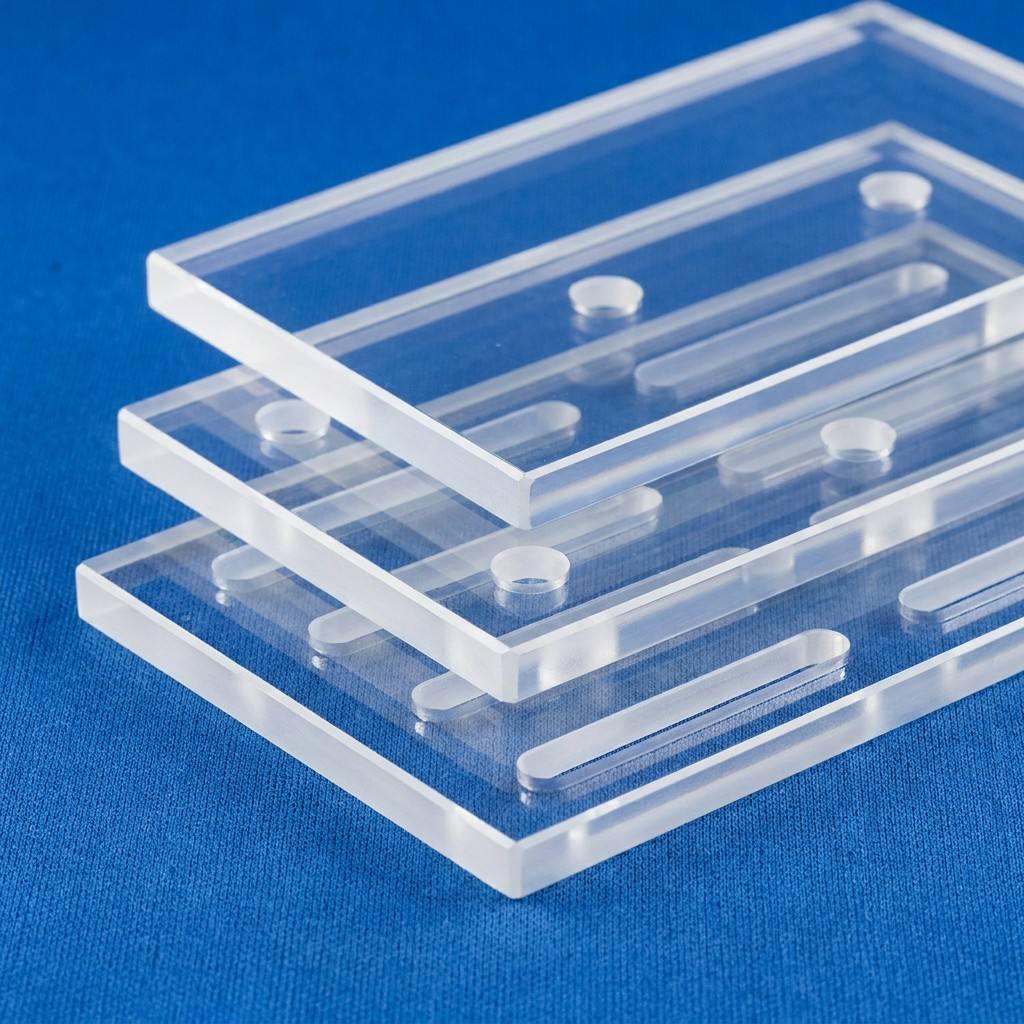
High-Purity Transparent Fused Quartz Tubing: Material Physics and Global Sourcing Standards
In high-temperature vacuum furnaces, semiconductor processing, and precision optical transmission, fused silica glass is an irreplaceable engineering material. As procurement managers and technical directors in Las Vegas and the greater Southwestern United States evaluate raw material suppliers, understanding the thermodynamic behavior, crystallization risks, and spectral transmittance profiles of fused quartz tubes is essential for mitigating catastrophic thermal shock and chemical contamination.
VEZLO Quartz manufactures transparent fused quartz tubing by thermal fusion of high-purity natural silica sand (≥99.99% SiO2) inside continuous electric drawing furnaces and specialty hydrogen-oxygen flame processing reactors. The resulting amorphous quartz glass features an exceptionally low coefficient of thermal expansion (5.5 × 10⁻⁷ /°C from 20°C to 320°C). This characteristic allows a tube heated to 1,100°C to be plunged directly into cold water without micro-fracturing or catastrophic shattering, providing an operational safety margin that standard borosilicate or aluminosilicate glasses cannot achieve.
Chemical Impurity Control and Devitrification Kinetics
The lifespan of a fused quartz tube inside high-temperature processing zones is primarily determined by devitrification—the transformation of amorphous fused silica into crystalline cristobalite. Devitrification typically initiates around surface nucleation sites caused by trace alkali metal contaminants, such as Sodium (Na), Potassium (K), and Lithium (Li). When exposed to temperatures above 1,000°C, these mobile ions accelerate crystalline growth, leading to haze, structural embrittlement, and vacuum boundary failure.
By refining domestic high-purity quartz reserves in Donghai County—internationally recognized as China's quartz capital—VEZLO controls total metallic impurities to ≤20 ppm across 13 specialized feedstock grades. Elements such as Iron (Fe ≤ 1.5 ppm), Aluminum (Al ≤ 14 ppm), and Copper (Cu ≤ 0.1 ppm) are suppressed through multi-stage chemical acid washing, flotation, and thermal roasting, ensuring that tubes deployed in Nevada facilities exhibit extended cycle lives without premature cloudy devitrification layers.
| Physical / Thermal Property | Standard Testing Protocol | Typical Value | Relevance for US Industrial Buyers |
|---|---|---|---|
| Silica Purity (SiO2) | ICP-OES Spectral Analysis | ≥ 99.99% | Prevents trace chemical outgassing in cleanrooms & vacuum systems. |
| Density | ASTM C693 Archimedes Principle | 2.20 ± 0.02 g/cm³ | Low-mass design for high-strength optical and thermal sleeves. |
| Thermal Expansion (CTE) | Dilatometry (20°C to 300°C) | 5.5 × 10⁻⁷ /°C | Near-zero thermal shock risk during rapid heating/cooling cycles. |
| Continuous Service Temp | Steady-State Tube Loading | 1,100 °C | Reliable continuous run times in horizontal furnace reactors. |
| Strain / Annealing Points | Beam Bending Viscosity (ASTM C598) | 1,120 °C / 1,215 °C | Strict stress-relief protocols during custom flanging & shaping. |
| Dielectric Constant | 1 MHz @ 25°C | 3.75 | Low RF and microwave attenuation for high-frequency electronics. |
| UV-Vis Spectral Transmission | Spectrophotometer (260–2500 nm) | > 90% (Optical Clear) | High light extraction for germicidal UV-C & pulsed flash lamps. |
Hydroxyl (OH-) Content and Transmission Tailoring
VEZLO offers dual manufacturing lines targeting distinct hydroxyl concentrations: low-OH (vacuum fused, OH- < 5–20 ppm) and standard flame-worked tubes (OH- ≈ 150–200 ppm). For infrared heating applications and optical transmission extending into the near-infrared spectrum, low-OH tubes eliminate the pronounced molecular absorption band at 2.73 μm. Conversely, in deep-ultraviolet (UV) applications—including wastewater disinfection and chemical photochemical synthesis—synthetic and doped silica options allow buyers to select ozone-free formulations (blocking 185 nm while transmitting germicidal 254 nm) or high-efficiency ozone-generating tubes according to environmental design criteria.
Localized Application Scenarios Across the Las Vegas Industrial Corridor
Evaluating the direct integration of precision fused quartz tubes into Southern Nevada's evolving manufacturing, defense, energy, and entertainment technology infrastructure.
Precision Fabrication: From Large-Diameter Drawing to CNC Cold Finishing
Producing precision quartz glass tubing requires rigorous thermal equilibrium and strict atmospheric control. VEZLO operates automated vertical drawing towers and continuous electric fusion furnaces capable of holding wall-thickness concentricity within ±0.15 mm on standard tubes, and ±0.5 mm on heavy-wall tubes up to 500 mm OD. This dimensional uniformity ensures balanced hoop stress distribution during high-pressure or deep-vacuum processes.
Our large-diameter tube development was carried out as part of a recognized Jiangsu Provincial Science & Technology Support Project, successfully commercializing 320 mm high-purity quartz diffusion tubes for large-scale integrated circuit processing. Expanding on this foundation, our R&D facility has developed 520 mm large-diameter high-purity quartz furnace tubes. These units are engineered for vertical semiconductor oxidation furnaces and next-generation 300 mm wafer processing, having passed the rigorous preliminary technical review for national new product qualification in China.
Secondary Cold Machining and Hot Flame-Working Services
Standard drawn tubing often requires secondary modification before installation into US equipment assemblies. VEZLO's CNC cold processing facilities and master glassblowers provide turn-key component customization, including:
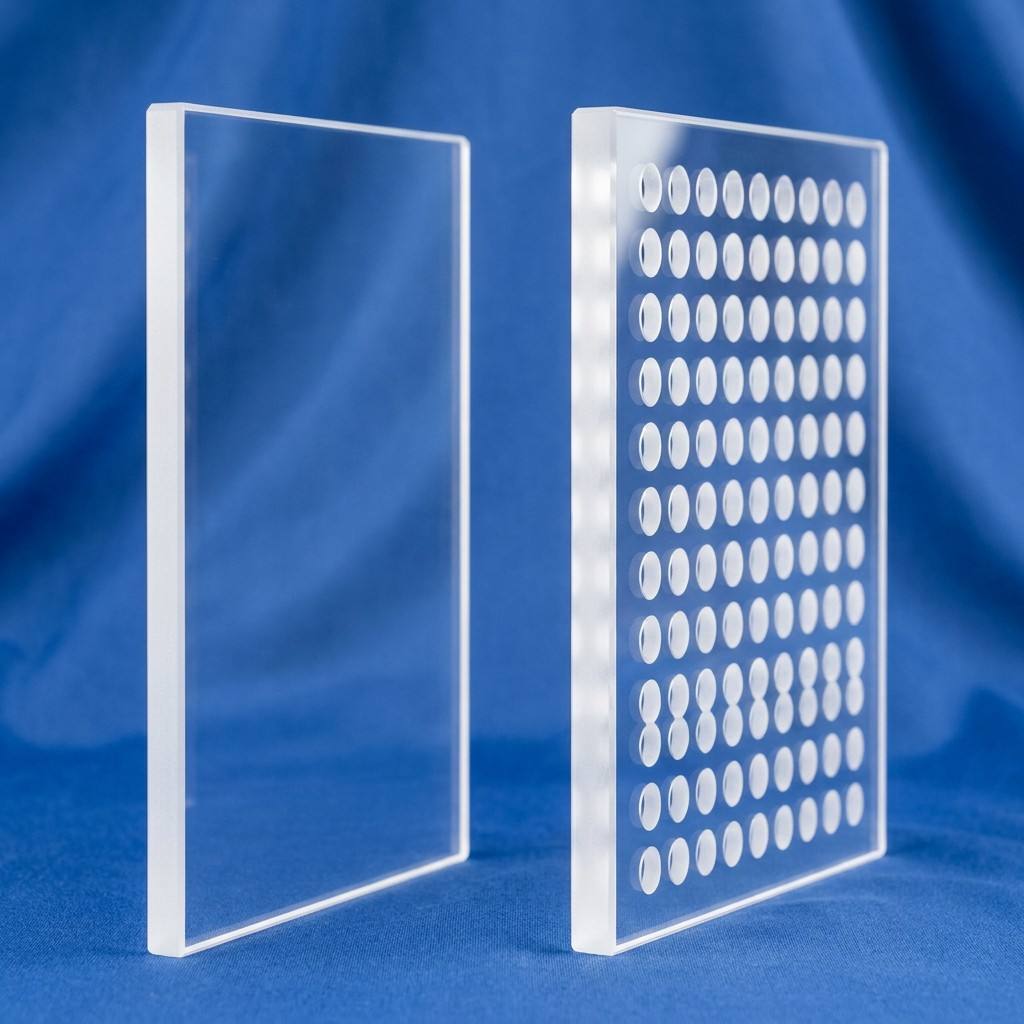
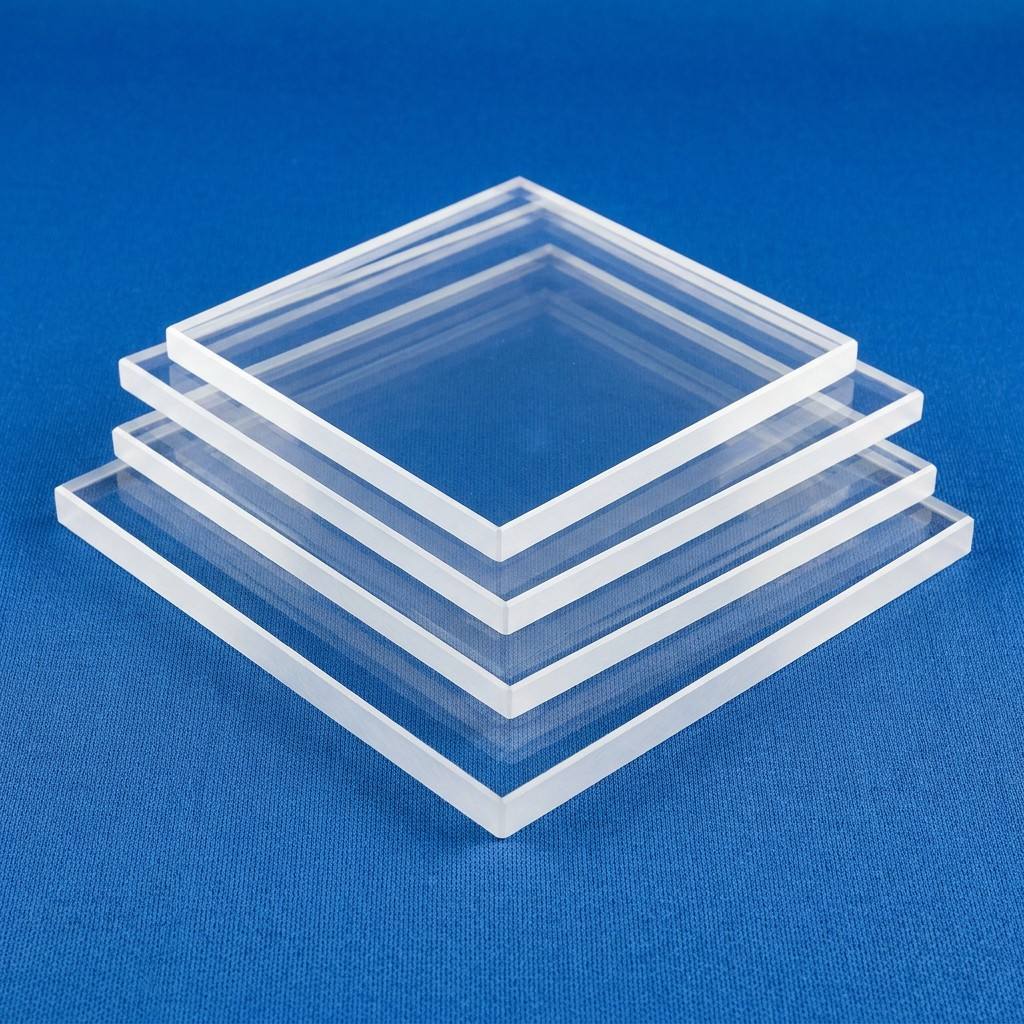
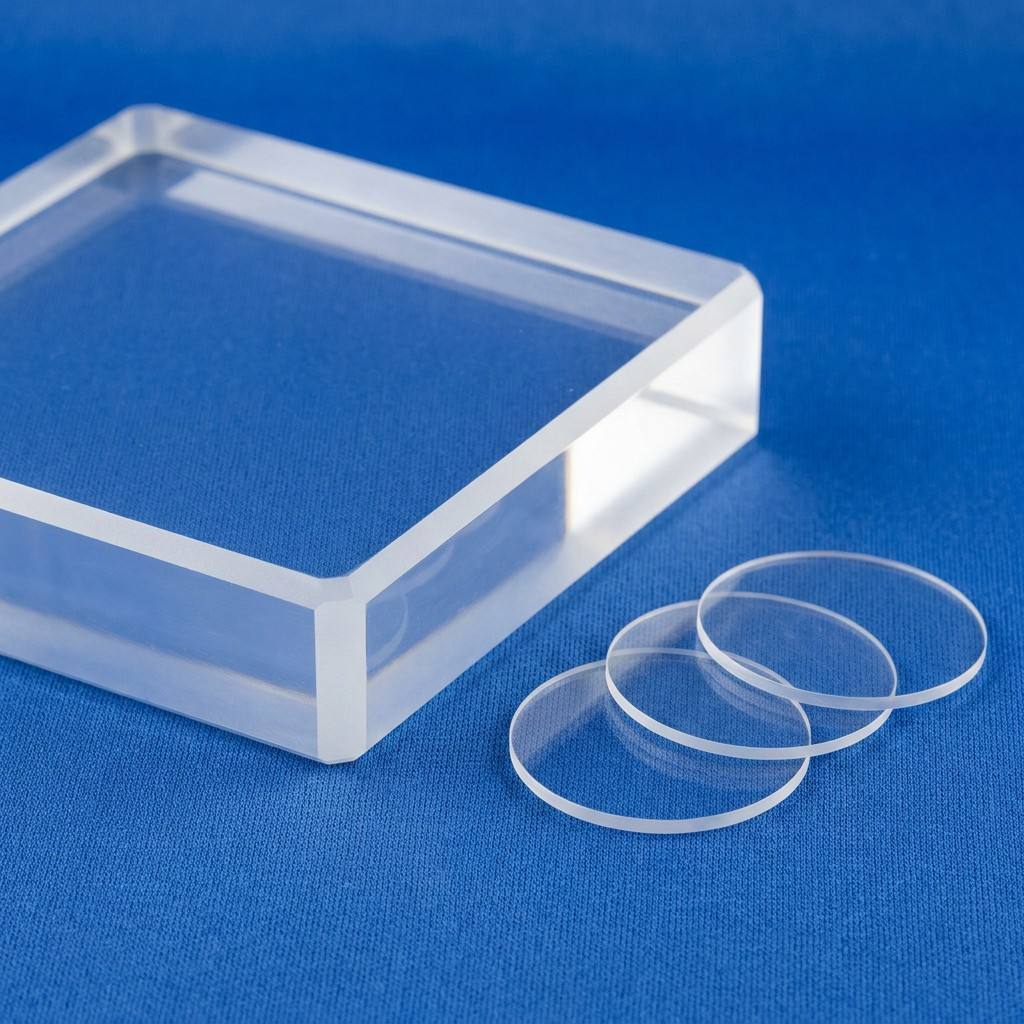
- Optical End Facing & Flanging: Flat ground surfaces (λ/4 optical flatness), polished return flanges, and precision-ground ball/socket joints for vacuum connections.
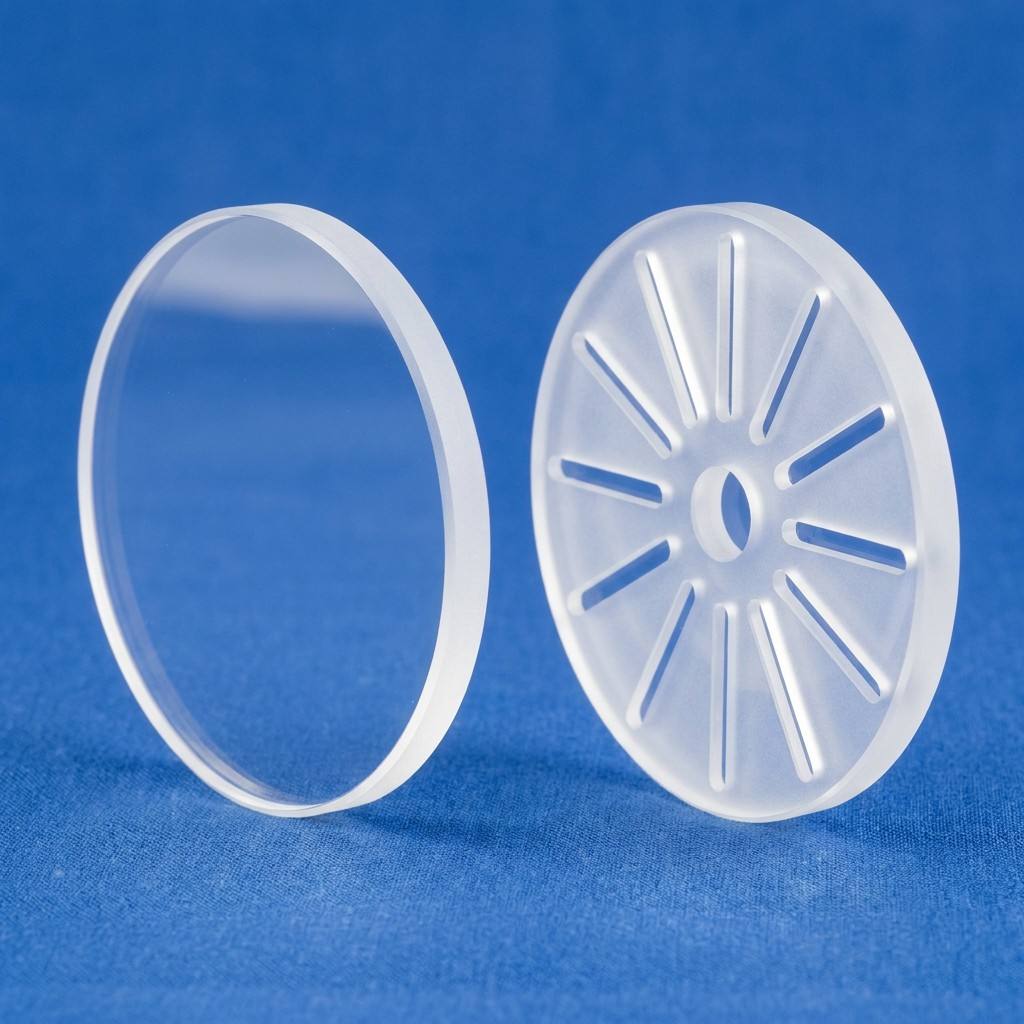
- Laser Drilling & Slotting: Precision hole piercing, ultrasonic slotting, and grooving for thermocouple wells, wafer boat supports, and process gas inlet manifolds.
- Flame Welding & Sealing: Domed ends, flat transparent window fusing, reduction tees, and graded glass-to-metal sealing transitions.
- Hydrofluoric Acid Cleanroom De-Stressing: All custom flame-worked tubes undergo furnace annealing at 1,215°C followed by controlled 5% HF etching to remove surface micro-fissures and thermal sublimation haze.
Why Nevada Sourcing Managers Partner with VEZLO Quartz
Combining natural resource proximity in Donghai with modern precision cold-processing and export-grade international logistics protection.
Logistics Engineering: Safe Transit from Lianyungang to Nevada Warehouses
Purchasing long, thin-walled or large-diameter quartz glass tubes internationally requires rigorous packaging engineering. Quartz is brittle; high vibration harmonics during ocean transit or road freight can cause catastrophic fractures if components are improperly suspended.
VEZLO utilizes an export packing standard engineered for fragile technical optics. Individual quartz tubes are first wrapped in antistatic PE film to prevent abrasive scuffing, followed by custom-cut high-density Pearl Cotton (EPE) foam cradles that dampen external shocks. Tubes are then housed inside heavy-duty multi-wall corrugated inner sleeves and secured into heat-treated, fumigation-free solid plywood crates. For large tubes (≥200 mm OD), internal floating ring supports isolate the cylinder from dynamic container motion.
All export documentation—including Commercial Invoices, Packing Lists, Certificates of Analysis (CoA), Melt Batch Chemical Reports, and US Harmonized Tariff Schedule (HTS Code 7002.31 for fused quartz tubes)—is managed to ensure smooth US Customs clearance and compliance with current trade regulations.
Frequently Asked Questions for Las Vegas Buyers
Clear answers addressing technical properties, manufacturing tolerances, tariffs, and shipping protocols.
Request an Engineering Quotation for Your Nevada Project
Submit your technical drawings, OD/ID tolerances, temperature parameters, and annual usage volumes. Our glass engineers will review your specifications and provide direct factory pricing within 2 hours.