
Quartz Sight Glass Plate Boiler Fused Silica High Temperature Resistant
Thermal Range: -100°C to 1,200°C
Tolerance: ±0.05 mm
Application: High-pressure viewports
Engineered to meet rigorous optical tolerances (DIN ISO 10110), deep-UV pathlengths, and thermal-shock standards across laboratories and cleanrooms in Seoul, Pangyo, and Suwon.
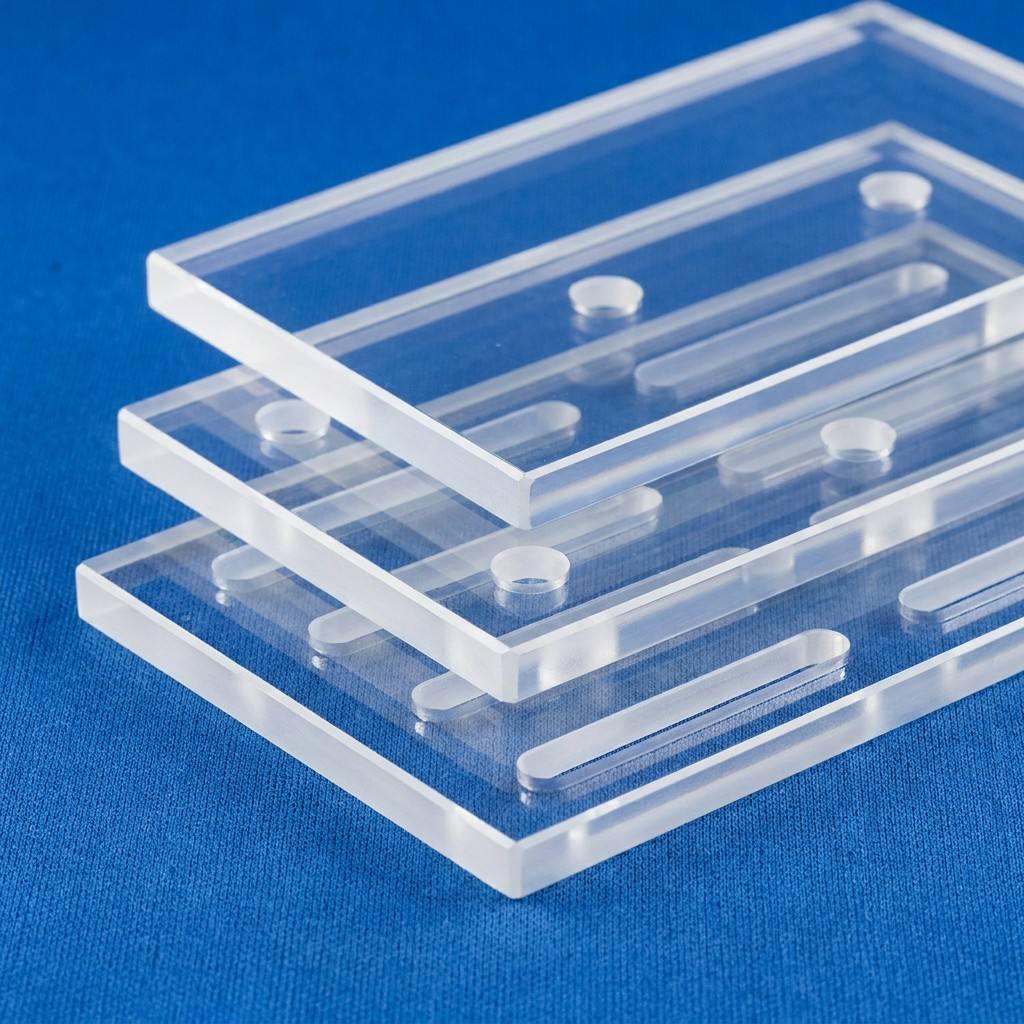
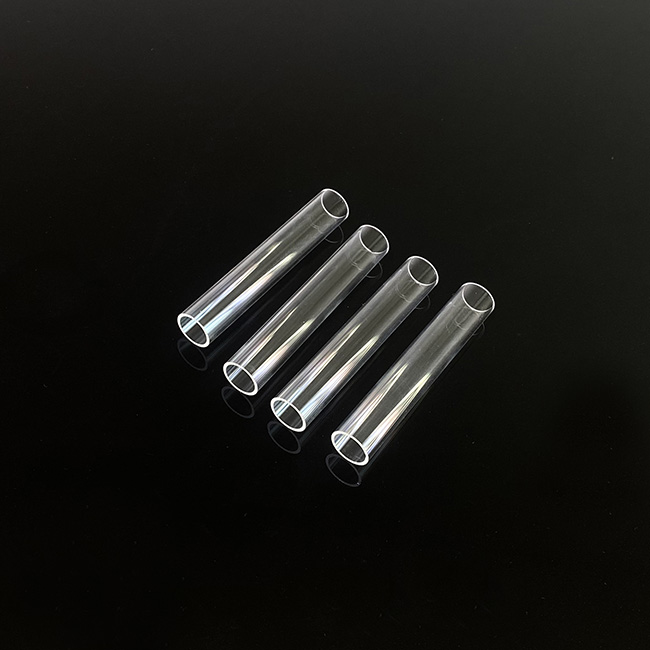

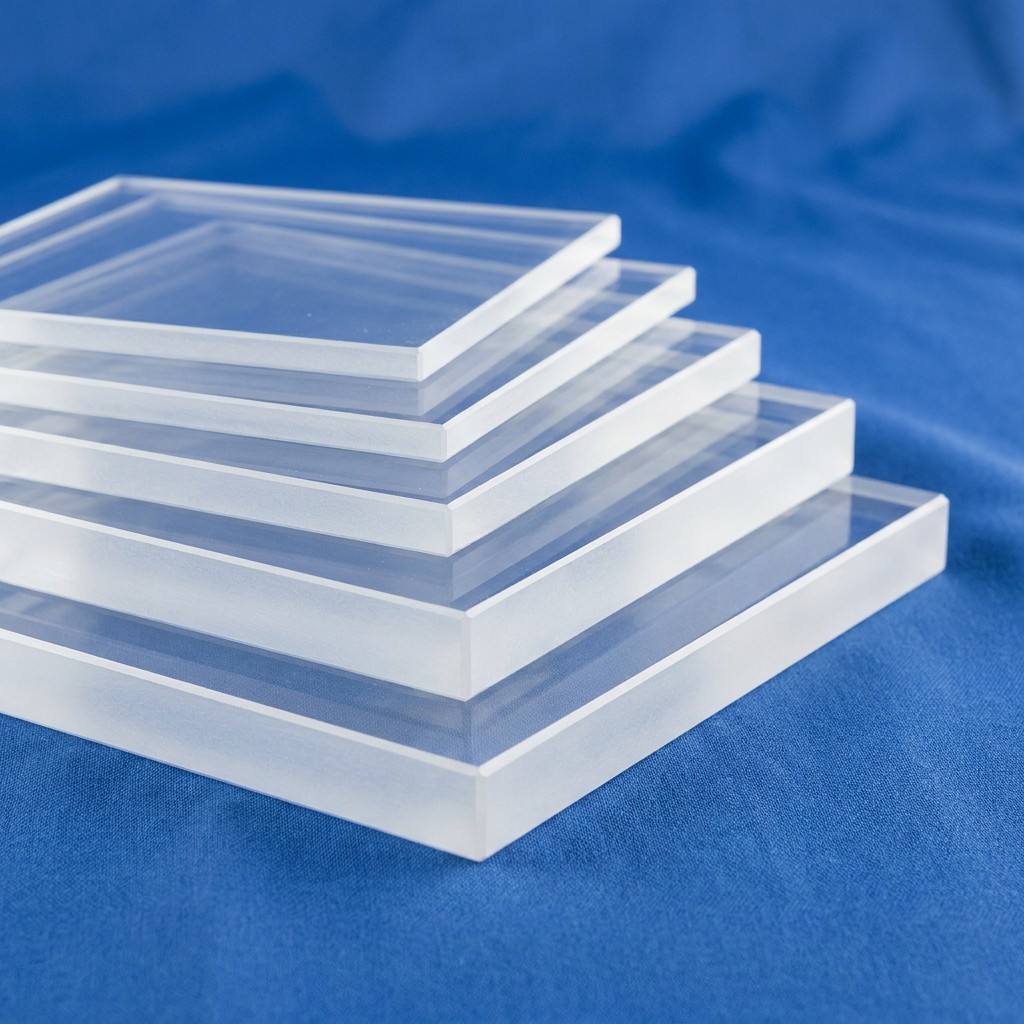
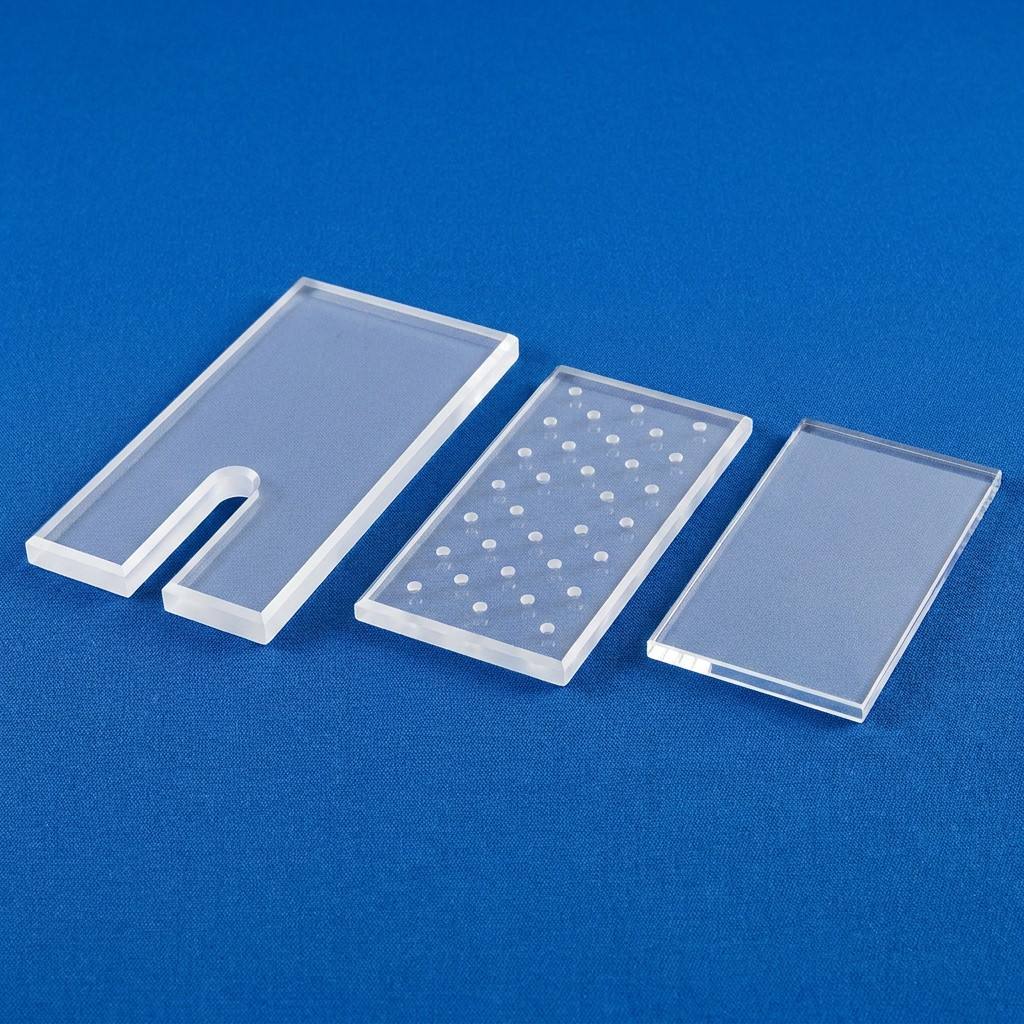
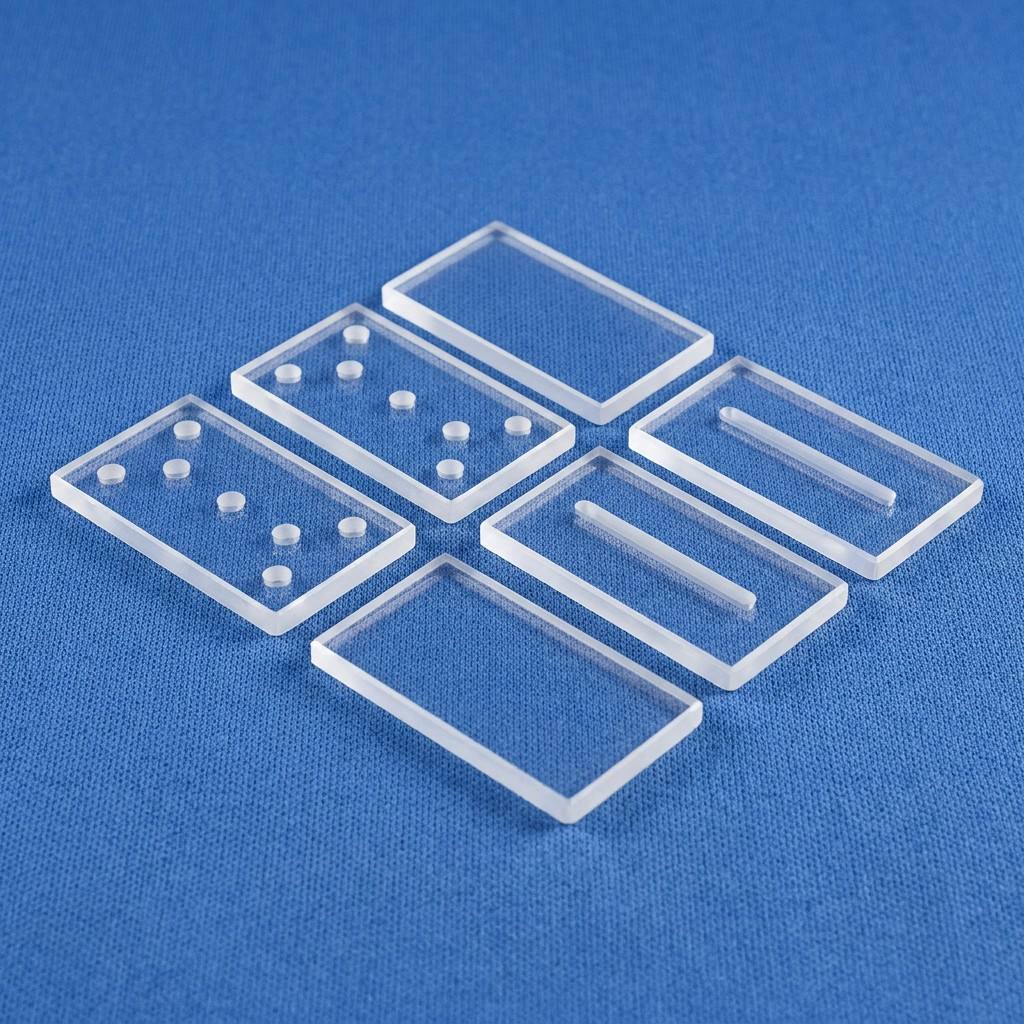
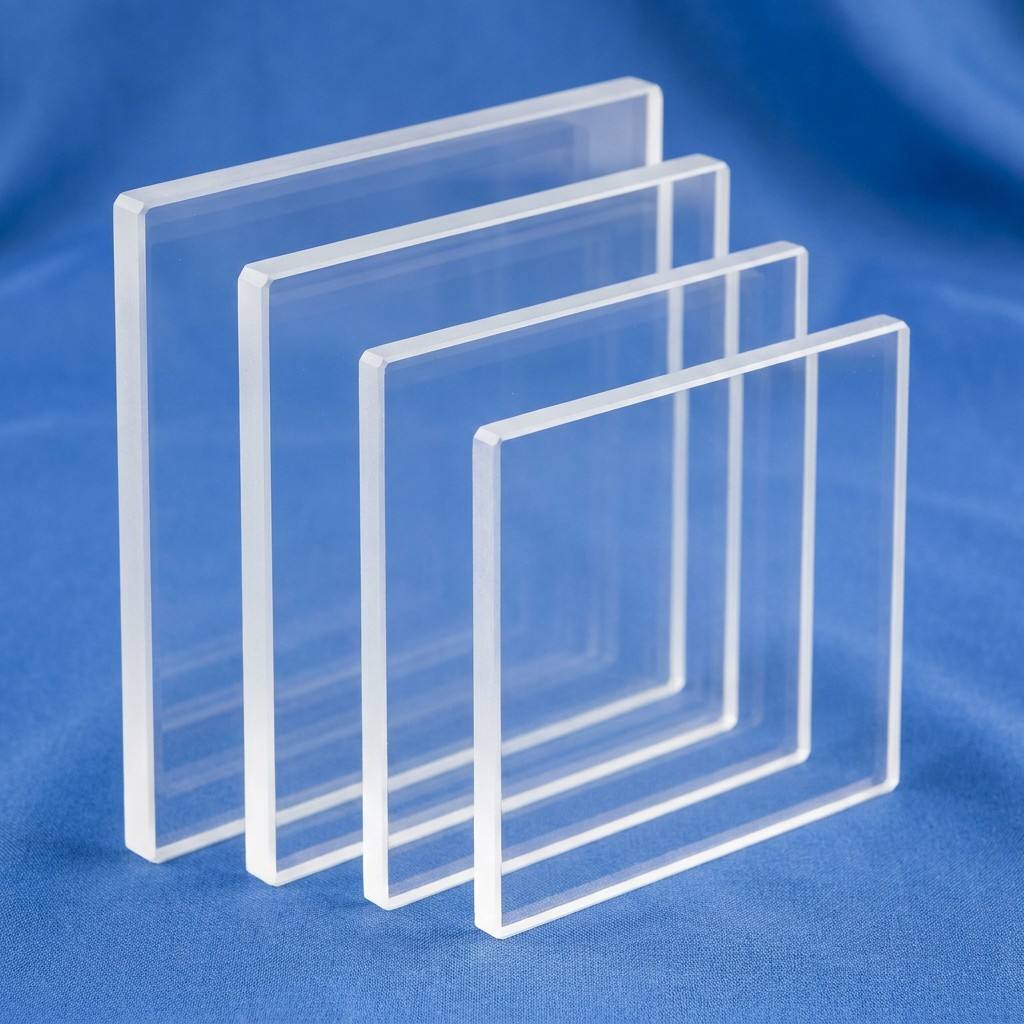
Serving world-leading institutes, national universities, and semiconductor development centers across the Greater Seoul Capital Area (Metropolitan Incheon, Pangyo Techno Valley, and Yeongdeungpo).
Biomedical testing facilities in Seoul’s Magok R&D Complex and Incheon Songdo Bio-cluster depend on fused synthetic silica micro-cuvettes and fluorescence flow cells for protein crystallography, HPLC detection, and oligonucleotide quantification at the critical 260/280 nm absorption spectrum.
Fabrication plants in Giheung, Hwaseong, and Pyeongtaek rely on our high-purity quartz observation windows, carrier boats, and chemical sight glasses to observe corrosive etching chemistries (including concentrated mineral acids and peroxide baths) without elemental cation leaching.
Battery and cathode laboratories across the Pangyo Techno Valley implement custom grooved quartz discs and sealed spectroscopic cuvettes for operando Raman and FTIR spectroscopy, monitoring real-time solid-electrolyte interface (SEI) growth under volatile operating conditions.
A rigorous examination of why synthetic silica has become mandatory over conventional optical glass in South Korea's precision R&D environment.
Over the last decade, South Korea’s Ministry of Trade, Industry and Energy (MOTIE) has catalyzed aggressive domestic targets for next-generation biosimilars, photolithography materials, and high-frequency communication substrates. Consequently, analytical procurement teams in Seoul have increasingly shifted away from standard optical borosilicate cells toward Synthetic Fused Silica (Far UV / JGS1) with strict DIN ISO 10110 conformity.
Conventional optical cuvettes frequently fail in high-throughput automated platforms due to micro-stresses induced during chemical fusion and excessive internal bubble counts (often exceeding DIN 3140 Class 1). In contrast, VEZLO utilizes advanced thermal diffusion bonding technology. This molecular sintering process eliminates chemical fluxing agents, creating an inseparable monolithic quartz cell capable of enduring 100% organic solvent baths (chloroform, DMSO, acetone) and repeated aqua-regia cleanings without mechanical delamination.
| Spectroscopic Grade | Wavelength Spectrum | Thermal Expansion | Standard Local Korean Application |
|---|---|---|---|
| Far UV Synthetic Quartz (JGS1) | 190 nm – 2,500 nm (T% ≥ 82% @ 200nm) | 5.5 × 10⁻⁷ / °C | HPLC Detection, Molecular Biology, DNA/RNA Absorbance |
| Optical Fused Quartz (JGS2) | 220 nm – 2,500 nm | 5.5 × 10⁻⁷ / °C | Industrial Spectrophotometry, Routine Quality Control |
| Infrared Fused Quartz (JGS3) | 260 nm – 3,500 nm (Low OH) | 5.5 × 10⁻⁷ / °C | FTIR Diagnostics, Petrochemical NIR Testing |
| Standard Optical Glass (ES) | 340 nm – 2,500 nm | 85 × 10⁻⁷ / °C | Visible Light Chemistry, Undergraduate Instruction |
Combining primary mineral purification in Donghai with multi-axis precision machining, delivered with certified trade protection directly to Seoul.
Situated in Donghai County—the quartz capital of China—we control raw synthetic and crystal refinement with total conventional metal impurities strictly limited to ≤20 ppm.
Our bilingual optoelectronic engineering team guarantees technical feasibility confirmations and CAD drawing revisions within 2 hours, aligning seamlessly with Korea Standard Time (KST).
Awarded the Jiangsu Provincial Science & Technology Project for large-scale integrated circuit quartz components, with national approvals on ultra-large diameter 520 mm tubes.
Shock-isolated multi-layer pearl cotton inserts housed in export-grade fumigation-free wooden crates guarantee zero optical transit fractures to Incheon Airport or Busan Port.
Essential guidance on import logistics, custom clearance, pathlength validation, and cleanroom handling for Korean institutions.
Request an instant engineering review and quote for your research institution, industrial lab, or OEM manufacturing line in the Seoul Capital Area.