
UV Photomask Substrate Plate
Ultra-thin synthetic fused silica substrate designed for deep-UV optical lithography, wafer-level patterning, and micro-optics.
Engineered to precise European standards, our synthetic and fused silica substrates deliver ≥99.99% SiO₂ purity, negligible thermal expansion, and optical transmission across DUV to NIR spectrums.
Ultra-thin synthetic fused silica substrate designed for deep-UV optical lithography, wafer-level patterning, and micro-optics.
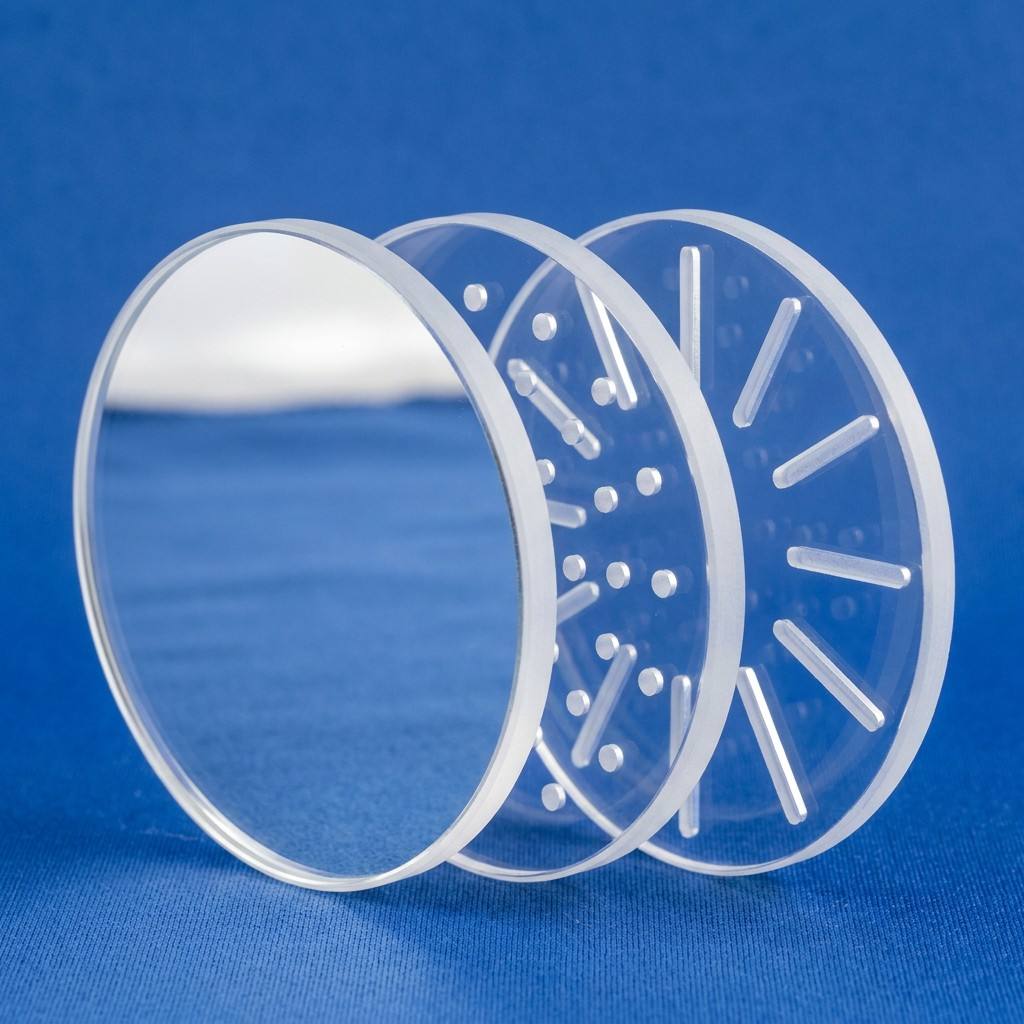
Custom dimensioned CNC-milled clear fused silica sheets with fine-ground chamfers, ideal for industrial laser and furnace windows.
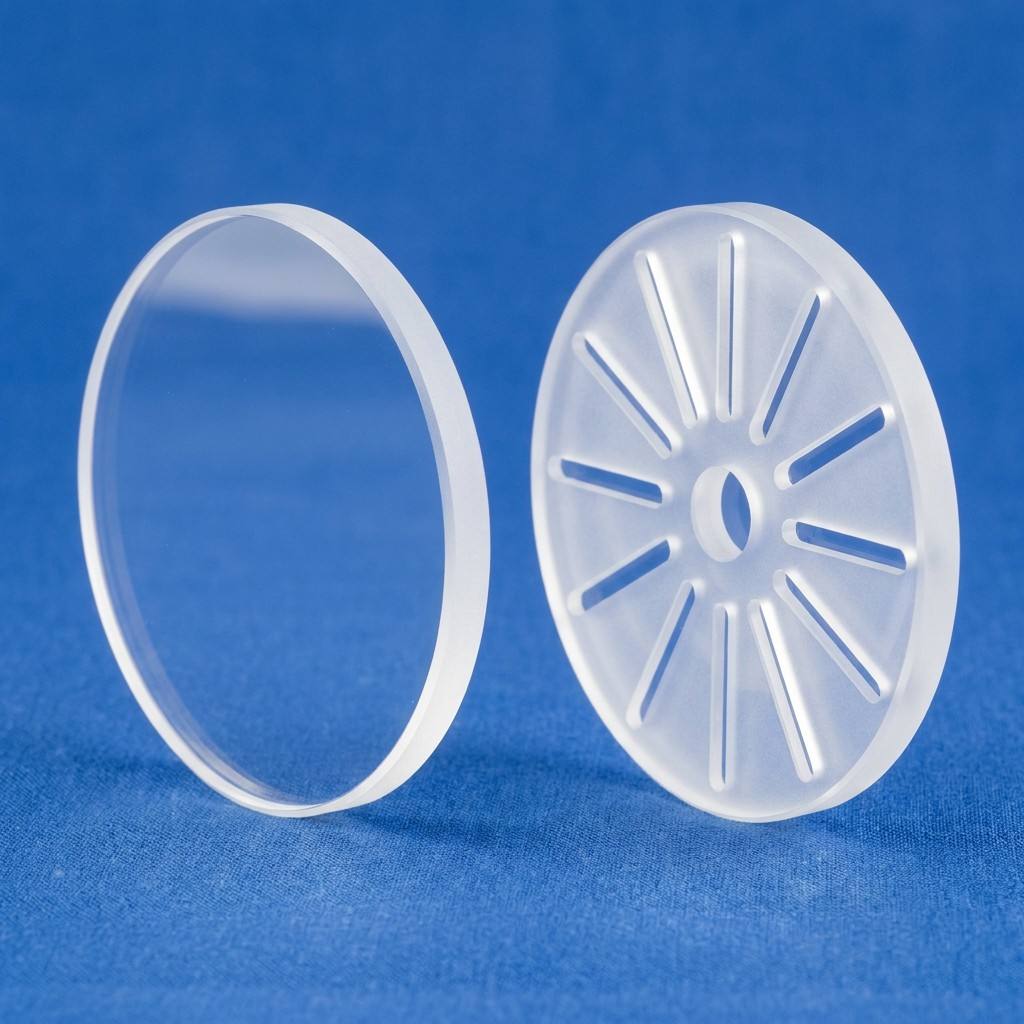
Precision double-side optical-polished wafer substrates exhibiting minimal wavefront distortion and high thermal shock tolerance.
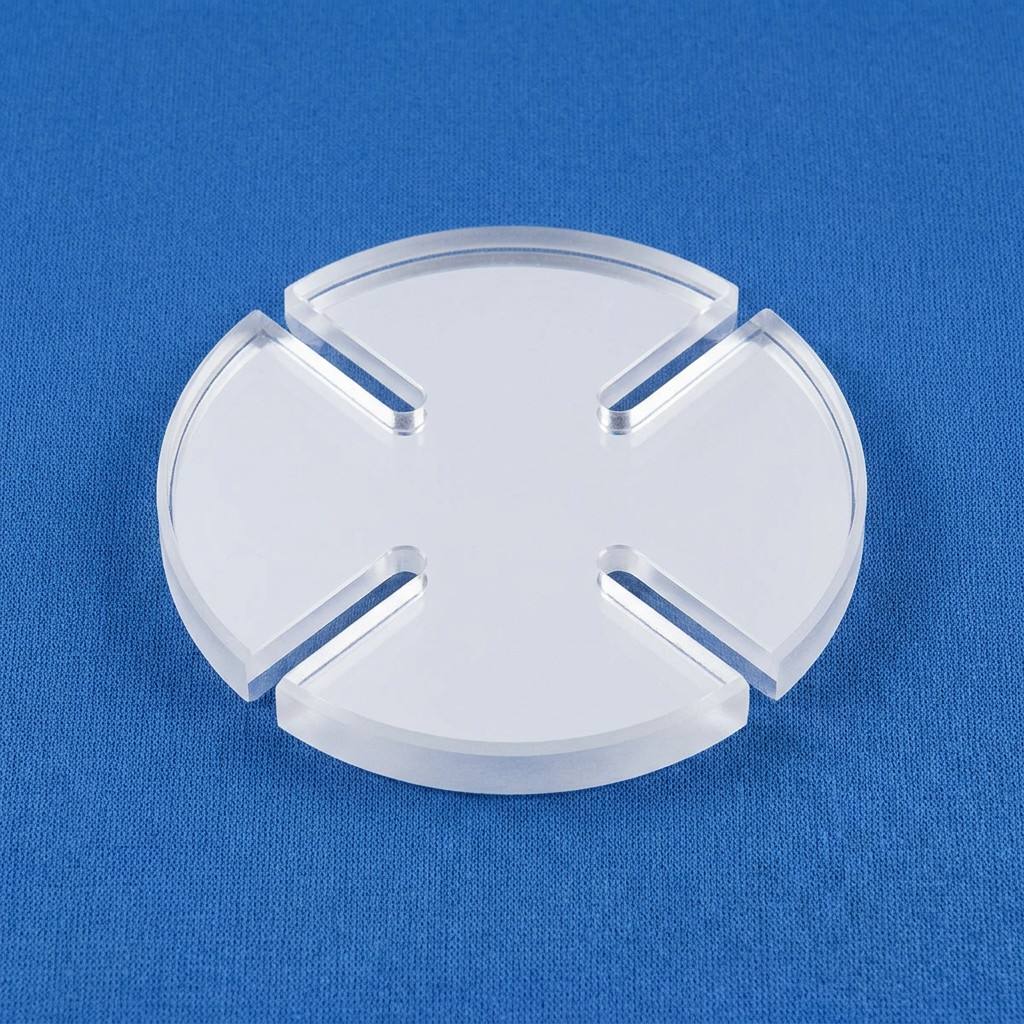
Versatile high-transmission fused silica panels calibrated for electronic test benches, IR sensing covers, and thermal shielding.

High-pressure resistant circular viewing discs built to endure direct flame impingement, steam degradation, and up to 1,100°C.

Hermetically certified zero-bubble viewport plates configured for high-vacuum (HV) and ultra-high vacuum (UHV) inspection rigs.
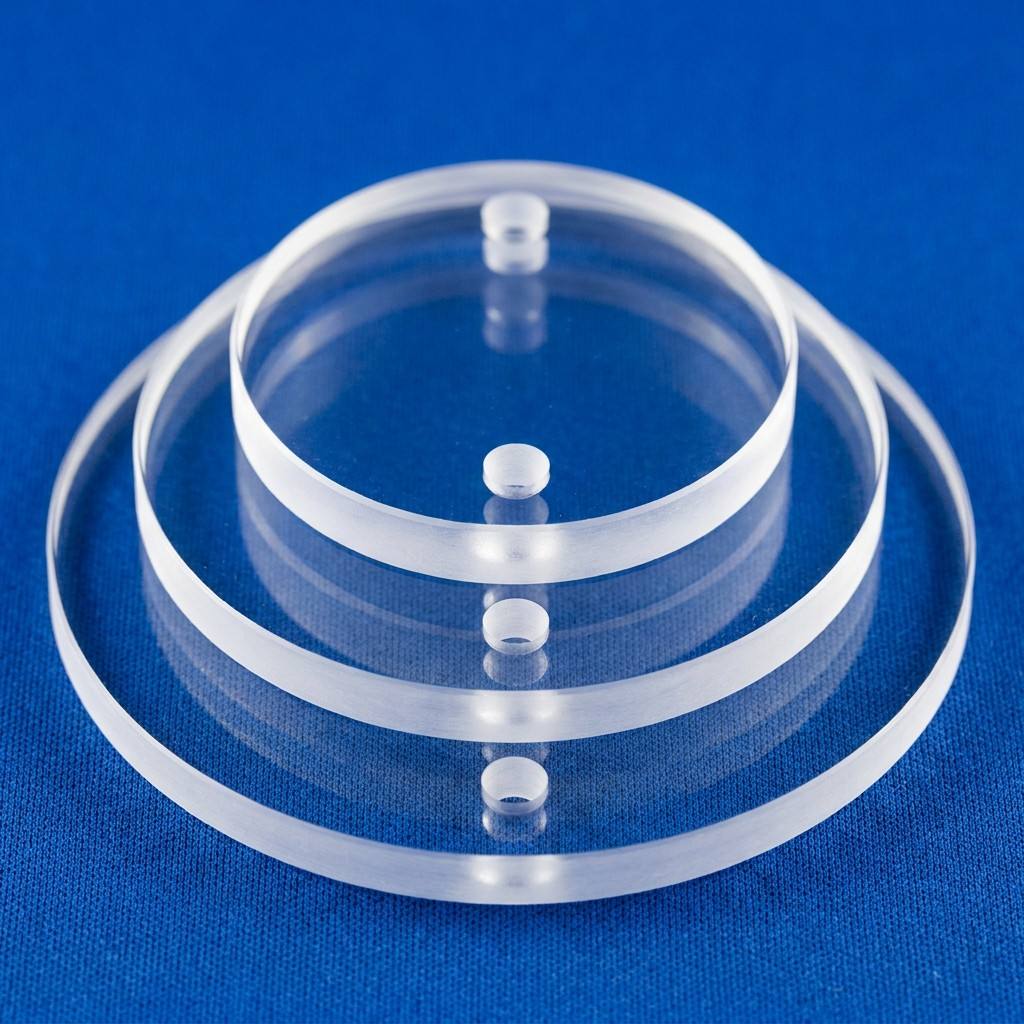
Engineered sight panel delivering near-zero linear expansion (5.5 × 10⁻⁷ /°C) to withstand instantaneous thermodynamic surges.
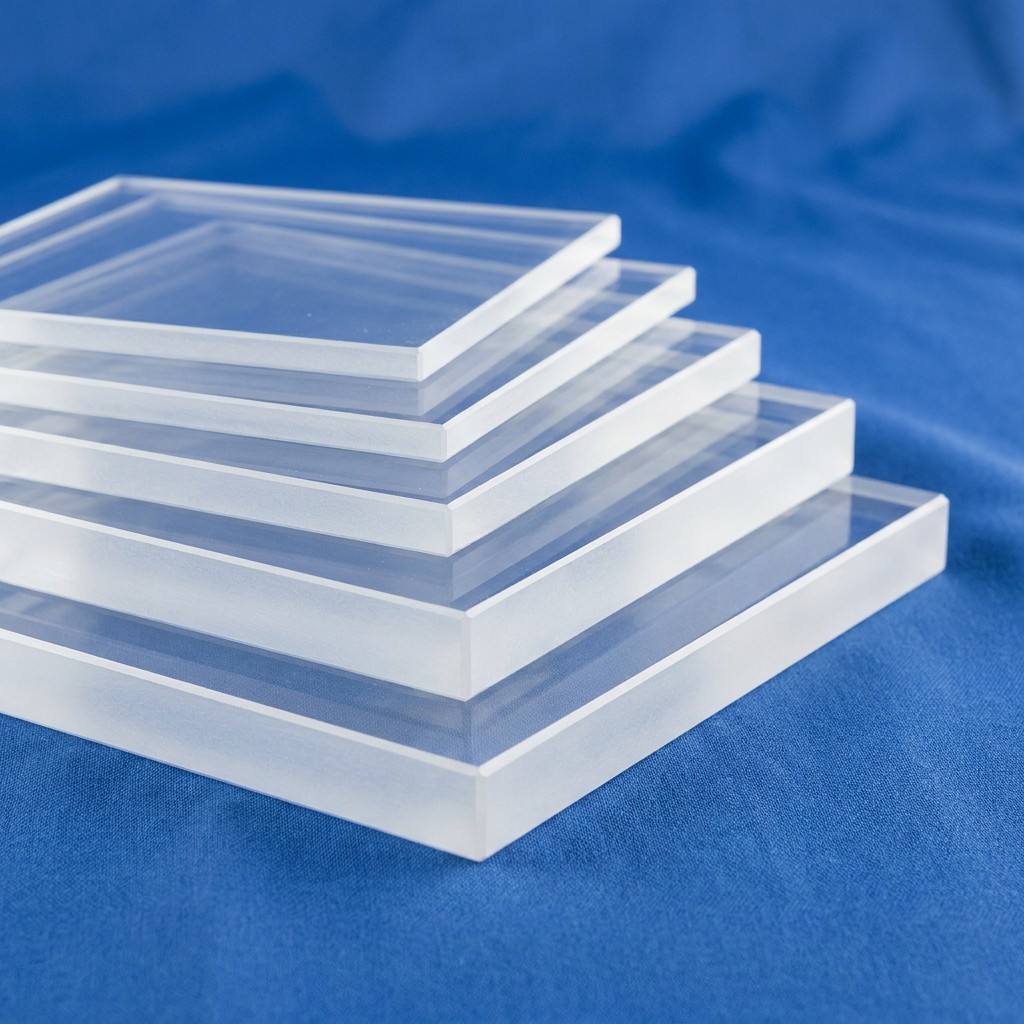
Optically clear, mechanically reinforced silica pane built for metallurgical observation, kiln windows, and radiant heating ovens.
Timișoara has firmly consolidated its position as Romania’s foremost advanced engineering and industrial technology cluster. Supported by top-tier academic institutions such as the Politehnica University of Timișoara (UPT) and powered by extensive foreign direct investment, the region—spanning Timiș County and neighboring Arad—hosts an dense matrix of Tier-1 automotive electronics manufacturers, mechatronics facilities, and industrial automation developers.
In this demanding technological environment, standard borosilicate and float glass materials consistently fall short. Whether subjected to the aggressive thermal profiles of surface-mount technology (SMT) reflow systems, the corrosive atmospheres of automated cleanroom etching lines, or the extreme precision required for automotive sensor calibration (LiDAR, ADAS radar radomes, and camera lens test rigs), regional engineers mandate high-purity transparent quartz glass. Operating with a silica content exceeding 99.99%, fused quartz bridges the physical gap between conventional glass and monocrystalline silicon, offering operational stability at temperatures above 1,100°C and unmatched transparency down to deep-ultraviolet wavelengths.
As tier manufacturers across industrial nodes like the Timișoara Technology Park, Freidorf Industrial Zone, and Incontro Industrial Park transition toward higher-tier automation and semiconductor assembly, the requirement for traceable, certified quartz substrates and custom viewports has intensified. VEZLO Quartz directly answers this need through end-to-end manufacturing oversight from raw sand refining to multi-axis CNC fabrication.
How specialized production facilities throughout Western Romania deploy our transparent fused quartz products to solve critical physical and optical bottlenecks.
Timișoara's automotive R&D clusters require optically flat quartz viewports and substrates for optical alignment of radar systems, camera modules, and LiDAR assemblies. With low dispersion and high mechanical rigidity across broad temperature excursions, our double-side polished quartz plates prevent chromatic and spherical distortion during sensor calibration test sequences.
Within surface-mount electronics plants along the Arad-Timișoara corridor, vacuum-assisted and nitrogen-purged convection ovens operate continuous thermal cycles. Our quartz sight glass discs and heat-resistant quartz plates serve as long-life viewport windows, enduring direct infrared irradiance and continuous thermal differentials without devitrification or clouding.
For research cleanrooms and advanced micro-device fabrication, our ultra-thin UV-grade fused silica photomask blanks provide exceptional deep-UV transmission (down to 193 nm and 248 nm). Manufactured with minimal bubble content and virtually zero surface pitting, they deliver sub-micron patterning fidelity across multiple etching steps.
Working alongside institutes such as the National Institute for R&D in Electrochemistry and Condensed Matter (INCEMC Timișoara), our high-purity quartz reaction plates, transparent crucibles, and optical cuvette windows provide total chemical inertness against concentrated inorganic acids (excluding HF) and zero baseline fluorescence.
Heavy industry and chemical synthesis facilities across Timiș County utilize our high-pressure quartz sight glass discs on process vessels, steam boilers, and reaction columns. These viewports withstand elevated mechanical clamping stresses while offering safe, crystal-clear visual monitoring of pressurized thermal reactions.
Industrial UV curing chambers for coatings, conformal PCB sealing, and water sterilization equipment in municipal and food processing plants deploy our specialized ozone-free and high-transmittance quartz sleeves, plates, and filter tubes to optimize 254 nm germicidal output while preventing premature atmospheric degradation.
Procurement departments within Western Romania’s manufacturing nodes face a shifting operational environment. As supply chains pivot away from single-source dependencies and volatile regional distributor markups, technical procurement directors are increasingly establishing structured, factory-direct relationships with certified overseas primary manufacturers.
Three distinct trends define the quartz glass demand profile in the Timișoara market today:
1. Tightening Purity and Traceability Standards: With automotive electronics shifting toward sub-7nm sensor architectures and power-electronics modules (SiC and GaN), cross-contamination from substrate glass is no longer acceptable. Buyers actively audit trace metallic contaminants—specifically alkali metals (Li, Na, K) and heavy metals (Fe, Cu, Ni)—demanding total contaminant ceilings ≤20 ppm to prevent electrical leakage and thermal drift.
2. Consolidation from Standard Glass to Quartz Substrates: Equipment builders are phasing out borosilicate sight windows due to frequent thermal breakage and clouding under high-pressure steam or cyclic laser exposures. Transparent quartz glass has become the benchmark replacement, driven by its unmatched thermal shock threshold (withstands sudden quenching from 1,000°C to cold water without micro-fracturing).
3. Demand for Integrated Cold-Processing & Custom CNC Geometries: Stock sheet dimensions are rarely plug-and-play for modern machine frames. Local OEMs require tight CNC-machined tolerances (±0.05 mm), precision ground bevels, high-precision step drill holes for sensor pass-throughs, and optical-grade edge polishing to minimize stress riser formation during pressurized clamping.
| Physical / Chemical Property | High-Purity Transparent Quartz (VEZLO) | Technical Borosilicate Glass 3.3 | Industrial Soda-Lime Float Glass |
|---|---|---|---|
| SiO₂ Content | ≥ 99.99% | ≈ 81.0% | ≈ 72.0% |
| Max Service Temperature (Continuous) | 1,100 °C | 450 °C | 150 °C |
| Thermal Expansion (0–300 °C) | 5.5 × 10⁻⁷ / °C | 33 × 10⁻⁷ / °C | 90 × 10⁻⁷ / °C |
| Thermal Shock Resistance | Exceptional (> 1,000 °C drop) | Moderate (≈ 150 °C drop) | Low (≈ 50 °C drop) |
| Optical Spectral Transmission Range | 190 nm (DUV) – 3,500 nm (NIR) | 320 nm – 2,500 nm | 380 nm – 2,000 nm |
| Dielectric Strength (20 °C) | 25–40 kV/mm | 15–20 kV/mm | 10–12 kV/mm |
Combining primary mineral reserves from China's quartz capital with advanced continuous fusion and precision finishing technologies.
Headquartered on a 33,000 m² (50-mu) advanced manufacturing campus in Donghai County—internationally recognized as China's quartz hub—we operate with complete vertical control from high-purity natural silica sand refinement (≤20 ppm total metals) to the final finished product.
Backed by over RMB 10 million in fixed assets and an annual R&D investment exceeding RMB 5 million, our breakthrough 320 mm high-purity quartz tube was carried out as a Jiangsu Provincial Science & Technology Support Project. Our 520 mm large-diameter tube is qualified for 14-inch wafer furnaces.
Our workshop integrates continuous electric melting, gas-refining, high-precision tube drawing (OD 2–500 mm), and complete cold-processing shops offering CNC shape milling, step machining, hole boring, ultrasonic drilling, flame-polishing, and dual-side optical lapping.
Every export shipment intended for the Romanian market undergoes 100% dimensional inspection, polariscope stress-birefringence verification, ultrasonic flaw scanning, and bubble/airline grading according to DIN ISO 10110 standards, backed by full Mill Test Certificates (MTC).
Exporting high-precision quartz requires specialized engineering packaging. We utilize customized high-density shock-absorbing EPE pearl foam cassettes encased within heavy-duty, fumigation-free plywood export crates, ensuring zero transit breakage via air cargo or direct sea freight.
Procurement teams in Timișoara communicate directly with seasoned optical and materials engineers. We provide an average technical response time of under 2 hours, generating comprehensive CAD drawing reviews, DFM feedback, and commercial proposals within the same business day.
Clear, direct answers regarding specifications, compliance, customs clearance, and logistics for shipments into Timiș County.
For custom CNC cut plates, standard sheets, and viewport discs, fabrication typically spans 7 to 12 working days. Prototype samples can be prioritized in 3 to 5 days. For transit to Timișoara, urgent consignments ship via express air cargo (DHL/FedEx/UPS directly to Timișoara "Traian Vuia" International Airport - TSR) within 4 to 6 business days. Full batch container loads move via sea freight to Constanța Port followed by bonded rail/truck logistics to Timiș customs terminals in 28 to 35 days.
Each delivery includes a complete European compliance documentation packet: Commercial Invoice, Packing List, Certificate of Origin (COO), Mill Test Certificate (MTC) with spectrographic trace elemental breakdown (ICP-MS), optical transmission curve data sheets, and Certificate of Conformity for RoHS/REACH compliance to facilitate straightforward customs clearance through Romanian Border Customs.
While monocrystalline sapphire offers higher surface hardness (Mohs 9 vs. Mohs 7), transparent fused quartz offers dramatic cost advantages (typically 60–80% lower cost per unit area), significantly larger aperture capabilities (up to 500+ mm diameter vs. sapphire’s restrictive boule limits), superior thermal shock immunity, and much lower weight (density 2.20 g/cm³ compared to sapphire’s 3.98 g/cm³).
Yes. Over 70% of our production consists of custom OEM components manufactured to client STEP, DXF, or DWG drawings. We hold standard machining dimensional tolerances of ±0.05 mm, with specialized optical lapping tolerances down to ±0.01 mm thickness and surface flatness of λ/4 per 25 mm aperture. Custom beveling, laser engraving, and specialized AR/metallic coatings are also handled in-house.
We actively support university research laboratories, test benches, and pre-series automotive qualification trials across Romania by offering flexible low-volume MOQs. Prototype runs can be initiated for single-piece or five-piece evaluation batches. Once validated, contract volume pricing schedules automatically apply for scheduled blanket orders.
Fragility risk is completely eliminated through multi-tiered engineering packaging. Components are vacuum-sealed in anti-static, dust-free pouches, nestled within custom-molded high-density closed-cell polyethylene (EPE) cassettes, and bolted inside heavy-gauge plywood cases fortified with external shock and tilt indicators. We guarantee 100% intact delivery with full replacement coverage.